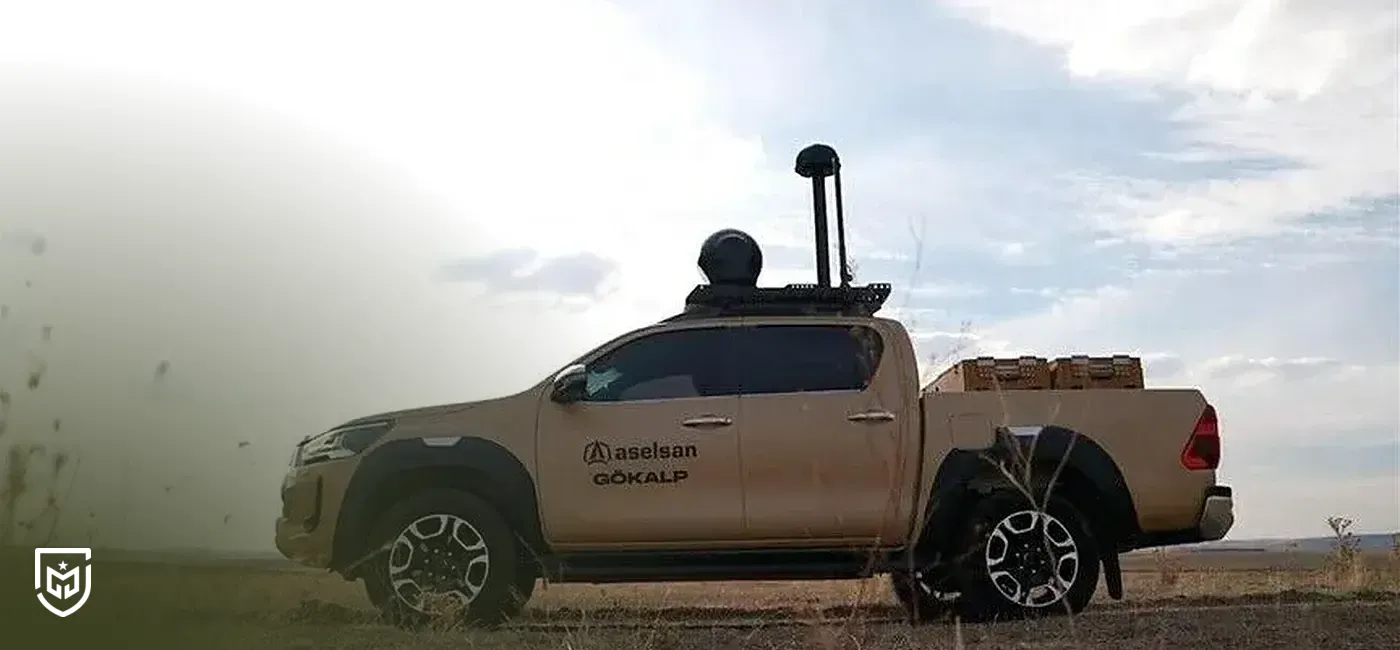
Operational Purpose and Role
GERGEDAN UAV is designed to disrupt and neutralize small to medium-class commercial or military drones by targeting their command-and-control (C2) links and GNSS signals. Additionally, it serves as a countermeasure against RF-triggered IEDs by suppressing remote detonation signals.
In modern conflict environments, commercially available drones are widely used for reconnaissance, targeting, and even weapon delivery. GERGEDAN provides a non-kinetic electronic warfare response, minimizing collateral damage while neutralizing aerial threats.
Doctrine and Concept of Operations
The system is primarily deployed within:
- Counter-UAS (C-UAS) doctrine
- Counter-IED (C-IED) operations
- Border security missions
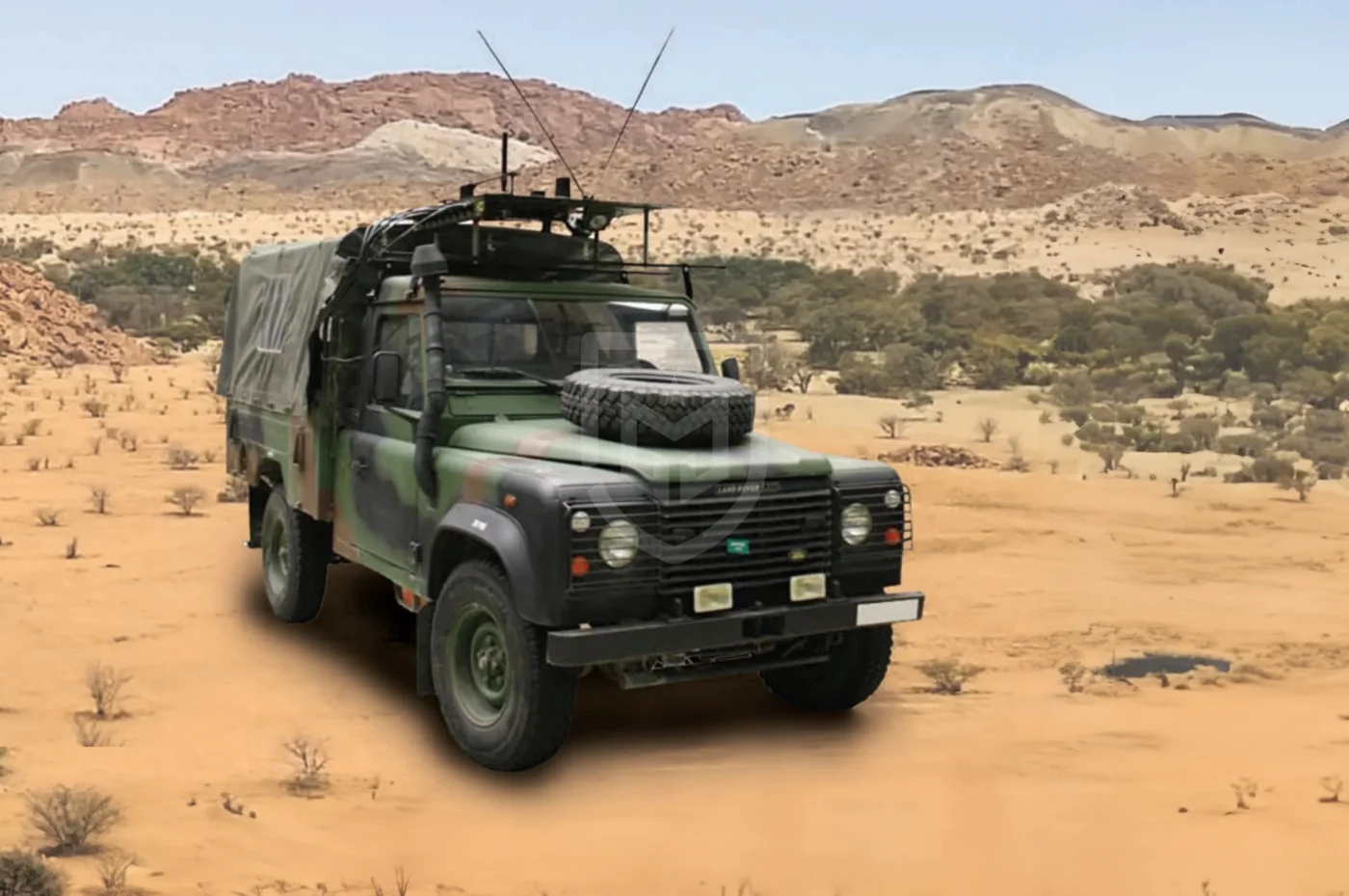
- Convoy protection
- Critical infrastructure defense
- Urban counter-terrorism environments
In urban or high-density environments where kinetic interception poses risks, RF jamming offers a controlled method of neutralizing UAV threats without physical destruction.
System Architecture
GERGEDAN consists of:
- Wideband RF jamming module
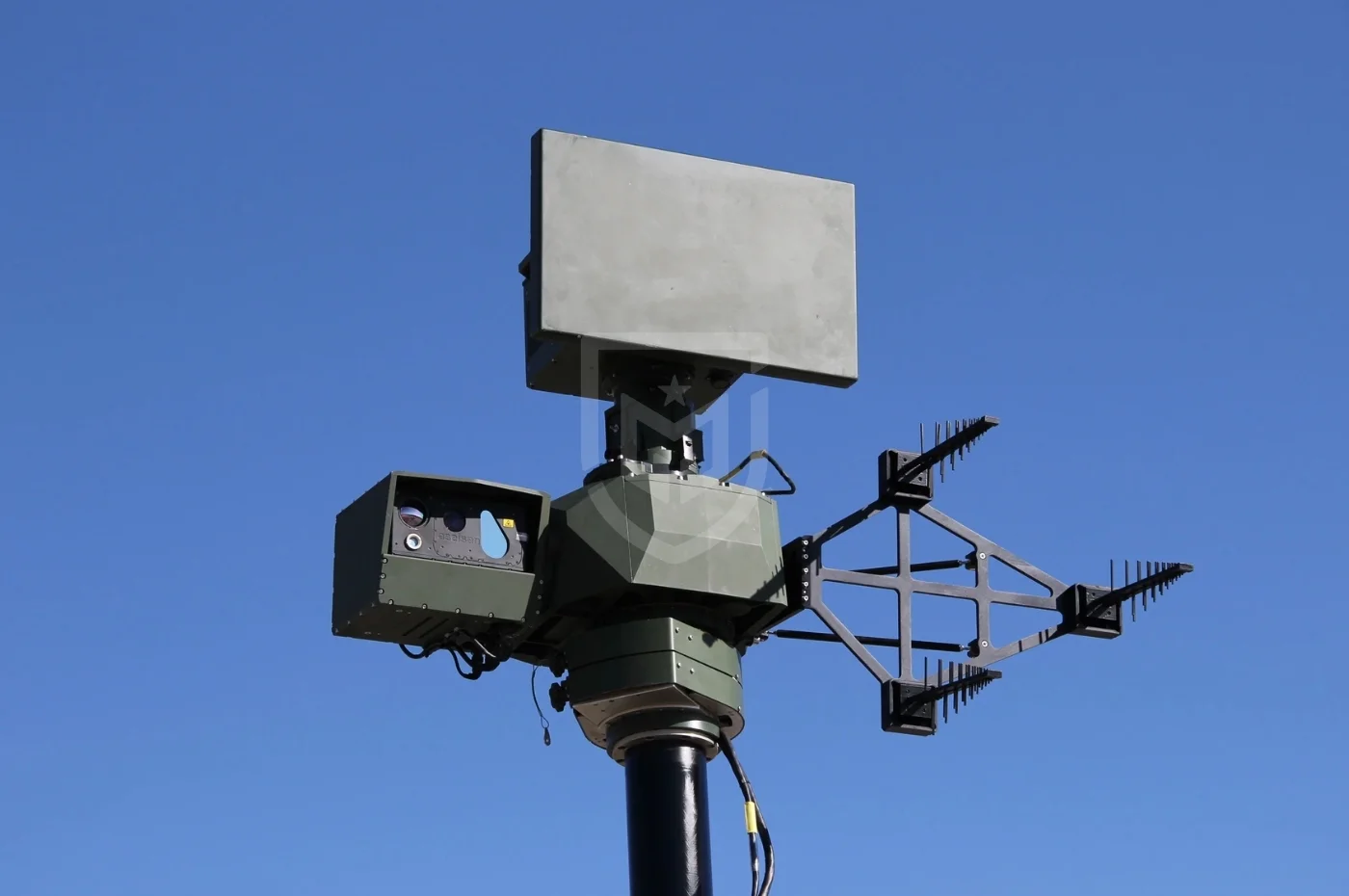
- Directional antenna system
- Power management and battery unit
- Programmable mission software
- Operator control interface
The system allows frequency-selective or broadband jamming, configurable prior to mission execution based on the threat spectrum.
Survivability and Protection Approach
GERGEDAN itself is not an armored platform but improves operator survivability through:
- Remote electronic neutralization capability
- Rapid deployment and relocation
- Reduced visual and physical footprint
Its RC-IED suppression capability enhances troop safety during patrol and convoy operations.
Engagement Process and Reaction Time
The engagement sequence typically includes:
- Threat detection (via external radar, EO systems, or visual identification)
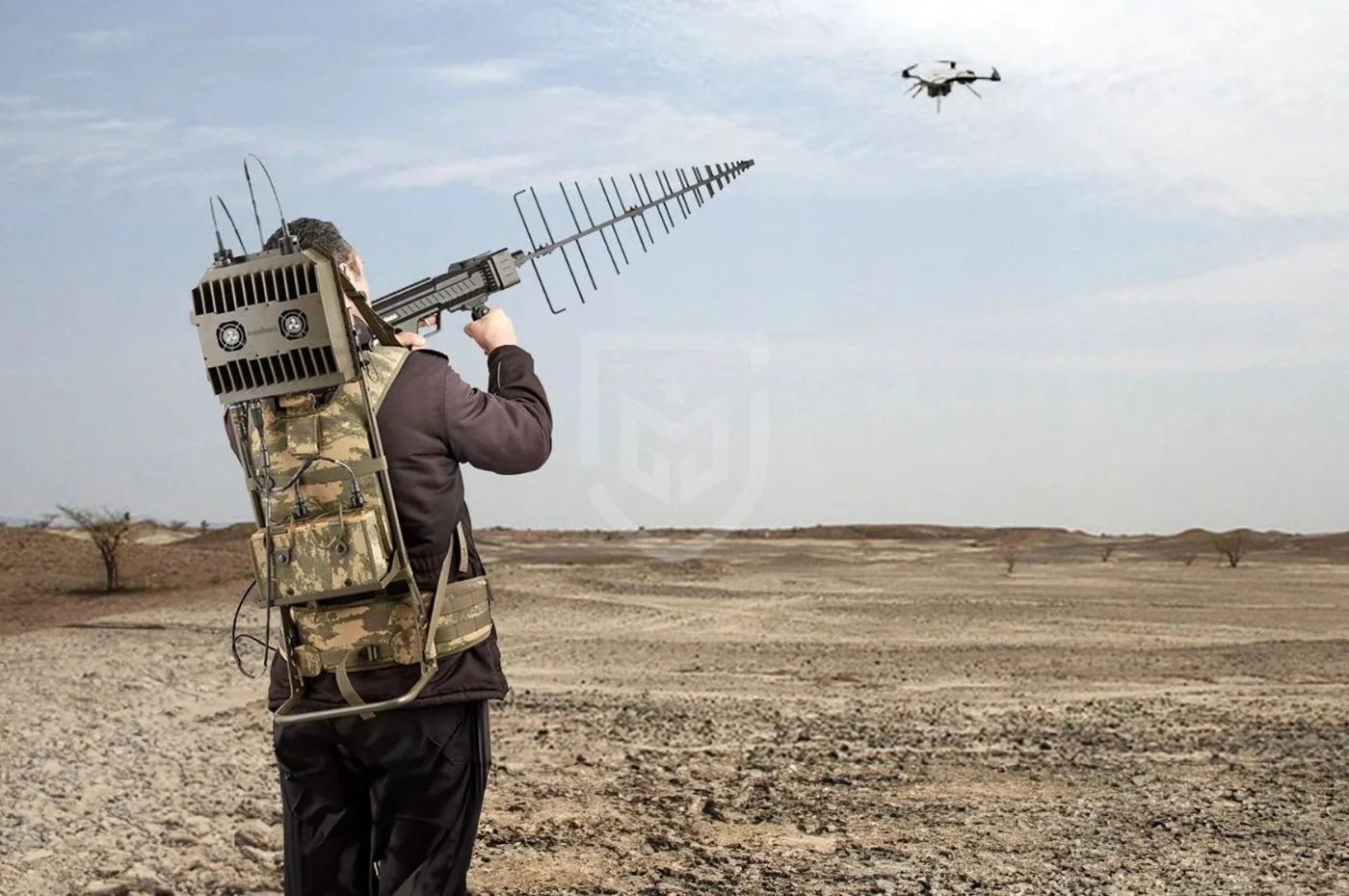
- Antenna alignment toward the target
- Activation of selected frequency band jamming
- Loss of UAV control or navigation
Possible UAV outcomes include:
- Forced landing
- Emergency descent
- Return-to-home
- Loss of control
Precise reaction time depends on operator response and threat detection method. Public sources do not confirm fully autonomous detection capability within GERGEDAN itself.
Integrated Ecosystem
GERGEDAN is designed to integrate with ASELSAN’s broader defense ecosystem, including:
- Radar-based UAV detection systems
- Electro-optical surveillance platforms
- Command-and-control networks
This enables layered air defense architecture and coordinated electronic warfare operations.
Advantages and Limitations
Advantages:
- Non-kinetic neutralization
- Portable and mobile deployment
- Programmable frequency configuration
- RC-IED suppression capability
Limitations:
- Limited effectiveness against fully autonomous pre-programmed UAVs
- Effectiveness against frequency-hopping encrypted military links is not publicly disclosed
- Range depends on antenna gain, power output, and environmental conditions
Detailed Technical Information
Note: Some technical parameters such as exact output power, full frequency coverage, and maximum effective range are not publicly disclosed.
Dimensions and Weight
- Portable configuration
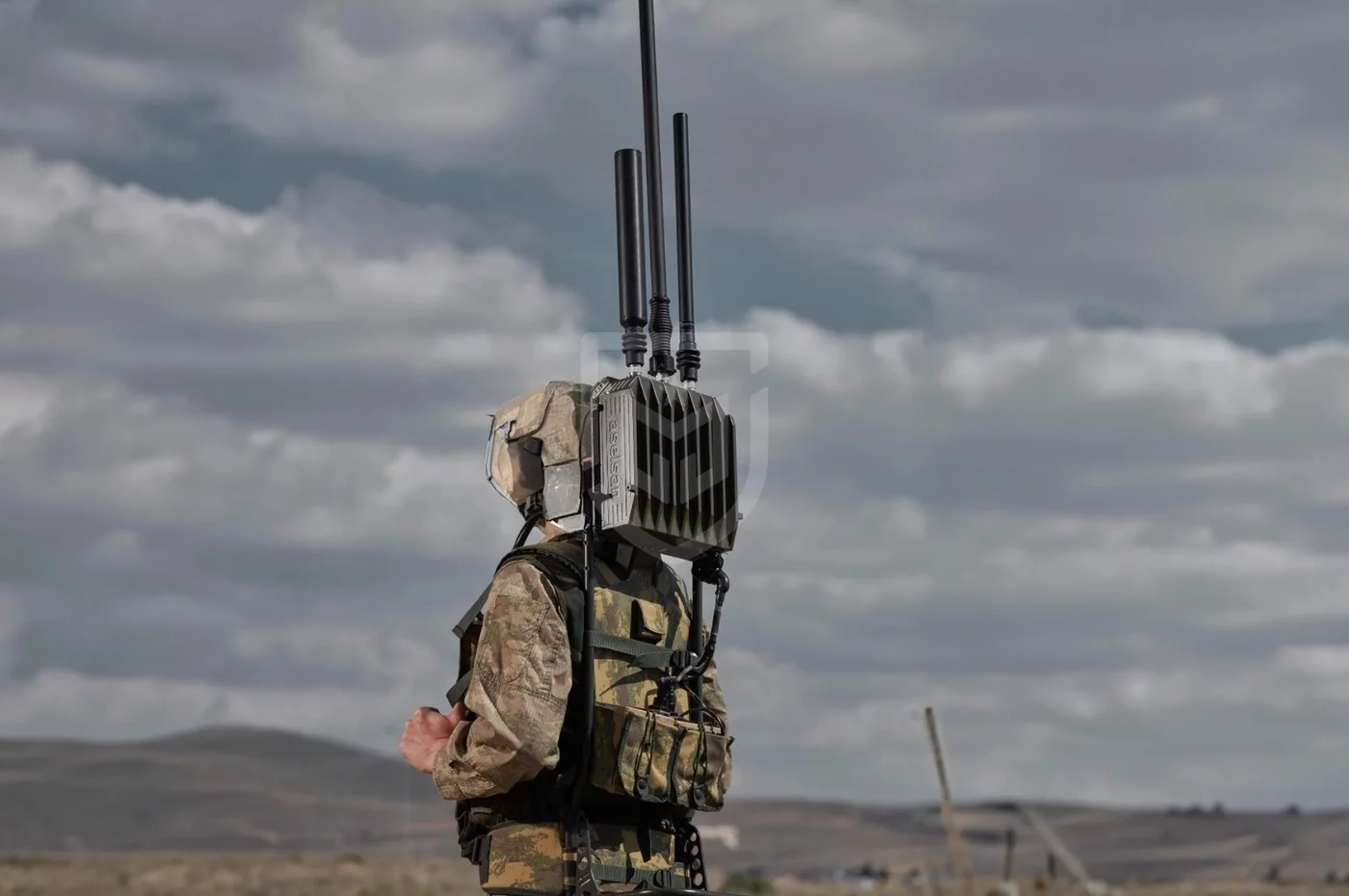
- Backpack or handheld form factor
- Exact weight not publicly disclosed
Power System
- Integrated battery unit
- Portable power configuration
- External power compatibility not publicly detailed
Frequency and Jamming Capability
- Common ISM bands (e.g., 2.4 GHz, 5.8 GHz – typical commercial UAV bands)
- GNSS bands (e.g., GPS) – detailed band list not publicly disclosed
- Selective or broadband jamming modes
Sensors
- No publicly confirmed internal radar
- Typically operates in conjunction with external detection systems
Engagement and Neutralization Method
- RF command-and-control link disruption
- GNSS signal suppression
- Electronic denial of operation
Electronic Warfare Resilience
- Anti-jam resistance parameters not publicly disclosed
- Capability against advanced military datalinks not publicly specified
Deployment and Mobility
- Single-operator portable system
- Rapid setup capability
- Suitable for convoy and dismounted troop operations
Personnel and Operation
- Operator-controlled system
- Pre-mission frequency configuration
- Training requirements not publicly detailed
Frequently Asked Questions
What is GERGEDAN UAV used for?
- It is used to electronically neutralize UAVs by disrupting their control and navigation signals. It also prevents RF-triggered IED detonation.
What is its operational range?
- The exact effective range is not publicly disclosed. It depends on transmission power, antenna configuration, environmental factors, and target signal strength.
Which threats can it counter?
- Commercial quadcopters
- RF-controlled UAVs
- GNSS-dependent drones
- RF-triggered IED systems
Is it effective against autonomous drones?
- If a UAV is fully pre-programmed and does not rely on external control signals, only GNSS suppression may affect it. Effectiveness in such scenarios may be limited.
Is the system mobile?
- Yes. It is a portable system suitable for dismounted troops and convoy protection missions.
Does it include an internal radar?
- There is no publicly confirmed information indicating the presence of an integrated radar. It typically operates alongside external detection systems.
What are its global equivalents?
- Similar portable counter-drone jamming systems exist internationally. However, direct performance comparisons are limited due to restricted public technical data.
Sources
- ASELSAN official product publications
- ASELSAN public exhibition brochures
- Turkish defense industry press releases
- Open-source defense industry analyses