
Tactical Signal Jammer Sys.


BREAKING NEWS
Operational Purpose and Role
İHTAR is engineered to counter the rapidly expanding threat posed by commercially derived and military-grade mini/micro UAVs. These platforms often feature:
Traditional air defense systems are not optimized for such targets. İHTAR fills this capability gap by providing a specialized layered detection and neutralization architecture.
Primary mission areas include:
Operational Doctrine and Concept of Employment
İHTAR follows a layered and network-centric defense doctrine based on the kill chain sequence:
The system is specifically designed to counter coordinated swarm attacks through multi-target tracking and automated weapon allocation algorithms.
System Architecture
İHTAR consists of four integrated layers:
Sensor Layer
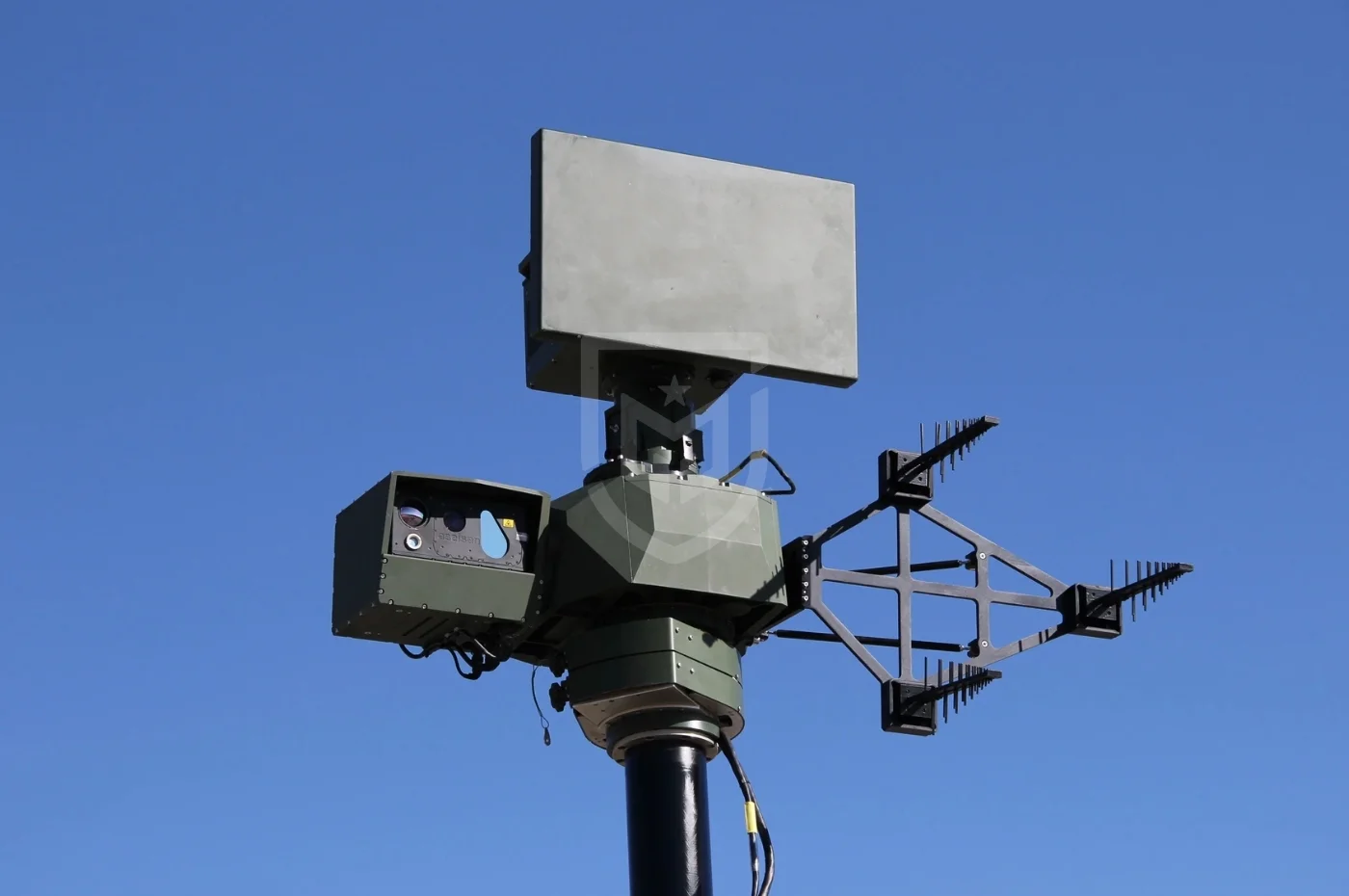
ACAR Radar System
Ku-band Pulse-Doppler radar capable of 360° continuous or sectoral scanning. Optimized for detecting low-RCS and low-speed aerial targets.
HSY Electro-Optical System
Includes day TV camera, thermal imager, and laser rangefinder. Provides automatic video tracking and visual identification.
ATAS Acoustic Detection System
Passive detection based on UAV acoustic signatures.
PUHU Direction Finding System
RF-based direction finding to locate control signal sources.
Electronic Warfare Layer
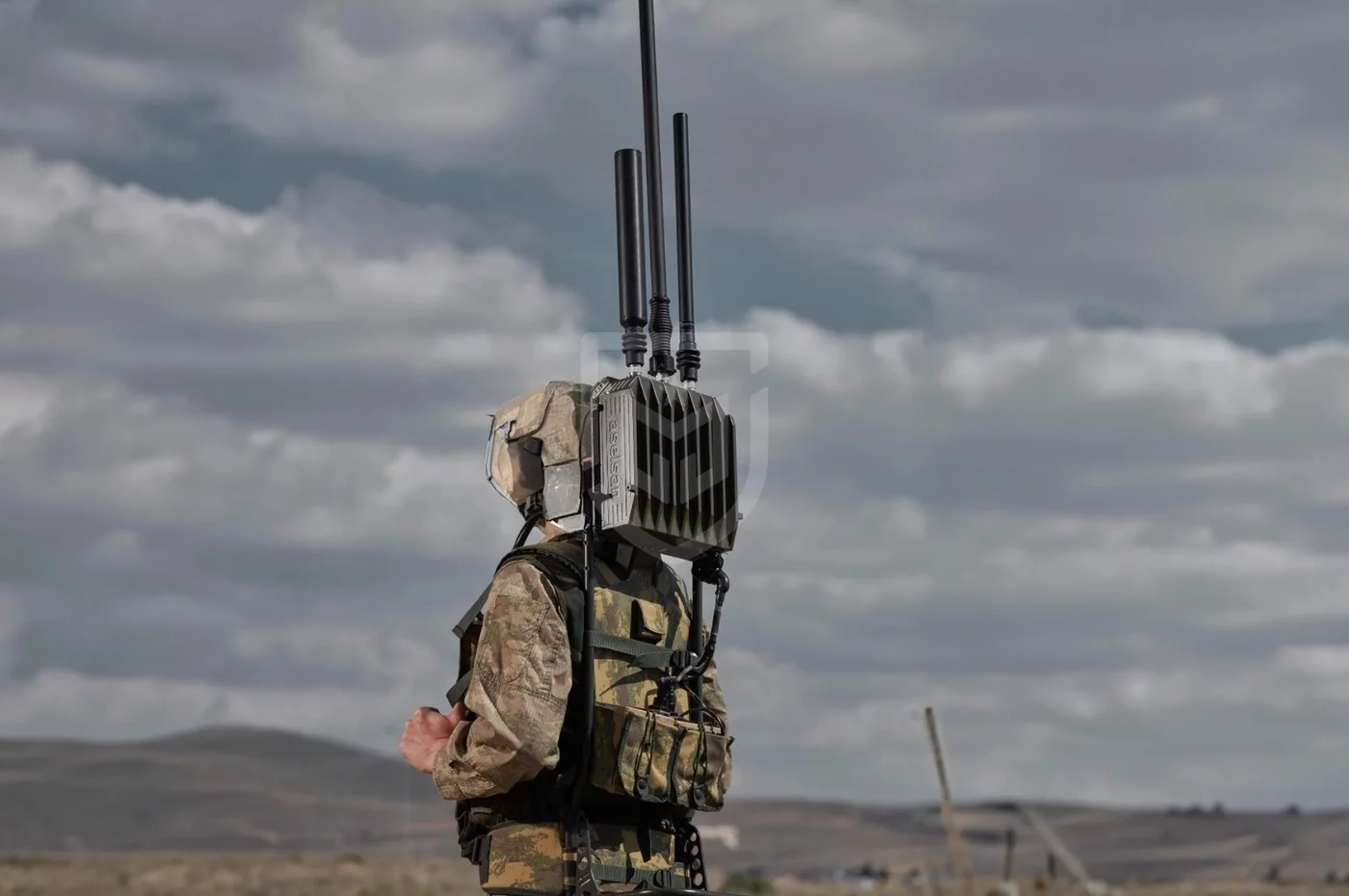
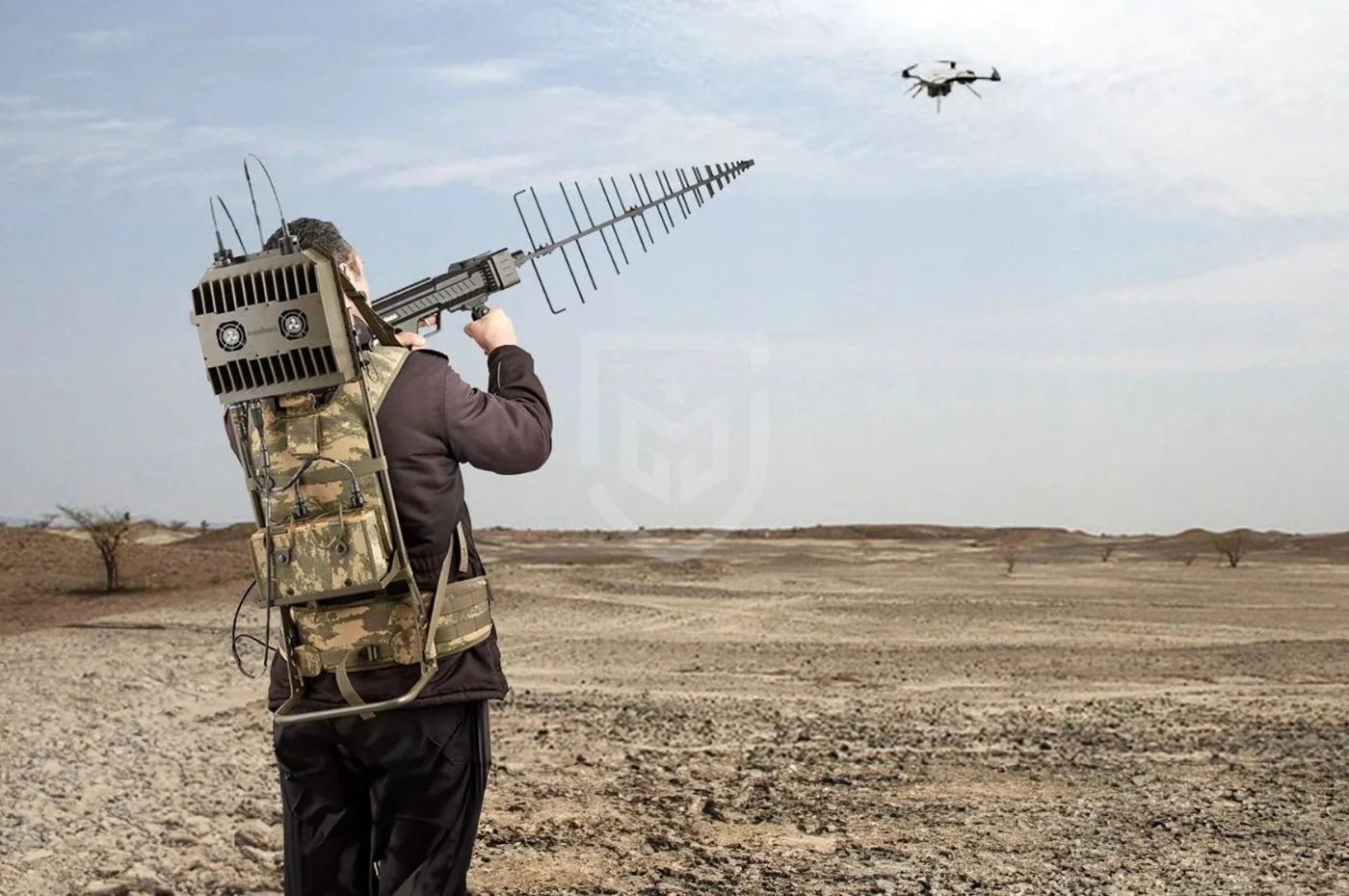
GERGEDAN Jamming System
Programmable RF jamming system capable of disrupting:
Directional jamming minimizes electromagnetic interference outside the threat axis.
Kinetic and Directed Energy Layer
ATOM 40 mm Smart Munition
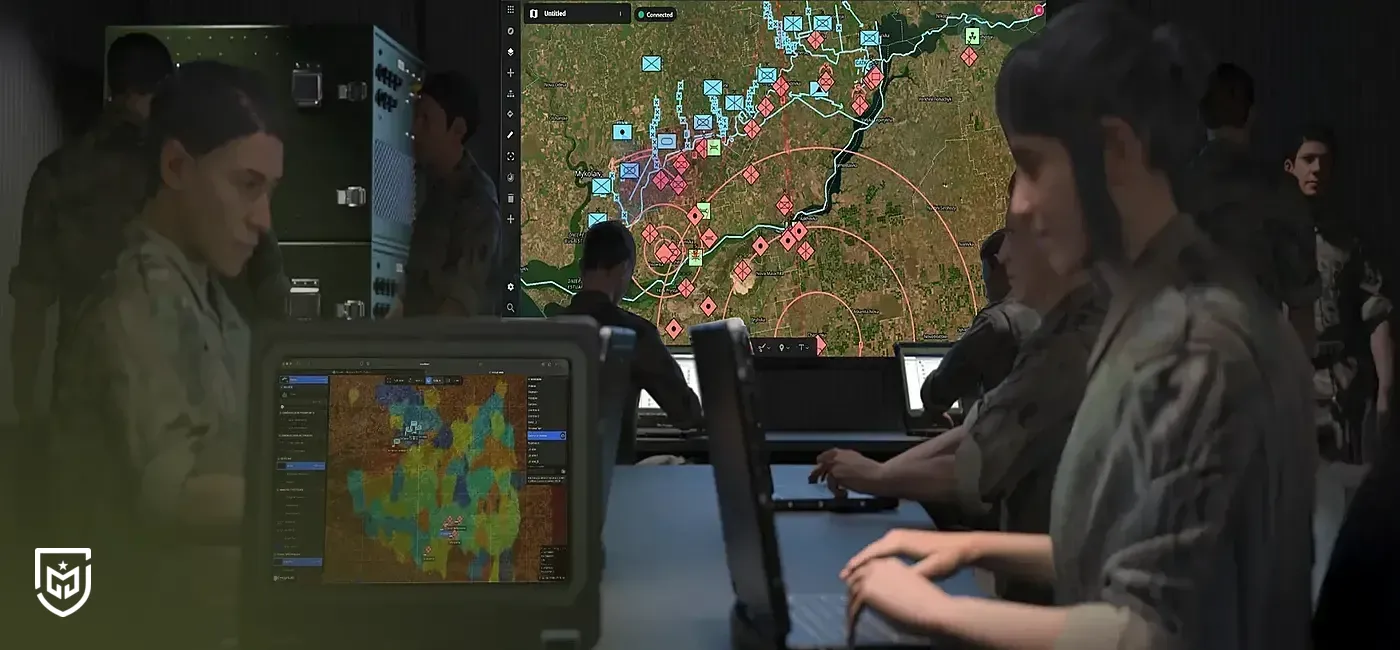
Command and Control Layer
Survivability and Advantages Against Modern Threats
Certain performance parameters such as maximum detection range and simultaneous engagement capacity are not fully disclosed in public sources.
Detailed Technical Specifications
Dimensions and Weight
Configuration-dependent. Available in fixed-site installation and vehicle-mounted variants. Exact weight data is not publicly disclosed.
Radar Performance
Maximum detection range varies by target profile and configuration. Detailed range figures are partially restricted in public documentation.
Electro-Optical Capability
RF Jamming Capabilities
Engagement Process
Electronic Counter-Countermeasures (ECCM)
Designed according to military standards. Detailed ECCM capabilities are not publicly disclosed.
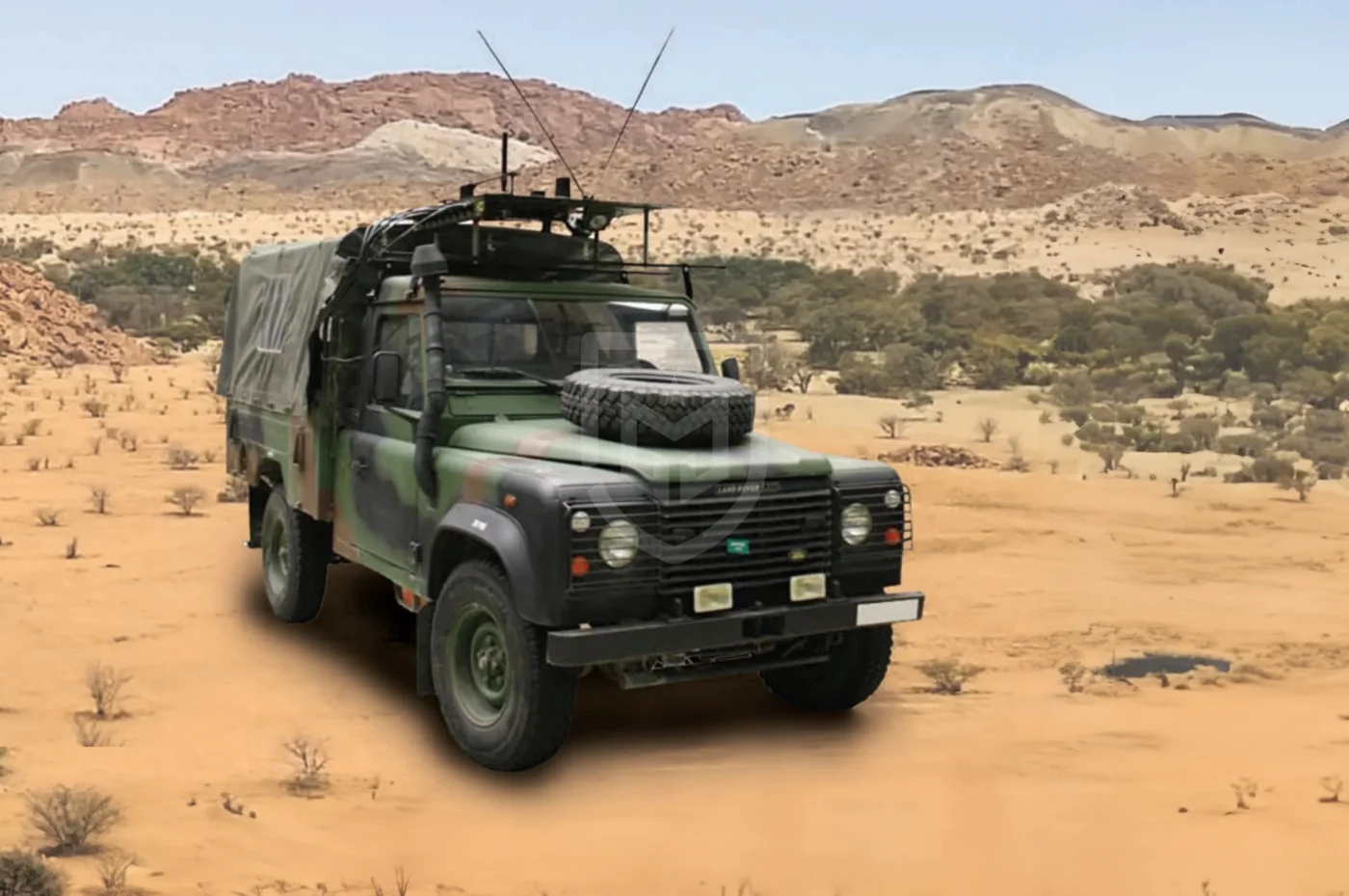
Deployment and Mobility
Personnel and Operation
Designed for minimal operator intervention. Crew size varies by configuration.
Frequently Asked Questions (FAQ)
What is the İHTAR system designed for?
What is the detection range?
Can it counter UAV swarms?
Is the system mobile?
Which frequencies can it jam?
Does it include a laser weapon?
What makes İHTAR different from other C-UAS systems?
Sources




The cookies used on our website are used to provide you with a better user experience and to improve our website. You can manage your cookie preferences from the options below.