

Maritime and Coastal Surveillance Radars


BREAKING NEWS
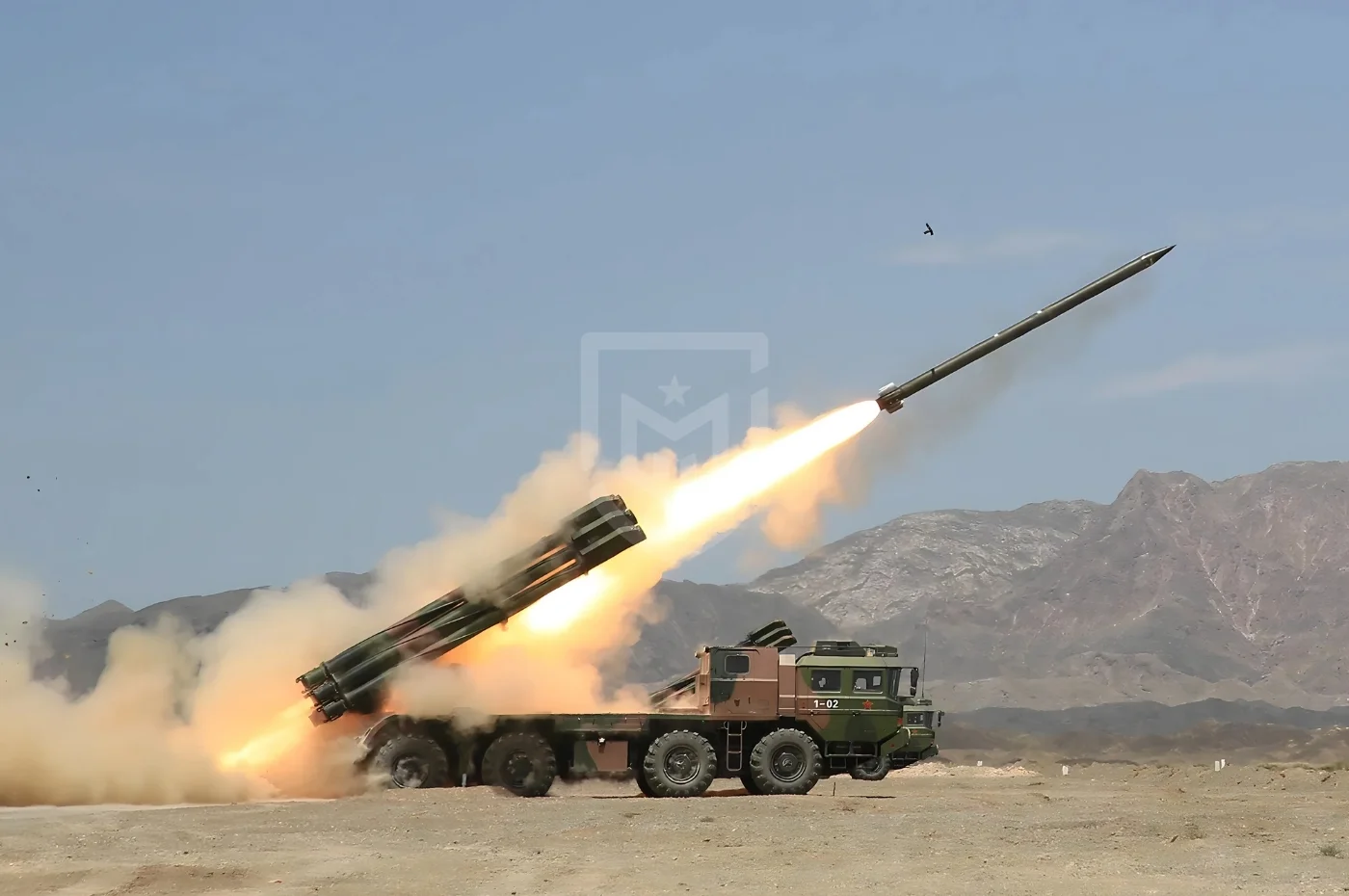
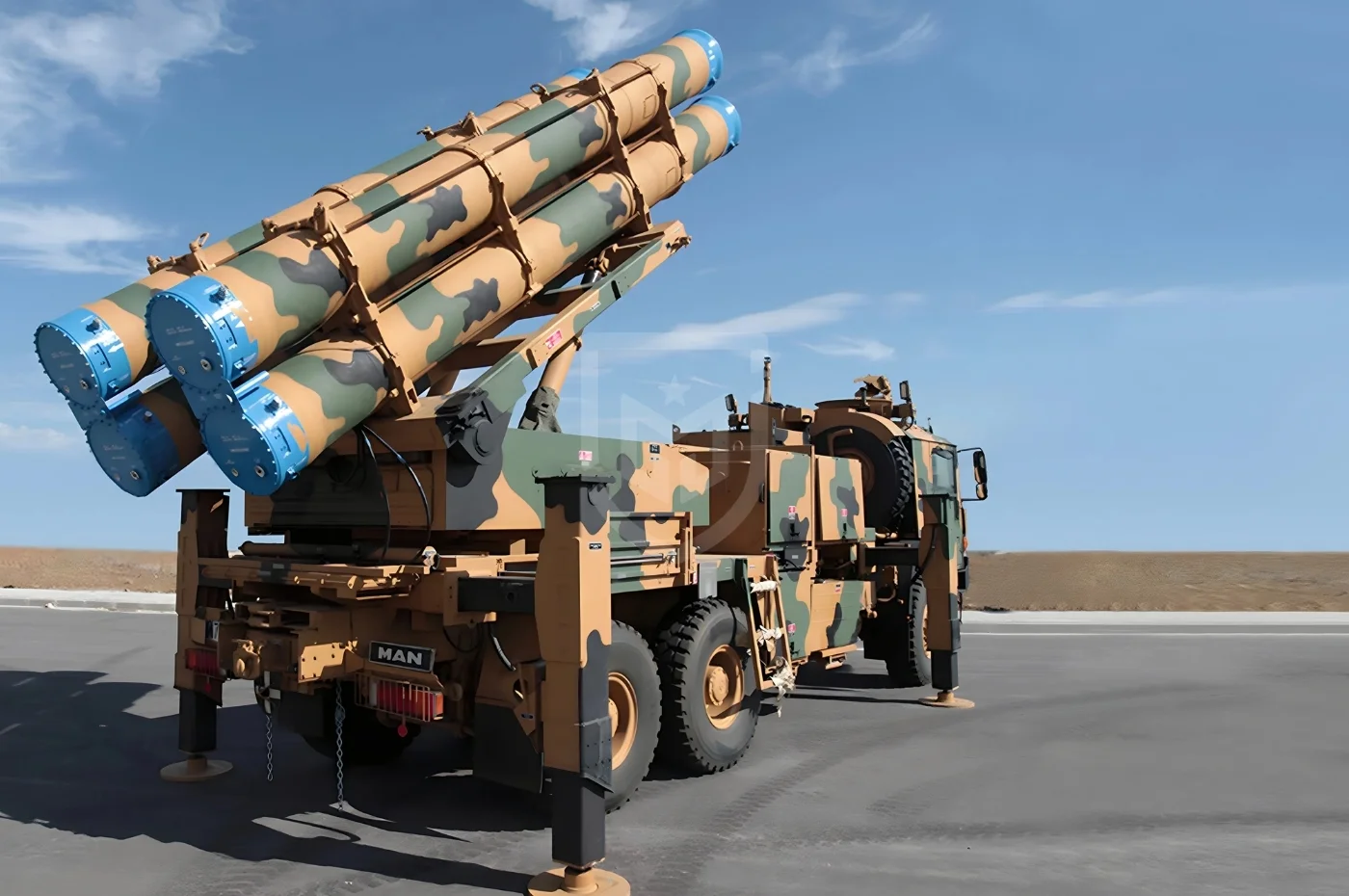
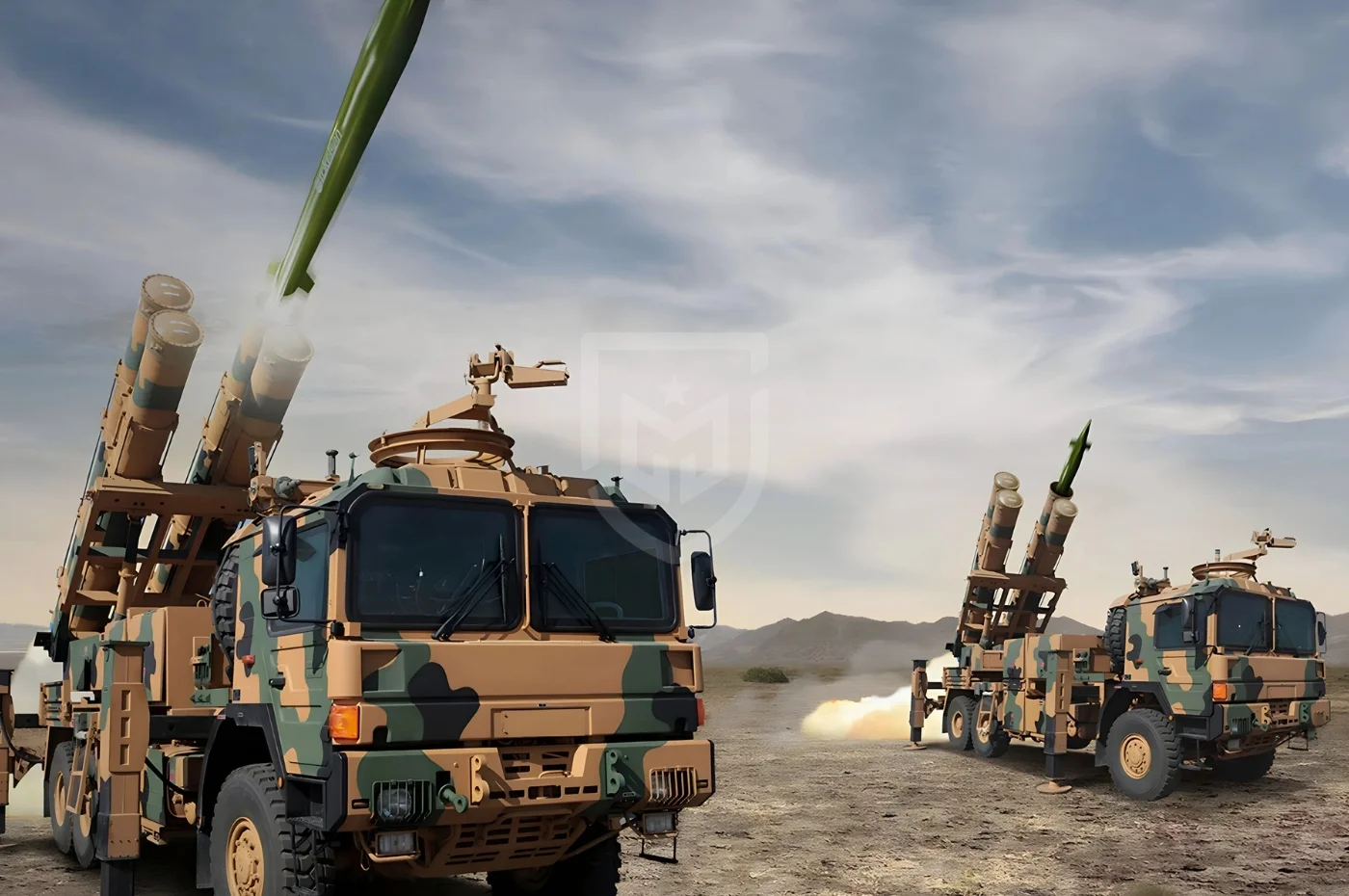
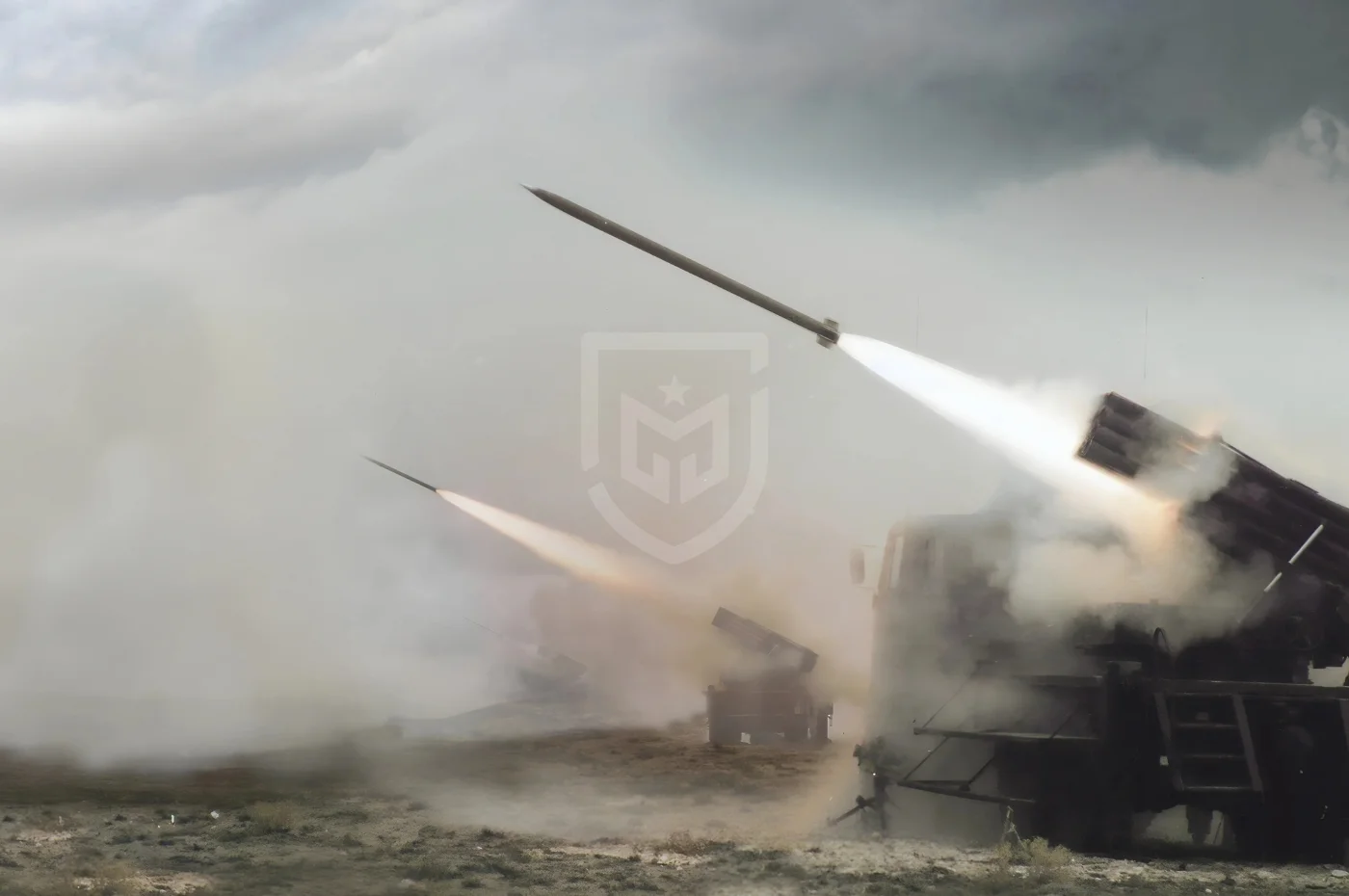
The 107 mm and 122 mm artillery rockets produced by MKE are unguided rocket munitions developed for use in multiple launch rocket systems. They are designed to complement conventional tube artillery by delivering rapid, high-volume firepower over wide target areas. Their primary mission is area suppression rather than precision strike.
Operational Purpose and Role
The 107 mm rocket is lighter and typically employed on more mobile and tactical-level launcher systems. The 122 mm rocket, with greater mass and warhead capacity, is intended for longer-range engagements and broader area effects.
These rockets are used for:
The 122 mm class is commonly associated with battalion- or brigade-level fire support units.
Doctrine and Concept of Use
Multiple launch rocket systems operate on the principle of delivering a high number of rockets within a short time frame to saturate a designated area. Accuracy is secondary to volume of fire. The 122 mm rockets are dimensionally compatible with legacy 122 mm launcher standards derived from the BM-21 Grad concept.
The standard firing cycle includes:
System Architecture and Integration
These rockets are munitions rather than standalone systems. They integrate with:
They do not contain onboard guidance or sensor systems.
Survivability Concept
The rockets themselves do not include active protection. Survivability is achieved at the platform level through rapid displacement tactics after firing. Shoot-and-scoot doctrine reduces vulnerability to counter-battery radar and return fire.
Accuracy and Reaction Time
The rockets are unguided and follow a ballistic trajectory. Accuracy depends on meteorological inputs, fire control calibration, and launcher alignment. Circular error probable values are not publicly disclosed.
Reaction time from a prepared firing position is typically measured in minutes, depending on the launcher system.
Advantages and Limitations in Modern Warfare
Advantages:
Limitations:
Variants
Publicly available configurations include:
No publicly confirmed guided variants exist under the standard MKE 107 mm and 122 mm product line.
Detailed Technical Information
Dimensions and Weight
107 mm Rocket
122 mm Rocket
Total length data is not publicly disclosed in official technical documentation.
Propulsion System
The 122 mm rocket uses double-base solid propellant composed primarily of nitrocellulose and nitroglycerin-based compounds. This configuration provides stable combustion characteristics and efficient thrust generation.
The specific propellant composition of the 107 mm variant is not publicly detailed.
Performance
Precise range values for MKE-produced rockets are not officially disclosed. Conventional 122 mm unguided rockets globally typically achieve ranges between 20–40 km, depending on configuration. The exact performance figures for MKE variants should be verified through official documentation.
Speed, flight time, and thrust characteristics are not publicly available.
Guidance
Warhead
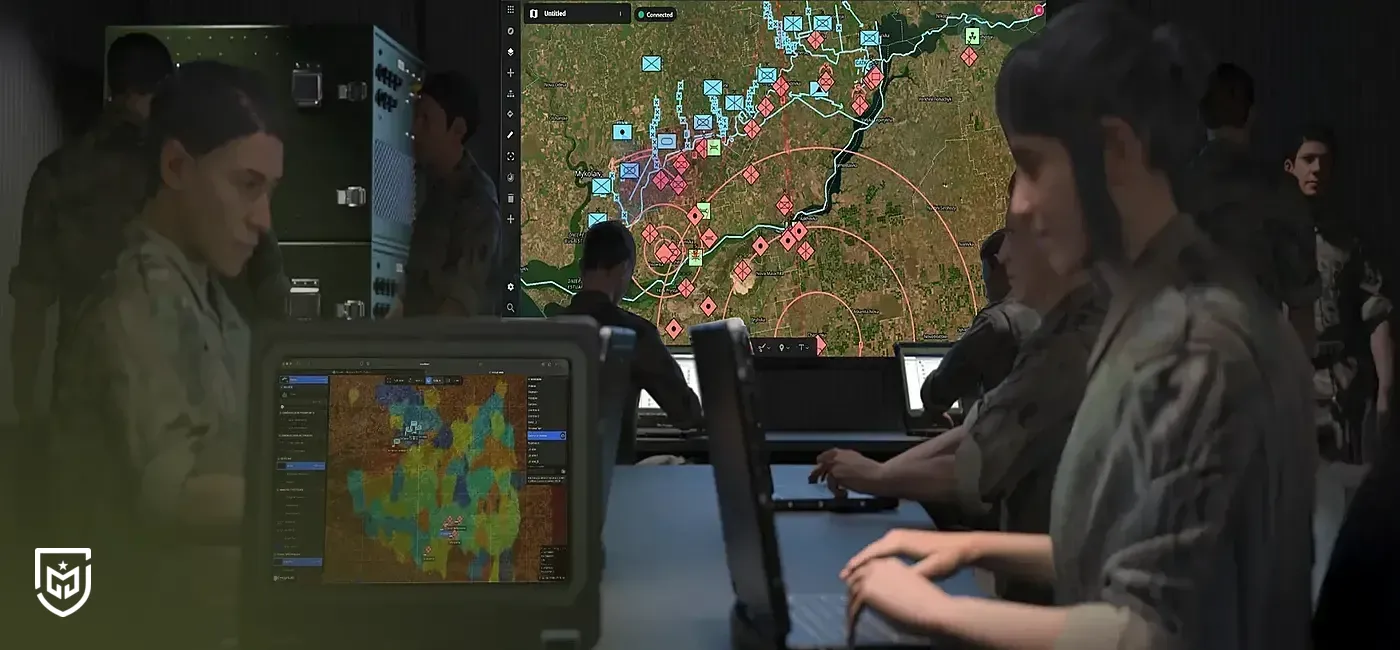
Command and Control
The rocket itself contains no onboard C2 systems. It operates under the fire control and command network of the launcher platform.
Electronic Warfare Considerations
As an unguided system, it is not dependent on GPS or data links and is therefore inherently immune to GNSS jamming. However, the launcher platform’s electronic systems may be vulnerable depending on configuration.
Logistics and Deployment
Frequently Asked Questions
What is the range of the MKE 122 mm rocket?
Are these rockets guided?
What targets are they effective against?
How much does the 122 mm warhead weigh?
What is the difference between 107 mm and 122 mm rockets?
Are unguided rockets still relevant in modern warfare?
Sources




The cookies used on our website are used to provide you with a better user experience and to improve our website. You can manage your cookie preferences from the options below.