



Early Warning and Air Search Radars


BREAKING NEWS
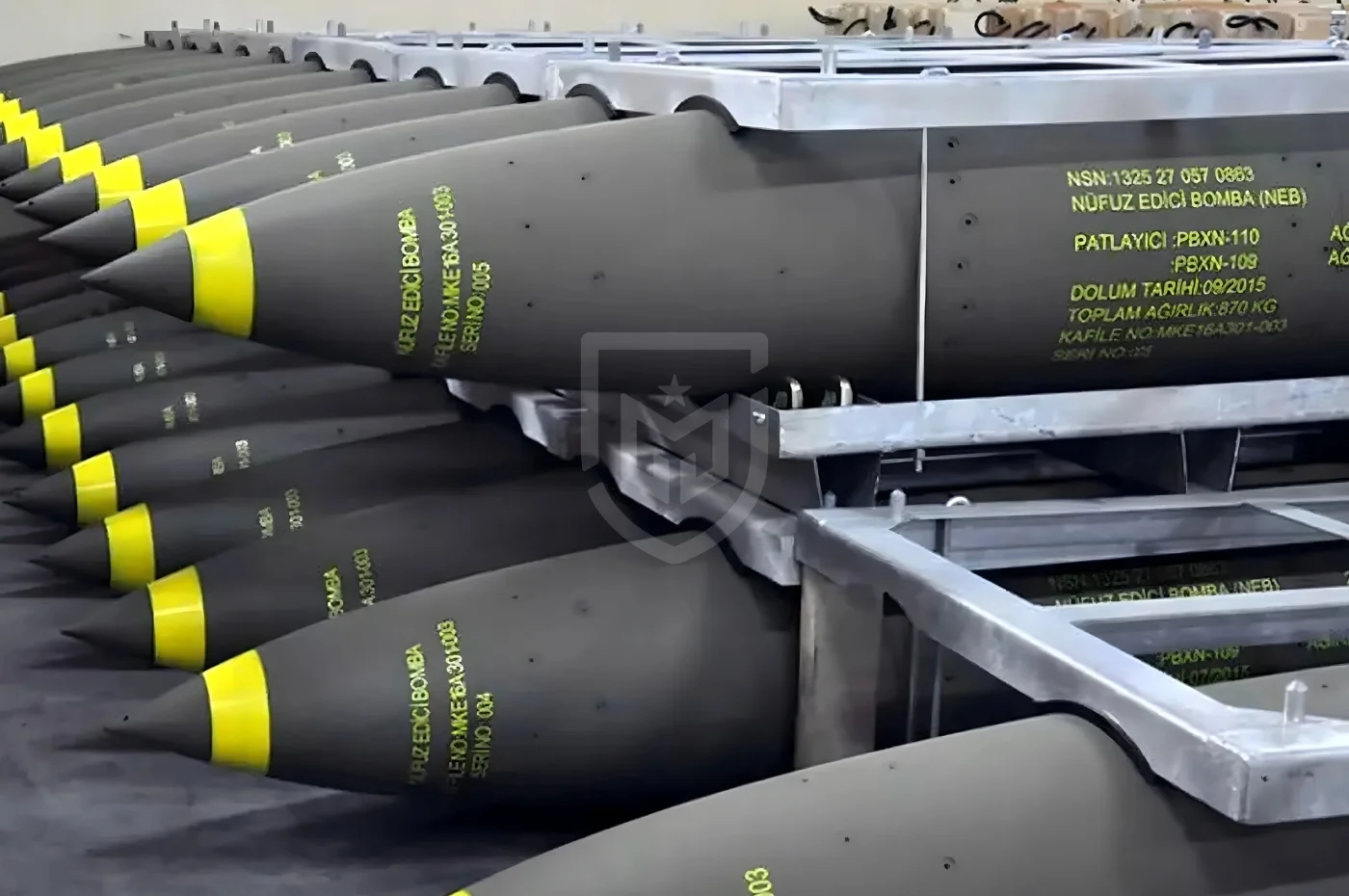
The NEB is engineered to deliver enhanced penetration performance against hardened, semi-buried, and reinforced concrete structures. Unlike standard general-purpose bombs that rely primarily on blast and fragmentation, NEB is optimized for deep structural penetration followed by internal detonation, causing catastrophic structural collapse.
Operational Role and Mission Profile
NEB is intended for use in precision strike missions targeting:
Its primary function is to penetrate reinforced concrete before detonation, maximizing internal damage rather than surface-level blast effects.
Doctrine and Concept of Employment
Modern air warfare distinguishes between:
NEB is specifically designed for the second doctrine. It is optimized to maintain high penetration effectiveness even at relatively low impact velocities and shallow impact angles. This feature enhances tactical flexibility, particularly during low-altitude strike profiles.
Programmable fuzing allows mission-specific configuration:
This flexibility makes NEB suitable for various hardened target sets.
Warhead Architecture
NEB incorporates a Sequential Penetrator Warhead design, consisting of:
Publicly available data indicates penetration capability of at least:
Performance against higher-strength concrete remains undisclosed.
Platform and Guidance Integration
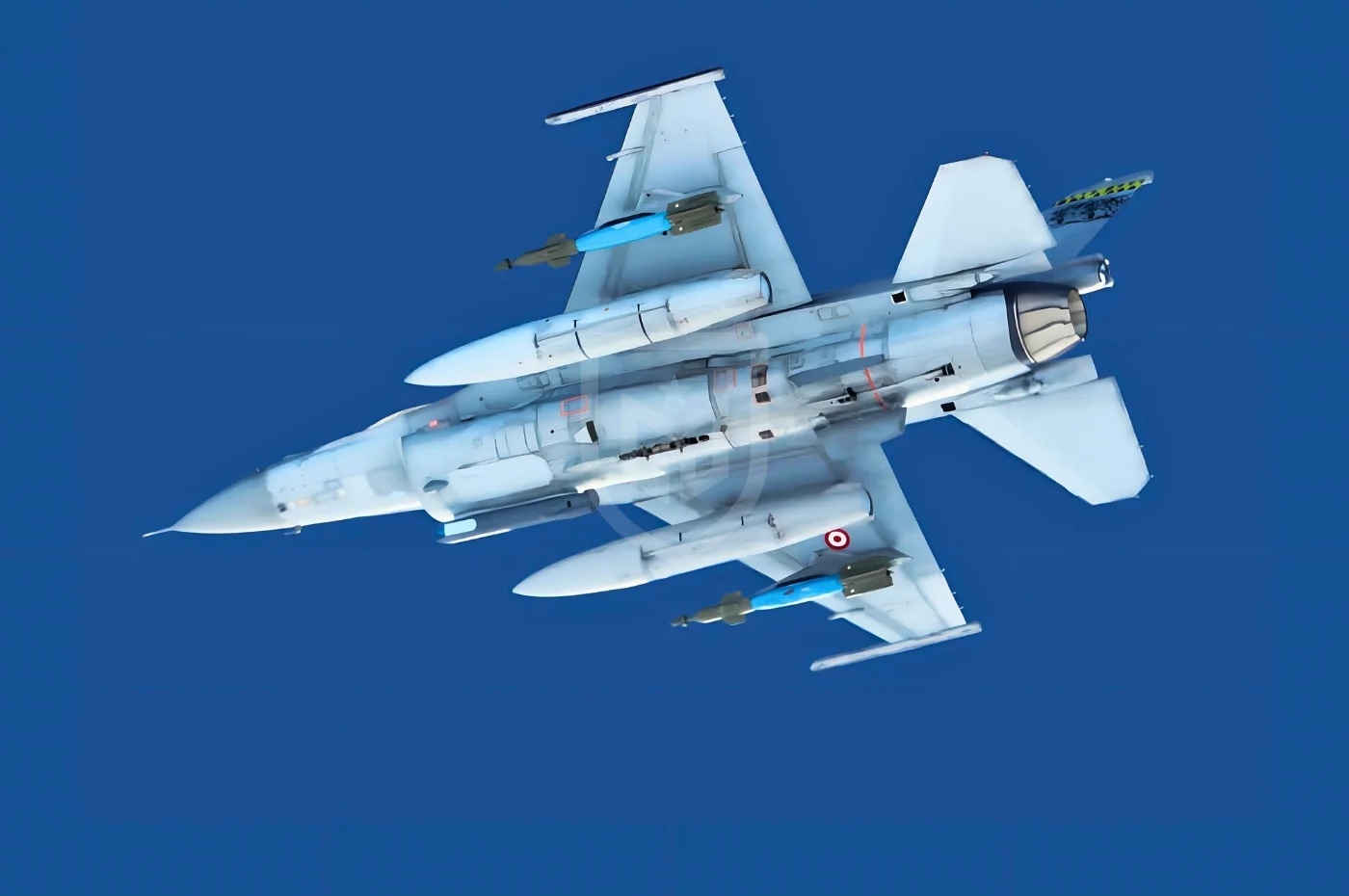
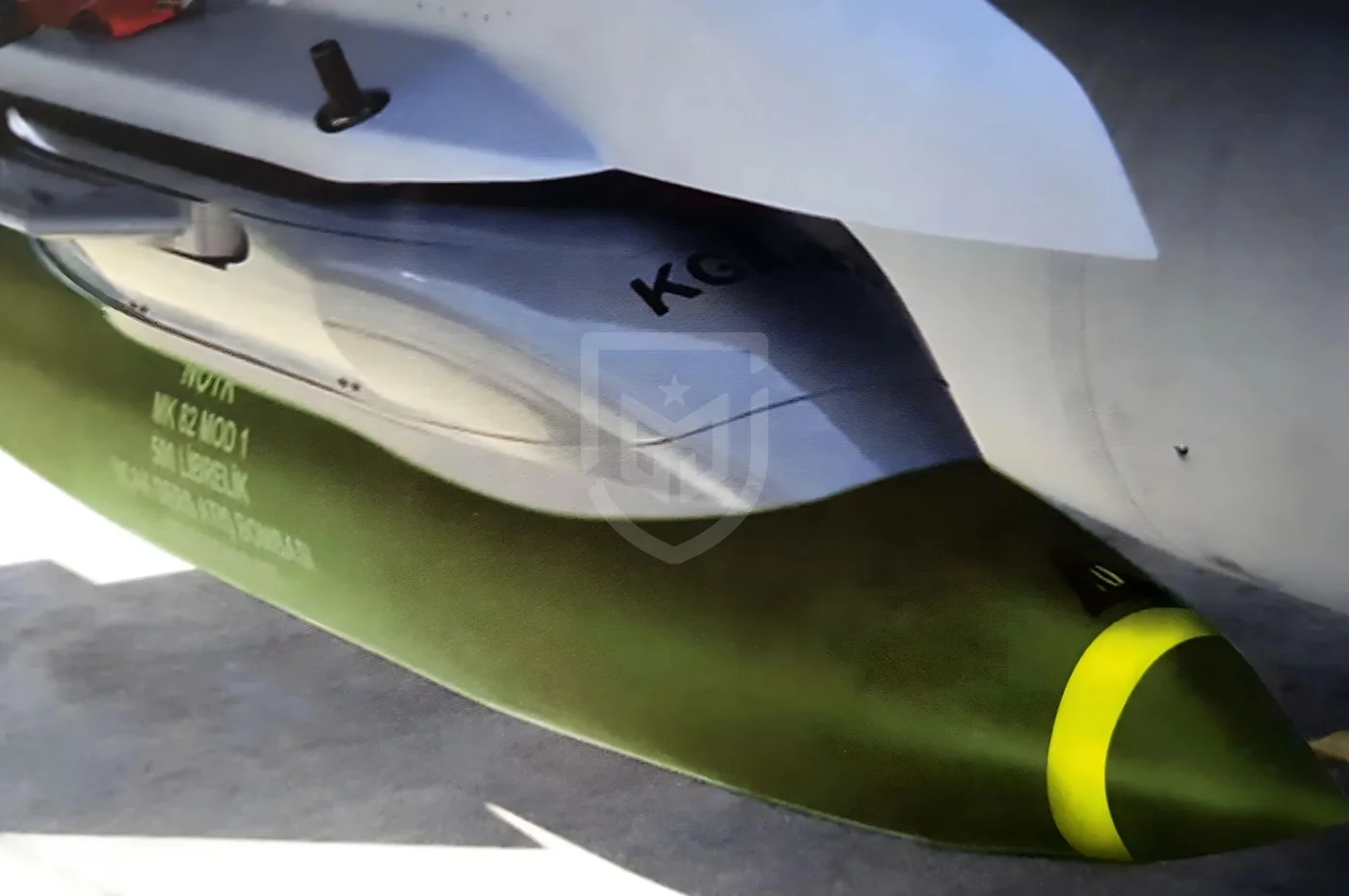
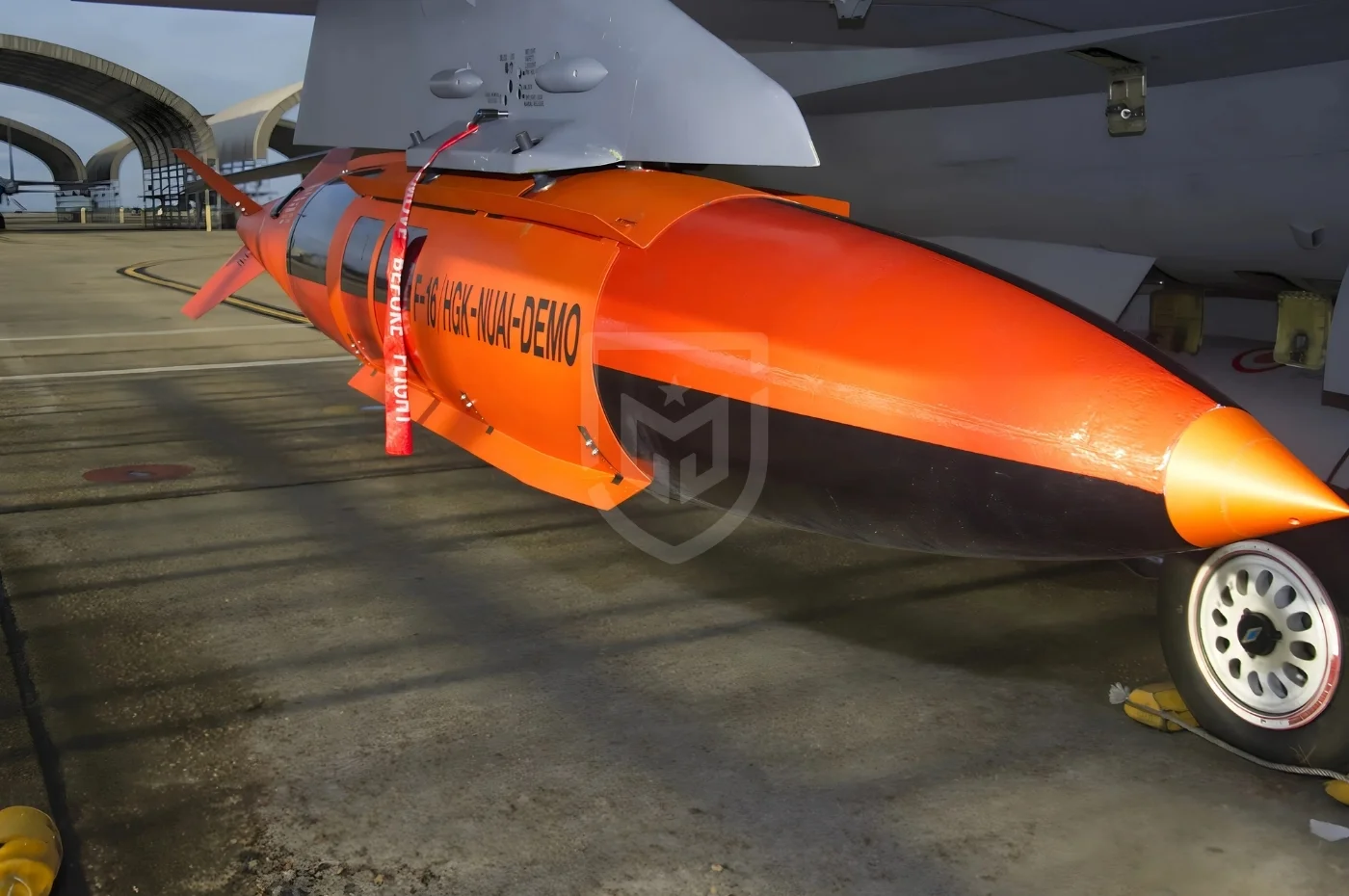
NEB follows the MK-84 (2000 lb) bomb geometry, ensuring compatibility with existing guidance kits, including:
Certified platforms (publicly disclosed):
It is designed to be deployable from aircraft certified for MK-84 class munitions.
Advantages Against Modern Threats
Limitations
Detailed Technical Specifications
Dimensions and Weight
Warhead and Fuze
Exact explosive composition is not publicly disclosed.
Penetration Performance
Guidance and Accuracy
NEB itself is unguided but becomes precision-guided when integrated with:
Circular Error Probable (CEP) depends on the selected guidance kit and release parameters.
Aircraft Compatibility
Logistics and Deployment
Compatible with NATO-standard 2000 lb munition handling, storage, and suspension systems. Specific storage classification details are not publicly available.
What is NEB used for?
How deep can NEB penetrate?
Is NEB guided?
What aircraft can carry NEB?
What makes NEB different from MK-84?
Is NEB NATO compatible?
What types of targets can it defeat?
Sources




The cookies used on our website are used to provide you with a better user experience and to improve our website. You can manage your cookie preferences from the options below.