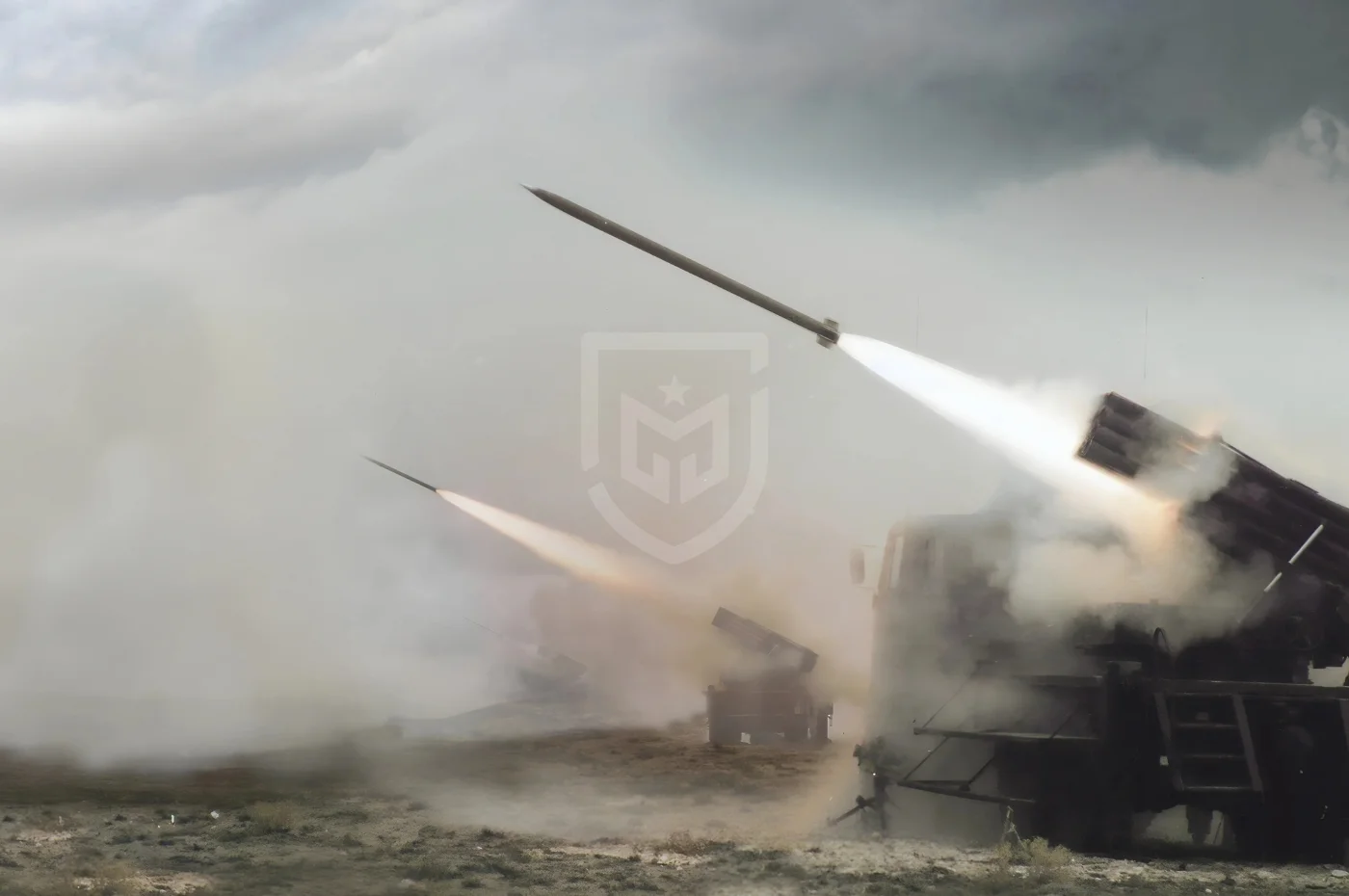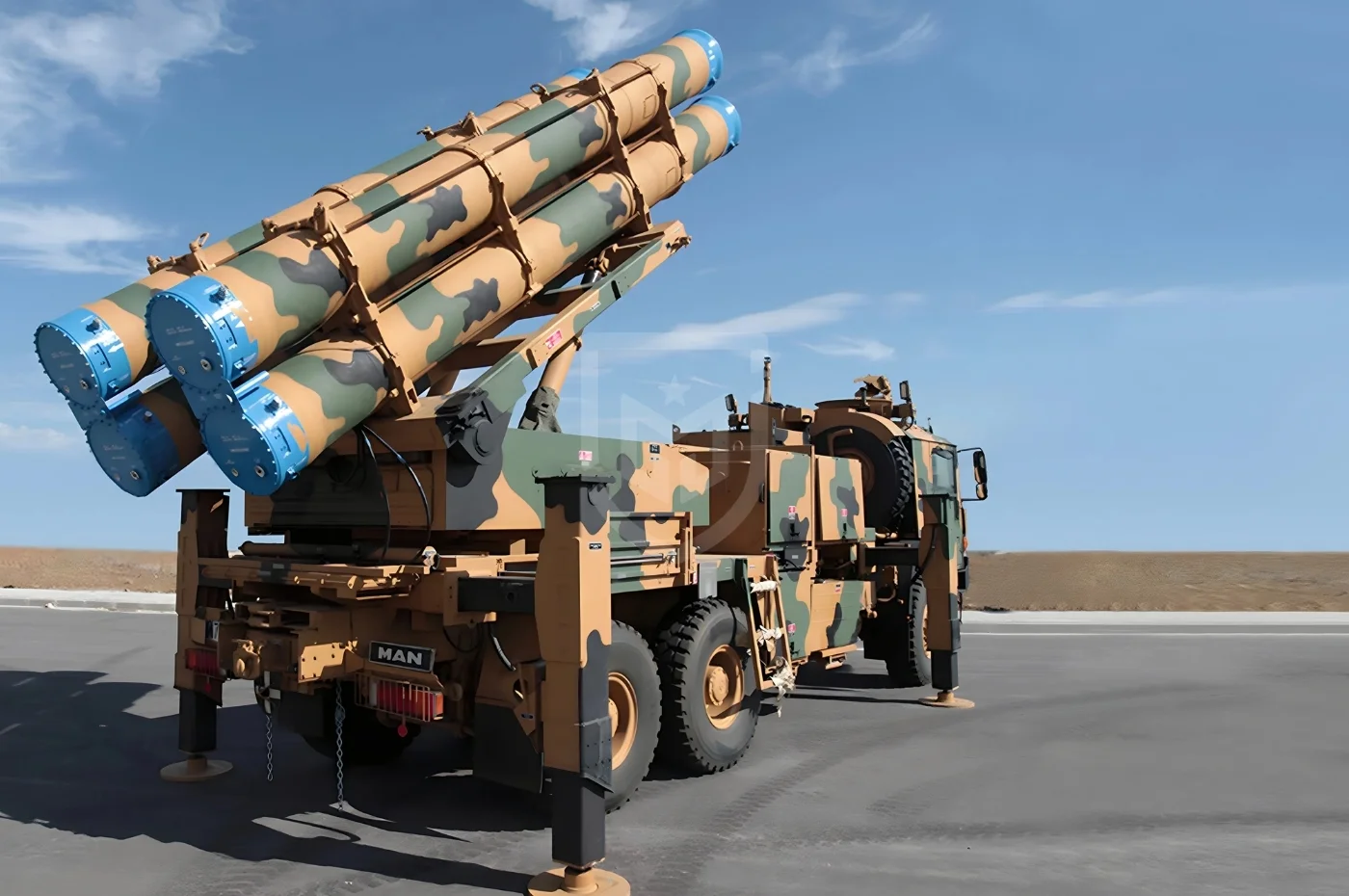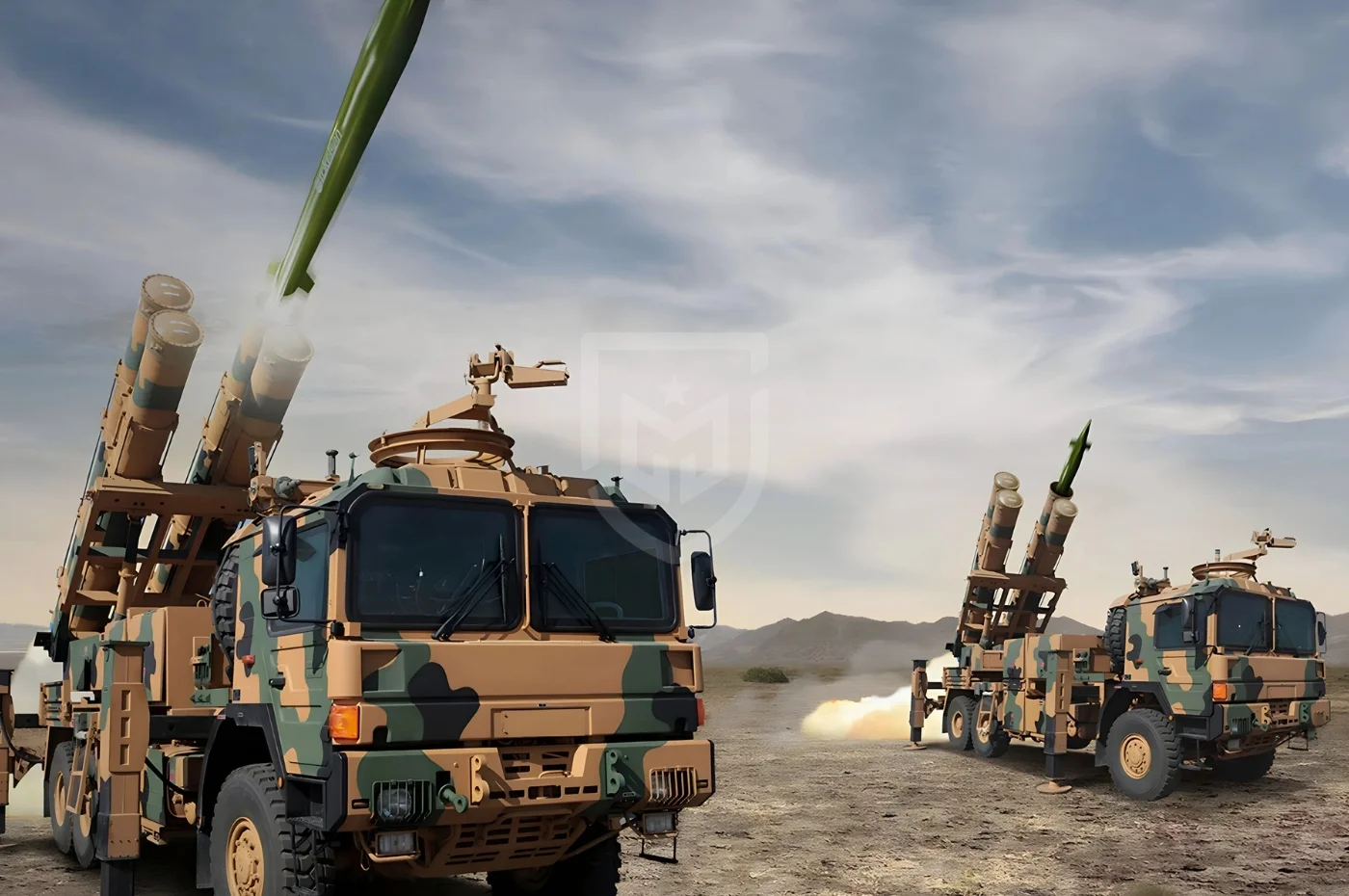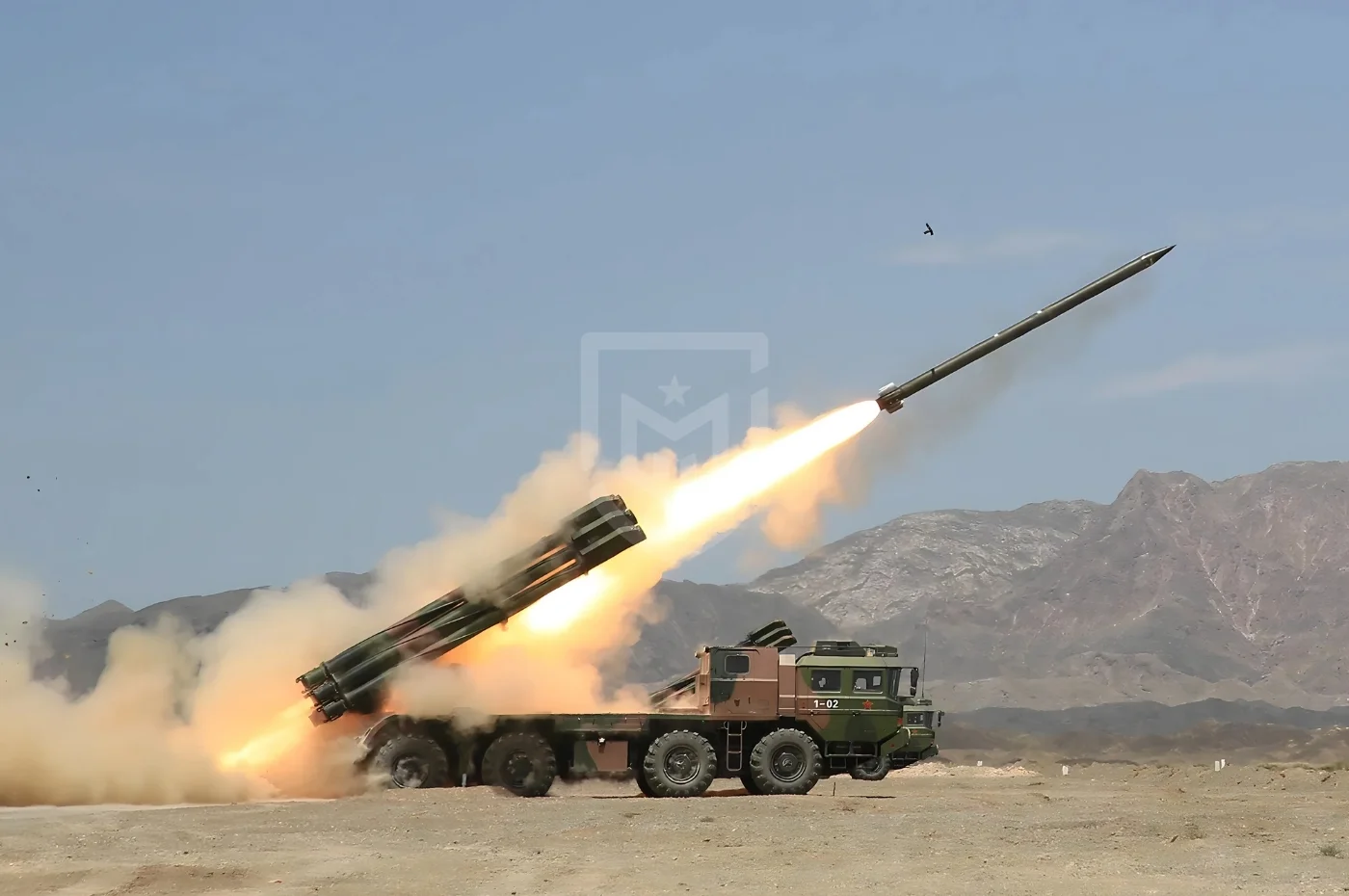
The T-107/122 MLRS is designed to generate rapid, high-density rocket fire against area targets. Unlike conventional tube artillery, it emphasizes saturation firepower within a short timeframe, making it particularly effective in suppressing enemy formations, logistics hubs, artillery positions, and air defense assets.
Operational Role and Mission Profile
The system operates primarily at brigade and corps levels, providing indirect fire support during offensive and defensive operations. Key mission sets include:
- Area suppression and neutralization
- Counter-battery fire
- Disruption of enemy troop concentrations
- Deep tactical strike against logistics and support elements
- Fire preparation before maneuver assaults
The 107 mm configuration is optimized for short-range, high-volume area fire, while the 122 mm configuration offers extended range and higher warhead effectiveness.
Doctrine and Employment Concept
A standard T-107/122 battery may consist of:
- 1 × C-107/122 Command and Control Vehicle
- 6 × T-107/122 Launch Vehicles
- 6 × L-107/122 Ammunition Resupply Vehicles
- 1 × M-107/122 Meteorological Vehicle
- 1 × R-107/122 Maintenance and Repair Vehicle
This modular organization enables autonomous operations, including target acquisition integration, ballistic computation, fire execution, and logistics sustainment.
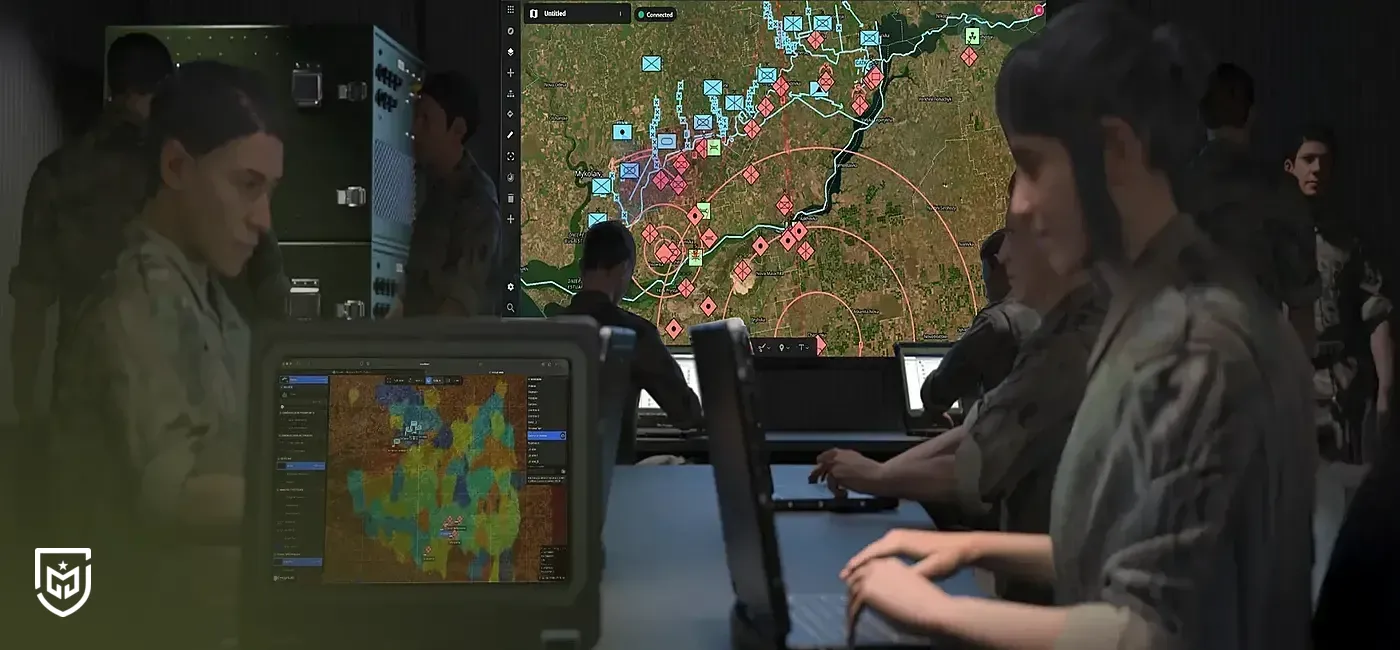
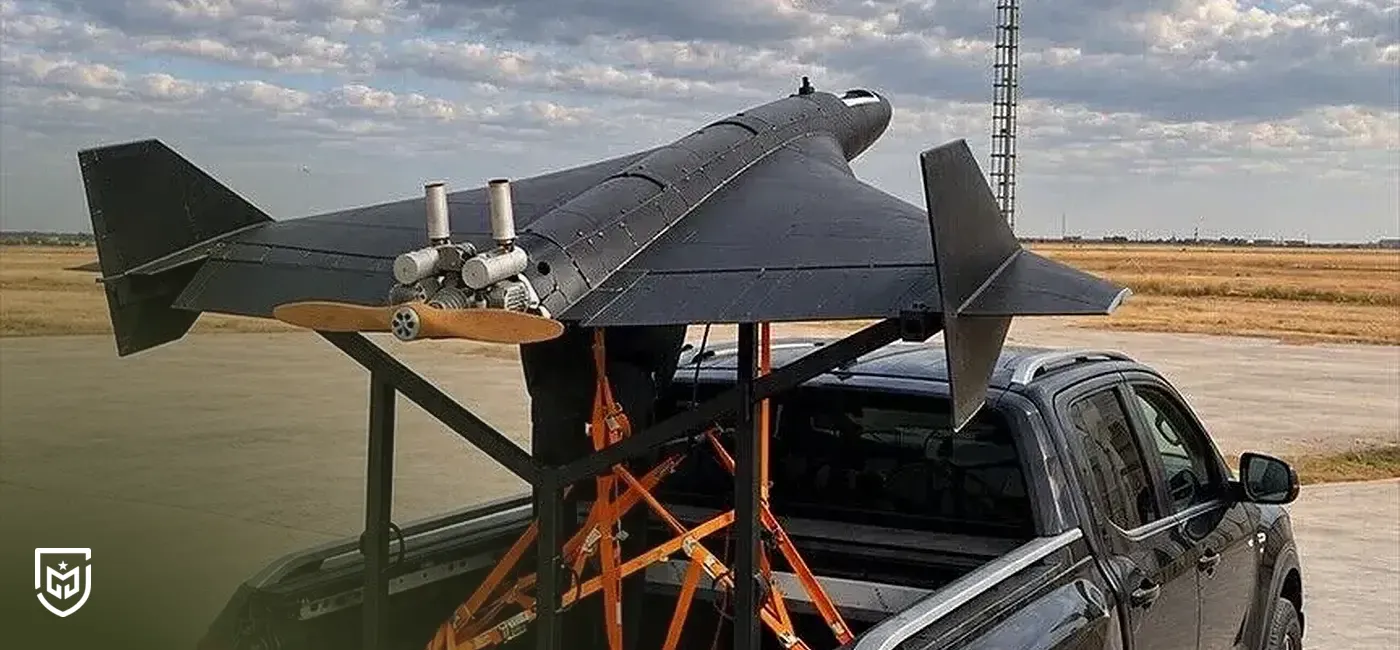
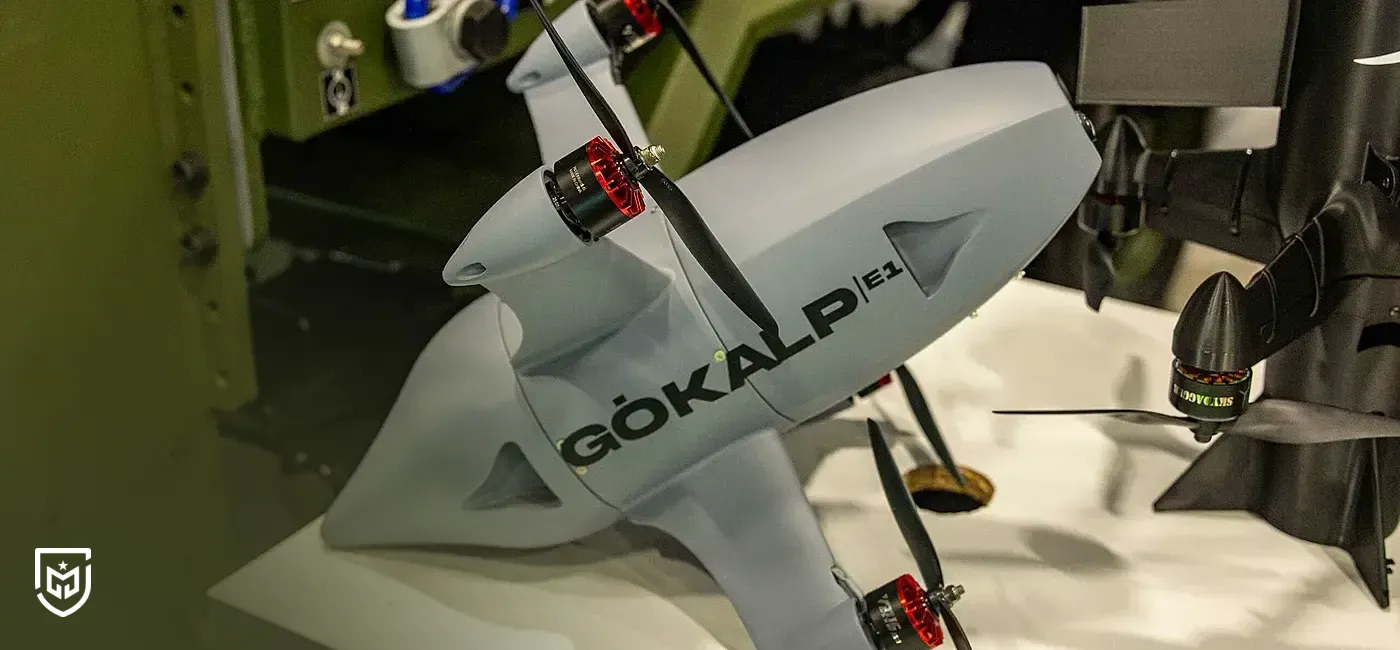
The system can receive targeting data from UAVs, counter-battery radars, or forward observers, allowing integration into modern digital fire support networks.
System Architecture
The architecture consists of four primary layers:
Sensor and Targeting Layer
- External systems such as UAVs and target acquisition radars provide coordinates.
Command and Control Layer
- The C-107/122 vehicle processes target data and calculates firing solutions using meteorological inputs.
Launch Layer
- The launcher is mounted on 4x4 or 6x6 tactical wheeled vehicles, equipped with hydraulic stabilization systems.
Logistics Layer
- Dedicated resupply vehicles with onboard cranes enable rapid reload operations.
Accuracy and Engagement Process
The system integrates:
- INS (Inertial Navigation System)
- GNSS (Global Navigation Satellite System)
- Ground-based meteorological measurement systems
Salvo intervals can be set between 0.5 and 2 seconds. Unguided rockets rely on ballistic accuracy, while guided 122 mm rockets such as TRG-122 and TRLG-122 significantly improve precision depending on configuration.
Survivability
- Deployment in under 5 minutes
- Shoot-and-scoot capability
- Optional armored cabin
- Optional overpressure NBC protection system
These features enhance survivability against counter-battery threats.
Advantages and Limitations
Advantages:
- High fire volume
- Modular ammunition options
- Integration with digital fire control systems
- Rapid mobility
Limitations:
- Lower precision in unguided rocket variants
- High ammunition expenditure rate
- Not designed for air defense roles
The 122 mm configuration shares operational similarities with the T-122 Sakarya system.
Detailed Technical Specifications
Caliber and Launcher Configuration
- 107 mm: 3 × 20 tube configuration
- 122 mm: 1 × 20 tube configuration
- Compatible rockets: TR-107, TR-122, TRB-122, TRG-122, TRLG-122
Range
- 107 mm rockets: approximately 3–11 km (depending on variant)
- 122 mm rockets: 16–40 km (depending on variant)
Firing Characteristics
- Adjustable salvo interval: 0.5–2 seconds
- Rapid full launcher discharge capability
Navigation and Fire Control
- INS + GNSS
- Automatic laying system
- Four hydraulic stabilizers
Carrier Platform
- 4x4 or 6x6 tactical wheeled vehicle
- Diesel-powered military truck chassis
- Optional armored cabin
Communications
- Wired communication
- Voice radio
- Digital data link
- Integration with fire support automation systems
Deployment Time
- Less than 5 minutes to emplace
Crew
- Exact crew size is not publicly disclosed
Frequently Asked Questions
What is the T-107/122 MLRS used for?
- It is used for area suppression, counter-battery missions, and deep tactical fire support. The system is optimized for delivering large volumes of rockets in a short time.
What is its maximum range?
- Depending on rocket type, it can reach up to 40 km.
What targets is it effective against?
- It is effective against troop concentrations, light armored vehicles, logistics hubs, artillery batteries, and radar installations.
How many rockets can it fire at once?
- The 107 mm configuration carries up to 60 tubes (3x20), while the 122 mm configuration carries 20 tubes. All rockets can be fired in rapid succession.
Is it mobile?
- Yes. It is fully mobile and mounted on tactical wheeled vehicles with rapid displacement capability.
Can it use guided rockets?
- Yes. The 122 mm family includes guided variants such as TRG-122 and TRLG-122, which significantly enhance precision.
What are its international counterparts?
- Comparable systems include various 122 mm MLRS platforms derived from the Soviet BM-21 class. The T-107/122 distinguishes itself with modern digital fire control and modular integration capabilities.
Sources
- Roketsan official product documentation
- Roketsan public catalogs and exhibition materials
- Open-source defense industry analysis publications
- Publicly available technical brochures