Maritime and Coastal Surveillance Radars


BREAKING NEWS
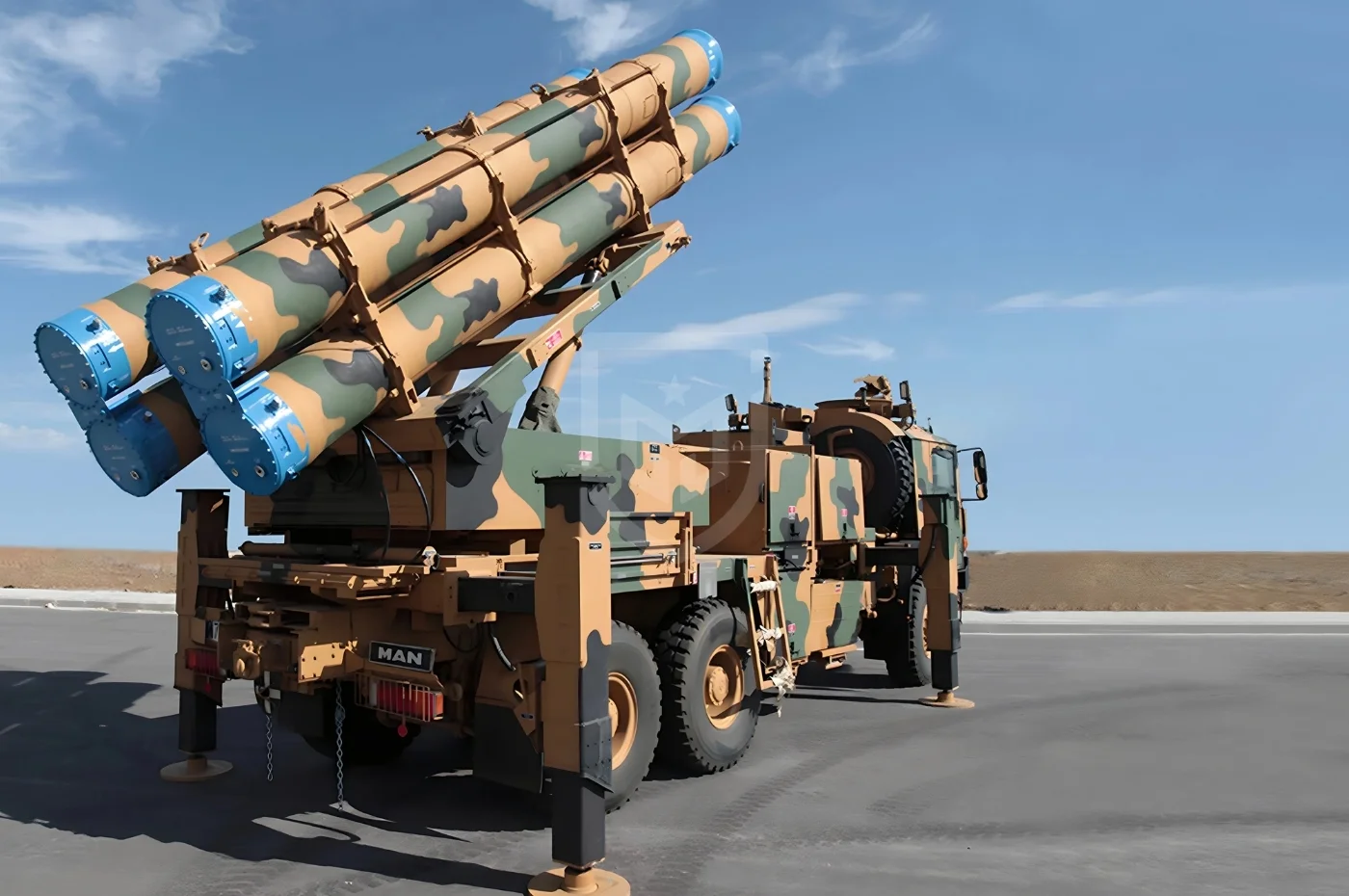
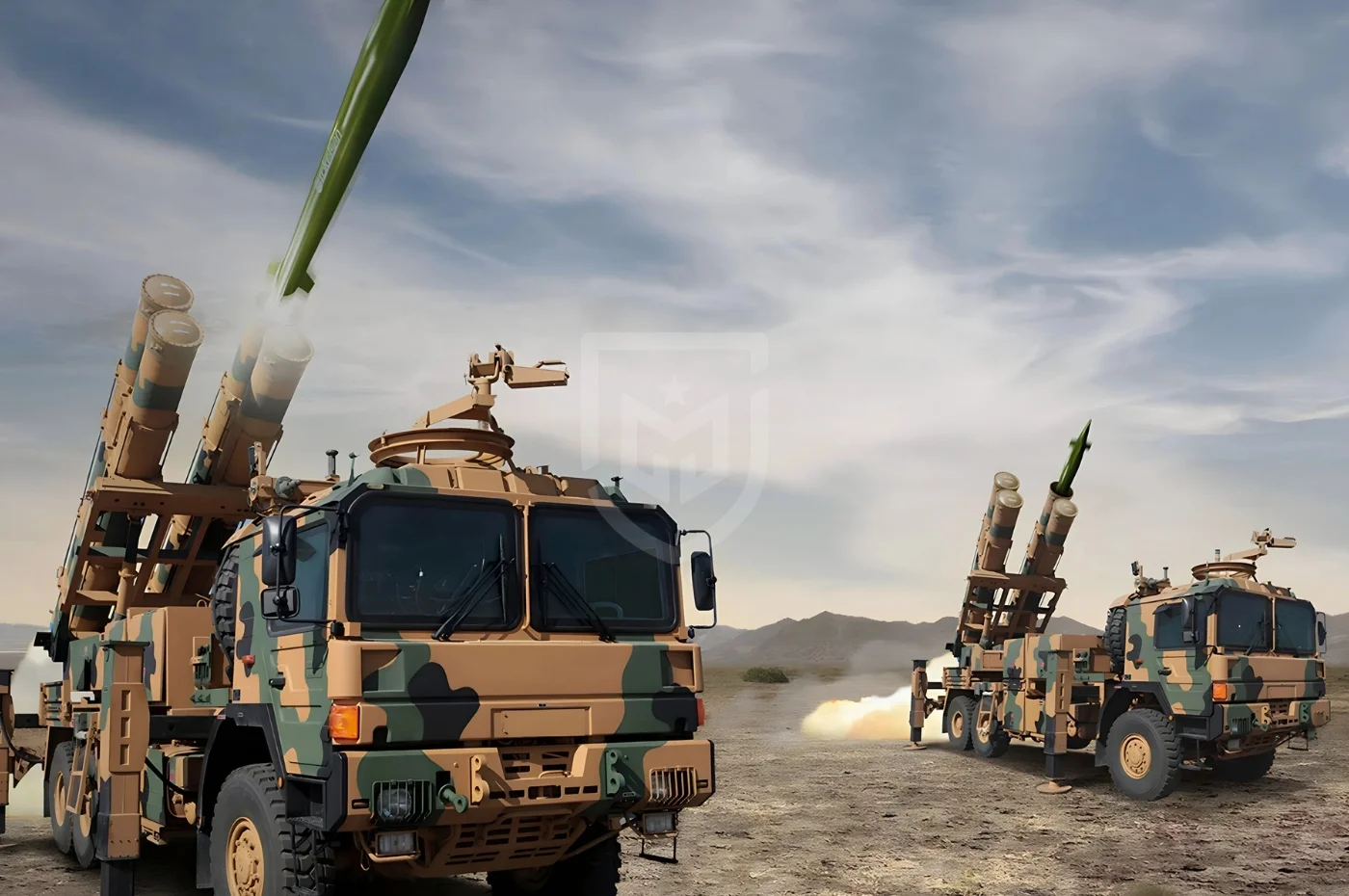
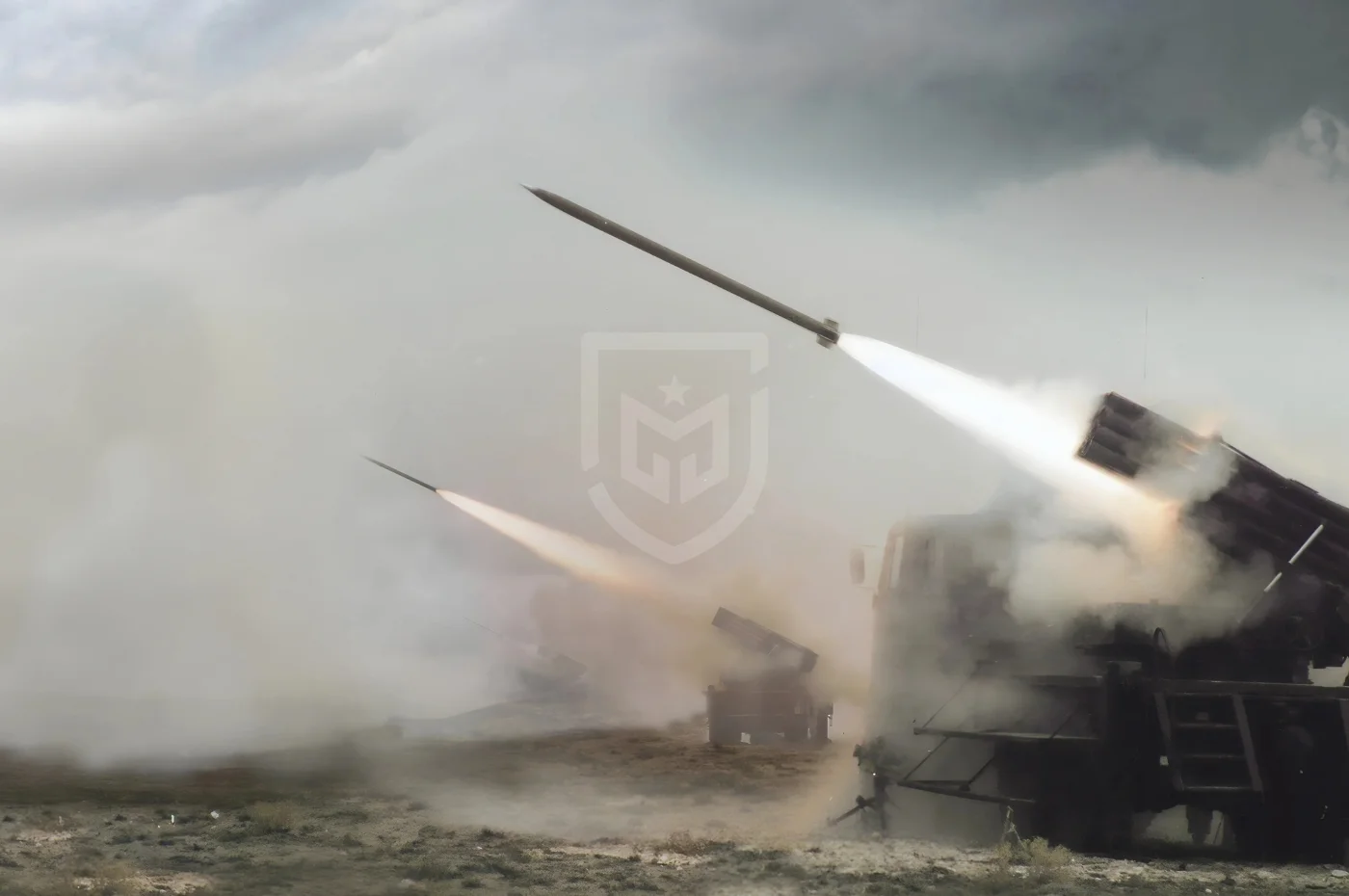
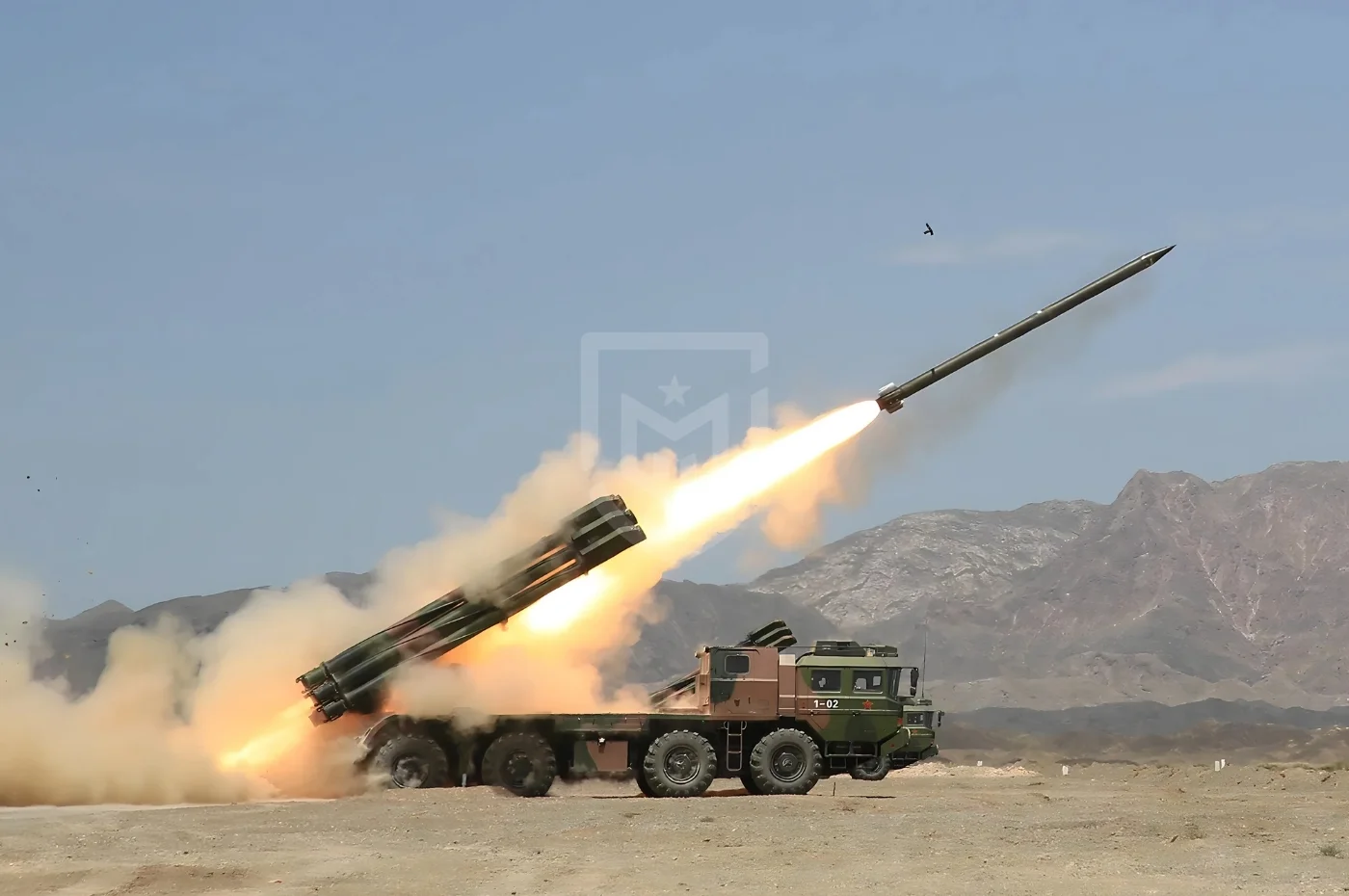
The T-300 MLRS is designed to provide operational-level firepower beyond conventional tube artillery range. It is capable of delivering high-intensity saturation fire as well as precision strikes against high-value targets deep in enemy territory.
Operational Purpose and Role
The primary mission of the T-300 is to suppress, neutralize, or destroy:
The system is employed at brigade or corps level to generate deep fires that shape the battlefield prior to maneuver operations.
Doctrine and Concept of Employment
The T-300 operates under a shoot-and-scoot doctrine. After receiving target coordinates from UAVs, counter-battery radars, or forward observers, the system can rapidly compute firing solutions and launch rockets within minutes.
Following launch, the vehicle quickly relocates to avoid counter-battery fire and detection. This mobility-based survivability concept is essential in modern high-intensity conflict environments.
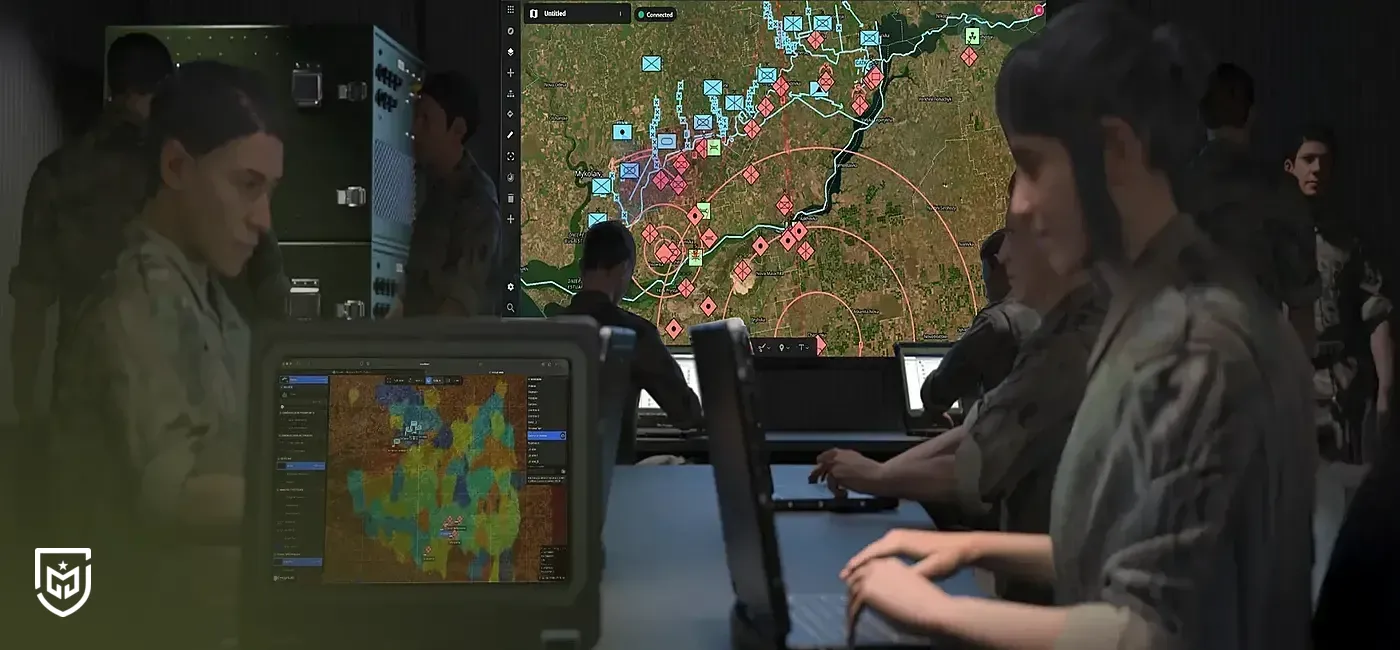
The system is integrated into network-centric warfare structures, allowing real-time targeting data exchange with higher command echelons.
System Architecture
The launcher is mounted on a heavy 8x8 tactical wheeled chassis. Hydraulic stabilizers secure the platform during firing. The automatic laying system digitally controls azimuth and elevation adjustments.
The command vehicle integrates fire support automation systems and processes battlefield data to generate accurate firing parameters.
Sensor and Network Integration
The T-300 does not rely on onboard target acquisition sensors; instead, it operates within a broader sensor network including:
The meteorological subsystem measures atmospheric conditions to improve ballistic accuracy.
Survivability and Protection
These features increase survivability against counter-battery radars and precision-guided munitions.
Advantages and Limitations
Advantages:
Limitations:
Variants and Compatible Munitions
The T-300 platform is optimized for 300 mm rockets, primarily:
The 610 mm BORA tactical ballistic missile system is operated from a different dedicated launcher platform and is not the same as the T-300 launcher.
Detailed Technical Information
Rocket Caliber
Range
Launcher Configuration
Guidance and Fire Control
TRG-300 rockets utilize:
The digital fire control system automatically calculates ballistic solutions.
Stabilization and Laying System
Command, Control and Communications
Deployment and Reaction Time
Crew
Frequently Asked Questions
What is the T-300 MLRS used for?
What is its maximum range?
How many rockets can it fire at once?
Does it have precision guidance?
Is it mobile or fixed?
What are its equivalents?
Comparable systems include:
The T-300 stands out in the 300 mm class for combining long range and guided precision capability.
Sources




The cookies used on our website are used to provide you with a better user experience and to improve our website. You can manage your cookie preferences from the options below.