


Naval Forces News
Weapons and Ammunition


BREAKING NEWS
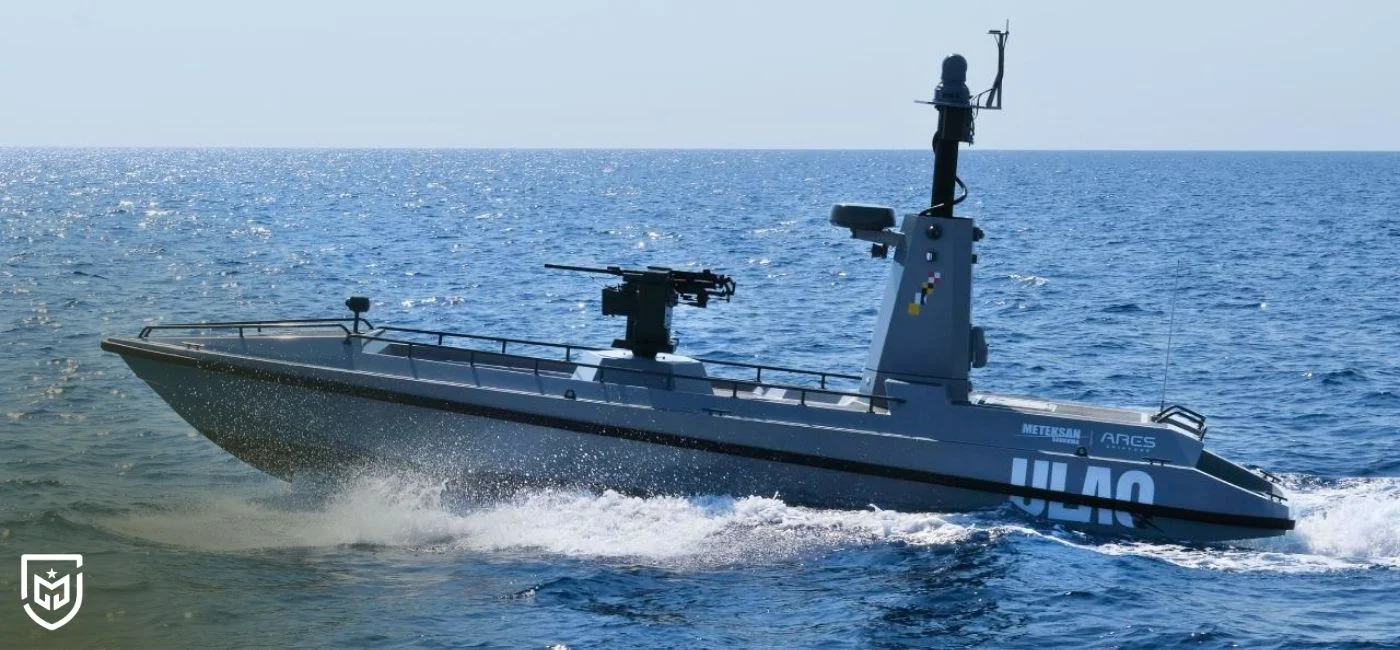
Türkiye is transferring its globally recognized success in unmanned systems to the maritime domain, opening a new chapter in its defense industry. Armed unmanned surface vehicles (USVs) are increasingly viewed as critical “force multipliers” for protecting national interests at sea, and the ULAQ USV has emerged as one of the most prominent examples of this capability. The delivery of the ULAQ platform to the Turkish Naval Forces in December marked a significant milestone, demonstrating that the system has reached operational maturity.
At the same time, the delivery of a ULAQ 11 PSV/ISR variant to the Qatar Coast Guard Command was recorded as Türkiye’s first export of an armed unmanned surface vehicle. Operating actively in real mission environments, ULAQ platforms have provided valuable field feedback, directly contributing to improvements in autonomy, redundancy, and overall system resilience. These operational successes have significantly increased international interest in the ULAQ family across different regions.
The program is led by Ares Shipyard and ULAQ Global, which are conducting extensive business development activities with friendly and allied nations under the authorization of the Ministry of National Defense. While meeting the requirements of the Turkish Naval Forces and Coast Guard remains the top priority, negotiations are ongoing with countries in the Gulf region and the Far East for various ULAQ configurations. New export agreements are expected to be announced throughout 2026.
One of ULAQ’s key strengths is its modular design. The same platform can be equipped with different payloads to perform intelligence, surveillance and reconnaissance (ISR), armed missions, and special operations. Enhanced autonomy levels allow the system to operate remotely or fully autonomously, while continuous design updates are driven by real-user operational feedback.
Localization stands as a cornerstone of the ULAQ program. The transition to domestically developed engines produced by TÜMOSAN represents a strategic move toward sustainability, supply security, and operational independence. Beyond engines, efforts are underway to increase local content across propulsion systems, power and energy management, mission computers, autonomy-related subsystems, and selected payload components. This approach aims not only to localize hardware but also to ensure that design, integration, and decision-making capabilities remain permanently within the country.


The cookies used on our website are used to provide you with a better user experience and to improve our website. You can manage your cookie preferences from the options below.
 Rabia Kılıç
Post Comment
Comments
No comments yet.
Related News
First Keel Laid for HİSAR-Class Patrol Vessel
Unmanned Naval and Aerial Vehicles Demonstrated Integrated Command Control Coordination
Romanian Corvette Conducts Black Sea Exercises
Ari Arms begins OR-4 rifle production in Azerbaijan
German F125 Frigates to Receive IRIS-T SLM Air Defense System Integration
Turkish Naval Defense Technologies Showcased at Nusret-2026 Exercise
Teknofest Southeast: Turkish Defense Platforms and KAAN Fighter Jet on Display in Şanlıurfa
KAYI Defense showcases national ammunition products at ADEX 2026