

Global Developments


BREAKING NEWS

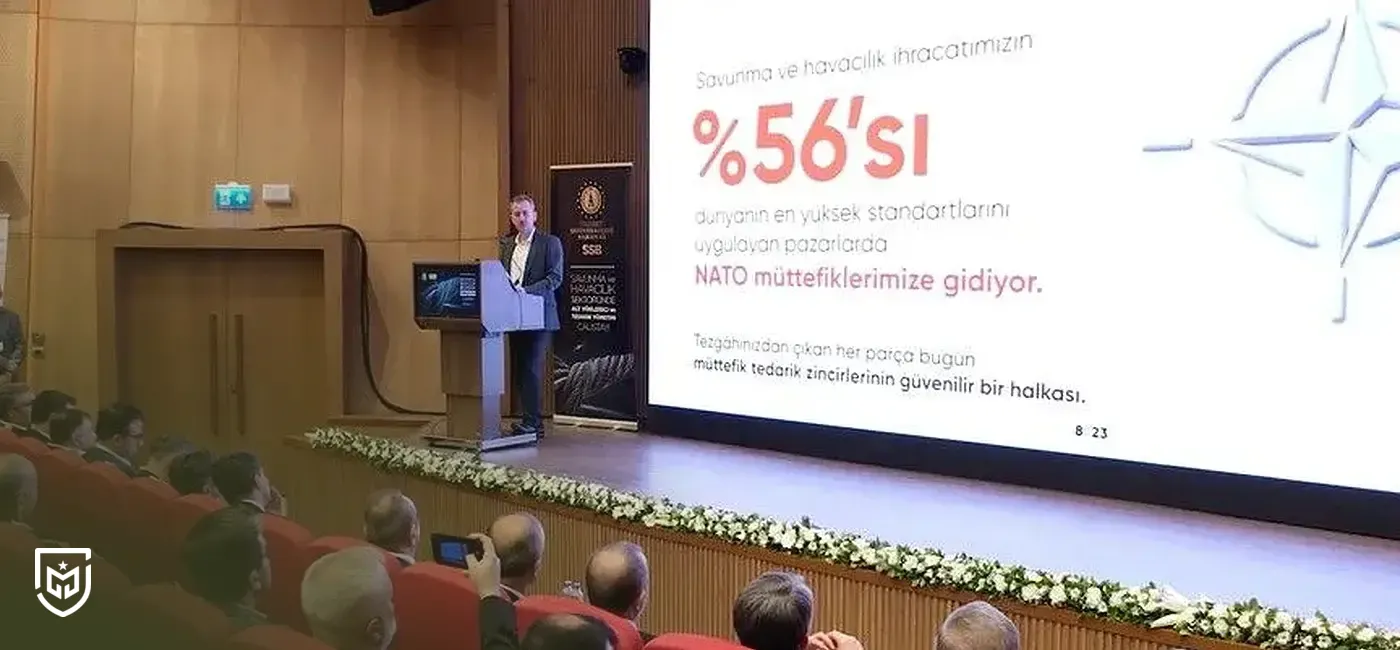
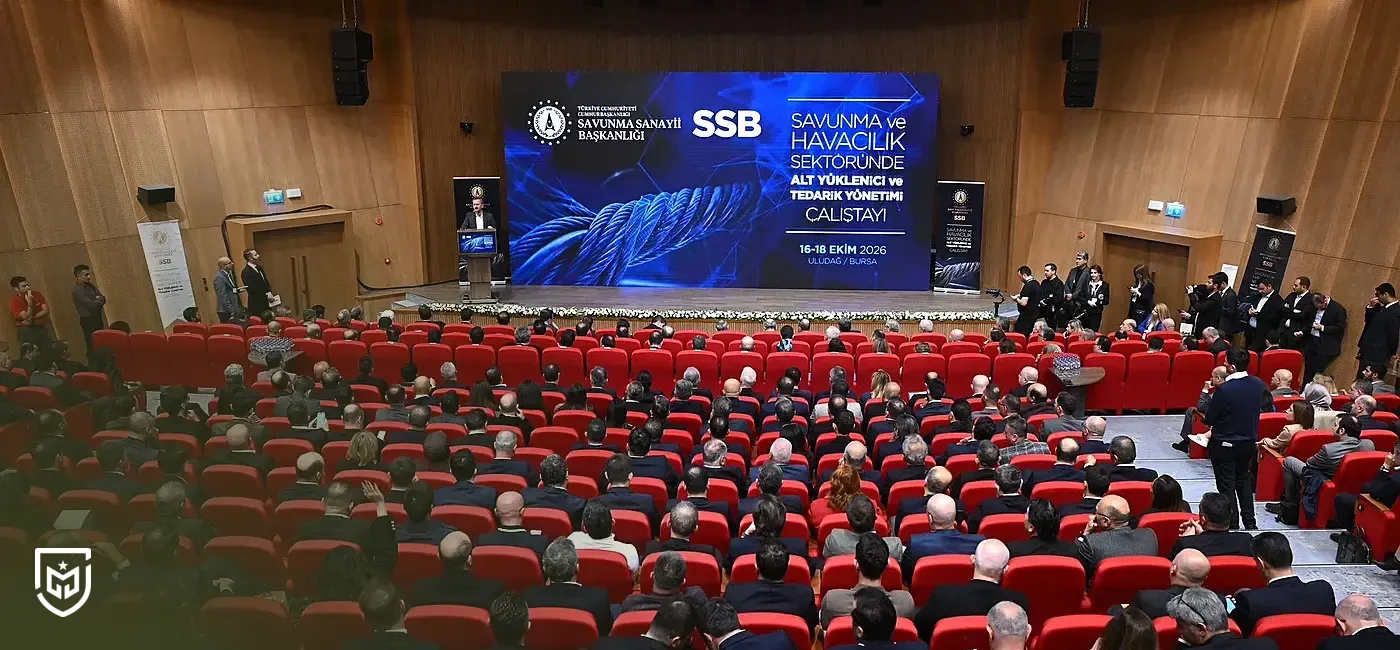
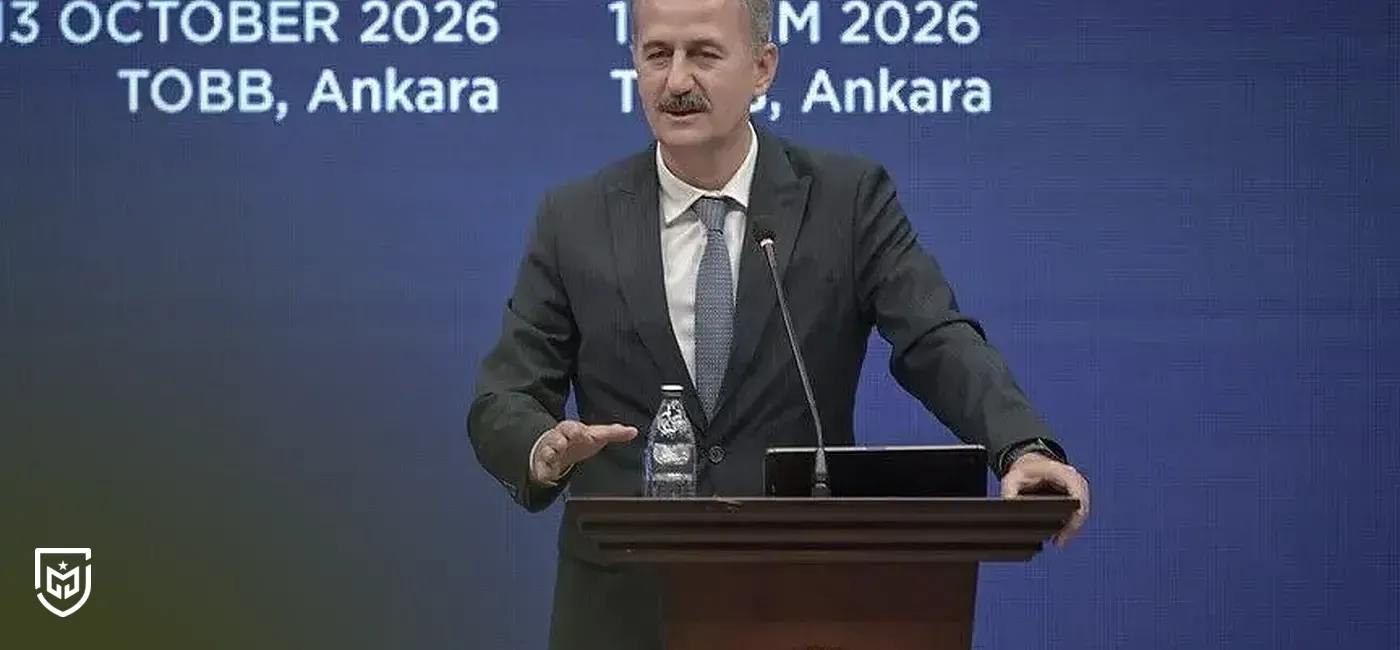
Led by prime contractors ASELSAN, ROKETSAN, TUSAŞ, HAVELSAN, and STM, Turkey's defense and aerospace sector has signed 15 billion dollars in new contracts during 2026. According to statements made at the Defense and Aerospace Sector Subcontractor and Supply Chain Management Workshop in Bursa, this figure is expected to reach 20 billion dollars by year-end. This development reflects the strategic investments in strengthening the domestic supply chain and the internal dynamics of the Turkish defense industrial ecosystem.
The five prime contractors have engaged with over 16,000 domestic firms over the past three years, issuing more than 20 billion dollars in orders through this cooperation framework. This has enhanced the capacity and technological capabilities of the domestic supplier network. The current backlog of open orders exceeds 13.4 billion dollars. These figures demonstrate the breadth and multi-layered nature of the defense industry value chain.
Turkish defense industry pursues a systematic strategy to strengthen its domestic supply network, increase localization rates, and reduce critical dependencies. Expanding the supplier base not only provides cost advantages but also contributes to technology transfer, research and development capacity, and improvements in production efficiency. The integration of small and medium-sized enterprises (SMEs) into the defense sector benefits economic diversification and regional development.
The Turkish defense sector has demonstrated significant export performance growth over the past decade. This export expansion occurs at a rate notably exceeding Turkey's general export growth. When measured by value per kilogram, defense industry products reach 40 times the level of Turkey's general export average. This high added value demonstrates that the sector is based on advanced technology and engineering capabilities, strengthening its competitive position in international markets.
In the global defense market, prime contractors from developed nations (Lockheed Martin, Boeing, Northrop Grumman, Airbus Defence, Thales, Leonardo) similarly operate with extensive supplier networks. The Turkish defense sector follows these international examples in building its own ecosystem. Organizations such as ASELSAN, ROKETSAN, and TUSAŞ develop products compliant with NATO standards, meeting domestic requirements while accessing international markets. Strengthening the domestic supply chain increases the sector's independence and strategic autonomy.


The cookies used on our website are used to provide you with a better user experience and to improve our website. You can manage your cookie preferences from the options below.
 Tolga Demirel
Post Comment
Comments
No comments yet.
Related News
SSB Sector Meeting: Focus on Supply Chain and Production Capabilities
SSB Hosts Second Supply Chain Strengthening Summit
SSB Chief: Transparent Licensing Will Strengthen Defense Cooperation
Görgün: Turkish-German defense partnership to be revitalized with new vision
Spain Plans to Purchase 15 Additional Hürjet Advanced Trainers
Turkey and Spain to Develop Joint Version of Hürjet Aircraft
Romanian Corvette Conducts Black Sea Exercises
China elevates private sector in critical technology strategy