



Global Developments


BREAKING NEWS
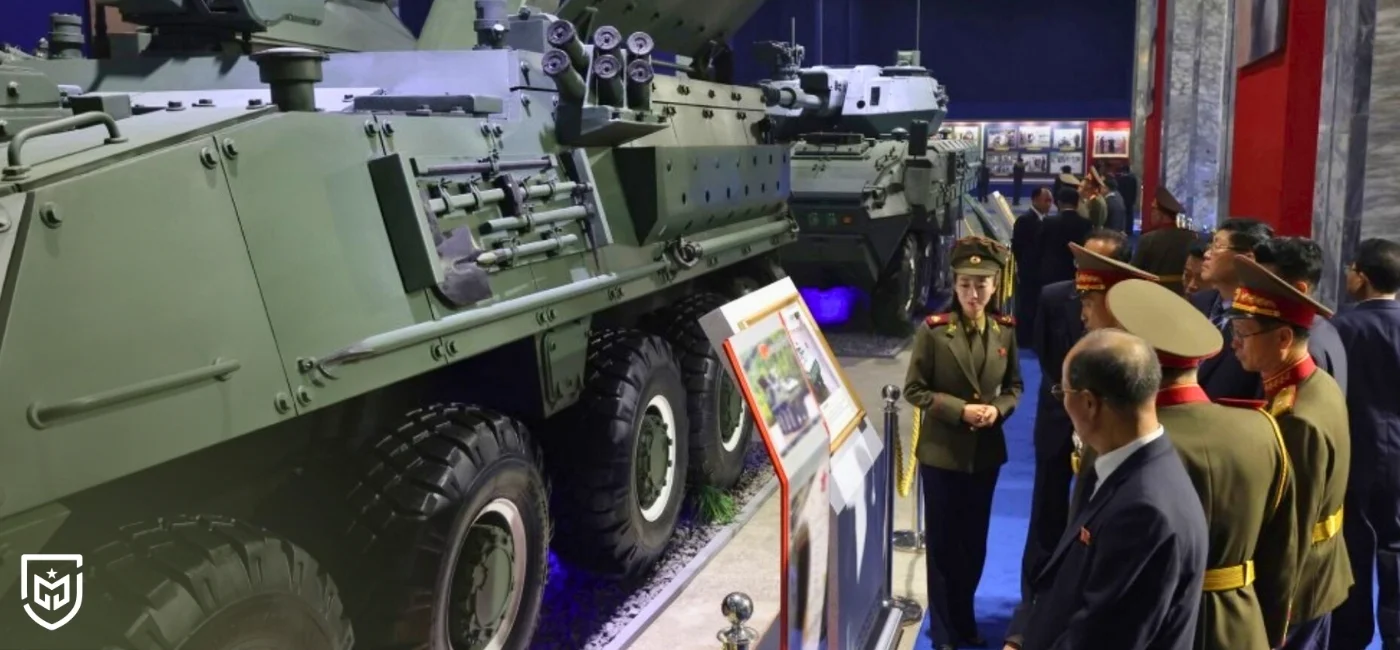
A newly published analysis by the South Korea-based Institute for National Security Strategy has revealed that North Korea may have secured massive economic gains through its military cooperation with Russia during the course of the war in Ukraine. According to the report released on March 13, the Pyongyang administration generated billions of dollars through both troop deployments and arms shipments. The study estimates that between August 2023 and December 2024, North Korea’s total revenue from these activities ranged from $7.67 billion to $14.4 billion. At the upper end of the estimate, this figure corresponds to approximately 21 trillion South Korean won.
One of the most striking findings in the report concerns the scale of North Korea’s personnel deployments to Russia. The analysis states that Pyongyang began sending troops to Russia in October 2024 and has carried out four separate deployments so far. More than 20,000 personnel are believed to have been dispatched, including combat troops as well as engineering units. Experts estimate that direct income from troop deployments alone, including military salaries and death compensation payments, has reached around $620 million. If the current arrangement continues, North Korea could generate roughly $560 million annually from troop deployments alone.
The report also emphasizes that North Korea’s income was not limited to sending personnel. Based on satellite imagery and open-source intelligence, it indicates that Pyongyang supplied Russia with a broad range of military equipment, including artillery ammunition, multiple launch rocket systems, self-propelled howitzers, and ballistic missiles. These shipments are said to have started before the troop deployments and continued throughout the conflict. This suggests that military cooperation between the two countries has deepened not only through battlefield manpower support but also through an extensive defense supply relationship.
Another major issue highlighted in the analysis is the possibility of technology transfer. According to the report, a significant portion of North Korea’s gains may have been delivered not through direct cash payments but through military technologies, strategic components, and sensitive equipment that are much harder to trace. It notes that verifiable payments account for only 4 to 19.6 percent of the total estimated value, while the remaining portion may have been compensated through other means. Experts warn that this development could undermine the central goal of international sanctions on North Korea, which is to restrict its access to foreign currency. The growing cooperation between Moscow and Pyongyang is therefore drawing attention not only for its financial impact but also for its potential technological and strategic implications for global security.


The cookies used on our website are used to provide you with a better user experience and to improve our website. You can manage your cookie preferences from the options below.
 Süheyla Yıldız
Post Comment
Comments
No comments yet.
Related News
Germany denies claims of MGCS tank project withdrawal
Thales Introduces HexaForce AI-Powered Command and Control System to Gulf Region
Romania Signs Contract for Airbus H225M Helicopter Procurement
Ari Arms begins OR-4 rifle production in Azerbaijan
Ireland selects Thales Ground Master radar for air surveillance capability
Greece reaches agreement with US for Stryker armored vehicles
France successfully conducts first test of M51.3 submarine-launched ballistic missile
Turkish Defense Exports Rise 10.7% in September, Maintaining Upward Trend