



Air Forces News
Global Developments


BREAKING NEWS
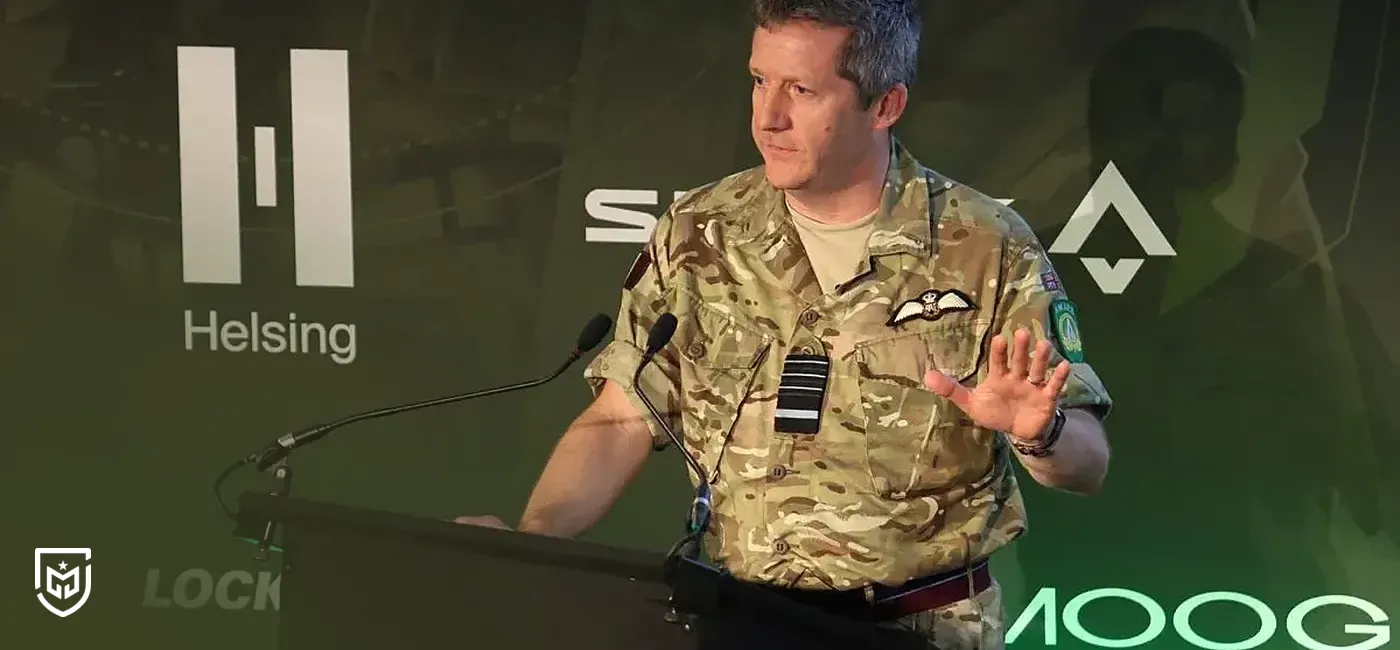
Bayraktar unmanned aerial vehicles are being recognized as a pivotal model in NATO's approach to defense technology integration. Air Chief Marshal John Stringer, NATO's Deputy Supreme Allied Commander Europe, highlighted the Turkish platform during remarks at the Royal United Services Institute conference in London, positioning Bayraktar systems as foundational to the alliance's next-generation defense strategy. Stringer emphasized that open and interoperable software architectures offer greater effectiveness than closed, monopoly-based systems.
According to Stringer's remarks, innovative European firms such as those behind Bayraktar are reshaping traditional defense sector principles. These platforms play a critical role in NATO's asymmetric power balance through their low cost, extended operational endurance, and precision munitions capabilities. The Deputy Supreme Commander stressed that the alliance must develop flexible architectures capable of rapidly integrating technologies from different member states and manufacturers. Moving away from proprietary software and closed control mechanisms, NATO should establish an ecosystem based on open standards, he stated.
Turkey's strategic position within NATO was central to Stringer's remarks. The Air Chief Marshal noted that the NATO summit in Ankara (July 7-8) will focus on alliance unity, increased defense spending, and sustained support for Ukraine. Emphasizing that Turkish military personnel support NATO's security daily, Stringer described Turkey as "massively important" to the alliance from both geographic and geopolitical perspectives.
This transformation in the defense sector carries significance for accelerating technology integration and reducing costs. The success of Bayraktar systems has broken the monopolies of traditional large defense contractors, enabling more agile and innovative companies to enter the market. NATO's adoption of this approach could increase technological diversity in development and production across the alliance. Open architectures will allow different nations to integrate their capabilities more effectively.
Stringer's emphasis on transitioning to open software architectures presents a significant opportunity for the Turkish defense industry. The international recognition of platforms like Bayraktar within NATO standards can enable domestic and national defense technologies to secure broader market presence internationally. Simultaneously, Turkish companies can develop technology partnerships with NATO allies and increase localization rates. This development signifies strengthening of Turkey's defense industry ecosystem and expanded export potential.


The cookies used on our website are used to provide you with a better user experience and to improve our website. You can manage your cookie preferences from the options below.
 Tolga Demirel
Post Comment
Comments
No comments yet.
Related News
Germany denies claims of MGCS tank project withdrawal
Thales Introduces HexaForce AI-Powered Command and Control System to Gulf Region
ÇEPNI Tactical UAV Family Enters Operational Service
ASELSAN's Drone-Hunting System Completes Successful Demonstration
Romania Signs Contract for Airbus H225M Helicopter Procurement
ASELSAN's GÖKALP drone defense system completes successful demonstration
Ari Arms begins OR-4 rifle production in Azerbaijan
AKINCI UAV Successfully Tested with MORFOZ Guidance Kit