


Missiles and Rockets
Global Developments


BREAKING NEWS
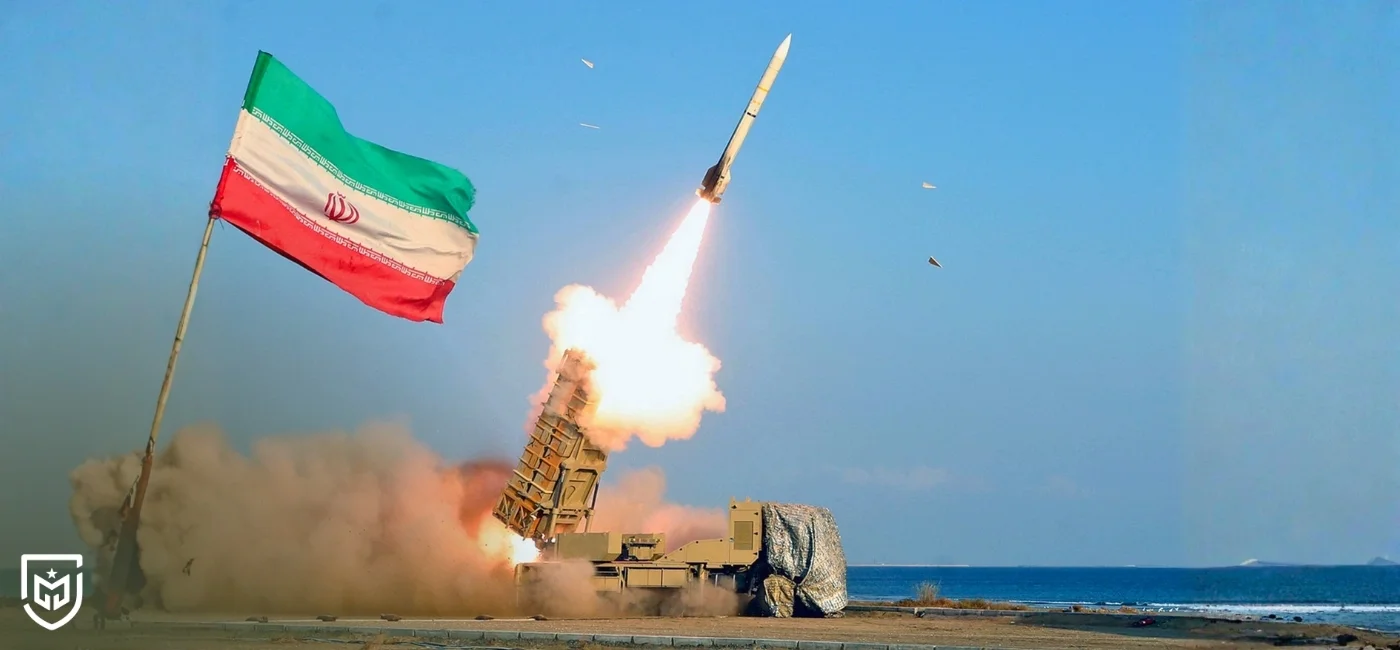
The United States’ ongoing war with Iran and the rapid pace of munitions use in a short period have triggered a serious debate in Washington over both the future of critical weapons stockpiles and the growing economic burden of the conflict. According to a report by the Financial Times based on sources close to the matter, the US military has been consuming some of its key munition reserves far faster than expected since the fighting began. The intensive use of long-range Tomahawk cruise missiles has drawn particular attention, with analysts warning that such consumption could have long-term consequences for naval readiness and broader defense planning. Sources familiar with US ammunition expenditure described the scale of Tomahawk use as “massive,” noting that the Navy may feel the effects of this spending for years.
The war’s impact is being felt not only on the battlefield but also across the political and economic landscape. The Pentagon’s disclosure that the first six days of strikes cost more than $11 billion clearly illustrated the financial strain of the campaign. A large share of that spending reportedly stems directly from the use of advanced munitions. At the same time, oil prices climbing above $100 per barrel have added further pressure on the administration. As the United States enters a midterm election year, rising fuel costs and the prospect of a prolonged Middle East conflict are intensifying criticism of the war among the public and lawmakers alike. The Pentagon is now expected to request up to $50 billion in additional funding from the White House and Congress, a move likely to ignite fierce debate on Capitol Hill.
Congress remains deeply divided over how, or whether, to finance the war. Republican Senator Lisa Murkowski warned that the White House should not expect a “blank check” from Congress, stressing that the Pentagon must provide lawmakers with clear justifications and detailed explanations for any emergency spending request. Meanwhile, some Democratic lawmakers argue that President Trump’s use of military force against Iran without explicit congressional approval makes the war “illegal,” and they have signaled opposition to allocating more money for the operation. On the other hand, former Senate Majority Leader Mitch McConnell has defended the need for additional military funding, arguing that the conflict presents an important opportunity to reinforce American defense priorities. This split suggests that any supplemental war funding bill could face a difficult and highly contentious path through both the House of Representatives and the Senate.
At the center of the debate are not only Tomahawk missiles, but also the expensive interceptor munitions used in Patriot and THAAD air defense systems. Democratic Senator and former Air Force officer Mark Kelly pointed out that each interceptor in these systems costs millions of dollars, while Iran has relied in part on Shahed-type drones that can reportedly be produced for around $30,000 each. Kelly’s remark that “this equation does not look sustainable” captures the growing concern over the cost-effectiveness of the campaign. Tomahawk cruise missiles, which carry warheads of roughly 1,000 pounds and are produced by US defense company RTX, are estimated to cost about $3.6 million per unit. The US military purchased 322 Tomahawks over the past five years, yet recent operations against Yemen’s Houthis, Iranian nuclear facilities, and direct wartime targets have already consumed a large share of available inventory. Experts warn that replenishing stocks of Tomahawks, THAAD interceptors, and Patriot missiles could take years, potentially affecting America’s readiness for any future major conflict.


The cookies used on our website are used to provide you with a better user experience and to improve our website. You can manage your cookie preferences from the options below.
 Süheyla Yıldız
Post Comment
Comments
No comments yet.
Related News
SSB Sector Meeting: Focus on Supply Chain and Production Capabilities
Turkish defense industry signed 15 billion dollars in new contracts in 2026
SSB Hosts Second Supply Chain Strengthening Summit
SSB Chief: Transparent Licensing Will Strengthen Defense Cooperation
ÇAKIR Cruise Missile Supply Contract Signed
Drone Shield Showcased at Marksman Competition
Fire Free-2026 Exercise Successfully Completed
Görgün: Turkish-German defense partnership to be revitalized with new vision