


Air Forces News
Global Developments


BREAKING NEWS
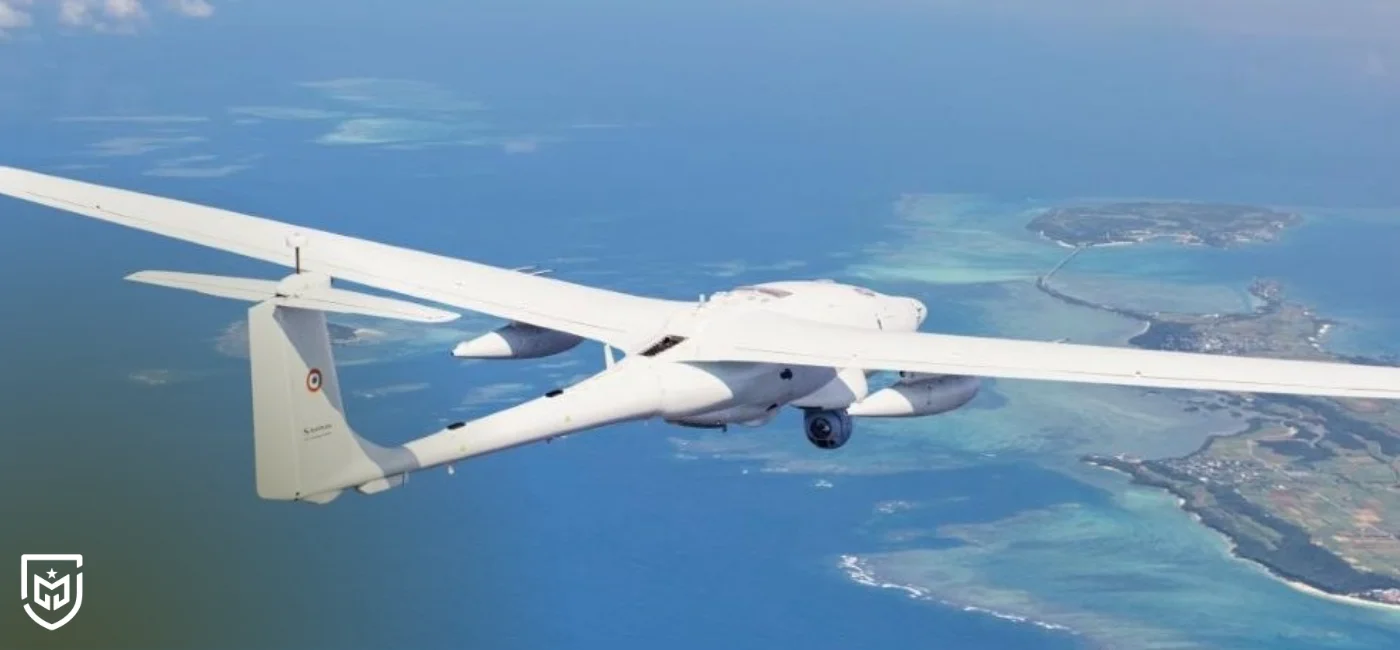
Greece’s planned procurement of French Patroller unmanned aerial vehicles has become the focus of a new defence debate in Athens. The systems were intended to support the intelligence, surveillance and reconnaissance needs of the Hellenic Army, but delays, technical integration problems and France’s cancellation of its own order have led Greece to reconsider the program. Although Athens has not yet announced an official cancellation decision, alternative options are reportedly being discussed.
One of the most important issues for Greece in the Patroller program is the integration of the Link-16 data link. This capability is critical for NATO-standard joint operations, allowing platforms to share tactical information in real time. However, delays and problems in integrating Link-16 have negatively affected the delivery schedule. Greece reportedly signed an agreement worth around €55 million for four systems through the NATO Support and Procurement Agency on June 19, 2023, with initial deliveries expected in late 2024.
The fact that the program has not progressed as planned has increased concerns in Athens. Despite the timeline moving forward, only one prototype is reported to have completed flight tests, raising questions about whether the system could become technologically outdated by the time it enters Greek service. In the modern battlespace, UAVs are expected to be fast, resilient, network-enabled and compatible with electronic warfare conditions. Patroller’s delays and integration issues have therefore created uncertainty within Greek defence circles.
A larger concern for Athens is France’s cancellation of its own Patroller order. French authorities reportedly concluded after years of delay that the platform was slow and not fully suited to the requirements of the modern battlefield. France’s withdrawal creates not only operational but also logistical risks for Greece. The absence of another major international user raises questions about spare parts, maintenance, modernization and long-term technical support.
Another development that increased debate around the program was the strategic cooperation agreement signed between the Patroller manufacturer and Turkish defence company Baykar. Announced during SAHA 2026, the cooperation is said to include information exchange in the fields of unmanned aerial vehicles and smart munitions. While this development may strengthen the influence of the Turkish defence industry in the European UAV market, it has also drawn attention in Athens.
Greek observers believe such partnerships could improve Baykar’s access to critical European-origin subsystems, including engines and advanced electro-optical targeting systems. Having gained a strong position in the global UAV market with platforms such as Bayraktar TB2, AKINCI and KIZILELMA, Baykar’s closer engagement with the European defence ecosystem is being closely followed in Greece from both security and competition perspectives.
The uncertainty surrounding the Patroller procurement comes at a critical time for Greece’s efforts to strengthen its unmanned aerial vehicle capabilities. UAVs are becoming increasingly important for reconnaissance, border security, maritime monitoring and situational awareness in the Aegean. For this reason, whether Athens will continue with a delayed and technically troubled platform or shift toward alternative procurement options will be one of the key defence issues to watch in the coming period.
Greece’s reassessment of the Patroller program also highlights how rapidly UAV technologies are changing in the European defence market. In modern warfare, systems delayed for years risk becoming outdated before they enter service. User countries are increasingly seeking platforms that can be delivered quickly, supported reliably, integrated into network-centric operations and adapted to electronic warfare environments. Athens’ final decision could affect not only the Hellenic Army’s UAV capability but also regional defence procurement dynamics.


The cookies used on our website are used to provide you with a better user experience and to improve our website. You can manage your cookie preferences from the options below.
 Süheyla Yıldız
Post Comment
Comments
No comments yet.
Related News
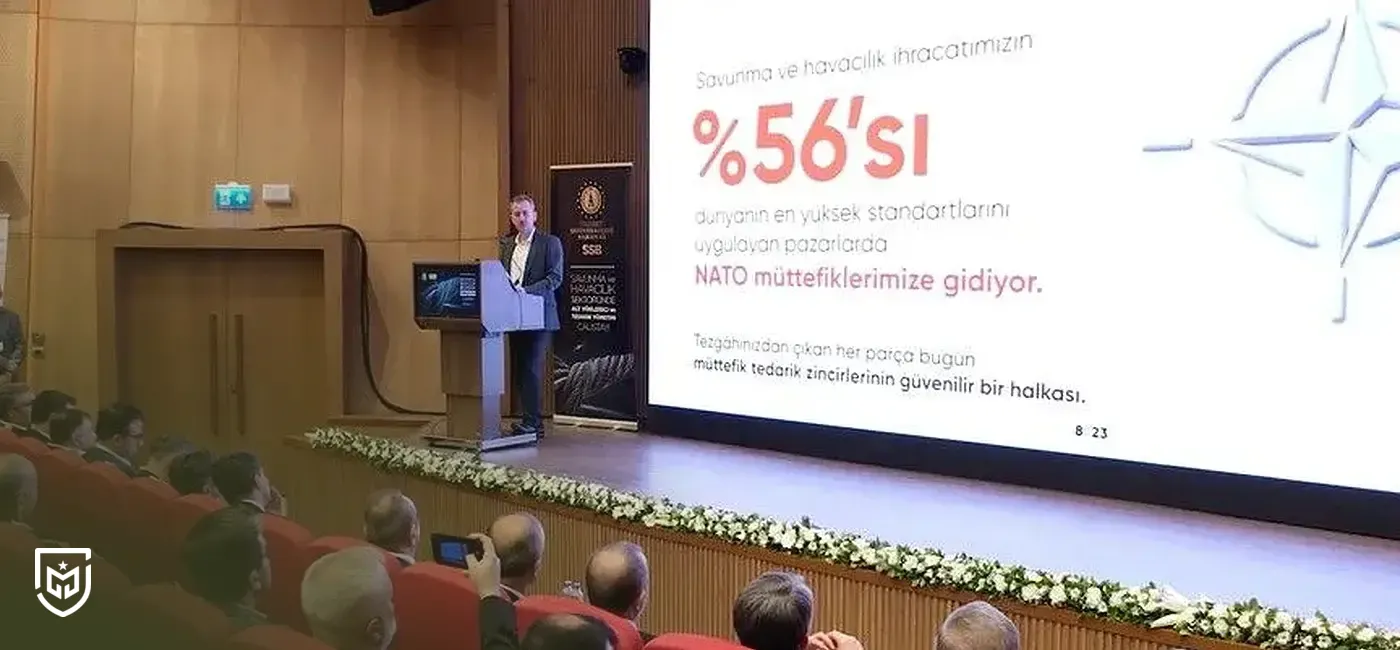
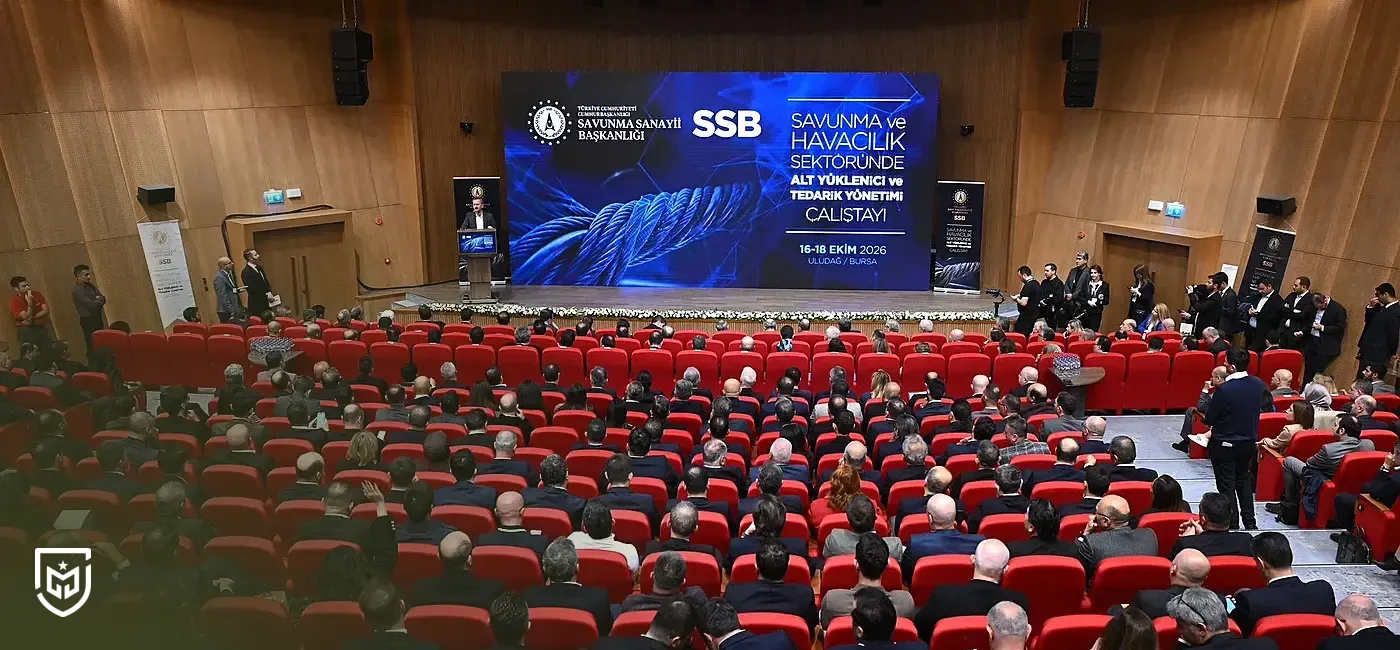
SSB Sector Meeting: Focus on Supply Chain and Production Capabilities
Turkish defense industry signed 15 billion dollars in new contracts in 2026
SSB Hosts Second Supply Chain Strengthening Summit
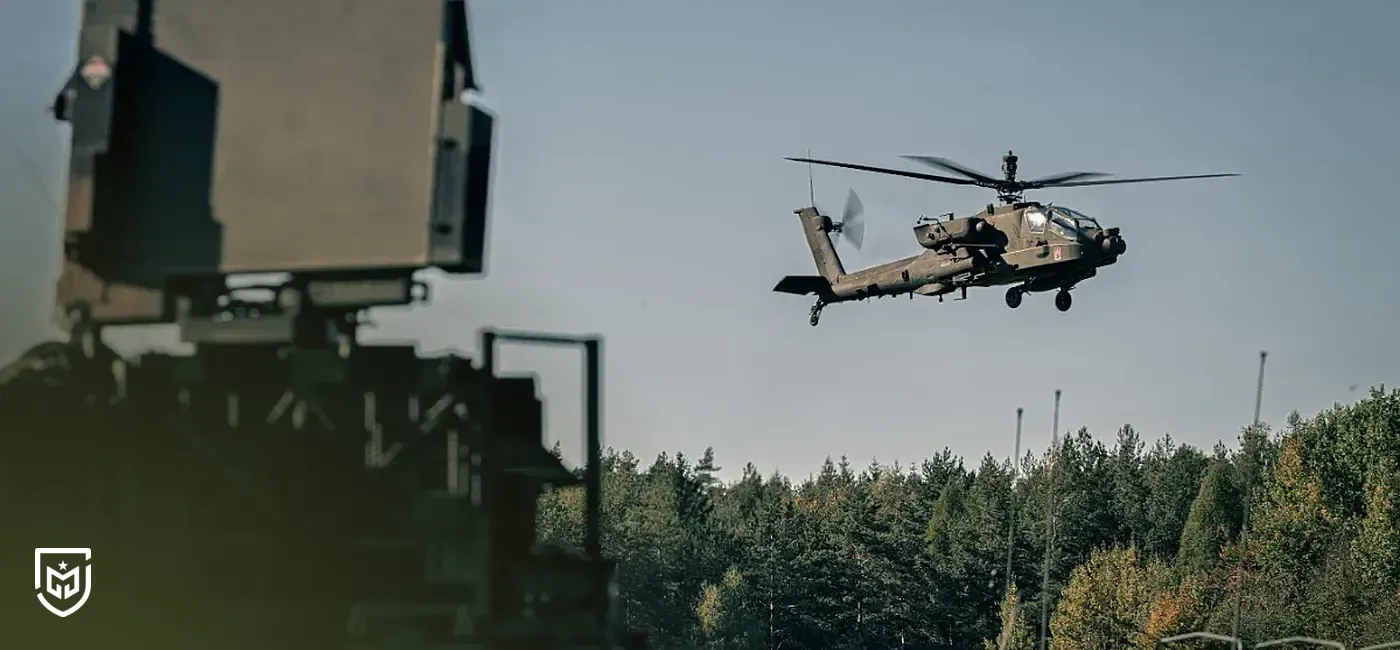
Skyfall II Exercise: U.S. Army Demonstrates UAV Defense Capabilities in Germany
SSB Chief: Transparent Licensing Will Strengthen Defense Cooperation
STM's Swarm UAV System Demonstrates Operational Success at Ateş Serbest-2026
TUSAŞ Kamikaze UAV Systems Achieve Success in Exercise Ateş Serbest-2026
Fire Free-2026 Exercise Successfully Completed