



Weapons and Ammunition
Global Developments


BREAKING NEWS
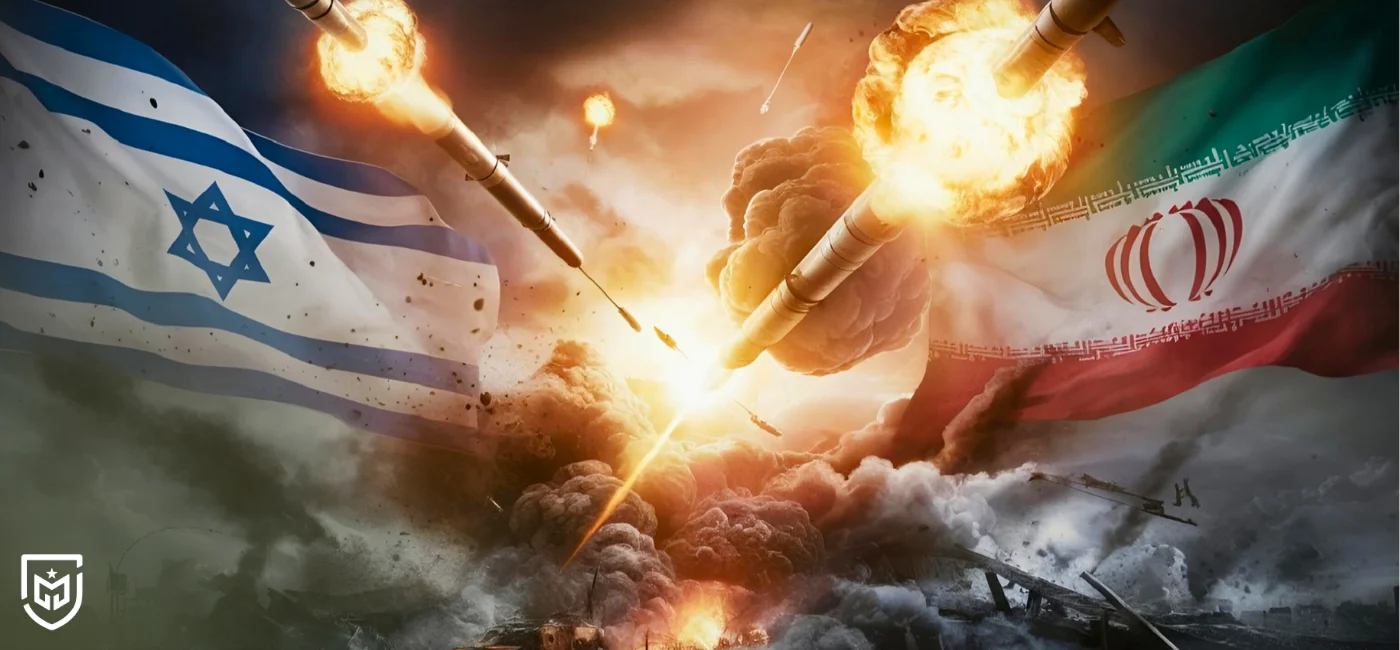
European defense stocks have come under notable pressure in recent weeks despite rising geopolitical tensions. According to Reuters, investors had expected the Iran war to trigger another surge in defense shares, but the opposite happened as profit-taking, stretched valuations, and changing views on the nature of modern warfare pushed the sector lower.
The market data reflects that shift clearly. Reuters reported that the MSCI Europe Aerospace and Defense Index fell 9.2% in March, marking its sharpest monthly decline in five years. Over the same period, Czech defense group CSG lost roughly a third of its value, while Germany’s Rheinmetall and Renk each fell around 10% and Sweden’s Saab dropped about 12%. Even so, the sector had still risen more than 450% since Russia’s full-scale invasion of Ukraine in 2022.
One of the main reasons behind the pullback is that investors are no longer treating defense shares as a one-way trade. Reuters cited portfolio managers and analysts saying that both institutions and retail investors have started cutting exposure as uncertainty rises and earlier gains leave valuations looking stretched. In other words, the issue was not just the war itself, but the sense that much of the geopolitical upside had already been priced in.
Another factor changing sentiment is the renewed focus on low-cost drones and asymmetric warfare. Reuters noted that the Iran conflict highlighted how relatively cheap aerial threats can still create major pressure even when expensive intercept systems are deployed. That has raised new questions about the future demand mix between traditional big-ticket systems and cheaper drone or counter-drone solutions. This last sentence is an inference based on Reuters’ reporting about investor reassessment and battlefield cost dynamics.
Order flow has also become part of the debate. Reuters reported that budget pressures in countries such as France and the United Kingdom have slowed or stretched some defense procurement timelines, making investors more cautious about how quickly rising defense spending will translate into company revenues.
Even so, the long-term outlook has not collapsed. Reuters said defense spending continues to rise and money is still flowing into defense-focused funds, suggesting the recent decline is better understood as a correction after a very strong run rather than a rejection of the sector’s broader strategic importance.


The cookies used on our website are used to provide you with a better user experience and to improve our website. You can manage your cookie preferences from the options below.
 Süheyla Yıldız
Post Comment
Comments
No comments yet.
Related News
SSB Sector Meeting: Focus on Supply Chain and Production Capabilities
Turkish defense industry signed 15 billion dollars in new contracts in 2026
SSB Hosts Second Supply Chain Strengthening Summit
SSB Chief: Transparent Licensing Will Strengthen Defense Cooperation
Görgün: Turkish-German defense partnership to be revitalized with new vision
Spain Plans to Purchase 15 Additional Hürjet Advanced Trainers
Turkey and Spain to Develop Joint Version of Hürjet Aircraft
Romanian Corvette Conducts Black Sea Exercises