

Electronic Systems


BREAKING NEWS
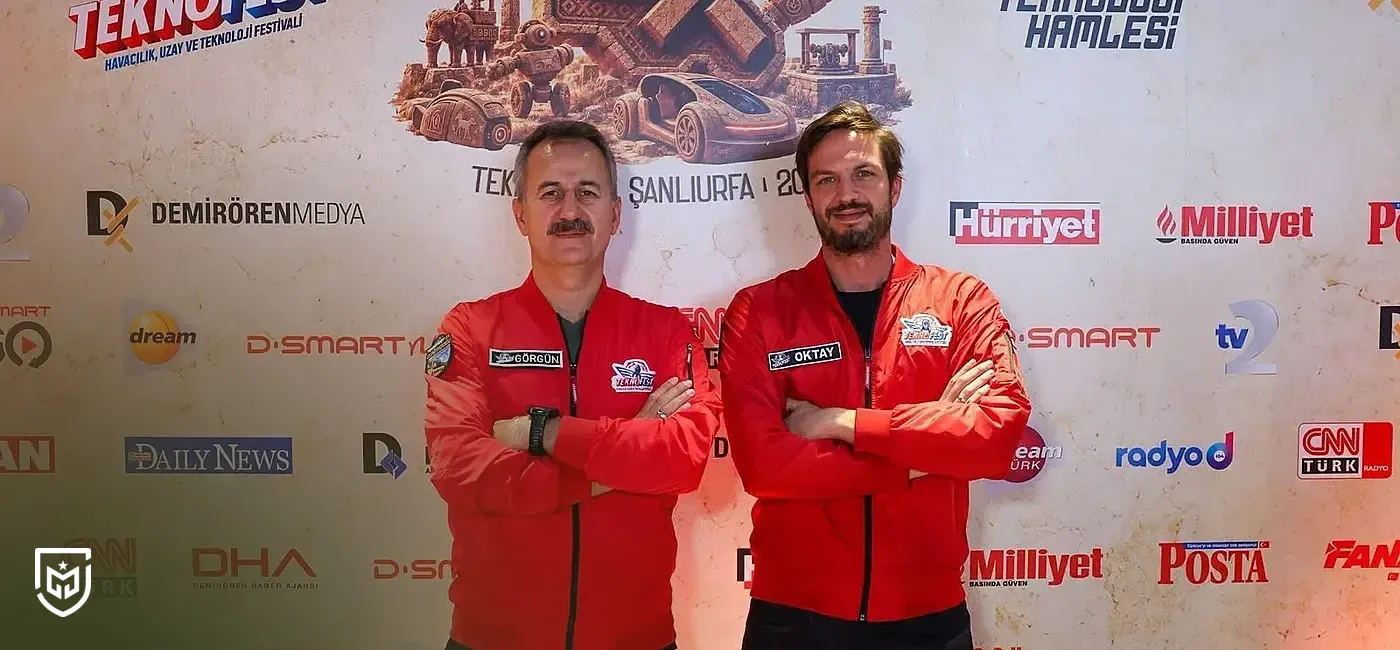
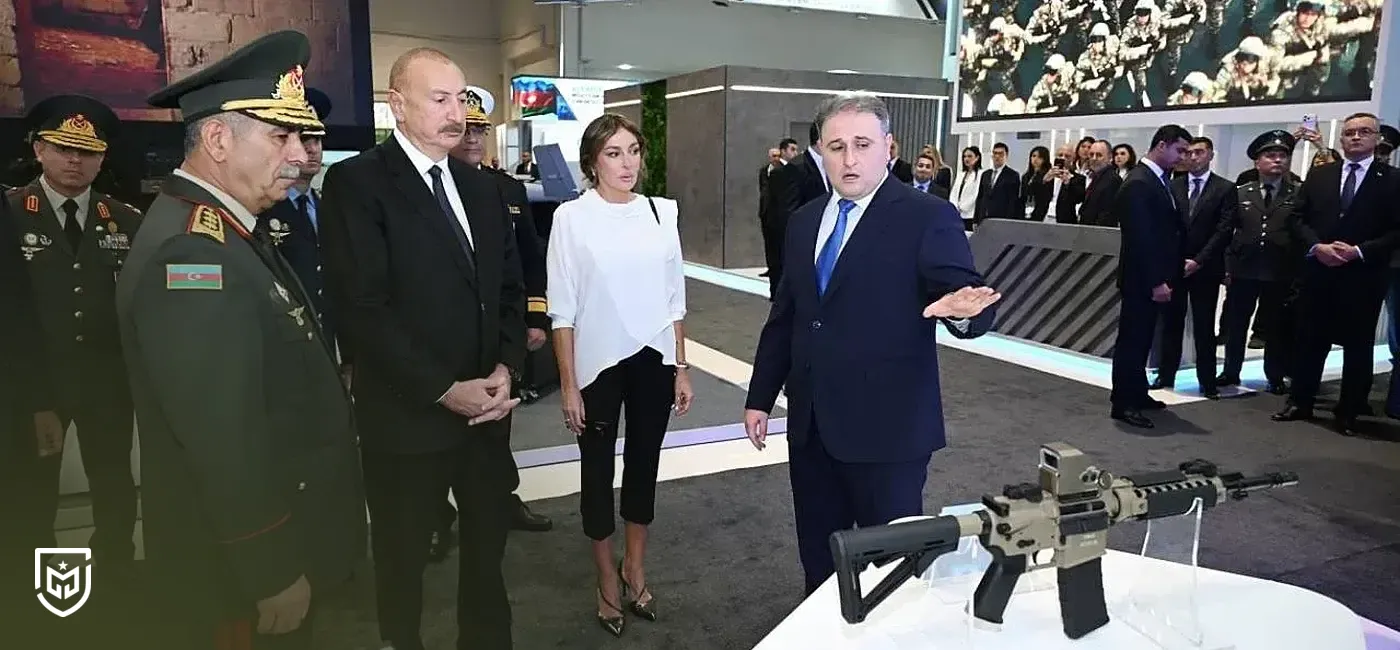
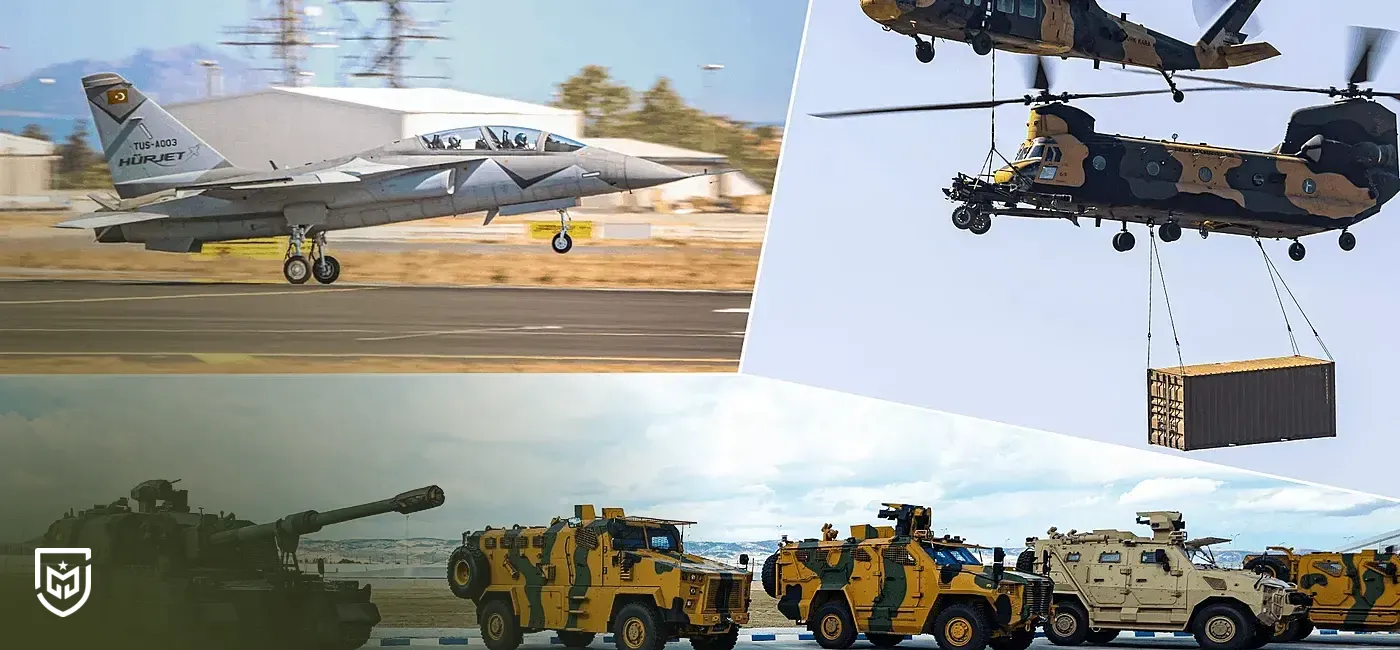
The Defense Industry Agency Chief Prof. Dr. Haluk Görgün stated that Turkey's defense sector is pursuing a comprehensive localization strategy to strengthen technological independence. Görgün noted that localization efforts in defense projects begin at the original design phase, with sub-components of developed systems evaluated for domestic production capabilities. Strategic plans aim to increase resilience against supply chain constraints in land, maritime, air, and space domains.
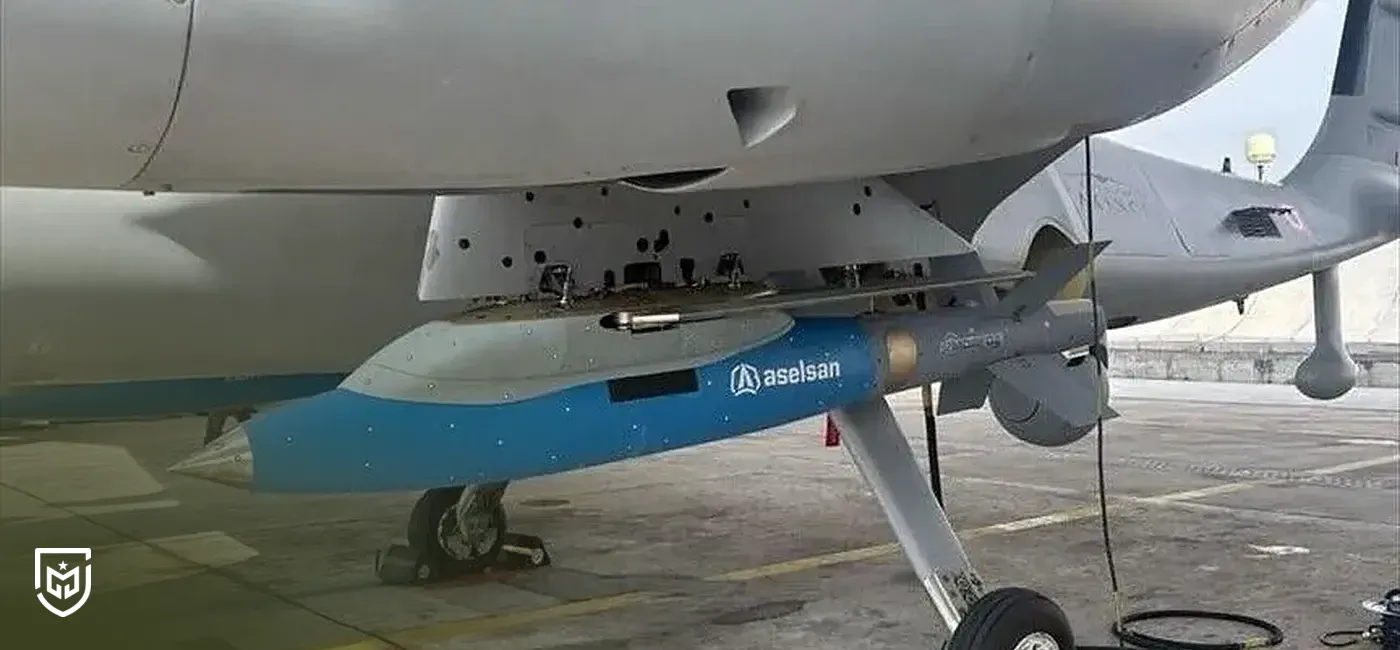
The Defense Industry Agency has prepared technology roadmaps for developing critical systems and sub-components through domestic capabilities. These roadmaps cover sensors, detectors, actuators, ammunition, and weapon systems in their entirety. The planning process considers user requirements and delivery schedules, while separate development processes are established for strategic technologies requiring longer localization periods. Comprehensive technology roadmaps extending from critical material synthesis to production have been created. Need, value addition, human resources, and infrastructure capacity play decisive roles in technology acquisition.
Localization efforts occupy a central position in Turkey's defense sector development strategy. The increase in localization rate from 20% to 83% over the past two decades has established Turkey's production and technology development capacity on the international stage. This success extends beyond defense systems and platforms to the production and technology acquisition models created to develop these products. Several countries seek to benefit from Turkey's defense industry experience and pursue knowledge-sharing and collaborative initiatives to complete similar processes in shorter timeframes.
The Defense Industry Agency has integrated technology acquisition approaches into project processes. Contractor companies' work toward localization and technology development targets defined within project scope is closely monitored. Firms are assigned responsibilities for investing in critical technologies and developing next-generation versions of relevant technologies. University cooperation plays an important role in technology development processes. The Technology and Product Acquisition (TÜK) Obligation program requires contractors to contribute to technology development, production, testing, validation, and infrastructure activities.
Reducing external dependency in the defense ecosystem, supply chain resilience, cost-effective production, and reliable after-sales support capacity rank among Turkey's priority areas. Domestic companies such as ASELSAN, ROKETSAN, and TUSAŞ provide more cost-effective, rapid, and sustainable solutions in international competition. This approach strengthens the Turkish defense industry ecosystem's competitive position in global markets and reinforces technological independence.


The cookies used on our website are used to provide you with a better user experience and to improve our website. You can manage your cookie preferences from the options below.
 Selçuk Aydın
Post Comment
Comments
No comments yet.
Related News
SSB Chief Görgün Warns Against Open Source Intelligence Risks
AKINCI UAV Successfully Tested with MORFOZ Guidance Kit
Ireland selects Thales Ground Master radar for air surveillance capability
German F125 Frigates to Receive IRIS-T SLM Air Defense System Integration
Turkish Naval Defense Technologies Showcased at Nusret-2026 Exercise
ASELSAN signs over $6 billion in defense contracts in two weeks
ASELSAN Signs 157.9 Million Dollar Export Contract
ASELSAN Expands TOLUN Munition Family with New Variants