Satellite and Space News
Electronic Systems
Global Developments

ASELSAN’s “Digital Eyes” Entrusted to Women Engineers: Inspiring Success in Türkiye’s Defense Industry
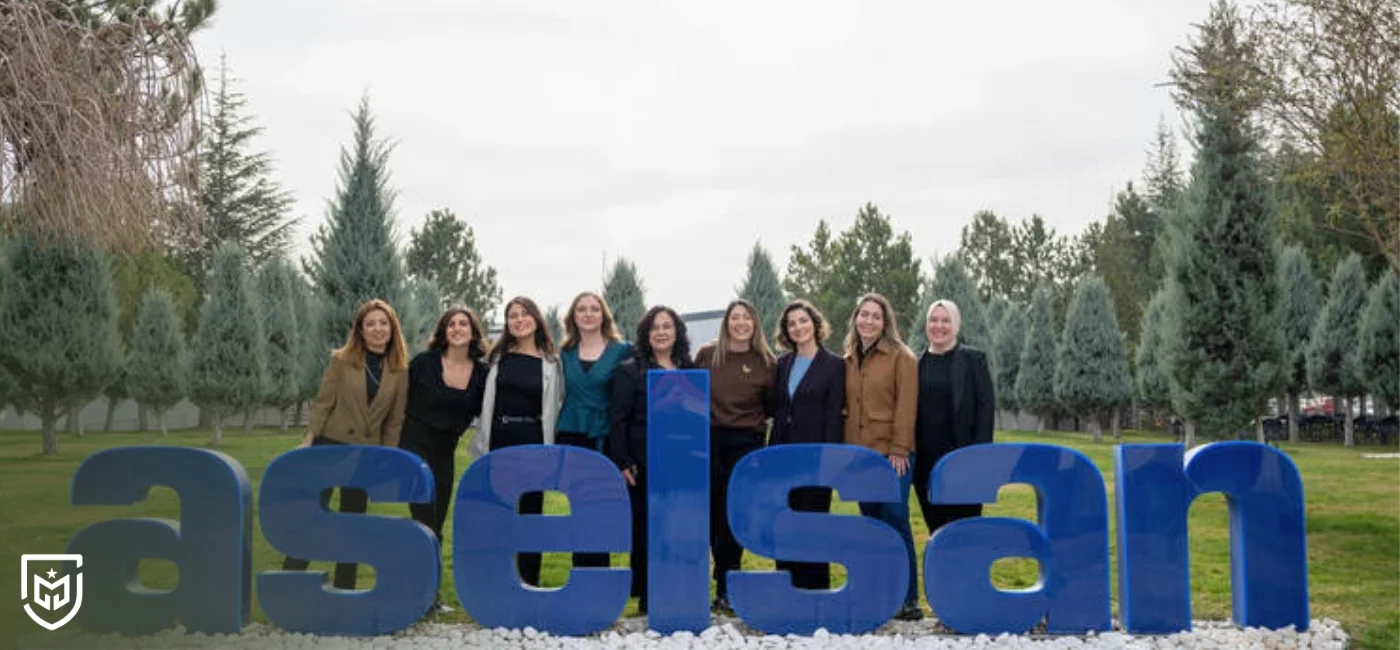
Women engineers working within ASELSAN play a critical role in developing electro-optical systems, one of Türkiye’s key defense technologies. These systems significantly enhance the reconnaissance, surveillance and targeting capabilities of the Turkish Armed Forces. Integrated into land, air and naval platforms, the advanced technologies produced by ASELSAN provide operational advantages in the field and contribute to Türkiye’s growing defense independence.
The technological journey of ASELSAN’s electro-optical systems accelerated particularly after export restrictions and embargoes imposed in the past. Since then, the company has rapidly expanded its domestic capabilities, developing highly sophisticated imaging and targeting systems that are now used across multiple military platforms. Today, these systems are considered “the digital eyes” of modern defense platforms, allowing operators to detect, track and engage targets with greater precision.
ASELSAN Project Manager Derya Arda Yenigün recalls being part of a young and enthusiastic team working on one of Türkiye’s first thermal camera projects, known as ASIR, when she first joined the company. Having spent nearly 28 years at ASELSAN, Yenigün says she has witnessed the transformation from early prototype devices to today’s highly complex electro-optical systems integrated into numerous platforms. She notes that modern systems now incorporate artificial intelligence technologies that improve target detection and decision-making capabilities.
Engineer Kıymet Yılmaz, who has been working at ASELSAN for two years, emphasizes that electro-optical systems function as the “eyes” of the defense industry. Ensuring that these systems operate reliably in the field is crucial, as even a brief malfunction can impact critical operations. Yılmaz highlights the supportive work environment within ASELSAN and encourages young women to pursue engineering careers with confidence and determination.
Production Engineer İlknur Ceren Coşkun explains that the systems they develop enable reconnaissance and surveillance missions under harsh operational conditions on land, sea and air platforms. She says that contributing to the country’s defense capabilities is the greatest motivation for many engineers working in the sector. Despite demanding workloads, the knowledge that their work strengthens national security provides strong motivation for the entire team.
Another engineer, Seda Gürün, points out that with the integration of artificial intelligence technologies, ASELSAN’s electro-optical systems are becoming smarter and more autonomous. These systems support faster decision-making processes and enhance situational awareness for military operations. Gürün also notes that technologies once restricted due to international embargoes are now being developed domestically, and that many international companies are currently seeking partnerships with ASELSAN.
The presence of women engineers in Türkiye’s defense industry continues to grow, contributing not only to technological advancements but also serving as a powerful inspiration for younger generations. Their achievements demonstrate that women are playing an increasingly important role in shaping the future of the country’s defense technologies and innovation ecosystem.




 Süheyla Yıldız


Post Comment
Comments
No comments yet.
Related News
Altınay Defense Group Transitions to New Management Structure
BAE Systems and Lockheed Martin Unveil Blizzard Multi-Mission Unmanned Aircraft
Anduril's Ohio Facility Produces First YFQ-44A Fury Unmanned Combat Aircraft
BAE Systems Raises Outlook as Global Defense Demand Continues to Surge
South Korea's envoy highlights KAAN fighter jets as cornerstone of defense partnership with Türkiye
Swedish-Developed Lunar Neutrals Telescope Delivered to TÜBİTAK SPACE for Moon Mission-1
ASELSAN's Electro-Optical System Integrated into South Africa's Mwari Aircraft
TAI Chief: Turkey Shaping NATO's Future Security Architecture