


Missiles and Rockets
Global Developments


BREAKING NEWS
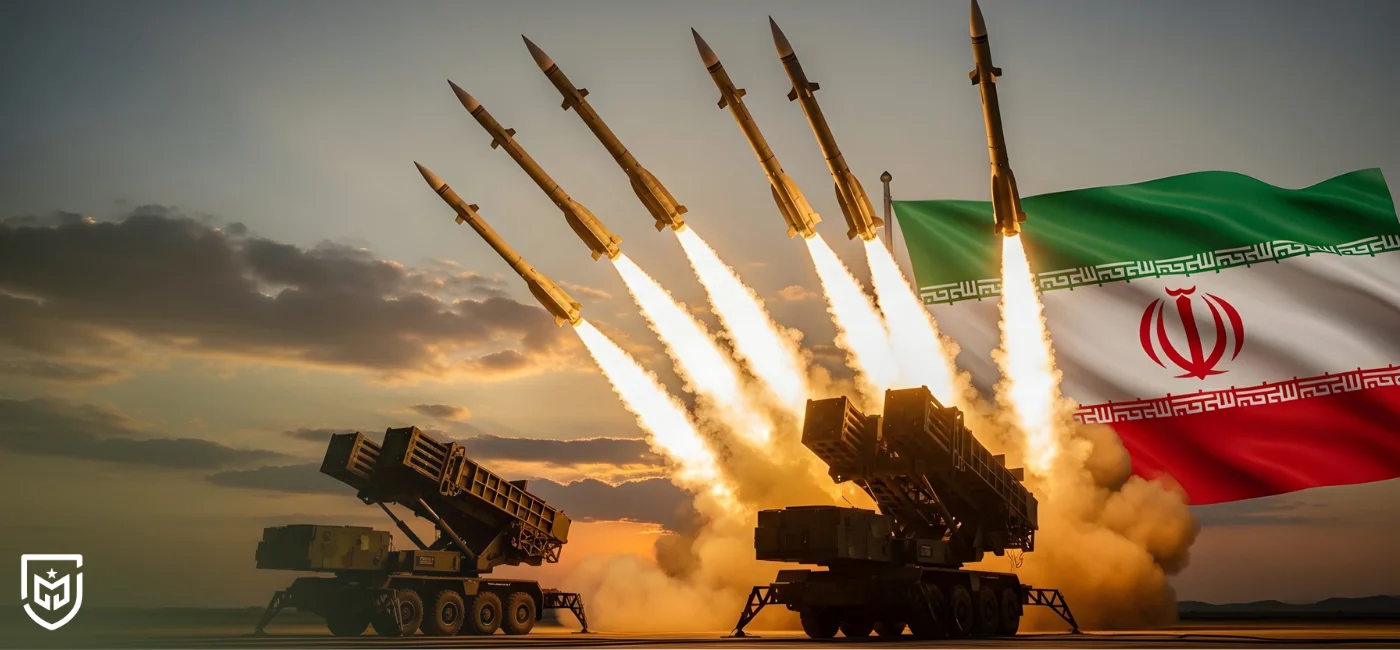
The United States’ military campaign against Iran has triggered a wider strategic debate in Washington about force readiness in the Indo-Pacific. According to a Wall Street Journal report published on April 24, some U.S. officials increasingly believe that the scale of munitions expended in the Iran war could make it harder for Washington to fully execute contingency plans for defending Taiwan in the near term.
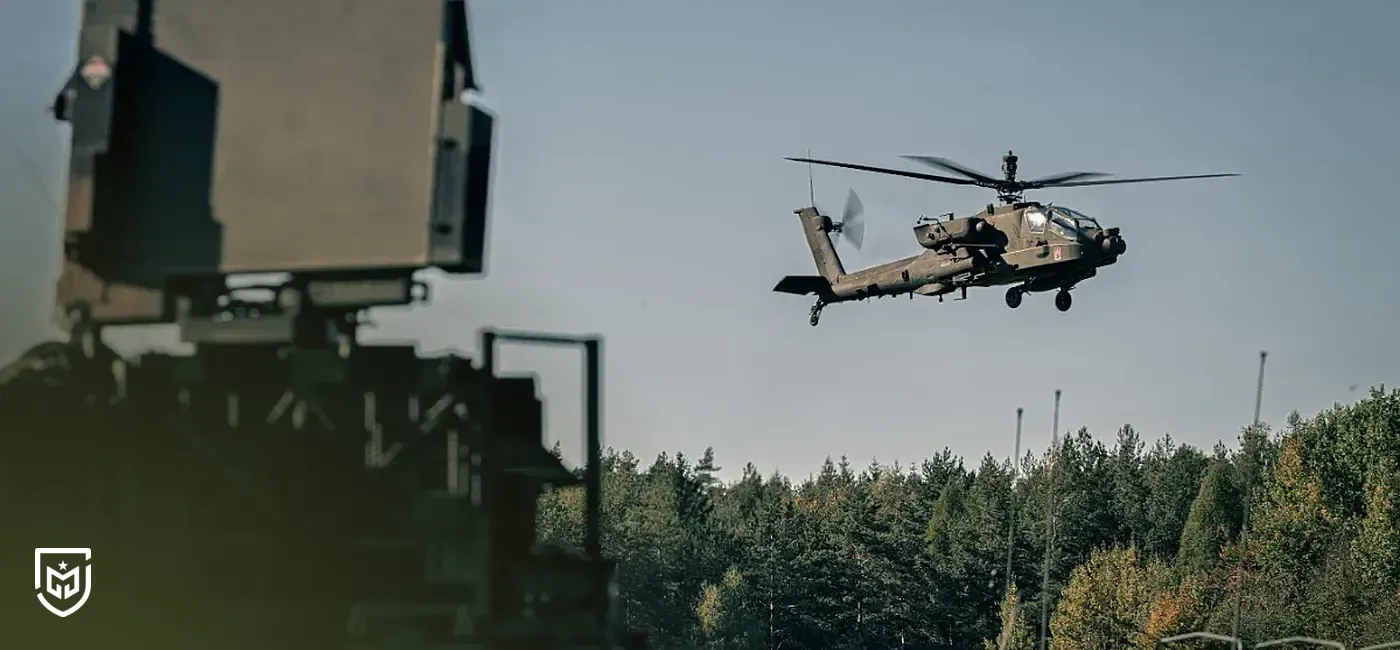
The reported scale of consumption is significant. The Wall Street Journal said the United States has used more than 1,000 Tomahawk missiles and up to 2,000 air-defense interceptors since the war with Iran began on February 28, 2026. Those interceptors reportedly include Patriot, THAAD, and Standard Missile systems, and some officials fear that rebuilding stocks of the most critical weapons could take up to six years.
This has fed concerns inside the Pentagon about how much risk U.S. forces might face if a separate major crisis emerged in the Pacific before production catches up. At the same time, the debate inside Washington is not one-sided. The same reporting says some defense officials argue that the campaign against Iran has also given the U.S. military valuable combat experience and has not yet weakened deterrence against China in a decisive way.
There are also concrete signs that the munitions issue is now affecting procurement planning. The Associated Press reported three days ago that U.S. military officials are pushing for major increases in 2027 spending on drones, air-defense systems, and munitions used heavily in the Iran war. AP said planned Tomahawk purchases could jump from 55 to 785, while systems such as Patriot and THAAD are also drawing increased budget attention.
The Taiwan side of the discussion remains especially sensitive because timing matters. Reuters reported on March 18 that the U.S. intelligence community currently assesses China is not planning to invade Taiwan in 2027 and does not have a fixed timeline for unification, even though Beijing continues to build military capability and increase coercive pressure. That reduces the sense of an immediate deadline, but it does not remove the strategic concern over readiness gaps if another crisis erupts sooner than expected. This last sentence is an inference based on the intelligence assessment and the current munitions debate.
Taken together, the Iran war appears to be exposing a broader vulnerability in U.S. force planning: the challenge of sustaining enough high-end munitions for more than one major theater at once. If production cannot be accelerated fast enough, Washington may face tougher trade-offs between immediate battlefield needs in one region and deterrence requirements in another. This final assessment is an inference based on the Wall Street Journal report, AP budget reporting, and the Reuters intelligence update.


The cookies used on our website are used to provide you with a better user experience and to improve our website. You can manage your cookie preferences from the options below.
 Süheyla Yıldız
Post Comment
Comments
No comments yet.
Related News
SSB Sector Meeting: Focus on Supply Chain and Production Capabilities
Turkish defense industry signed 15 billion dollars in new contracts in 2026
SSB Hosts Second Supply Chain Strengthening Summit
SSB Chief: Transparent Licensing Will Strengthen Defense Cooperation
ÇAKIR Cruise Missile Supply Contract Signed
Drone Shield Showcased at Marksman Competition
Fire Free-2026 Exercise Successfully Completed
Görgün: Turkish-German defense partnership to be revitalized with new vision