


Naval Forces News
Electronic Systems


BREAKING NEWS
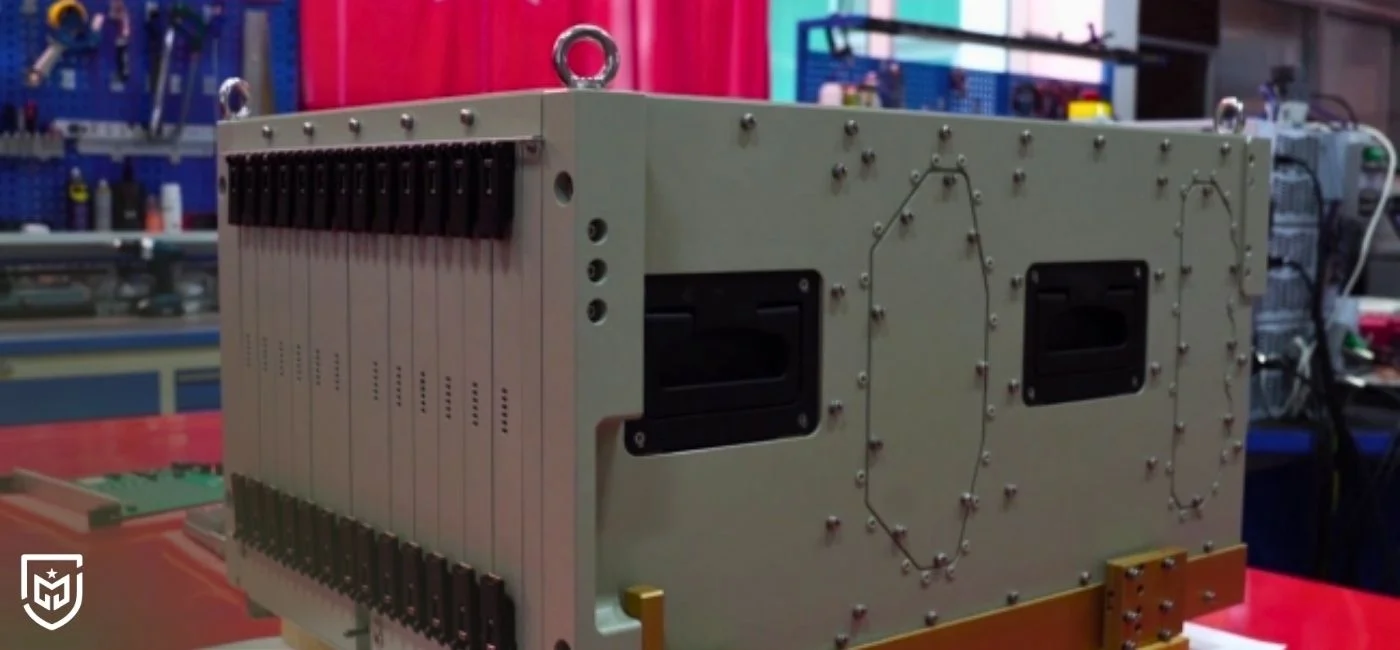
As Türkiye strengthens its presence in the Blue Homeland with new indigenous naval platforms, it also continues to localize the high-technology systems these vessels require. One of the most strategic developments in this field is Fersah — a modern hull-mounted sonar designed to enhance the Turkish Navy’s underwater situational awareness and increase deterrence against submarine threats.
Fersah is built as a next-generation sonar system capable of operating in both active and passive modes. In active mode, it detects submarines, mines, and similar underwater threats. In passive mode, it identifies and tracks acoustic signatures from submarines, torpedoes, and surface vessels. The project is led by ASELSAN, with ARMELSAN playing a key role in development. ARMELSAN Deputy General Manager Erkan Helvacılar explains that the system has been under development since 2018 and that Fersah has achieved an impressive 98% efficiency — a remarkable benchmark in the sonar domain.
Efficiency is one of the system’s strongest attributes. High-efficiency sonar units generate less heat, allowing the use of smaller cooling systems and lowering overall energy consumption. This results in improved reliability and reduced space requirements on board. Helvacılar notes that older generation sonars typically operated at around 60% efficiency, highlighting the technological leap that Fersah represents for the Turkish Navy.
The Fersah sonar will first be deployed on Barbaros-class frigates, followed by integration into the İ-class frigates. Plans also include installation on the 6th and 8th ships of the MİLGEM program as well as the TF-2000 air defense frigate — Türkiye’s future flagship in naval air defense. With a power amplifier unit capable of producing up to 72 kilowatts, Fersah can detect underwater targets from several kilometers away. Its localization rate currently stands at 95%, and both ASELSAN and ARMELSAN aim to raise this to 100%.
Although direct export of sonar systems is often restricted, Türkiye has previously exported naval platforms to countries such as Malaysia and Indonesia. Helvacılar indicates that similar channels could potentially open international doors for Fersah in the future. With its advanced performance, high localization rate, and broad integration plan, Fersah is poised to significantly strengthen Türkiye’s underwater defense capabilities while demonstrating the country’s growing expertise in high-technology naval systems.


The cookies used on our website are used to provide you with a better user experience and to improve our website. You can manage your cookie preferences from the options below.
 Rabia Kılıç
Post Comment
Comments
No comments yet.
Related News
Thales Introduces HexaForce AI-Powered Command and Control System to Gulf Region
ÇEPNI Tactical UAV Family Enters Operational Service
ASELSAN's Drone-Hunting System Completes Successful Demonstration
ASELSAN's GÖKALP drone defense system completes successful demonstration
SSB Chief Görgün Warns Against Open Source Intelligence Risks
SSB Chief: Localization in Defense Projects Starts from Design Phase
AKINCI UAV Successfully Tested with MORFOZ Guidance Kit
Ireland selects Thales Ground Master radar for air surveillance capability