


Air Forces News


BREAKING NEWS
Projects launched by the Turkish defense industry in recent years are opening the door to a new era in the training and operational capabilities of the Turkish Air Force. Turkey is now rebuilding its pilot training model, which for years relied on foreign-supplied training and combat aircraft, through largely domestic and national platforms. This transformation does not only mean replacing aircraft; it also represents the localization of an entire ecosystem, from simulators and training infrastructure to data security and operational sustainability.
For many years, the Turkish Air Force used KT-1T aircraft for basic flight training, T-38M jets for advanced jet training, and F-16 platforms for combat flight training. During this period, high training standards were supported by advanced simulators developed by HAVELSAN. In the new era, not only the digital training infrastructure but also the aircraft themselves will reflect Turkey’s engineering strength. HÜRKUŞ will replace the KT-1T in basic training, while HÜRJET, Turkey’s first jet trainer aircraft, will take over the role of the aging T-38M fleet. Pilots trained on these new domestic platforms are expected to eventually move on to the cockpit of KAAN, Turkey’s fifth-generation fighter aircraft currently under development.
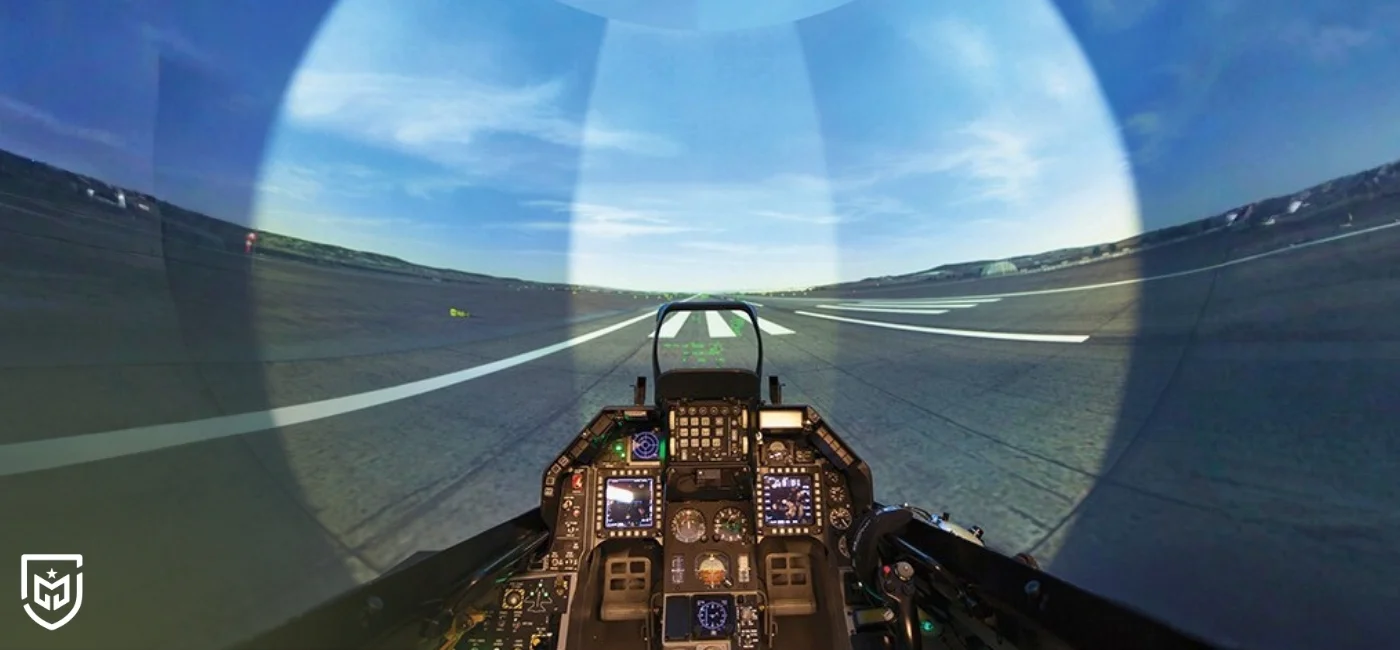
One of the most critical pillars of this new structure will be the use of national simulator solutions. HAVELSAN is developing advanced flight simulators for HÜRKUŞ, HÜRJET and KAAN, all designed and produced by Turkish Aerospace Industries (TUSAŞ). These simulators will provide pilots with a highly realistic flight experience while still on the ground. As a result, pilot candidates will be able to learn aircraft characteristics, emergency procedures and combat tactics under near-real conditions before ever entering an actual cockpit. This approach will not only improve training quality, but also create a safer and more cost-effective preparation process.
The introduction of domestic aircraft and nationally developed simulator software also carries major strategic significance for Turkey. Risks stemming from embargoes, spare part shortages or external restrictions will be reduced considerably, while the security of training data will be safeguarded through national resources. In addition, maintenance, upgrades and operational response times are expected to become faster and more efficient. This transformation marks a new chapter in Turkey’s aviation journey and will not only answer today’s defense needs, but also ensure that future fighter pilots are trained within a fully independent national defense ecosystem.



The cookies used on our website are used to provide you with a better user experience and to improve our website. You can manage your cookie preferences from the options below.
 Süheyla Yıldız
Post Comment
Comments
No comments yet.
Related News
Skyfall II Exercise: U.S. Army Demonstrates UAV Defense Capabilities in Germany
STM's Swarm UAV System Demonstrates Operational Success at Ateş Serbest-2026
TUSAŞ Kamikaze UAV Systems Achieve Success in Exercise Ateş Serbest-2026
Fire Free-2026 Exercise Successfully Completed
Spain Plans to Purchase 15 Additional Hürjet Advanced Trainers
Baykar platforms demonstrated capabilities at Ateş Serbest-2026 exercise
Turkey and Spain to Develop Joint Version of Hürjet Aircraft
Unmanned Naval and Aerial Vehicles Demonstrated Integrated Command Control Coordination