BREAKING NEWS
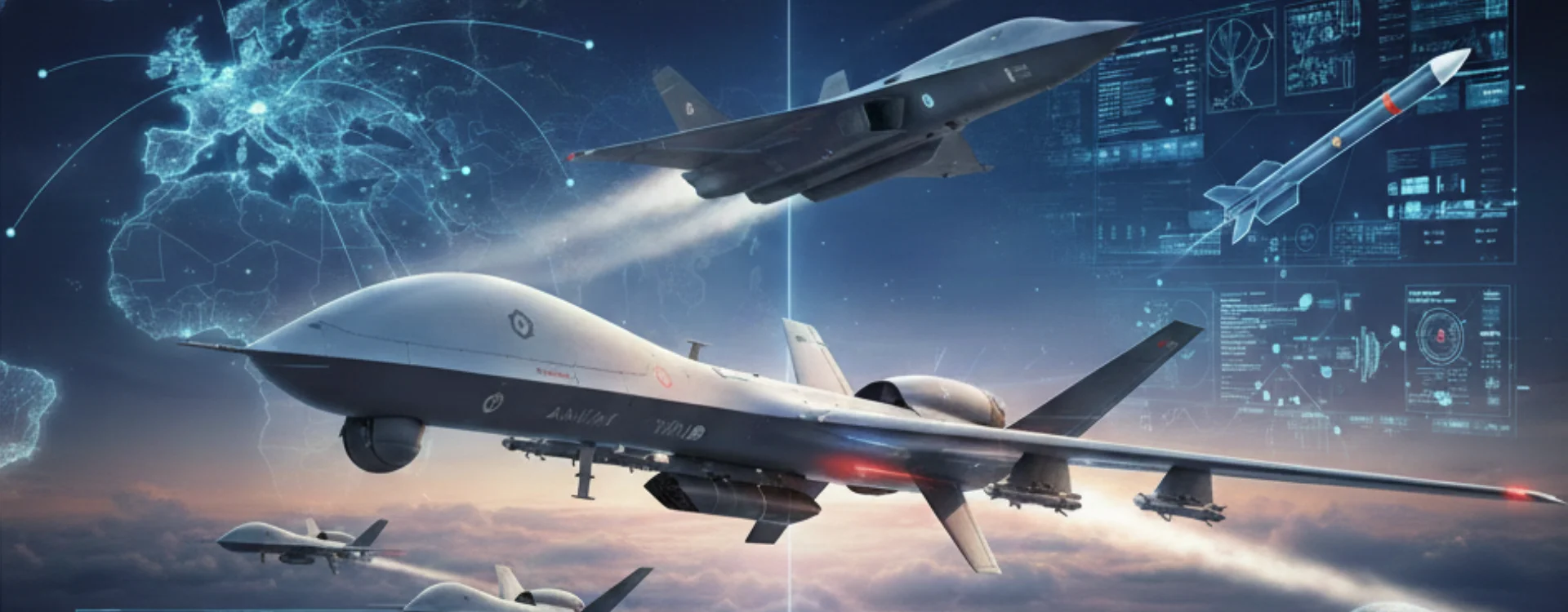
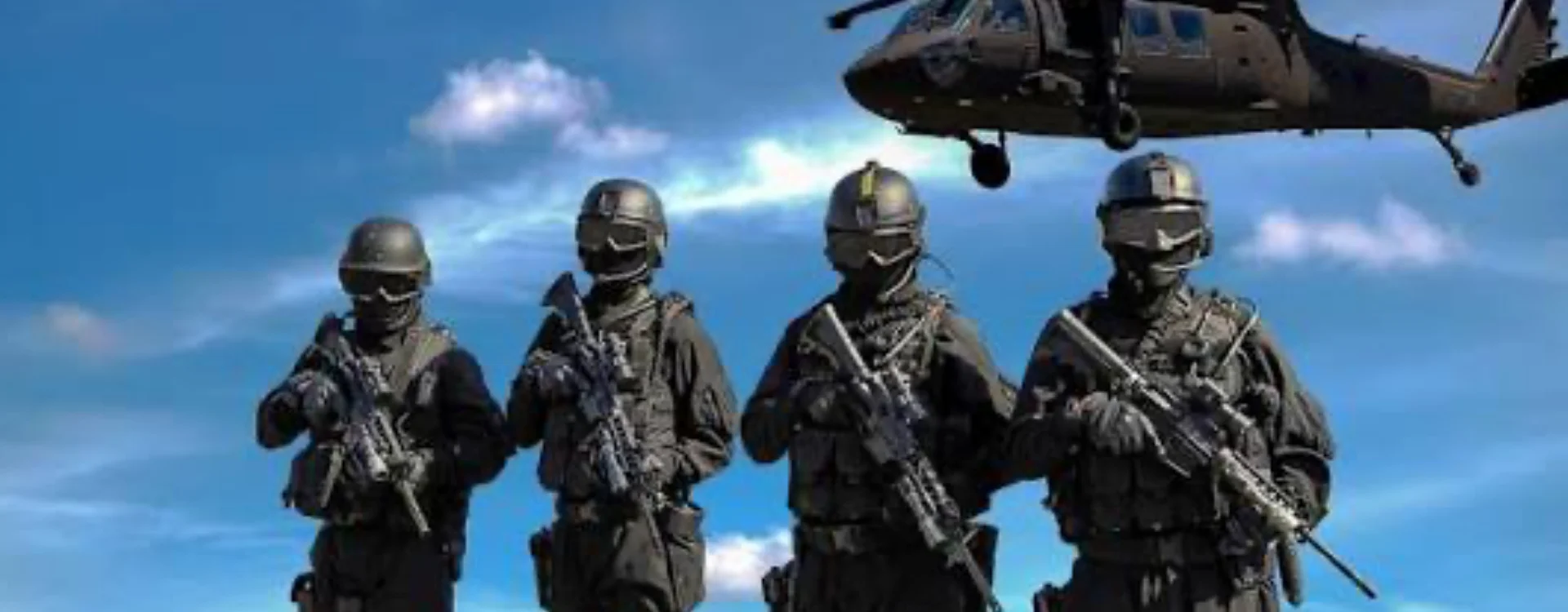
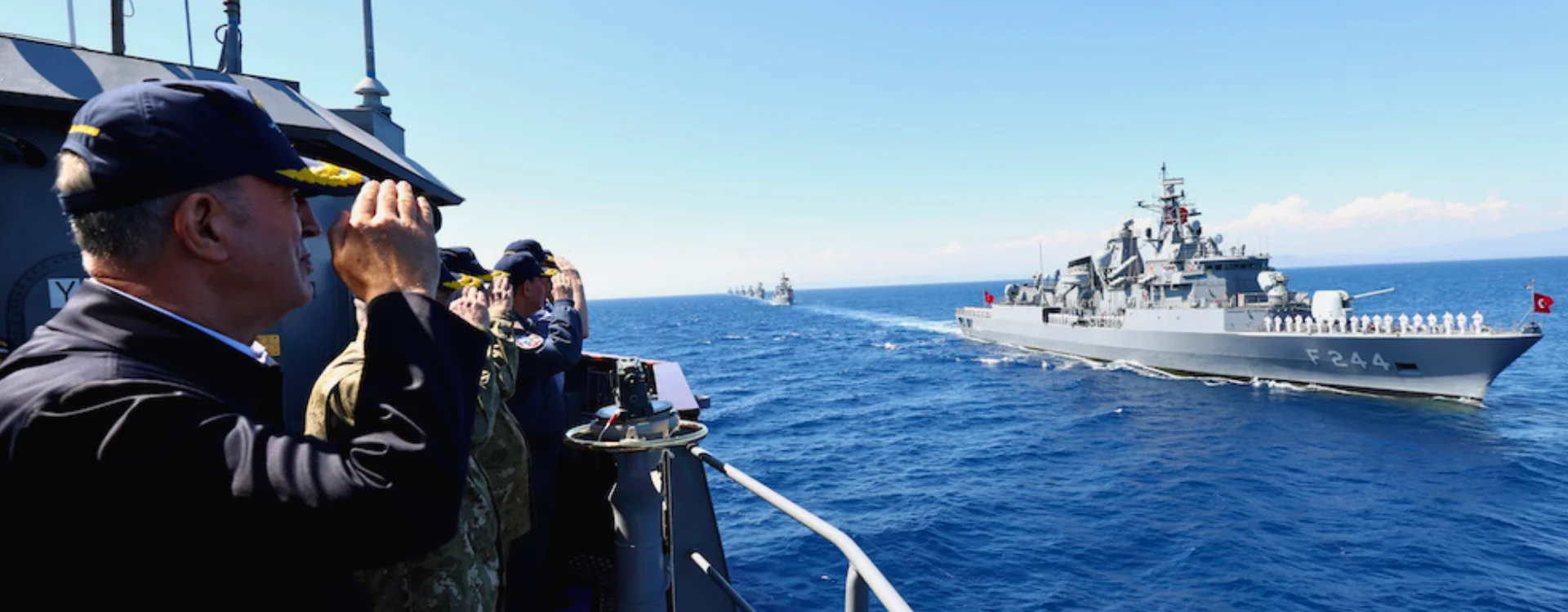
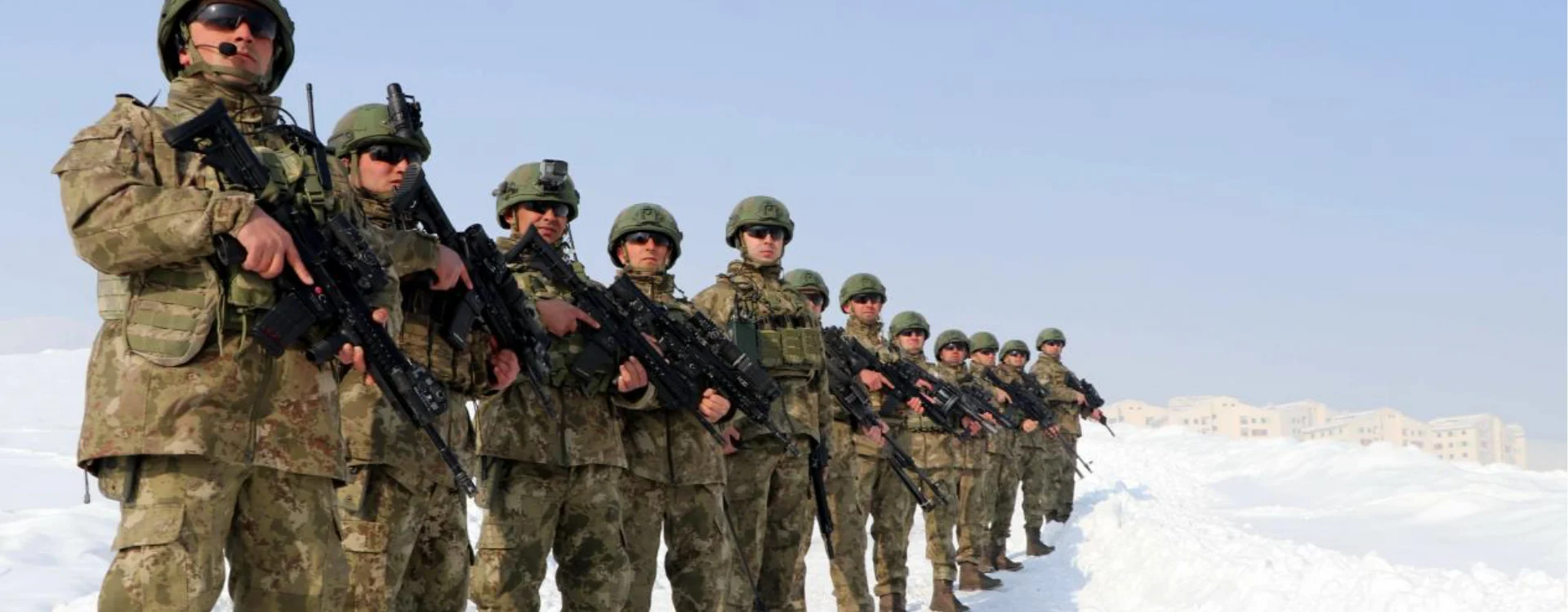
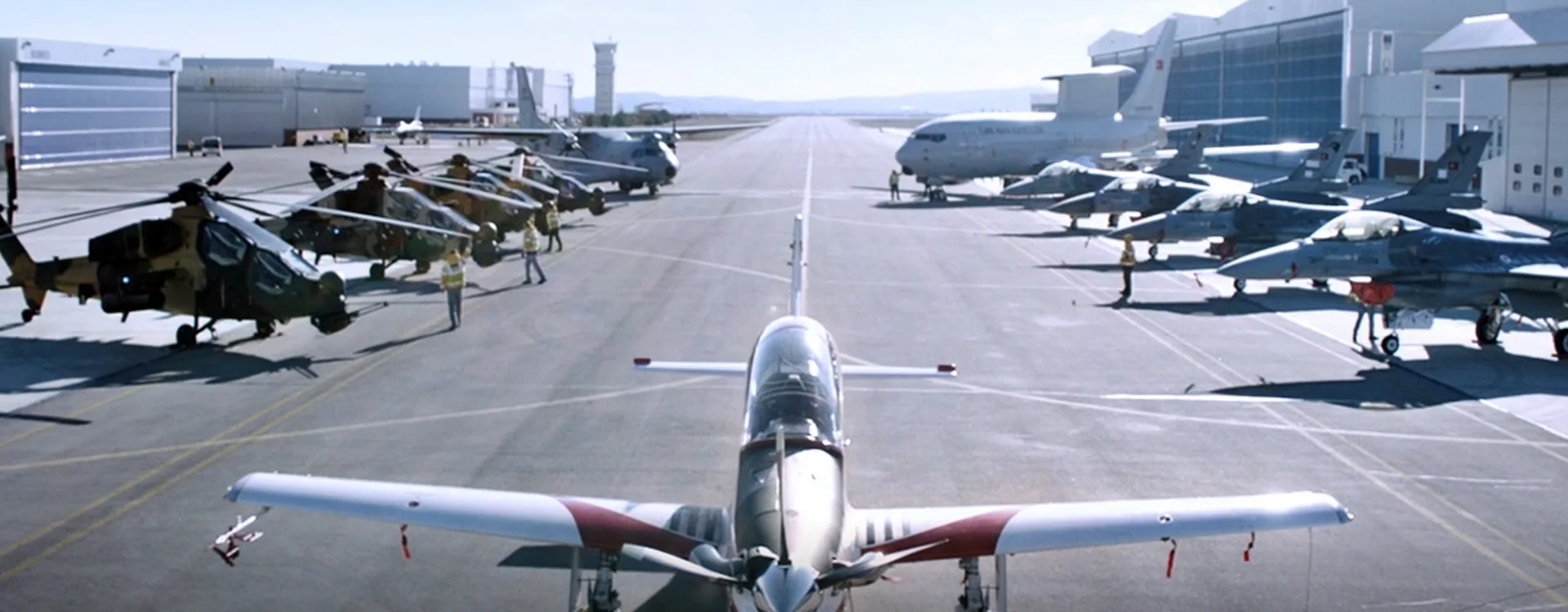
Power projection refers to a nation's ability to employ its military, technological, logistical and diplomatic capabilities to protect national interests, support security objectives and operate effectively beyond its own borders when required. In modern defense strategy, power projection is no longer limited to deploying military forces. It encompasses a broad range of capabilities, including the defense industry, air and naval platforms, strategic transportation, radar systems, satellite technologies, cybersecurity, electronic warfare and advanced command and control infrastructures. As a result, power projection has become a comprehensive strategic concept that enables countries to influence security environments and respond to emerging challenges on a regional or global scale.
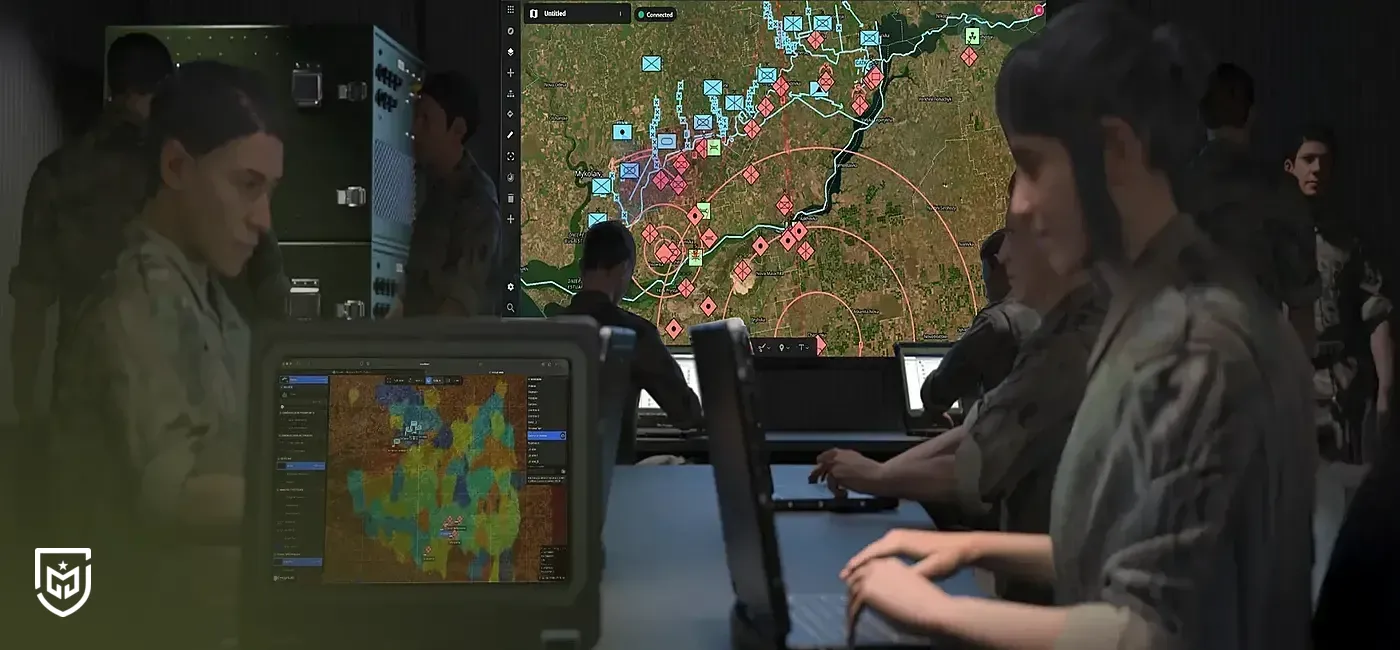
In today's security landscape, effective power projection depends on the seamless coordination of land, air and naval forces. Advanced command and control systems, early warning networks, secure communication infrastructures and real-time data sharing allow different military branches to operate within a unified operational framework. This level of integration enhances operational flexibility, improves response times and increases the overall effectiveness of defense operations.
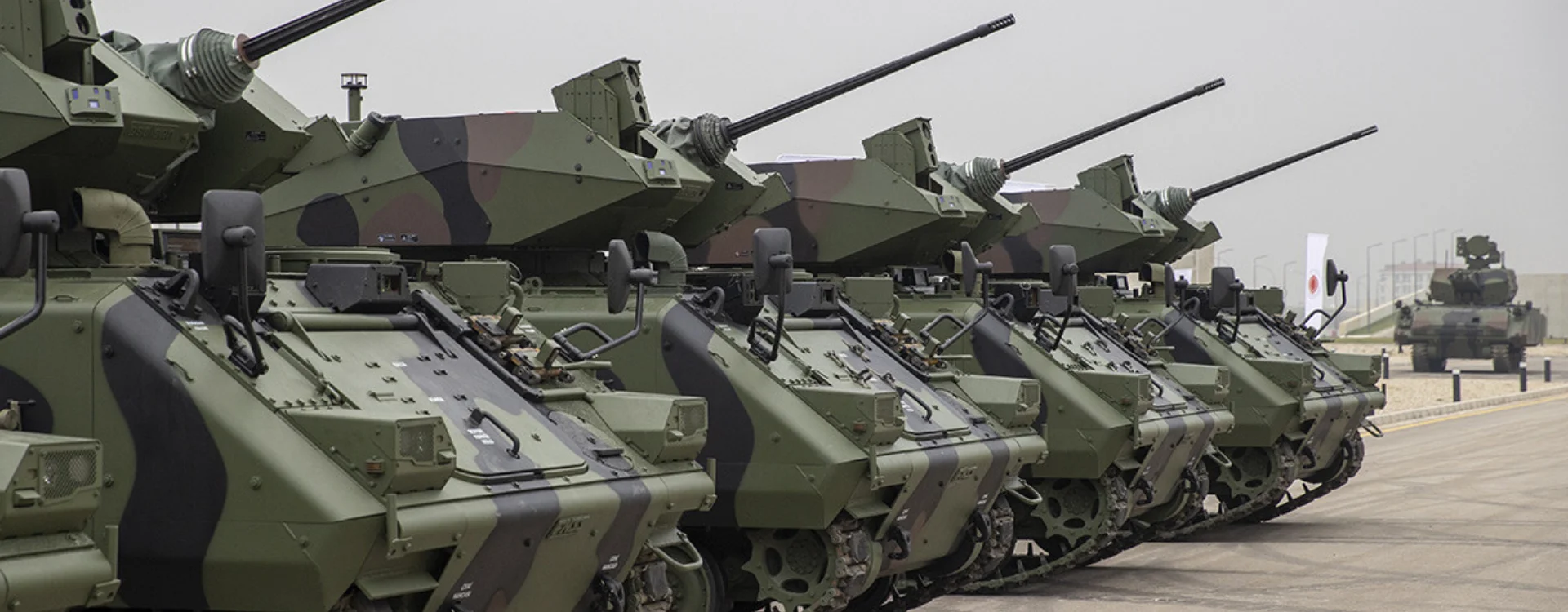
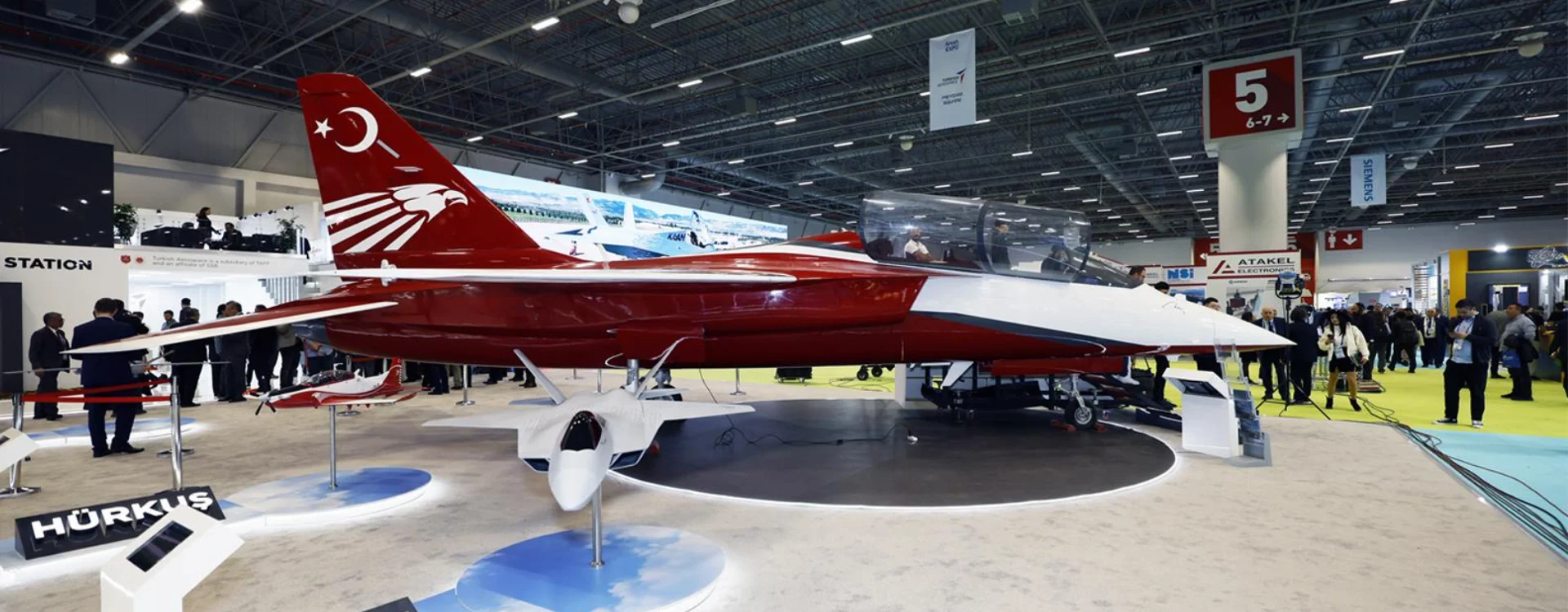
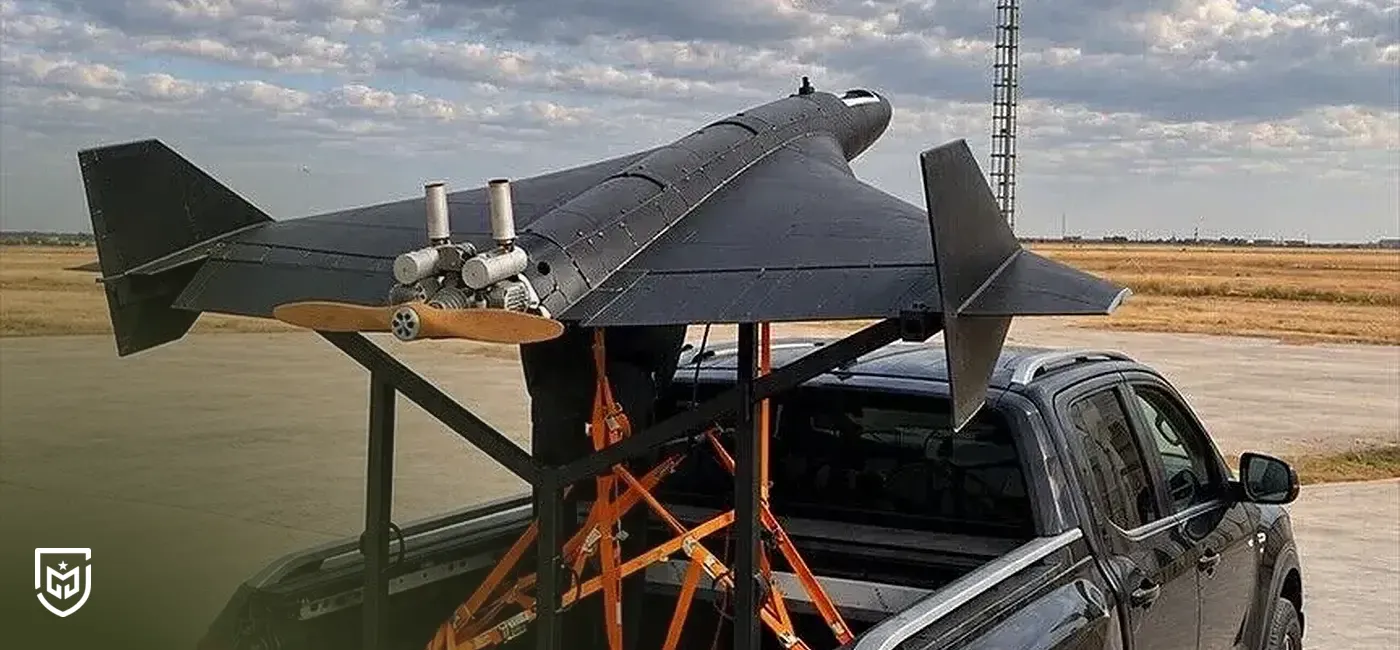
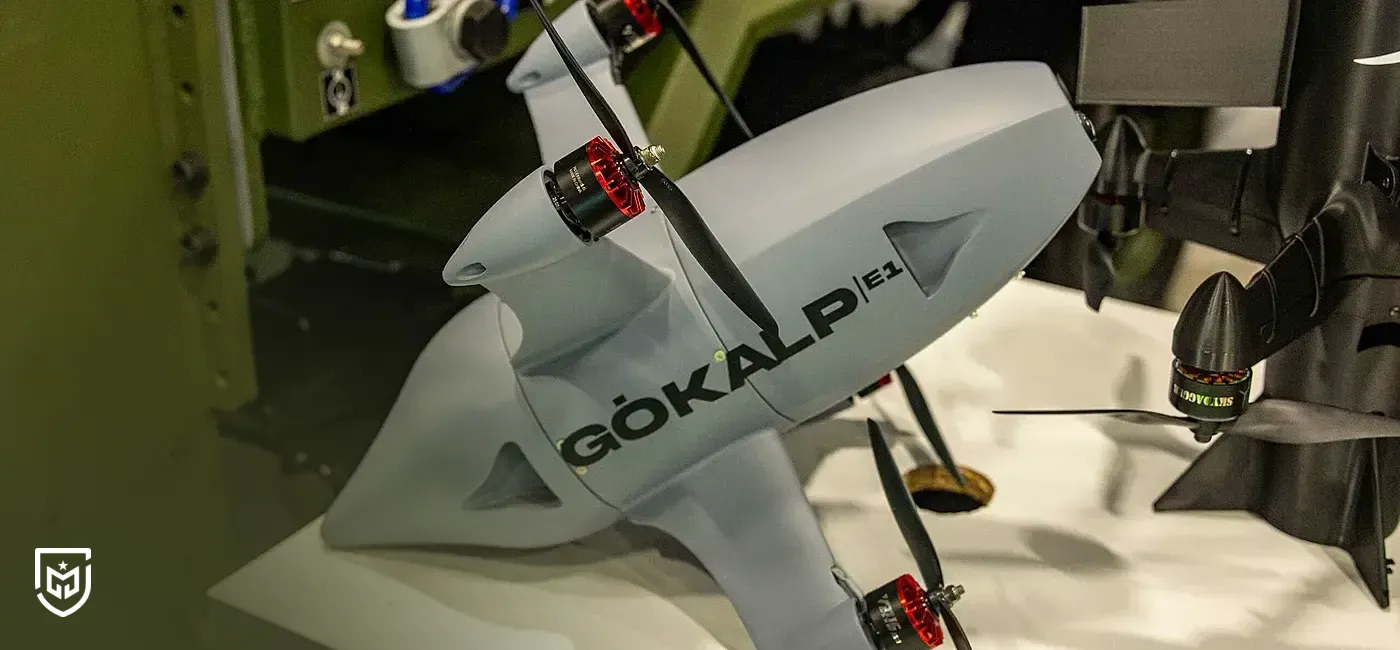
One of the most important pillars of power projection is the defense industry. Domestic production capabilities, research and development initiatives, advanced engineering and high-technology manufacturing strengthen a nation's ability to sustain strategic operations. Long-range radar systems, air defense solutions, naval platforms, unmanned aerial vehicles and secure communication technologies are among the key assets that support modern power projection capabilities.
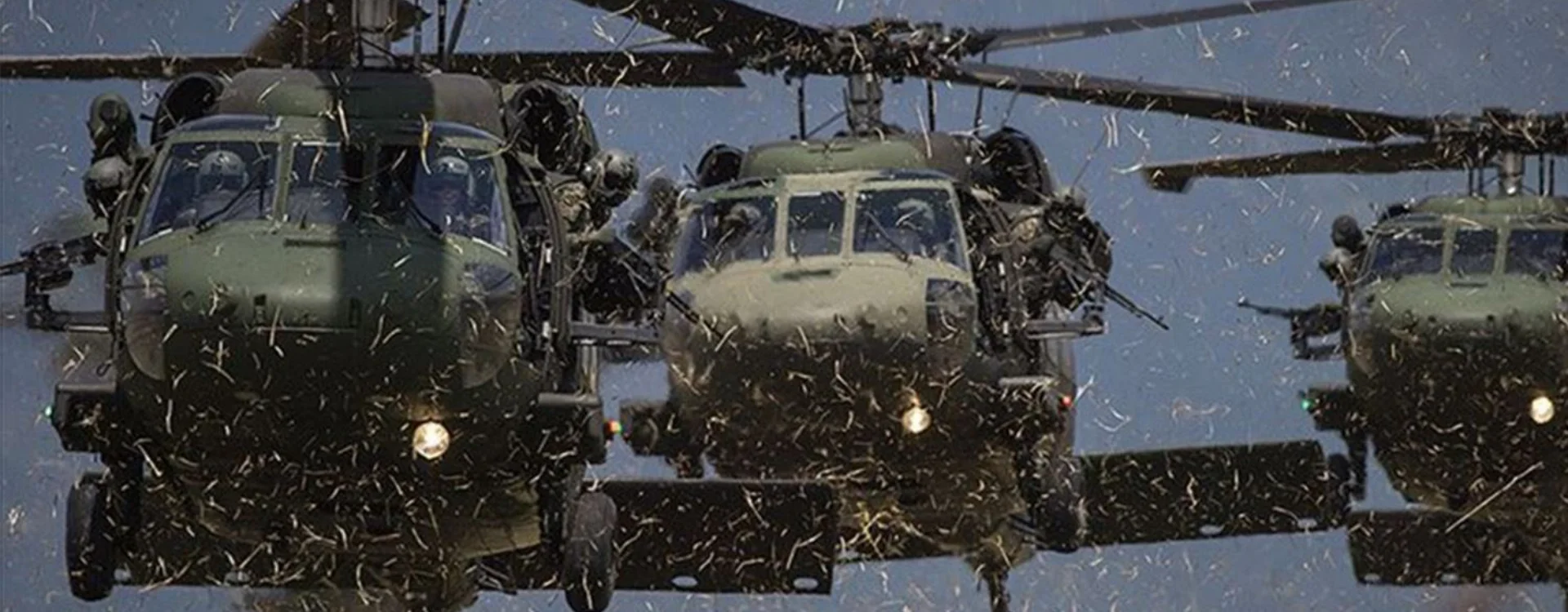
Logistics and strategic mobility are equally essential for maintaining power projection. Efficient transportation of personnel, equipment, fuel, maintenance resources and technical support enables defense forces to operate effectively across multiple regions. A resilient logistics infrastructure enhances operational endurance while supporting long-term strategic planning and mission readiness.
Another critical component is intelligence, reconnaissance and surveillance systems. Radar networks, satellite technologies, electro-optical sensors and advanced data analysis platforms provide decision-makers with comprehensive situational awareness. Artificial intelligence further strengthens these capabilities by processing vast amounts of information rapidly, enabling faster assessments and more informed strategic decisions.
Cybersecurity and electronic warfare have also become indispensable elements of modern power projection. Protecting communication networks, securing critical digital infrastructure and maintaining operational effectiveness within the electromagnetic spectrum are essential for sustaining modern defense operations. These capabilities improve resilience against evolving threats while supporting integrated military operations.
In conclusion, power projection is far more than the deployment of military forces to a particular region. It represents a comprehensive defense capability that integrates the defense industry, artificial intelligence, radar technologies, air and naval platforms, electronic warfare, cybersecurity, logistics, intelligence and strategic planning into a unified framework. In the modern security environment, nations that successfully develop technological innovation, strengthen logistical capabilities and integrate all elements of national defense are better positioned to maintain strategic influence and support long-term security objectives.


The cookies used on our website are used to provide you with a better user experience and to improve our website. You can manage your cookie preferences from the options below.




 Süheyla Yıldız