BREAKING NEWS
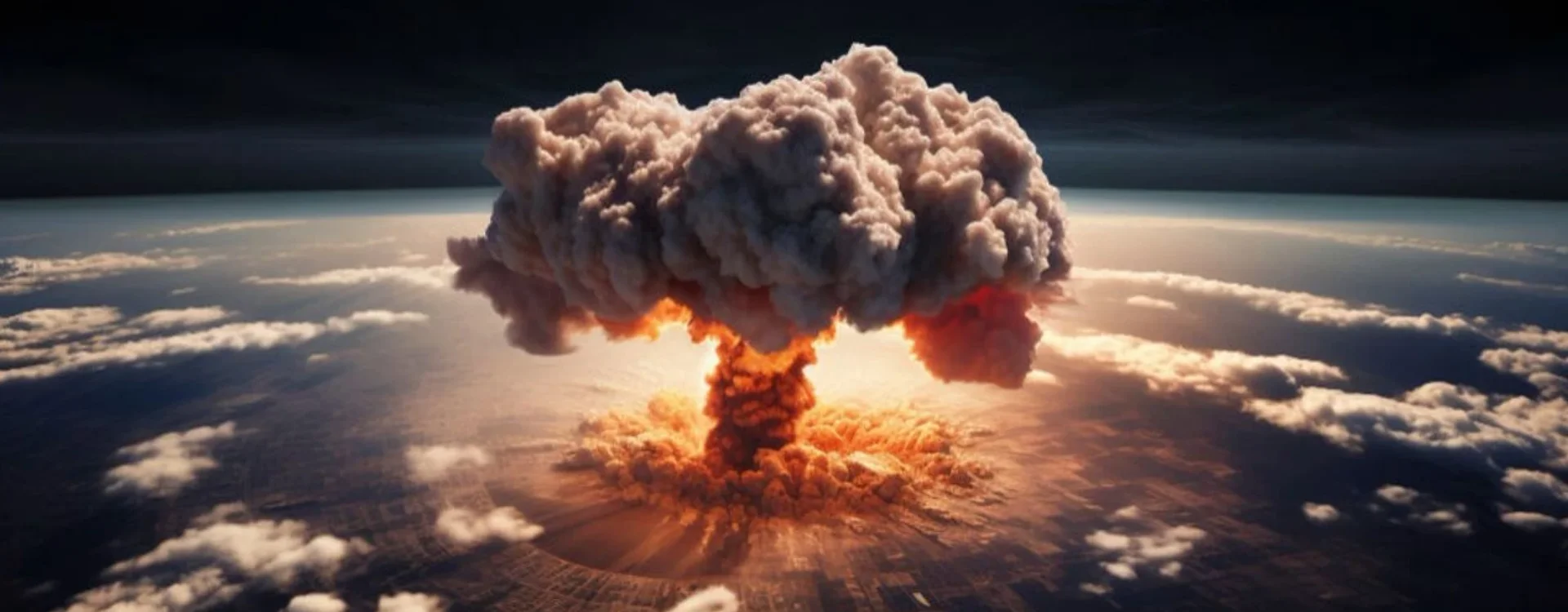
Nuclear warfare refers to armed conflict involving the use or potential use of nuclear weapons, making it the most destructive form of warfare ever developed. Due to their immense destructive power, long-term environmental consequences and global security implications, nuclear weapons occupy a unique position in modern military strategy. Unlike conventional weapons, nuclear weapons can produce catastrophic effects through intense blast waves, extreme heat, ionizing radiation and electromagnetic pulse (EMP), with consequences that may extend far beyond the immediate battlefield. As a result, nuclear warfare remains one of the most significant concerns in international security, strategic planning and global stability.
In today's security environment, nuclear warfare encompasses far more than the actual use of nuclear weapons. It also involves nuclear deterrence, strategic stability, missile defense systems, early warning capabilities and international crisis management. Governments invest heavily in defense planning, diplomacy and strategic communication to reduce the likelihood of nuclear conflict while maintaining credible deterrence against potential adversaries.
At the center of nuclear warfare are nuclear weapons, which release enormous amounts of energy through nuclear fission or nuclear fusion reactions. Compared with conventional munitions, nuclear weapons possess vastly greater destructive potential. Their effects include powerful shock waves, extreme thermal radiation, ionizing radiation and electromagnetic pulse (EMP), all of which can cause widespread damage to infrastructure, military assets and civilian populations. Because of these capabilities, nuclear weapons are regarded as the ultimate instruments of strategic deterrence.
Nuclear deterrence is one of the fundamental concepts of modern defense strategy. It is based on the principle that states possessing nuclear weapons can discourage aggression by maintaining the capability to inflict unacceptable damage in response to an attack. This concept relies on credible second-strike capability, secure command-and-control systems and survivable strategic forces. The objective is not to fight a nuclear war but to prevent one from occurring through the threat of overwhelming retaliation.
A central element of nuclear deterrence is the nuclear triad, consisting of land-based intercontinental ballistic missiles (ICBMs), submarine-launched ballistic missiles (SLBMs) and strategic bomber aircraft. Maintaining these three delivery systems enhances survivability, operational flexibility and deterrence credibility by ensuring that a nation retains a retaliatory capability under various circumstances.
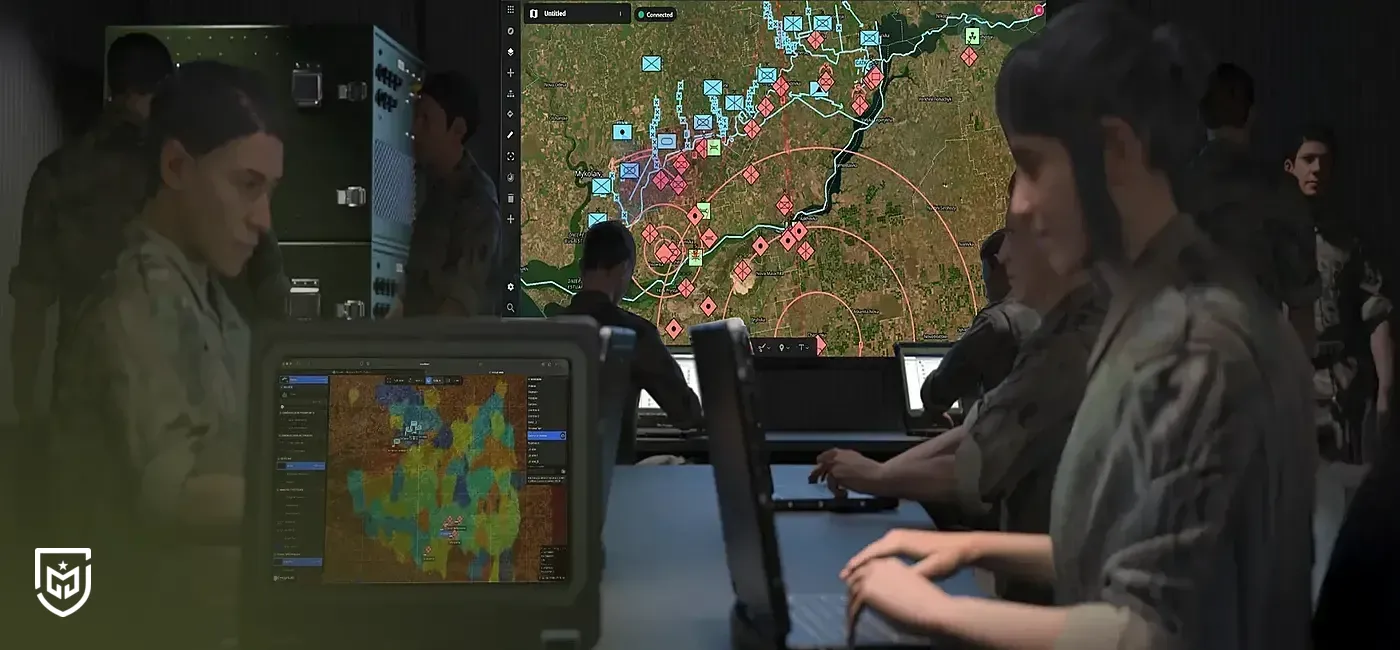
Modern defense strategies place great emphasis on early warning and missile defense systems. Space-based sensors, long-range radar networks, missile tracking systems and advanced surveillance technologies continuously monitor for potential ballistic missile launches. Information collected from these systems is transmitted to command centers, allowing military and political leaders to assess threats rapidly and coordinate appropriate defensive responses.
Cybersecurity and electronic warfare have become increasingly important components of nuclear security. Nuclear command-and-control systems, communication networks and early warning infrastructure must remain secure against cyber intrusions and electronic interference. Protecting these systems is essential for preventing false alarms, maintaining reliable communications and ensuring that strategic decision-making processes remain accurate during periods of heightened tension.
One of the defining characteristics of nuclear warfare is its humanitarian and environmental impact. Large-scale nuclear detonations can cause widespread casualties, long-term radiation exposure, infrastructure destruction and severe environmental damage. Potential consequences may include disruptions to food production, economic instability and long-lasting public health challenges. These risks have made nuclear conflict a major concern for governments, defense planners and the international community.
To reduce these risks, international diplomacy and strategic crisis management play an essential role. Diplomatic dialogue, confidence-building measures, arms control agreements, verification mechanisms and secure communication channels are designed to lower tensions, reduce the possibility of miscalculation and strengthen strategic stability between states possessing nuclear capabilities.
Technological advances continue to influence nuclear strategy. Artificial intelligence, advanced radar systems, satellite surveillance, missile defense technologies, big data analytics and secure communication networks improve early warning, threat assessment and operational decision-making. However, despite these technological developments, human oversight remains essential in nuclear command structures, reflecting the extraordinary consequences associated with decisions involving nuclear weapons.
In conclusion, nuclear warfare represents the most destructive form of armed conflict in human history, with consequences extending far beyond military objectives. Modern defense policies therefore emphasize deterrence, missile defense, early warning capabilities, cybersecurity, international diplomacy and strategic stability rather than the use of nuclear weapons themselves. By combining technological innovation with responsible political decision-making and international cooperation, nations seek to minimize the risk of nuclear conflict while preserving global peace and international security.


The cookies used on our website are used to provide you with a better user experience and to improve our website. You can manage your cookie preferences from the options below.





 Süheyla Yıldız