BREAKING NEWS
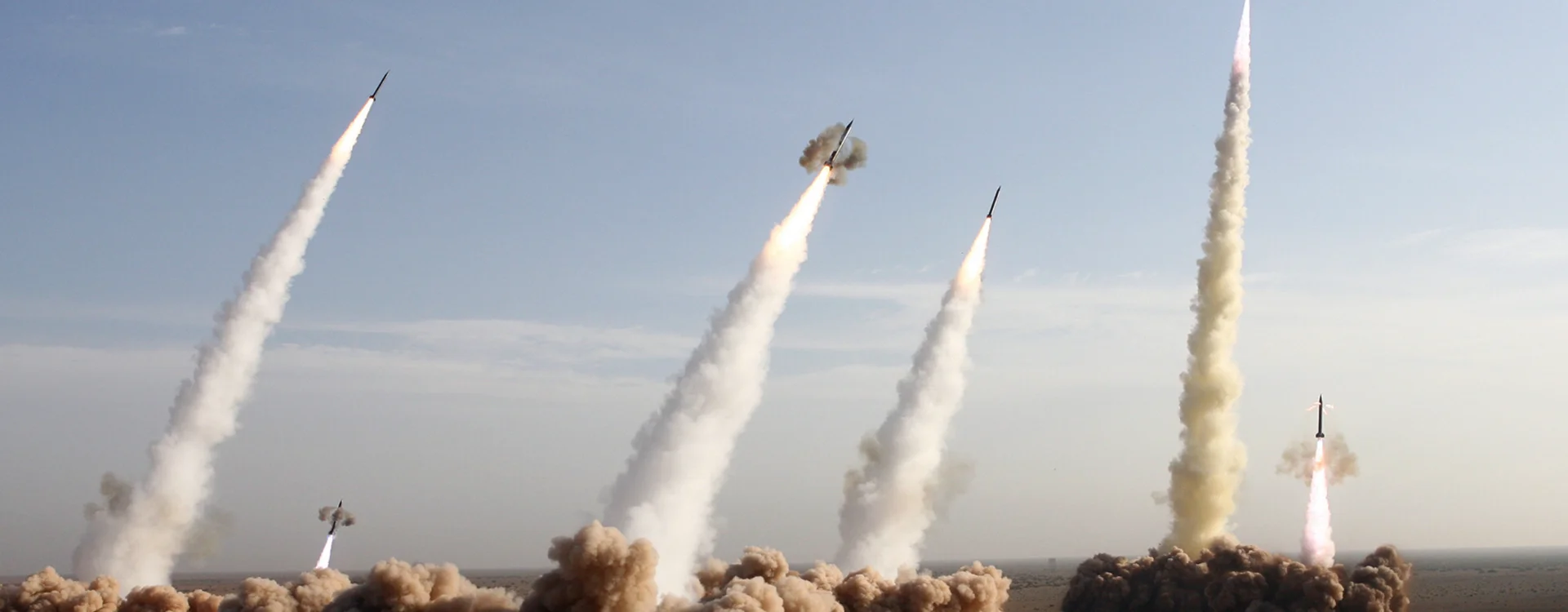
Military threat analysis is the systematic process of identifying, assessing and monitoring existing or potential risks that could affect a nation's national security, defense capabilities and strategic interests. It extends beyond evaluating another country's military strength and also considers political developments, economic conditions, technological advancements, geographic factors, alliance structures, cyber activities and regional instability. The primary objective is to identify potential threats before they emerge, assess both their likelihood and possible impact, and support defense planning through informed strategic decision-making. A comprehensive military threat analysis enables policymakers and defense planners to reduce uncertainty, prioritize resources and strengthen national preparedness against evolving security challenges.
The foundation of military threat analysis is the evaluation of the strategic environment. Geographic location, neighboring countries, regional conflicts, maritime routes, energy corridors and the international balance of power all influence a nation's security landscape. Analysts examine not only current developments but also medium- and long-term political, military and technological trends. This broader perspective helps distinguish temporary tensions from long-term strategic challenges that may require sustained attention.
A central principle of threat analysis is the distinction between intent and capability. Possessing advanced military systems does not automatically constitute a direct threat. Analysts must also evaluate how those capabilities are organized, deployed and integrated into national defense strategies. Likewise, a state may demonstrate aggressive rhetoric while lacking the operational capacity to act upon it. Reliable assessments therefore consider both what an actor is capable of doing and what it intends to achieve.
Military capability assessments examine a wide range of factors, including personnel quality, training standards, command structures, technological readiness, logistics and operational experience. The effectiveness of land, air and naval forces depends not only on the quantity of available resources but also on their ability to function together. Radar systems, air defense networks, unmanned platforms, satellite communications, electronic warfare capabilities and advanced sensing technologies are among the defining elements of modern military capability. However, these technologies require sustainable maintenance, secure communications, trained personnel and logistical support to achieve their full operational potential.
Another important component of military threat analysis is the assessment of the operational environment. Terrain, climate, urbanization, transportation infrastructure and critical facilities all influence defense planning. Mountainous terrain, coastal regions and densely populated urban areas each present different operational challenges. Maritime chokepoints, airspace characteristics and logistical routes also affect strategic planning and the development of effective defense responses.
Modern security challenges extend far beyond conventional military threats. Hybrid threats combine traditional military capabilities with cyber operations, disinformation campaigns, economic pressure, proxy actors and political influence activities. These complex threats are often difficult to detect and attribute, requiring close cooperation among defense organizations, intelligence agencies, cybersecurity authorities, diplomatic institutions and critical infrastructure operators.
Cyber threat analysis has become a crucial element of military planning. Command and control networks, radar systems, communication infrastructure, energy facilities and logistics platforms may all be exposed to cyber risks. Threat assessments therefore include external cyberattacks, software vulnerabilities, supply chain risks, insider threats and attempts to compromise data integrity. Even without physical conflict, cyber incidents can significantly disrupt defense operations and reduce military readiness.
Electronic warfare and the electromagnetic spectrum represent another critical area of modern threat assessment. Analysts evaluate the resilience of radar systems, communication networks, satellite links and navigation infrastructure against electronic interference. Electronic support, electronic protection and signals intelligence capabilities can significantly influence operational effectiveness by shaping information superiority within the electromagnetic domain.
Intelligence, reconnaissance and surveillance (ISR) provide the essential information required for military threat analysis. Data collected from radar systems, satellite imagery, electronic sensors, open-source intelligence and multiple intelligence disciplines are combined to produce comprehensive assessments. Information is cross-checked, validated and evaluated according to its reliability. Artificial intelligence can accelerate the processing of large data sets, but human expertise, contextual understanding and analytical judgment remain indispensable for producing accurate strategic assessments.
Military threats are generally categorized according to their probability and potential impact. A highly likely but limited-risk event requires a different response than a low-probability event with severe strategic consequences. Defense planners therefore develop multiple scenarios—including best-case, most likely and worst-case situations—to prepare for a wide range of potential developments and improve strategic resilience.
Early warning indicators play an essential role in continuous threat monitoring. Changes in force deployments, military exercises, logistical preparations, diplomatic rhetoric, defense spending, cyber activities and unusual communication patterns may signal emerging risks. However, individual indicators rarely provide definitive conclusions on their own. Effective analysis requires combining multiple sources of information and interpreting them within their broader strategic context to reduce the likelihood of false assessments.
The findings of military threat analysis directly influence defense doctrine, force planning and capability development. They help determine which technologies should be acquired, which defense systems require modernization, how personnel should be trained and how critical infrastructure should be protected. These assessments also support military exercises, contingency planning and interagency coordination, ensuring that defense organizations remain prepared for evolving security environments.
One of the greatest challenges in military threat analysis is the risk of misjudgment. Incomplete information, outdated intelligence, political bias or overestimating or underestimating an adversary's capabilities can lead to ineffective defense planning. For this reason, threat analysis should never be viewed as a one-time assessment. It must be continuously updated, validated against new information and reviewed through multiple analytical perspectives to maintain accuracy and strategic relevance.
In conclusion, military threat analysis is far more than estimating another nation's military strength. It is a comprehensive security process that integrates strategic intent, operational capability, geography, logistics, technology, cybersecurity, electronic warfare, intelligence and political developments into a unified assessment. Effective military threat analysis enables nations to identify risks early, allocate defense resources efficiently and build resilient security strategies capable of adapting to an increasingly complex global environment.


The cookies used on our website are used to provide you with a better user experience and to improve our website. You can manage your cookie preferences from the options below.





 Süheyla Yıldız