BREAKING NEWS
International military law is the body of international legal principles and rules that regulate the activities of armed forces, the conduct of military operations and the legal responsibilities of states during both peace and armed conflict. This field of law establishes the legal framework governing the conduct of warfare, the protection of civilians, the treatment of prisoners of war and the obligations of states under international agreements. Today, international military law has become an essential component of the global security system, working alongside defense strategies, international humanitarian law, military planning, cybersecurity and advanced defense technologies to ensure that military operations are carried out in accordance with internationally recognized legal standards.
The primary objective of international military law is to limit the humanitarian consequences of armed conflict, protect human dignity and ensure that states exercise military power within the boundaries of international law. Its application extends far beyond wartime. International military law also governs multinational military cooperation, joint exercises, peace support operations and other defense-related activities conducted during peacetime. This shared legal framework enables armed forces from different nations to operate together under common legal principles while promoting stability and international cooperation.
One of the most significant components of international military law is international humanitarian law (IHL). These legal principles are designed to protect civilians, ensure medical treatment for wounded and sick personnel, guarantee humane treatment for prisoners of war and prohibit unnecessary suffering during armed conflicts. Military commanders integrate these humanitarian obligations into operational planning to balance military objectives with legal and ethical responsibilities.
Another fundamental element concerns the lawful use of force and the right of self-defense. International military law establishes the legal circumstances under which states may employ military force to defend themselves against armed attacks. Military operations are expected to comply with key legal principles including necessity, proportionality and distinction, ensuring that operational effectiveness remains consistent with international legal obligations.
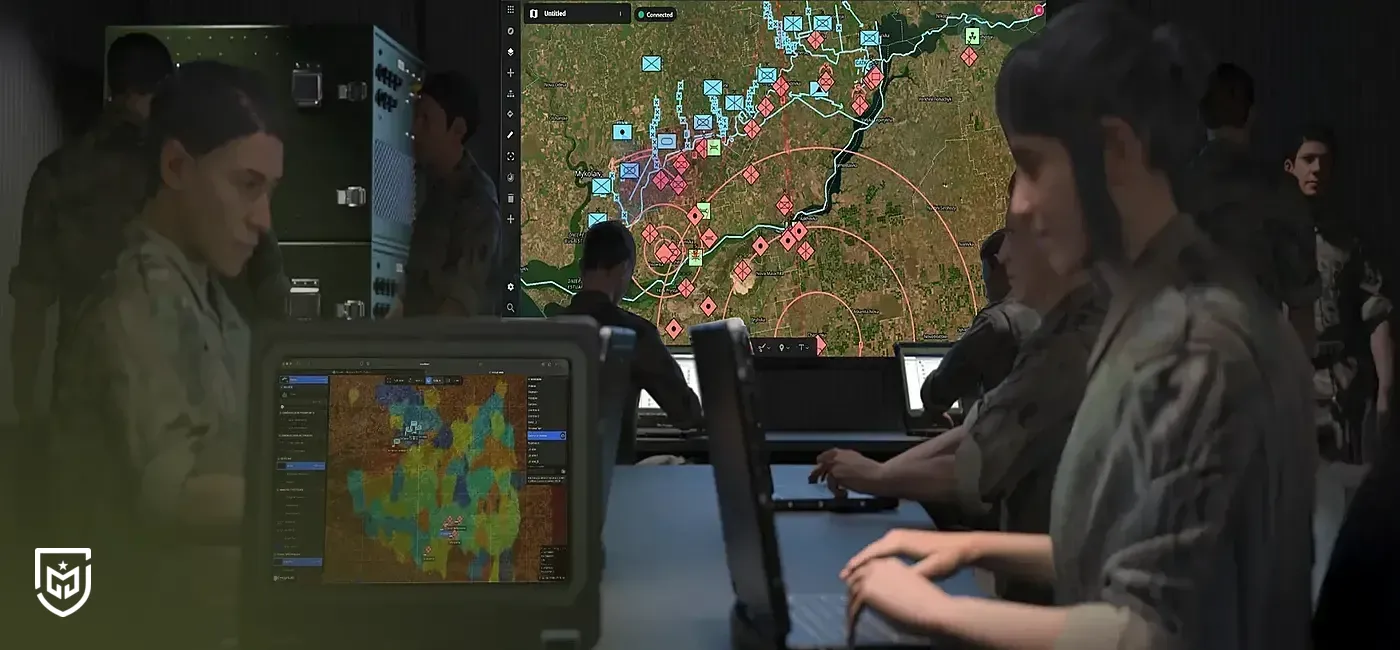
Modern international military law places significant emphasis on military operational planning. Target analysis, risk assessment, intelligence gathering, radar systems, integrated air defense networks and electronic warfare capabilities are evaluated alongside legal considerations before military operations are conducted. This integrated planning process supports lawful decision-making while reducing operational and humanitarian risks.
Cybersecurity has rapidly emerged as one of the most dynamic areas of international military law. Cyber operations directed against critical infrastructure, military command systems, communication networks, energy facilities or other strategic assets present complex legal questions regarding state responsibility, sovereignty and the lawful use of defensive cyber capabilities. As cyber threats continue to evolve, international legal discussions increasingly focus on establishing appropriate legal standards for cyberspace.
Within international military law, Intelligence, Surveillance and Reconnaissance (ISR) activities also play a critical role. Satellite systems, radar networks, electro-optical sensors and multiple intelligence sources provide commanders with the situational awareness required for lawful operational planning. Artificial intelligence can significantly improve the speed and accuracy of intelligence analysis by processing large datasets; however, legal accountability and final operational decisions remain the responsibility of qualified human decision-makers.
International military cooperation and multinational operations represent another important area governed by international military law. Joint exercises, peace support missions, maritime security operations and collective defense activities require participating armed forces to follow common legal standards. This shared framework improves operational interoperability while reducing legal uncertainty during multinational military missions.
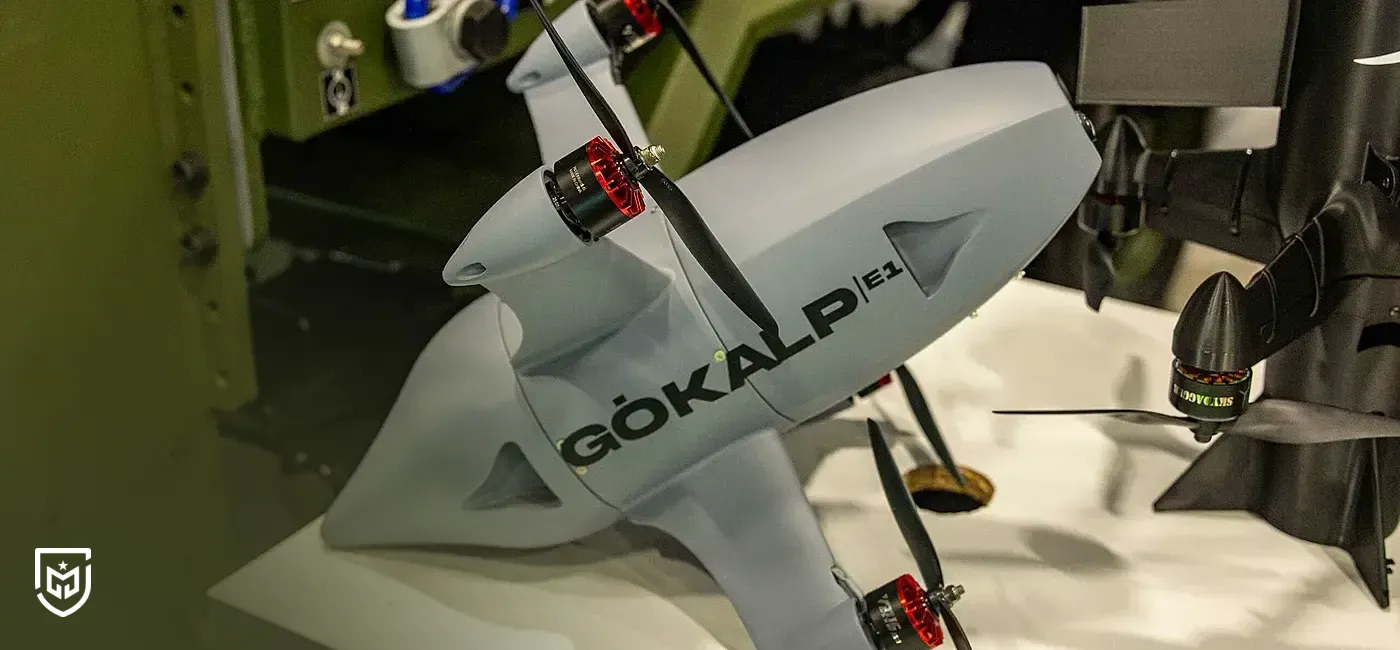
As military technology continues to advance, artificial intelligence, unmanned aerial vehicles, autonomous weapon systems, space technologies and electronic warfare capabilities are creating new legal and operational challenges. International military law continues to evolve to address these emerging technologies while ensuring that innovation remains consistent with humanitarian principles, accountability and international legal obligations.
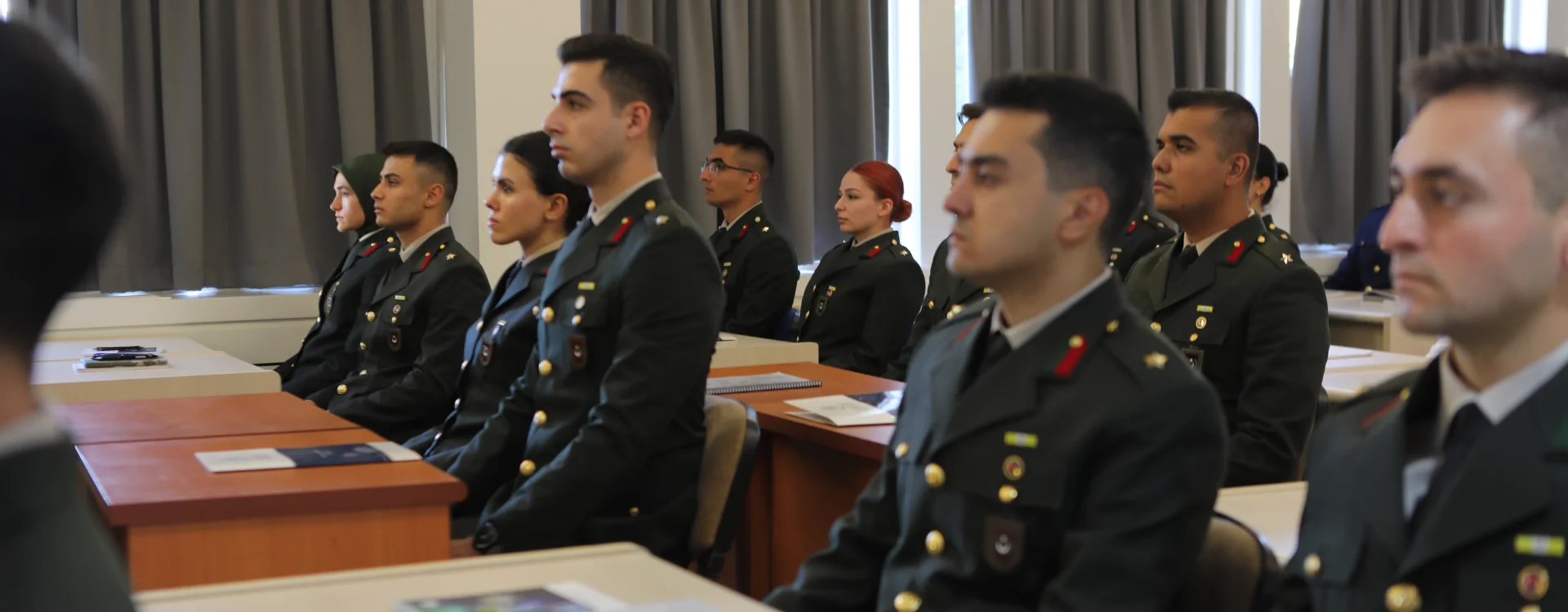
Education and professional training are equally important for the effective implementation of international military law. Armed forces around the world provide legal instruction to military personnel, commanders and operational planners to ensure they understand international obligations before participating in military missions. Regular exercises, legal reviews and multinational cooperation contribute to strengthening compliance with internationally accepted legal standards.
In conclusion, international military law is a comprehensive legal framework that regulates the activities of armed forces, promotes the protection of human dignity and continuously adapts to emerging security challenges and technological developments. By integrating defense strategy, military planning, international humanitarian law, cybersecurity, intelligence and advanced defense technologies, international military law plays an indispensable role in maintaining global security, promoting responsible military conduct and upholding the rule of law in an increasingly complex international environment.


The cookies used on our website are used to provide you with a better user experience and to improve our website. You can manage your cookie preferences from the options below.





 Süheyla Yıldız