BREAKING NEWS
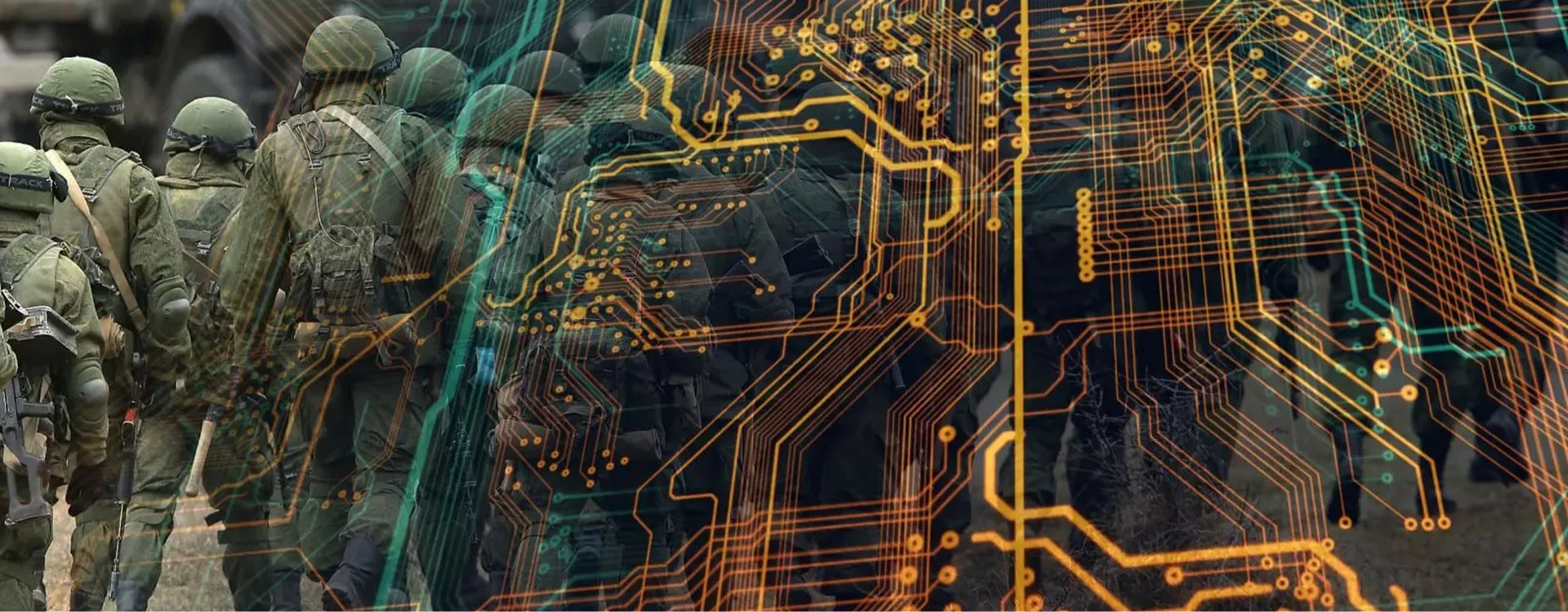
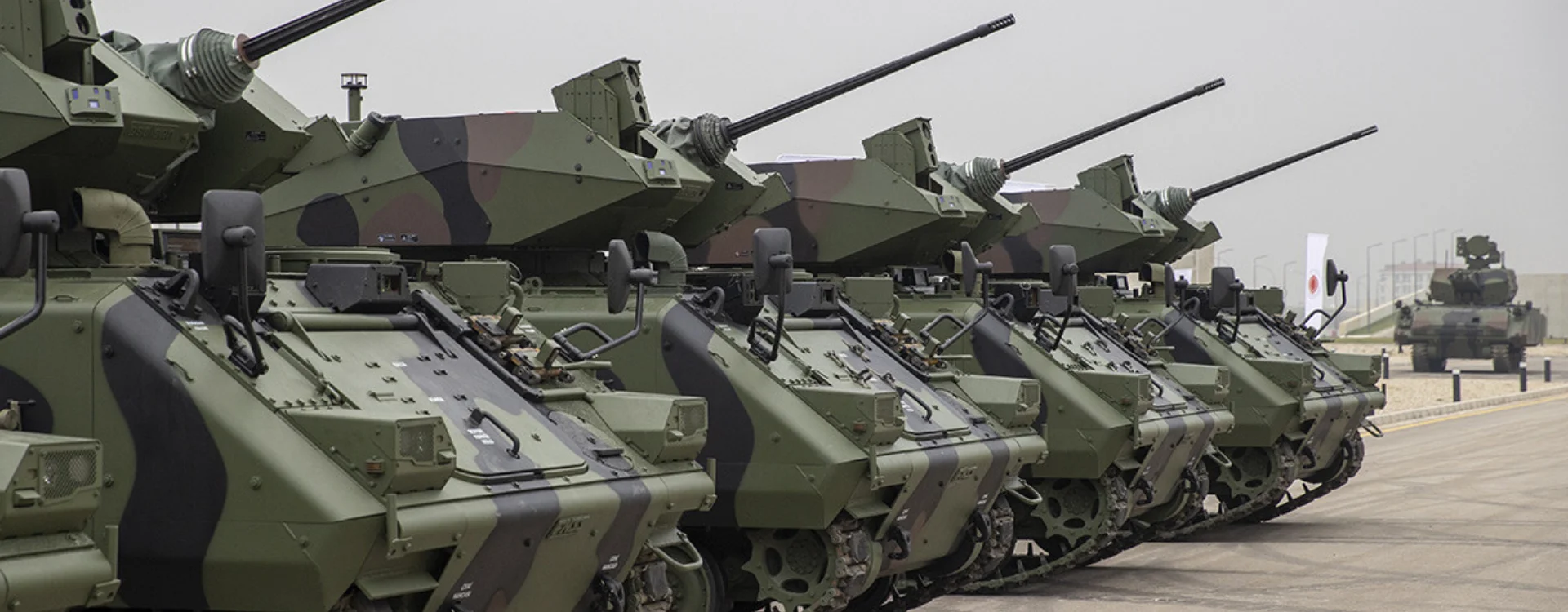
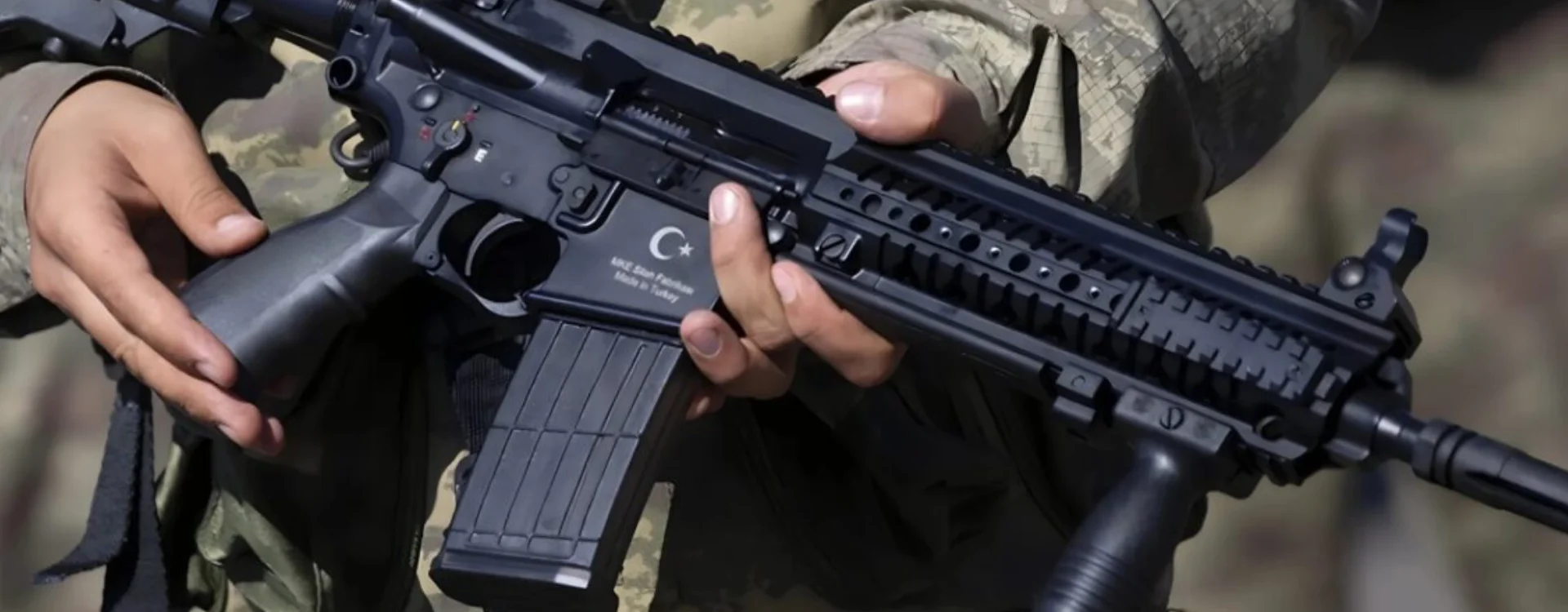
Conventional warfare is a form of armed conflict conducted between the regular armed forces of sovereign states using traditional military weapons, organized combat formations and established military tactics. In this type of warfare, land, air and naval forces operate in a coordinated manner to achieve clearly defined military and strategic objectives. Conventional warfare relies on military assets such as tanks, armored vehicles, artillery systems, fighter aircraft, naval warships, missile systems and professional infantry units. Although technological innovation has transformed the battlefield, conventional warfare remains one of the fundamental pillars of modern defense strategy and military planning.
The primary objective of conventional warfare is to achieve military superiority by weakening or neutralizing an opponent's military capabilities while securing strategic objectives. Operations are carefully coordinated across land, air and maritime domains to maximize combat effectiveness. Modern conventional warfare is further enhanced through advanced intelligence capabilities, satellite communications, radar networks, integrated command-and-control systems and precision-guided technologies that improve operational awareness and decision-making.
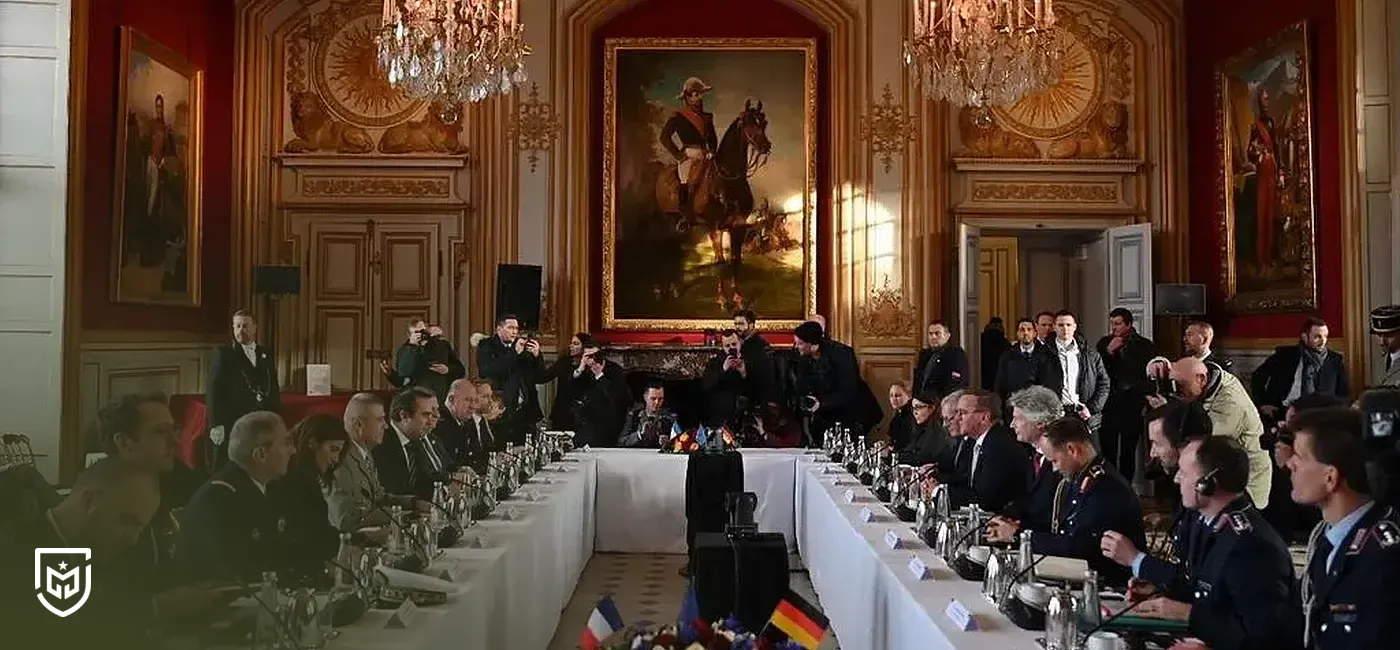
One of the defining characteristics of conventional warfare is that it involves organized military forces operating under established command structures. Professional armed forces conduct operations according to military doctrine, strategic planning and clearly defined chains of command. Logistics, personnel management, ammunition supply, transportation and secure communications are essential elements that directly influence operational success and long-term sustainability.
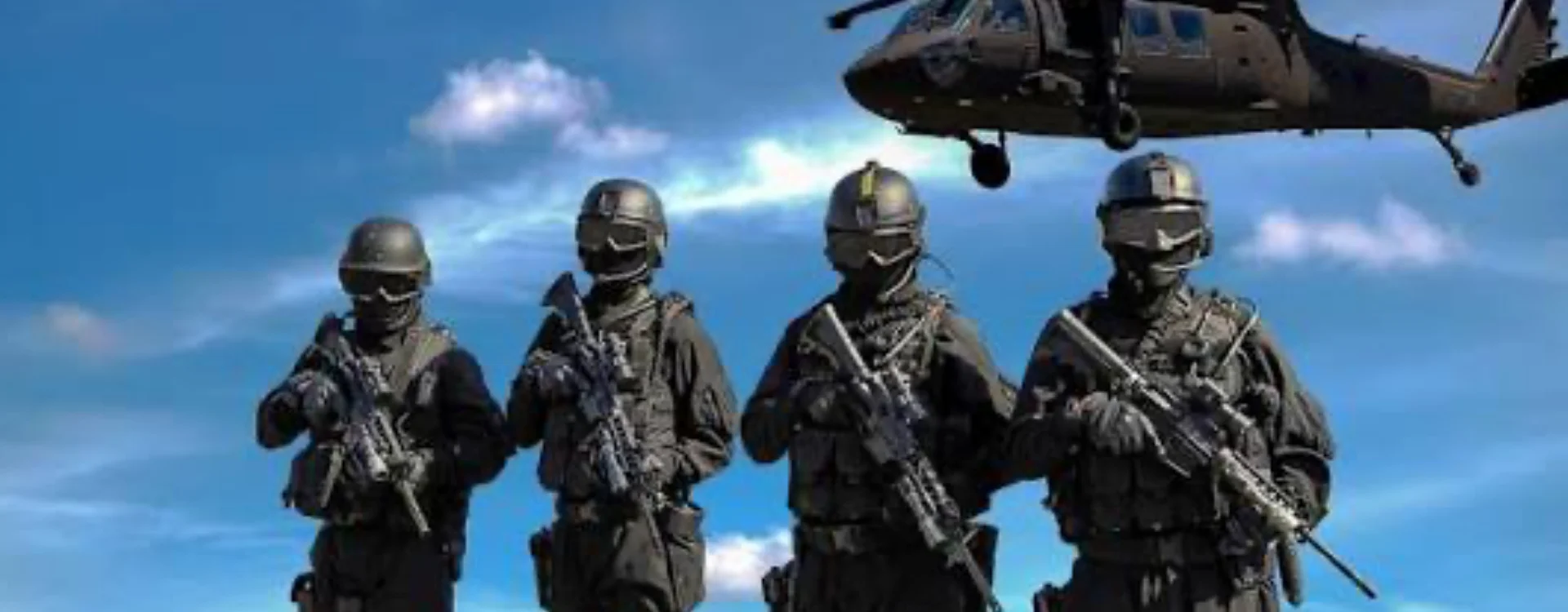
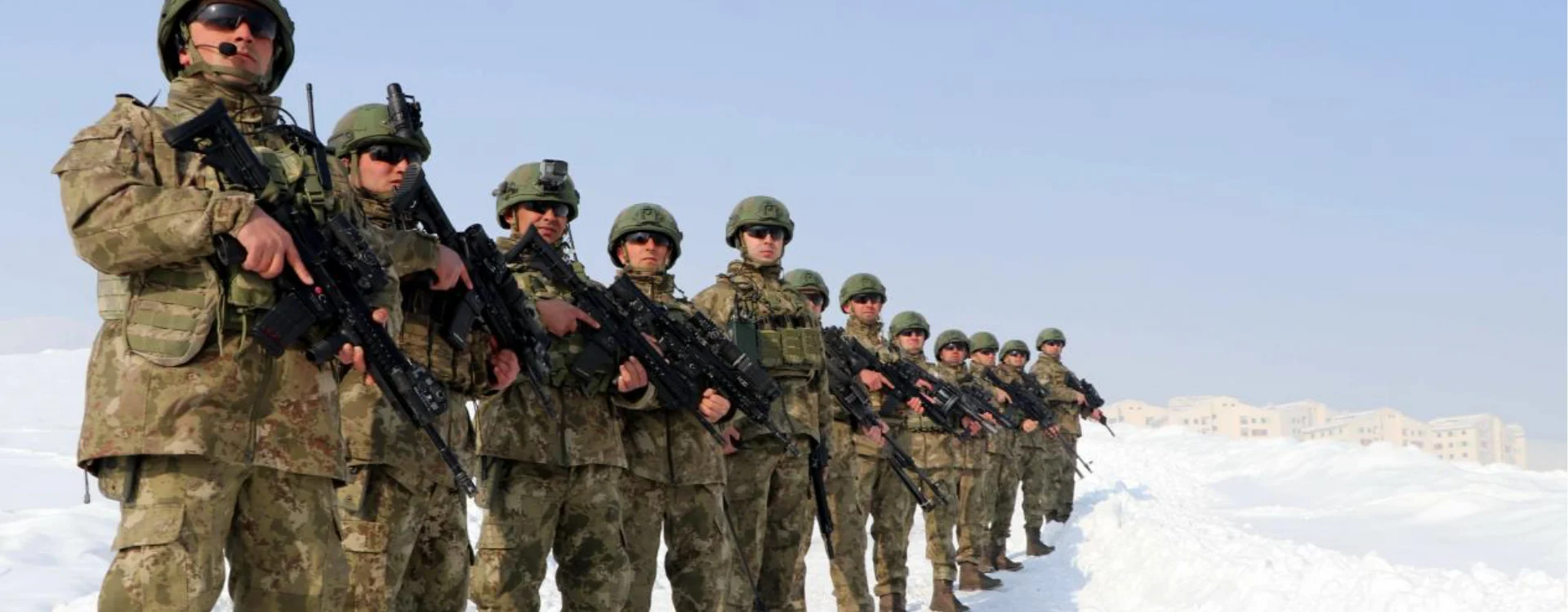
Land operations represent one of the core components of conventional warfare. Infantry units, armored formations, mechanized forces, artillery batteries and special operations forces work together to capture strategic terrain, defend national borders and conduct offensive or defensive military campaigns. Modern land warfare increasingly incorporates unmanned ground vehicles, advanced reconnaissance platforms, real-time intelligence sharing and digital battlefield management systems to improve operational effectiveness.
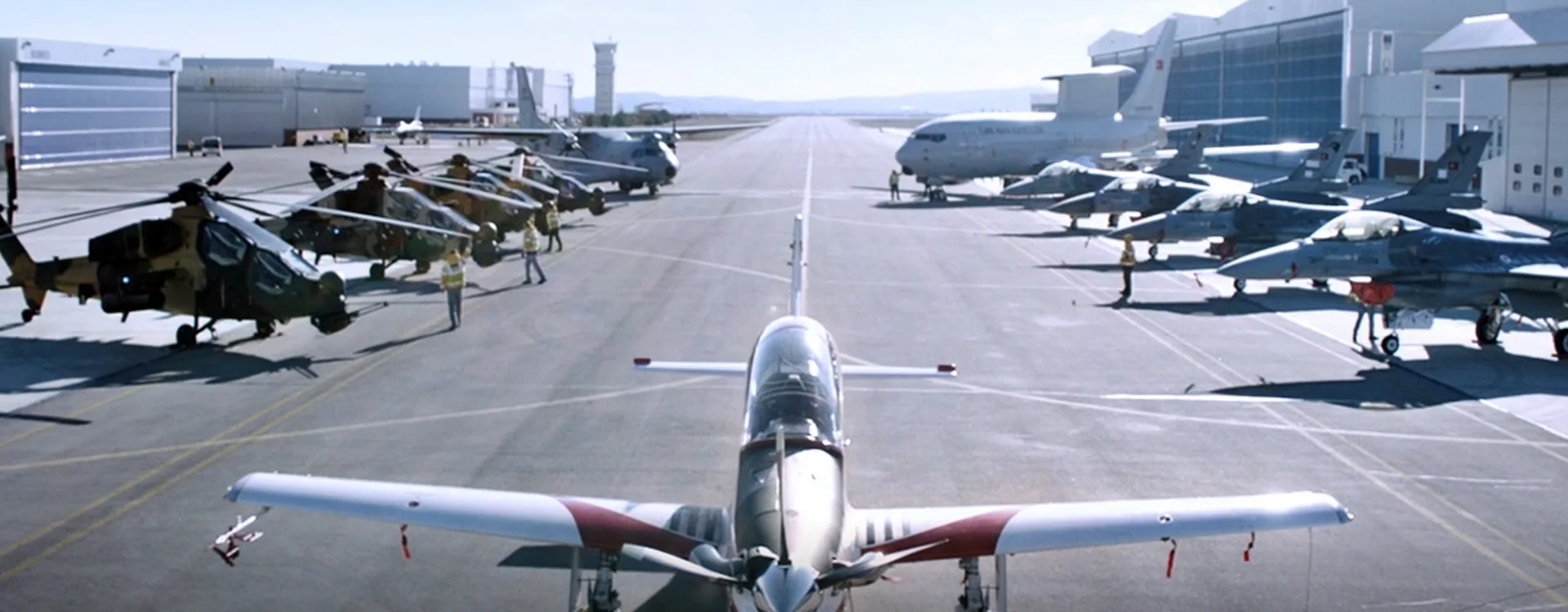
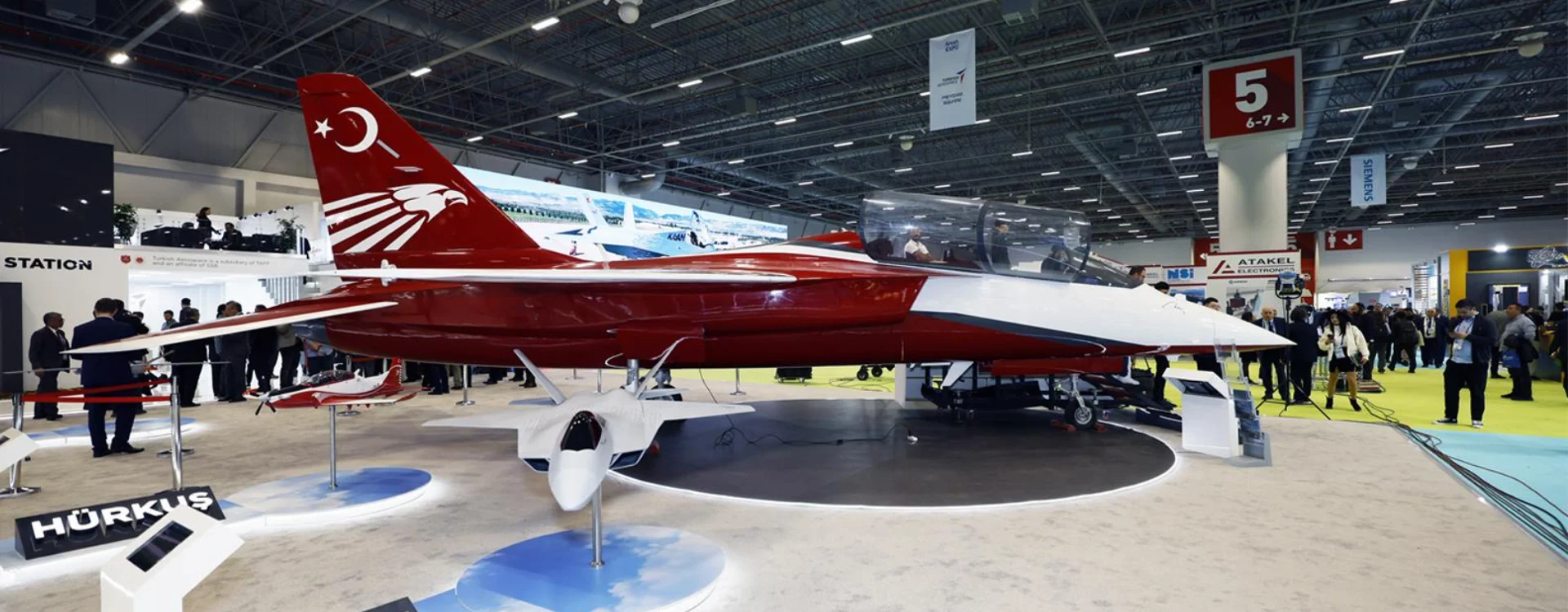
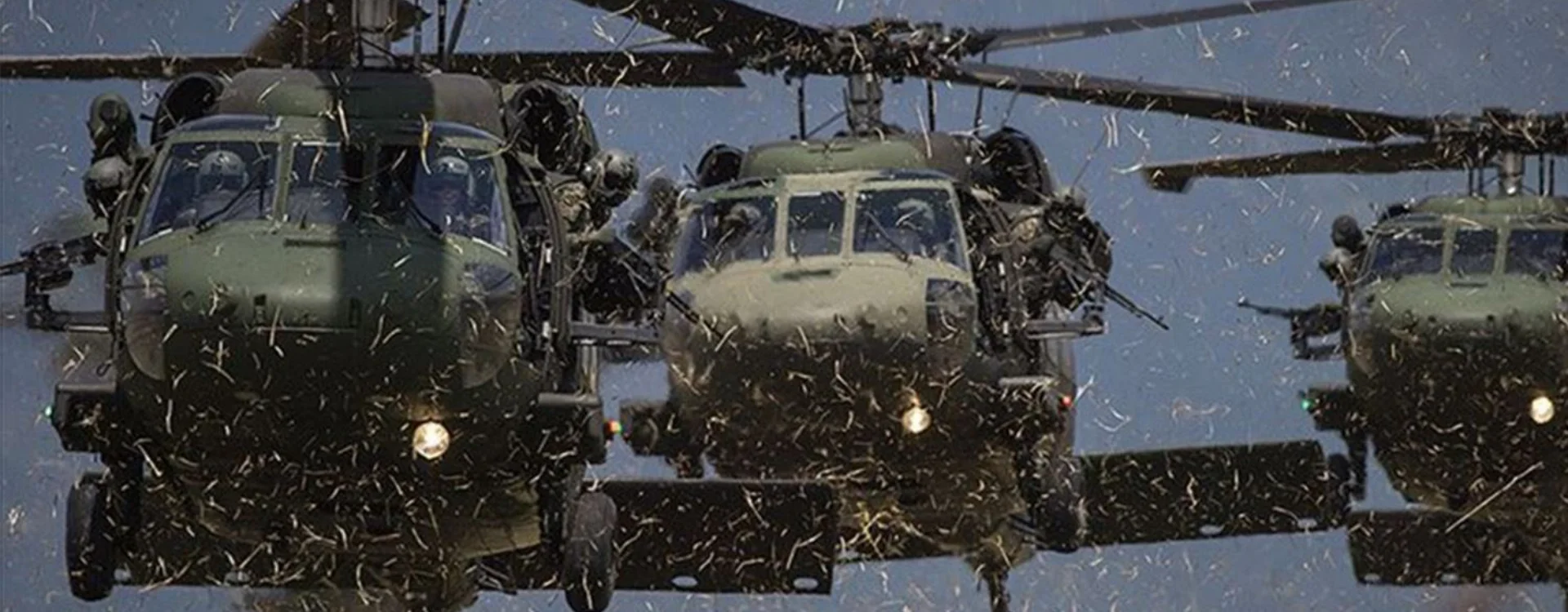
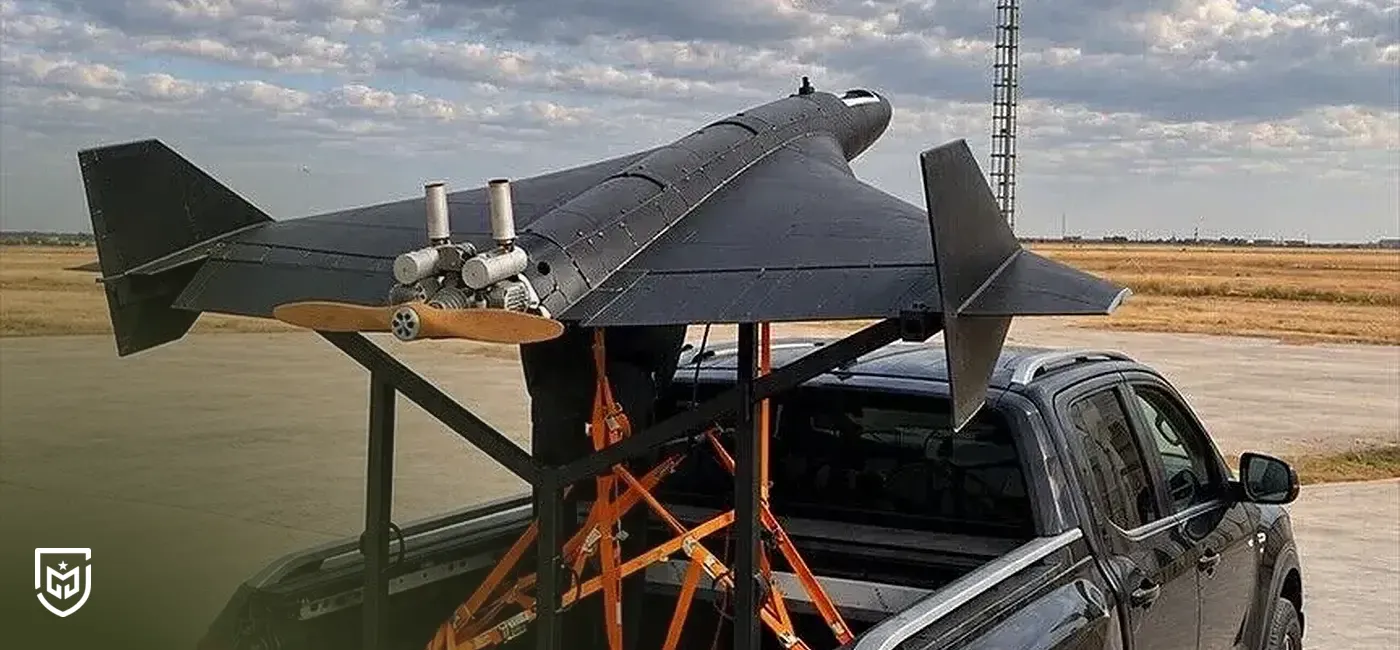
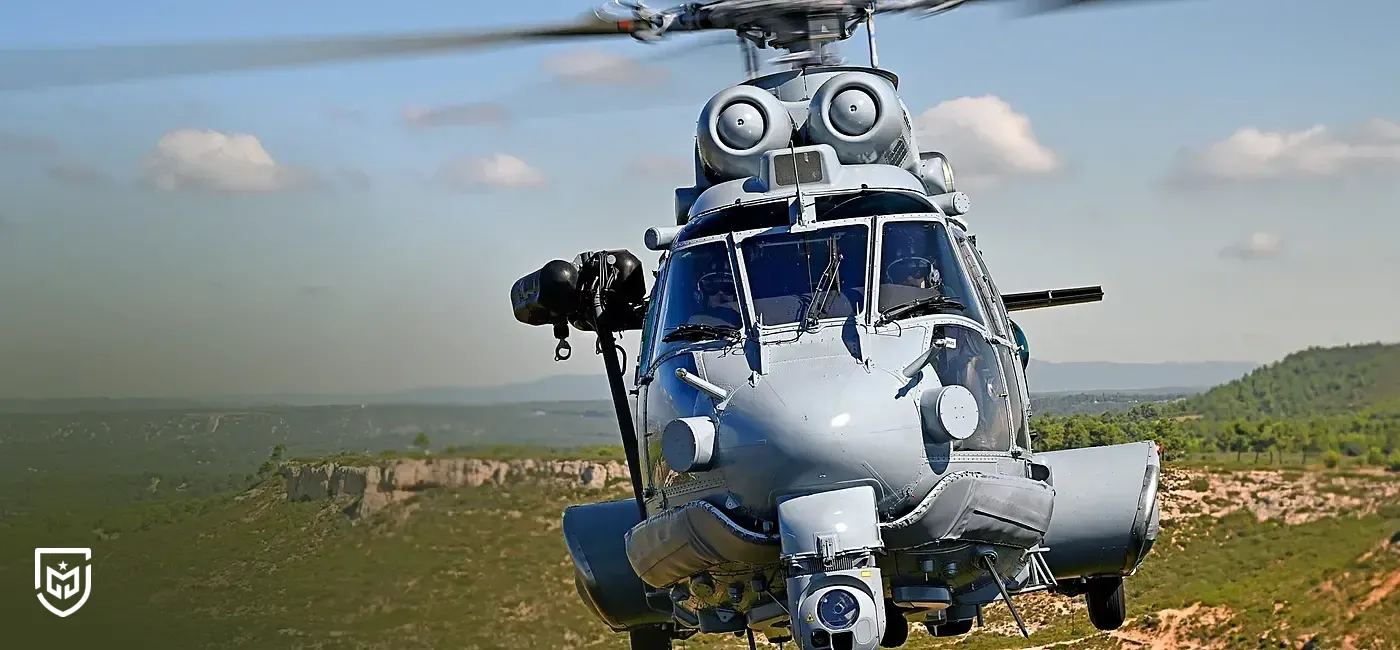
Air power plays a decisive role in conventional military conflicts. Air operations are designed to establish air superiority, conduct reconnaissance missions, provide close air support to ground forces and protect national airspace. Fighter aircraft, airborne early warning and control systems, aerial refueling aircraft, attack helicopters and unmanned aerial vehicles form the backbone of contemporary air operations. Integrated radar networks, air defense systems and satellite-based communications enable commanders to coordinate complex aerial missions with greater precision and efficiency.
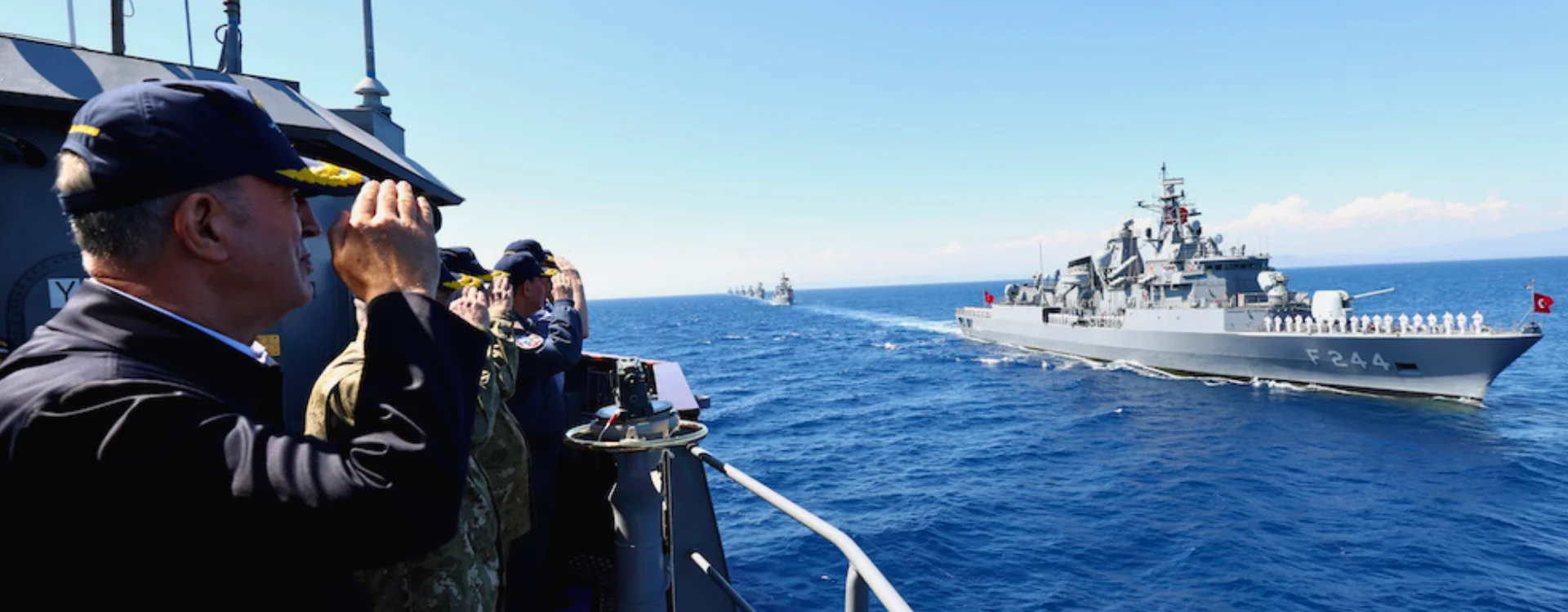
Naval forces are responsible for protecting territorial waters, securing maritime trade routes, supporting amphibious operations and projecting military power across strategic waterways. Frigates, destroyers, corvettes, submarines, amphibious assault ships and naval aviation units contribute to maintaining maritime security and operational flexibility. Satellite surveillance, long-range radar systems and unmanned maritime platforms have significantly expanded the capabilities of modern naval operations.
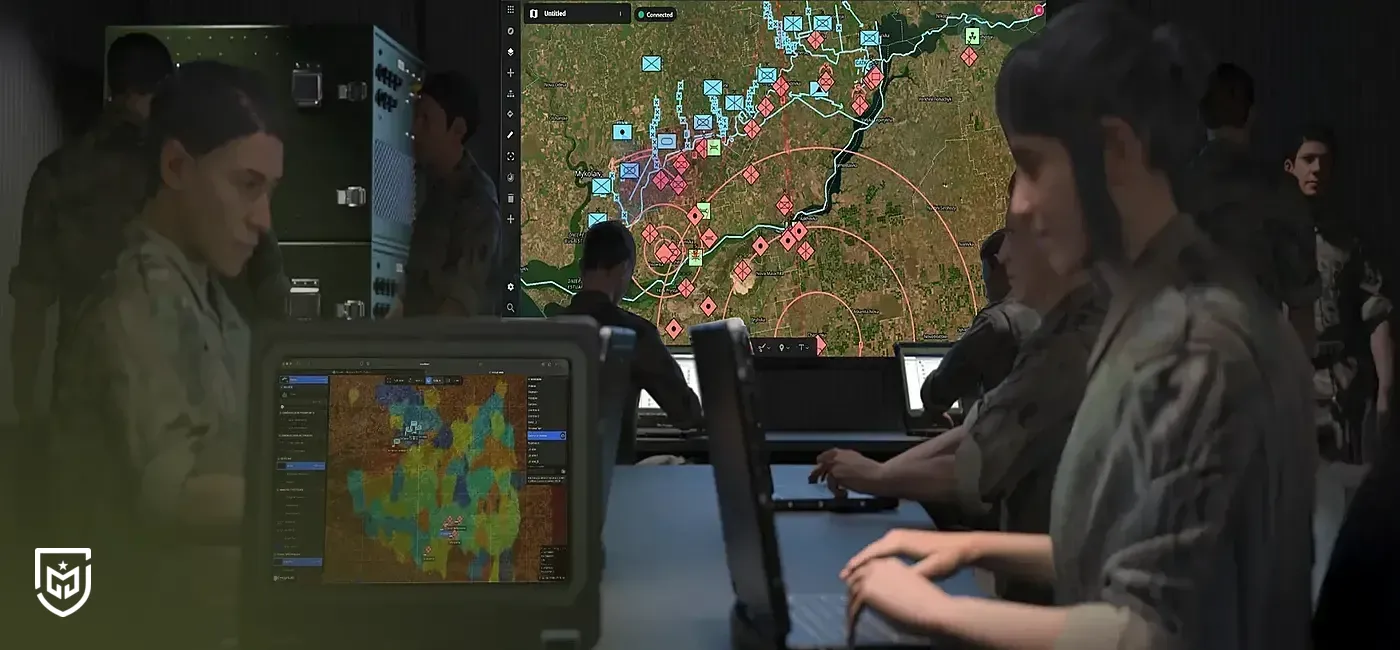
Success in conventional warfare depends heavily on Intelligence, Surveillance and Reconnaissance (ISR). Satellite imagery, radar networks, electro-optical sensors, unmanned aerial systems and electronic intelligence platforms continuously monitor the operational environment. Artificial intelligence enhances military decision-making by rapidly processing large volumes of battlefield data, identifying potential threats and supporting commanders with timely and accurate situational awareness.
Modern conventional warfare also incorporates electronic warfare and cybersecurity as critical operational capabilities. Electronic attack, electronic protection and electromagnetic spectrum management enable military forces to disrupt hostile radar and communication systems while protecting their own networks. Cyber defense capabilities safeguard military command-and-control systems, critical infrastructure and communication networks against increasingly sophisticated digital threats.
Conventional warfare differs significantly from asymmetric warfare and hybrid warfare. Asymmetric conflicts typically involve opponents with unequal military capabilities, where irregular tactics are used to offset conventional disadvantages. Hybrid warfare combines conventional military force with cyber operations, information campaigns, economic pressure and irregular actors. By contrast, conventional warfare primarily refers to combat between regular state militaries employing traditional military organizations and established operational doctrines.
Rapid technological advancement continues to reshape conventional warfare through artificial intelligence, autonomous systems, precision-guided weapons, advanced missile defense, unmanned platforms and network-centric warfare concepts. Modern armed forces increasingly integrate land, air, sea, cyber and space capabilities into unified operational frameworks, allowing commanders to coordinate military actions across multiple operational domains simultaneously.
Effective conventional warfare also depends on strong logistics and joint command structures. Reliable supply chains, fuel distribution, maintenance support, ammunition management and transportation networks ensure that military forces can sustain prolonged operations. Joint command systems integrate intelligence and operational information from all military branches, enabling synchronized decision-making and improving the overall effectiveness of military campaigns.
In conclusion, conventional warfare remains the traditional form of armed conflict conducted between regular military forces using conventional weapons, coordinated operations and structured command systems. While its fundamental principles remain unchanged, advances in artificial intelligence, cybersecurity, electronic warfare, precision weapons, satellite technology and multi-domain operations have transformed conventional warfare into a highly sophisticated, technology-driven form of modern military conflict.


The cookies used on our website are used to provide you with a better user experience and to improve our website. You can manage your cookie preferences from the options below.


 Süheyla Yıldız