BREAKING NEWS
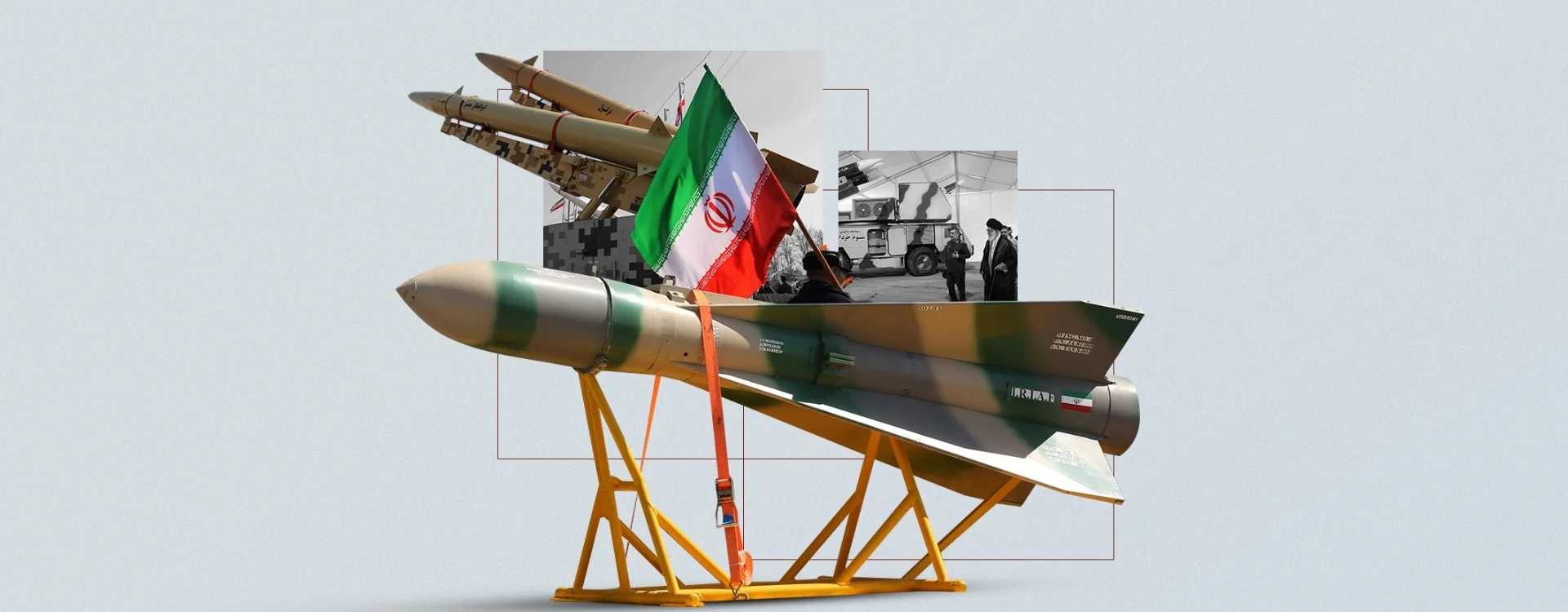
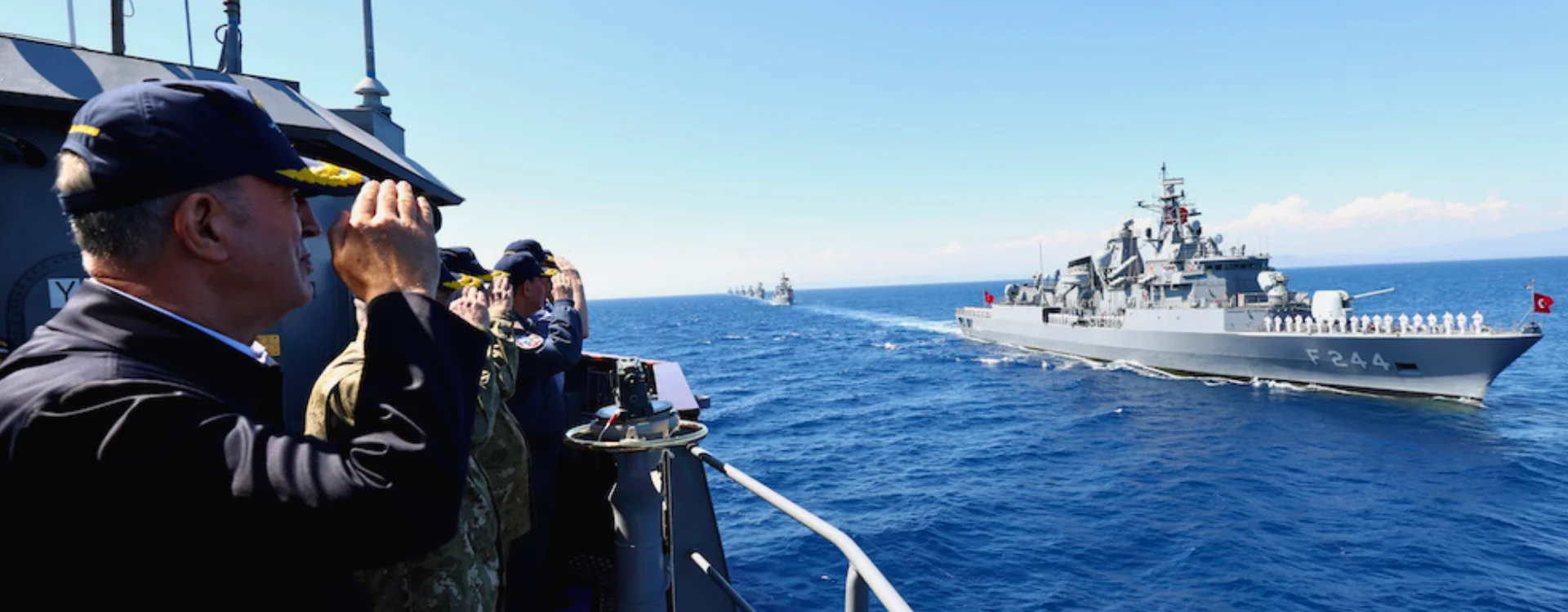
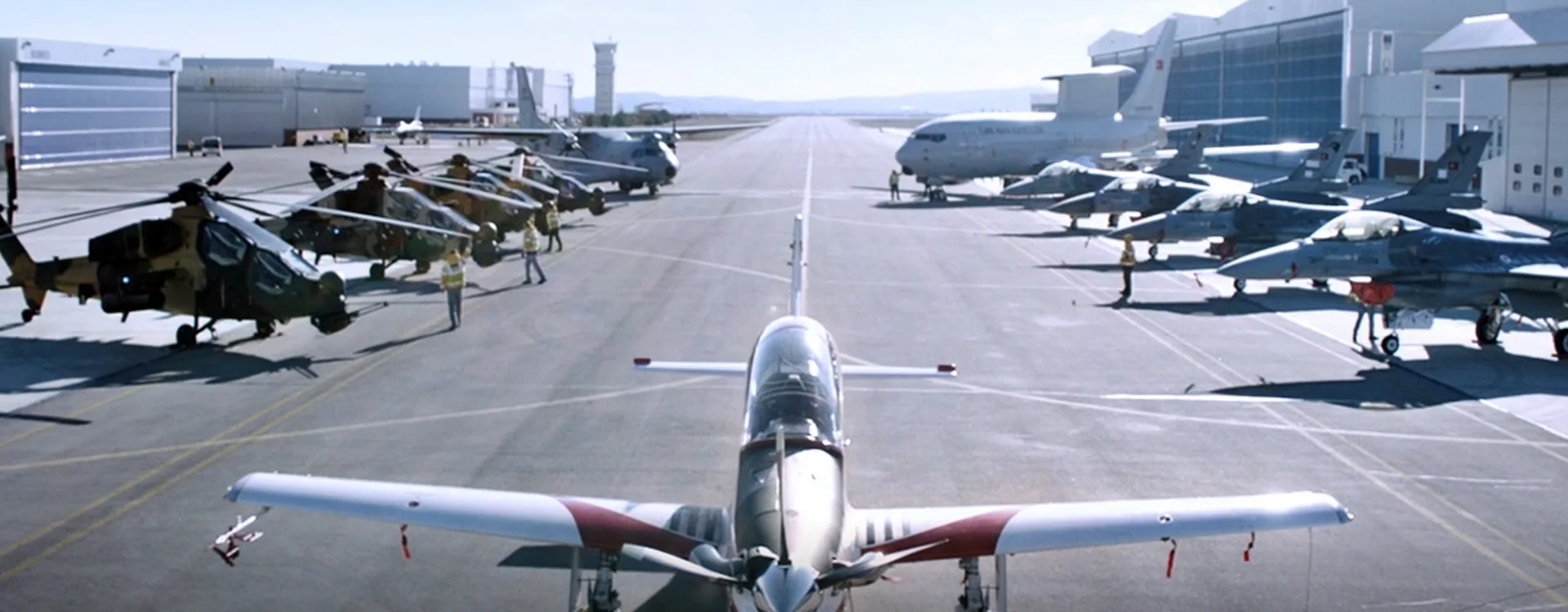
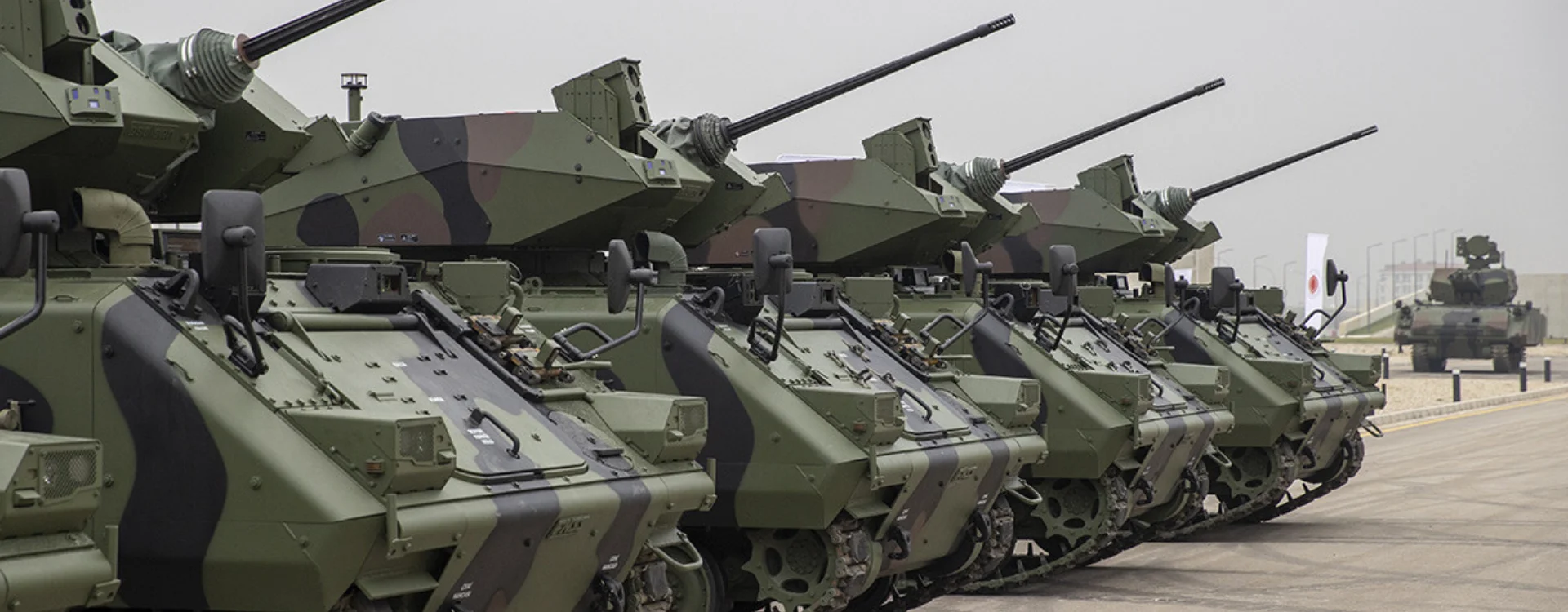
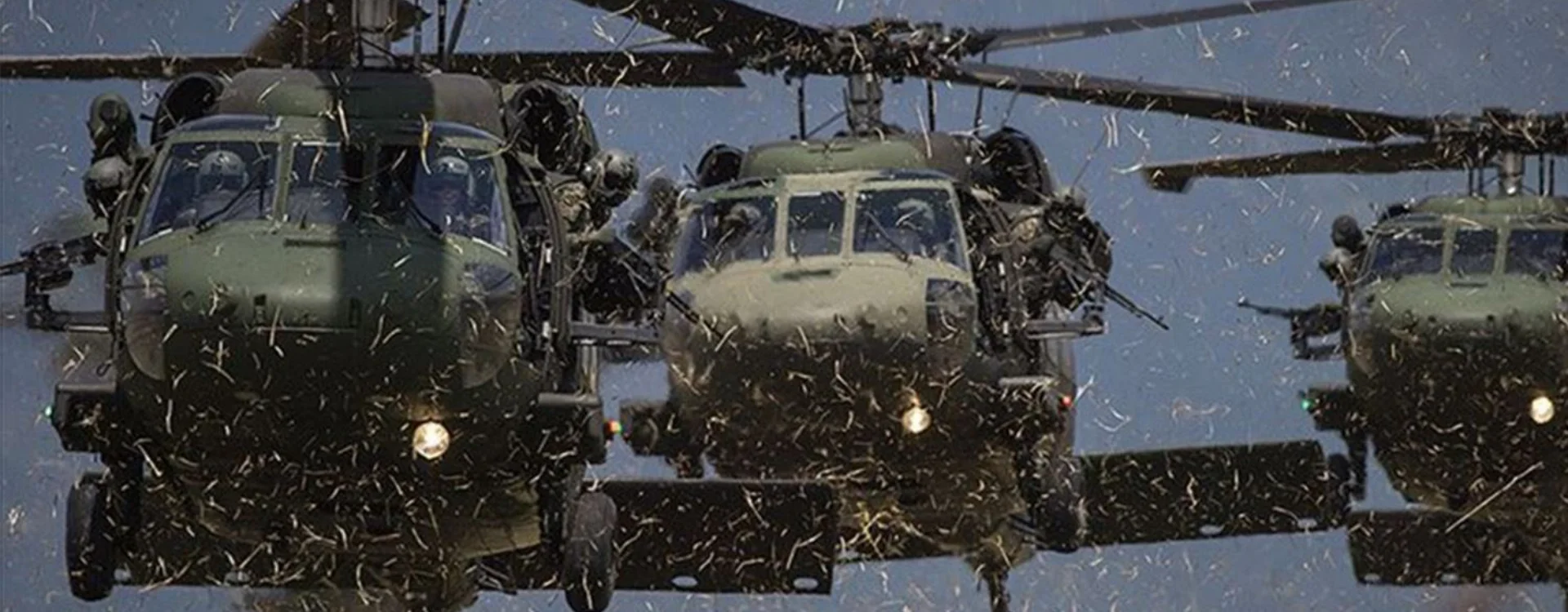
Conventional deterrence is a strategic approach in which a state seeks to prevent its adversaries from launching an attack through traditional military power elements instead of nuclear weapons. In this model, assets such as tanks, air forces, naval power, and ground troops come to the forefront. The main goal is to make the opposing side believe that any potential attack would result in high costs and a serious risk of failure, thereby discouraging aggression from the outset. In this sense, conventional deterrence is an important security strategy aimed at establishing superiority without entering into direct war.
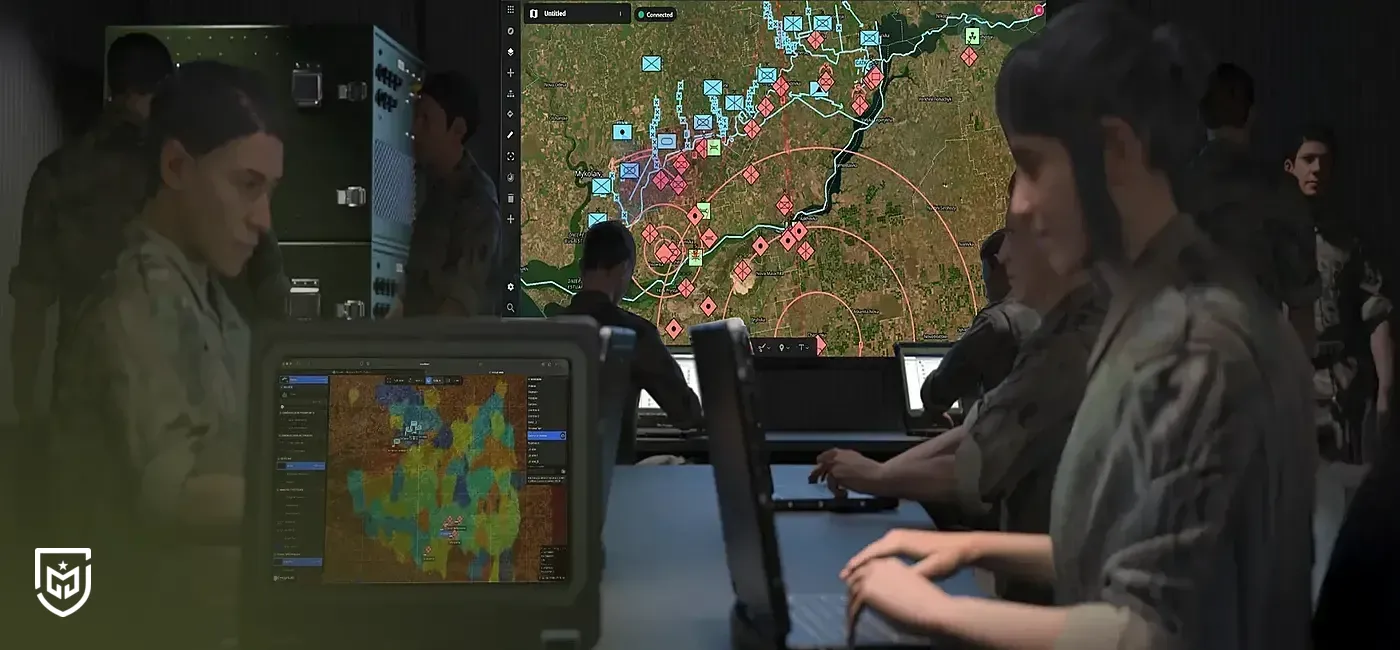
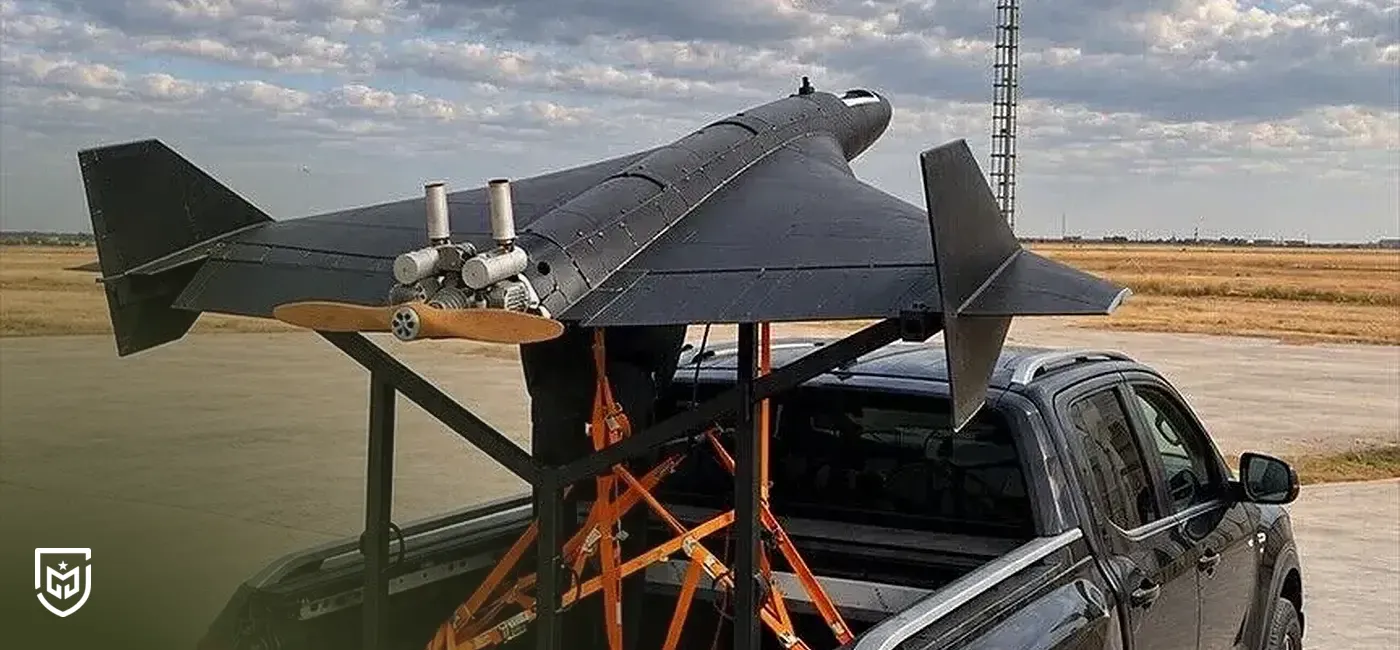
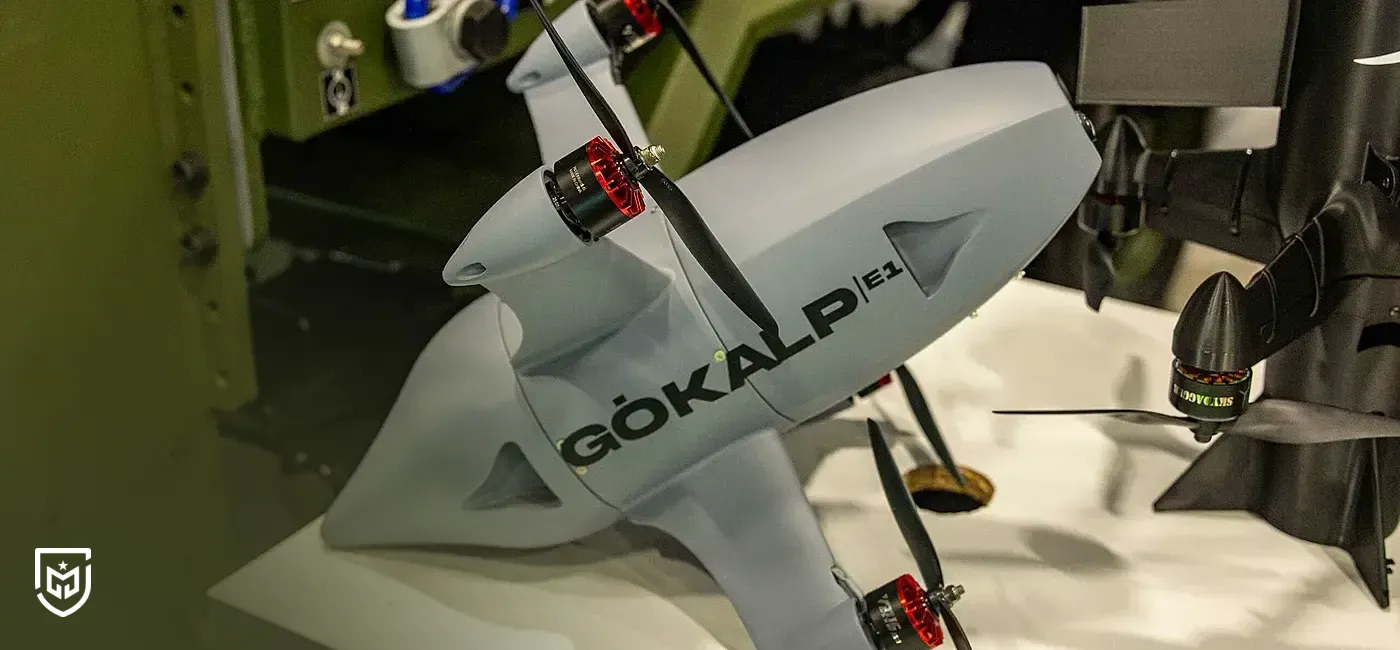
From a more technical perspective, conventional deterrence is based on factors such as military capacity, rapid response capability, technological superiority, and logistical strength. In modern armed forces, advanced weapon systems, intelligence networks, and integrated defense structures form the backbone of deterrence. However, for this type of deterrence to be effective, having military strength alone is not enough; that strength must also be visible, sustainable, and credible. Today, unmanned aerial vehicles, cyber operations, and hybrid warfare methods have further expanded the scope of conventional deterrence, transforming the traditional understanding of war into a more dynamic and multidimensional structure.


The cookies used on our website are used to provide you with a better user experience and to improve our website. You can manage your cookie preferences from the options below.





 Süheyla Yıldız