BREAKING NEWS
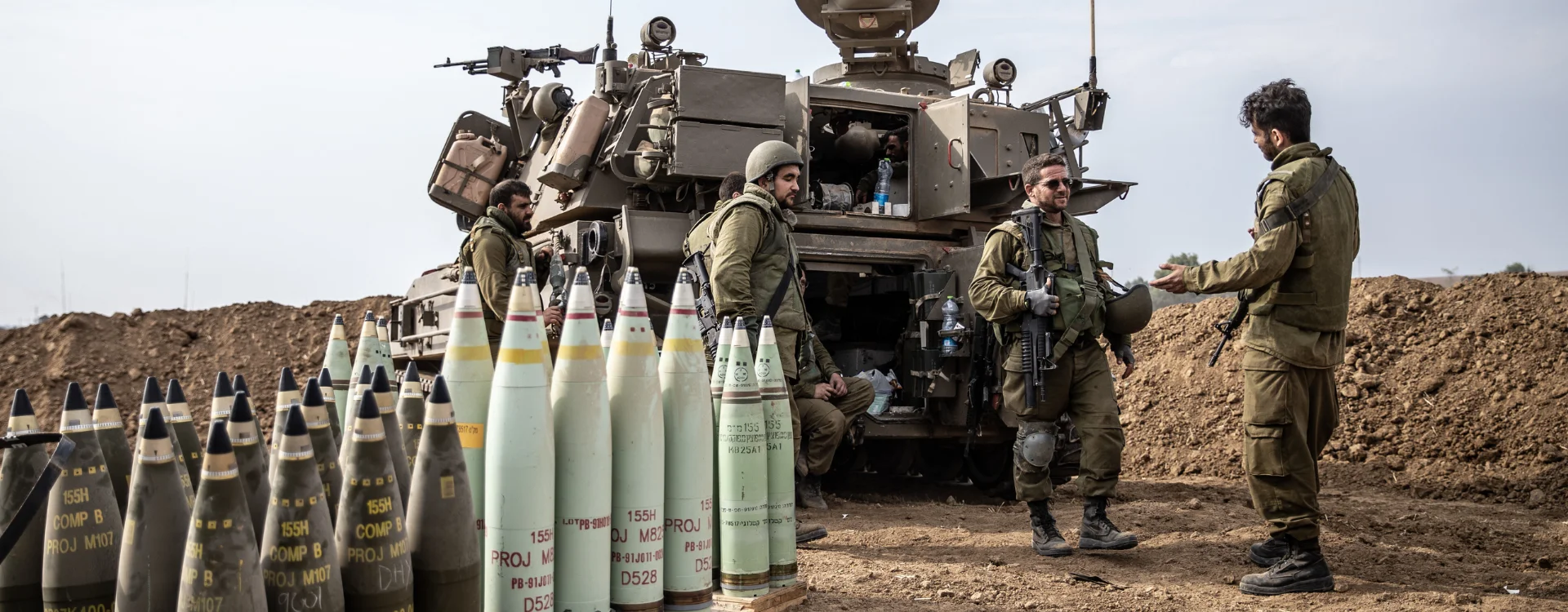
An arms embargo is a restriction or prohibition imposed by a government or an international organization on the sale, transfer or export of weapons, military equipment, ammunition and defense-related technologies to a specific country, group or entity. It is one of the most significant foreign policy and security measures used to promote international peace, enhance regional stability and limit the escalation of armed conflicts. Depending on its scope, an arms embargo may also include restrictions on spare parts, maintenance services, military training, technical assistance and defense technology transfers.
In modern international relations, arms embargoes have become an important component of diplomatic and security policy. Governments and international organizations may impose these measures to encourage compliance with international norms, reduce military tensions or influence the behavior of parties involved in conflicts. As a result, arms embargoes serve not only as economic restrictions but also as strategic diplomatic tools within the global security framework.
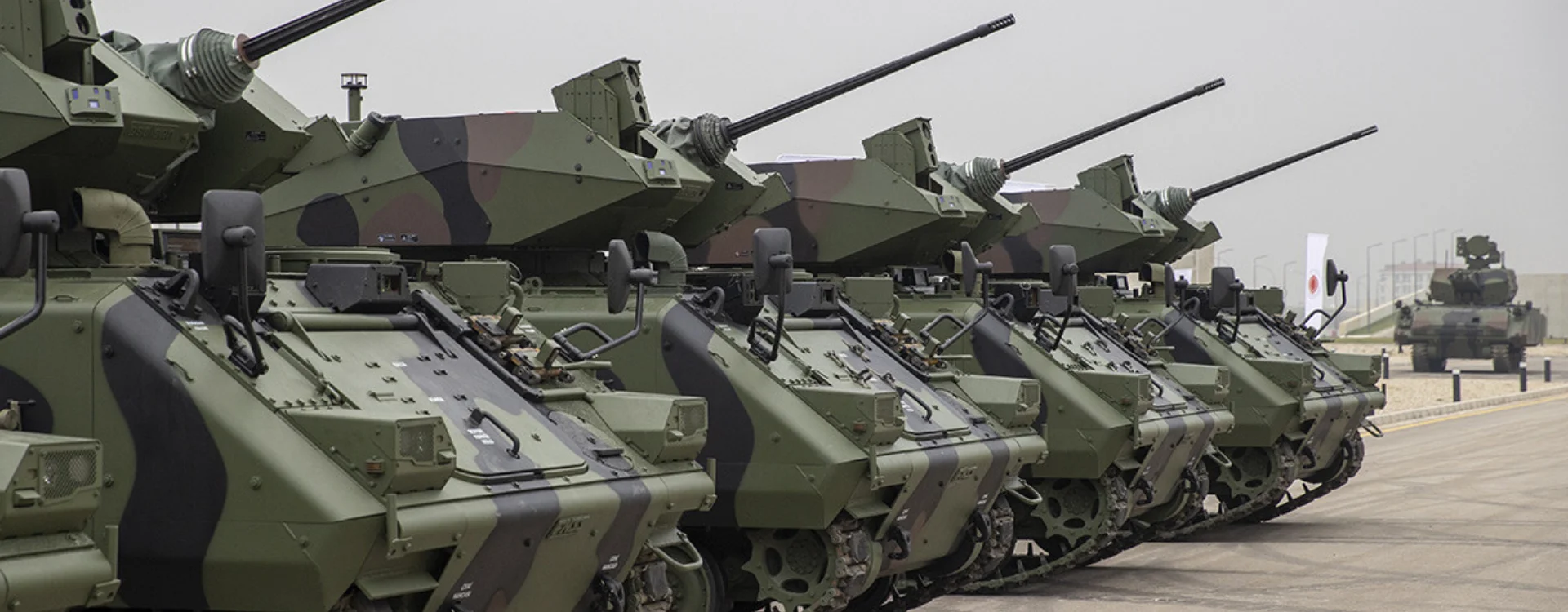
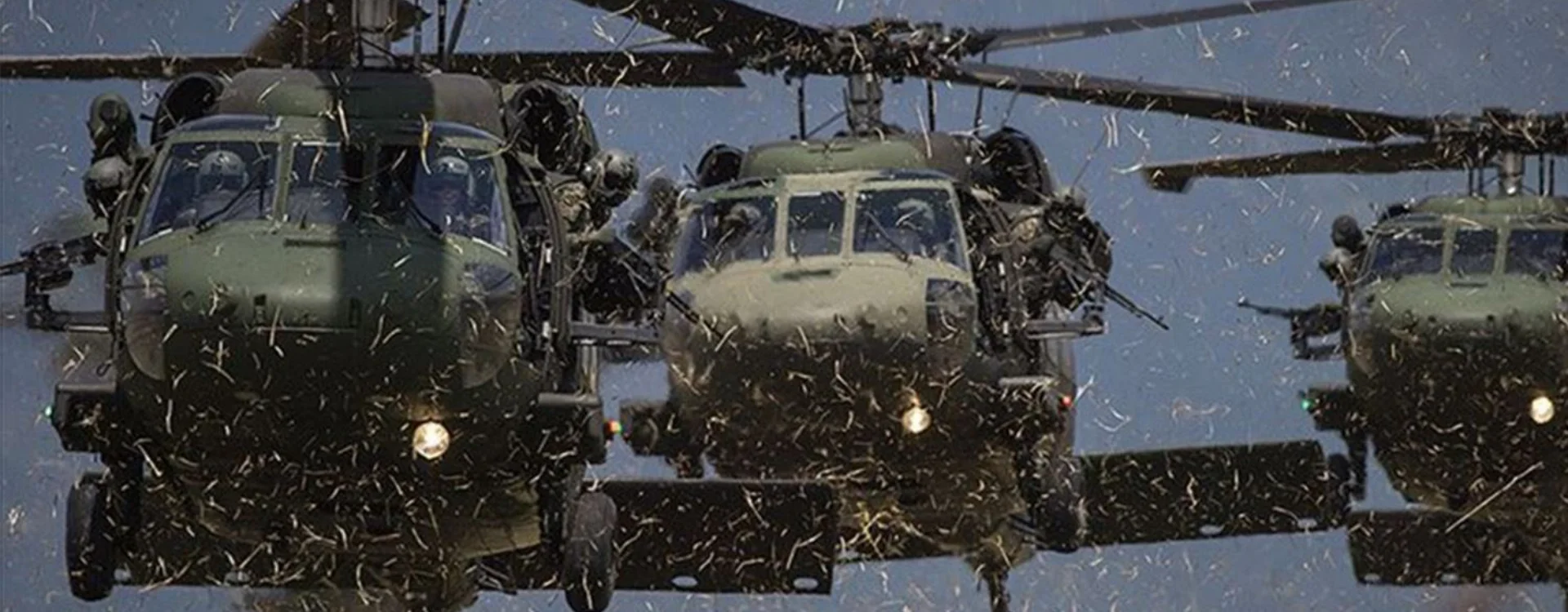
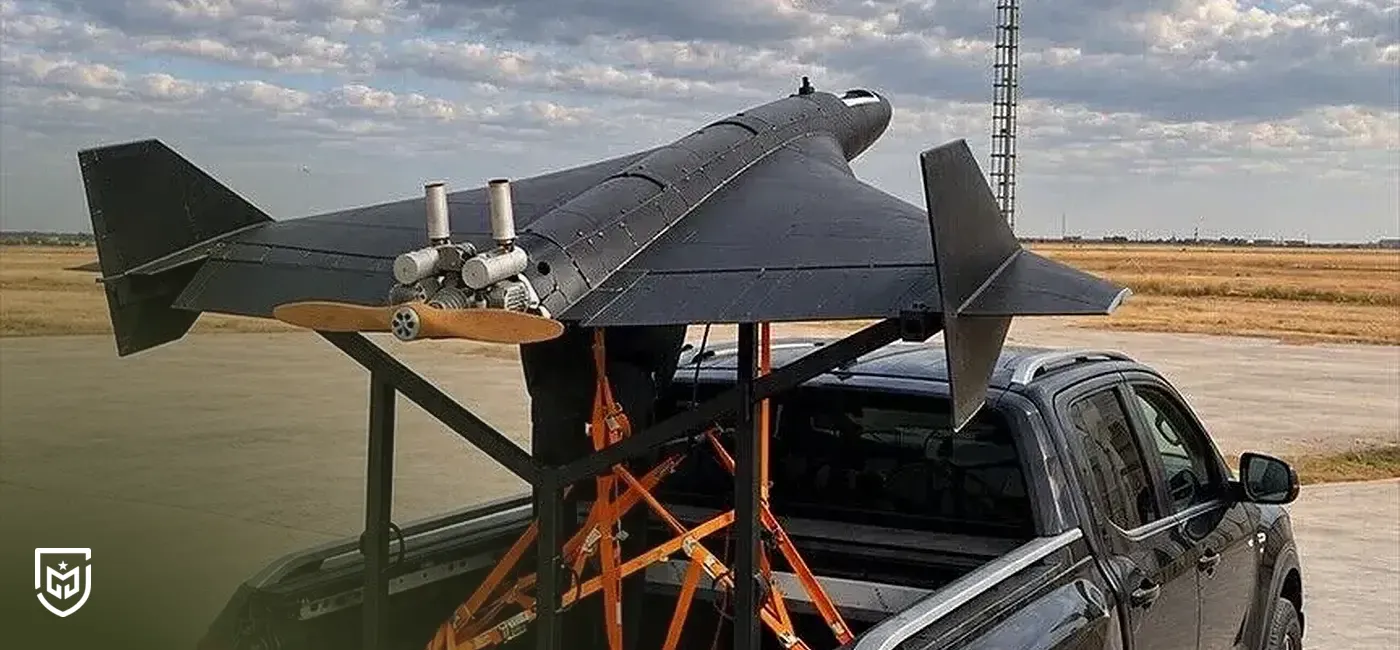
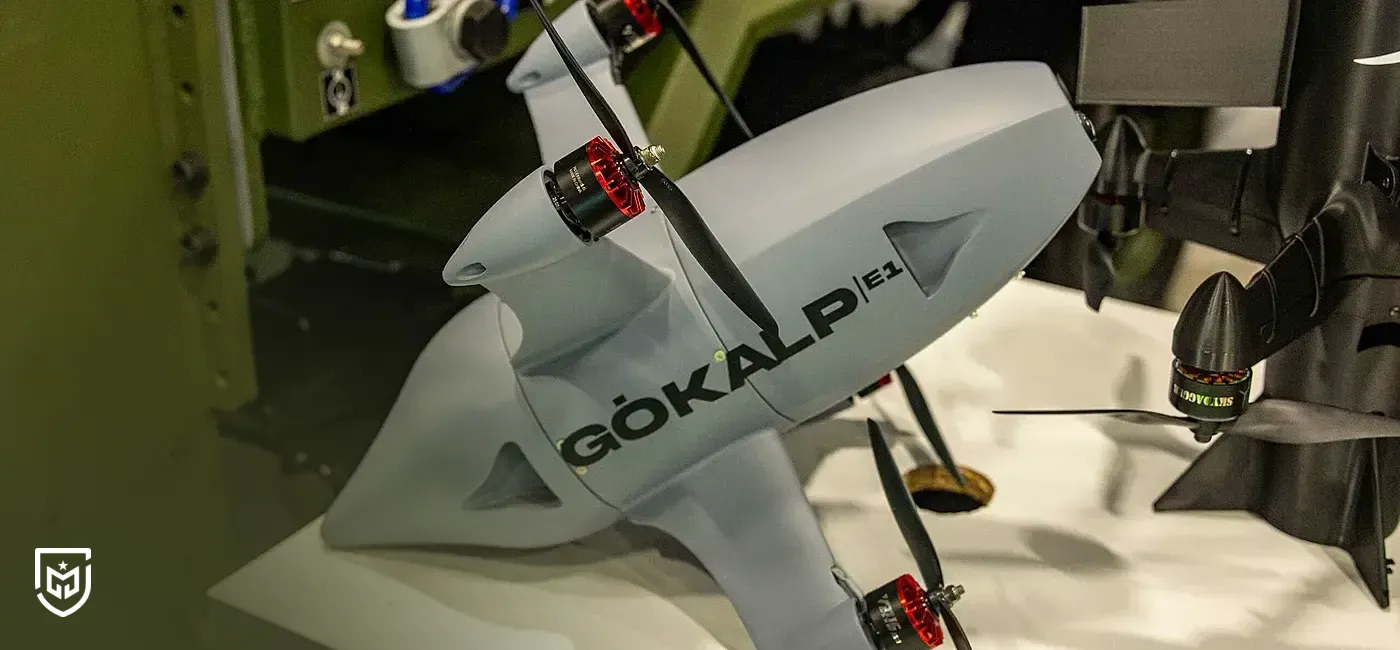
Arms embargoes vary in scope and application. Some measures target specific categories of weapons, while others prohibit the transfer of all military equipment and defense technologies. Comprehensive embargoes may include restrictions on firearms, ammunition, missile systems, armored vehicles, radar technologies, unmanned systems, electronic warfare equipment, military software and logistical support services. The exact scope depends on the objectives of the sanctioning authority.
One of the primary purposes of an arms embargo is to limit the flow of military equipment into areas affected by conflict or heightened security concerns. By restricting access to weapons and defense technologies, embargoes are intended to reduce military capabilities, discourage the escalation of violence and support broader efforts aimed at maintaining regional and international stability. They also signal the collective political position of governments or international organizations regarding specific security issues.
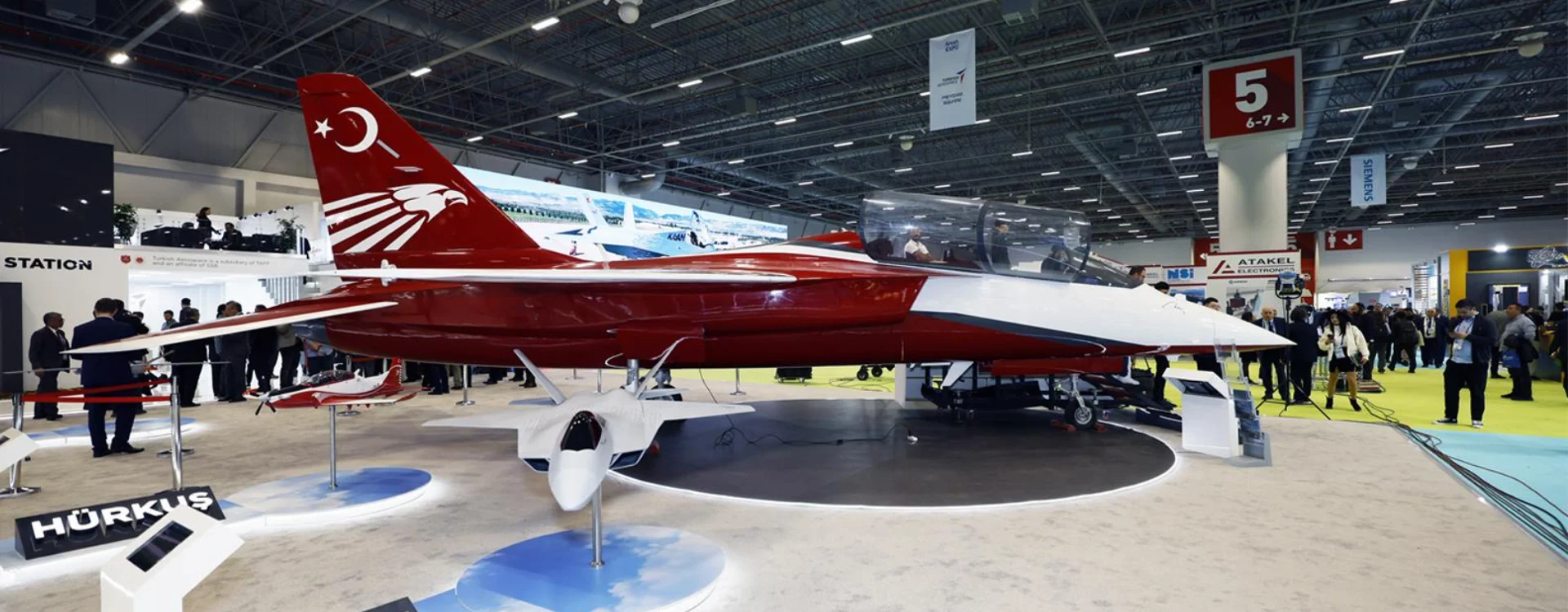
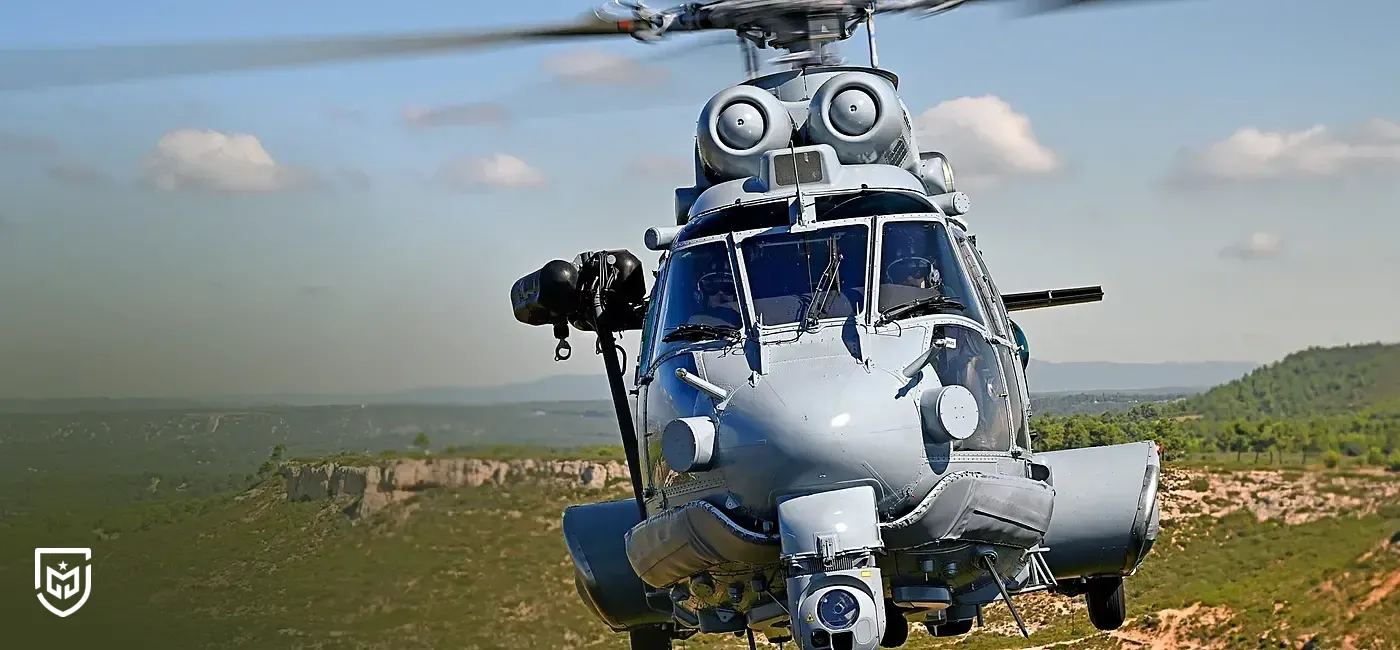
Arms embargoes can have significant effects on the defense industry and military procurement. Countries that depend on imported defense equipment may face challenges related to modernization programs, maintenance operations, spare parts availability and long-term procurement planning. In response, many nations invest in domestic defense manufacturing, diversify their supply chains and strengthen indigenous technological capabilities to improve strategic resilience.
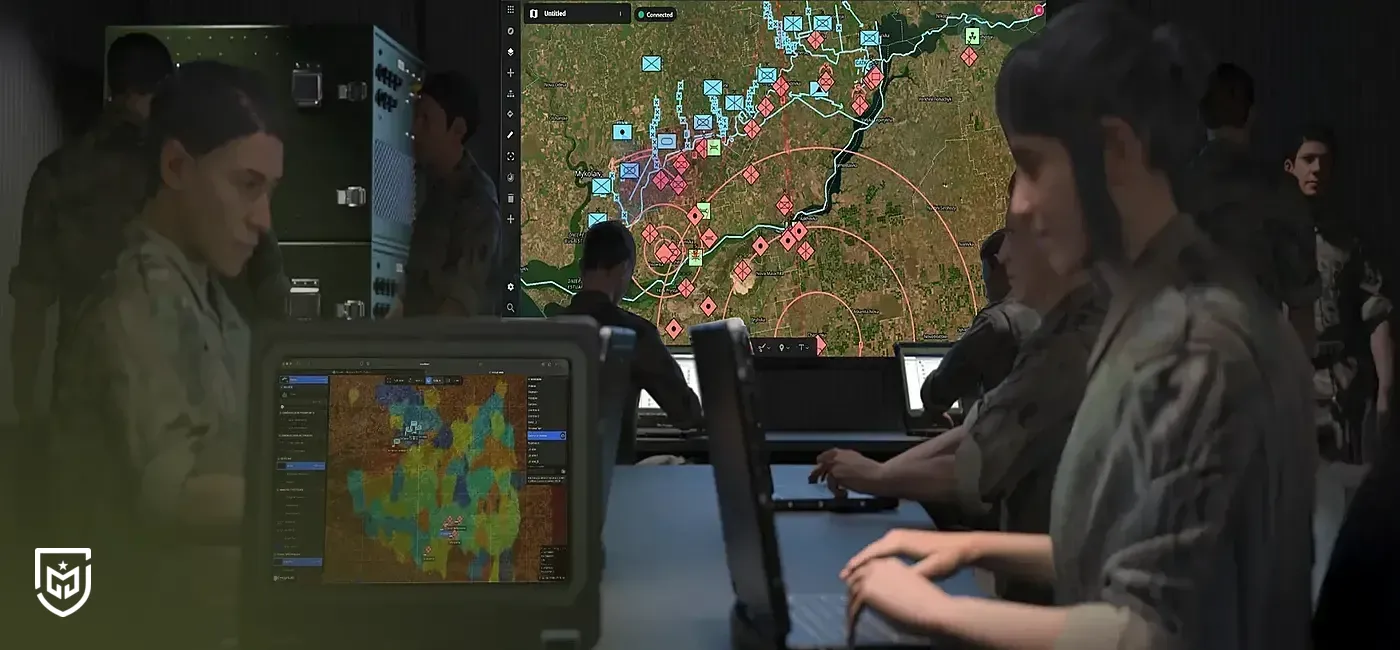
Modern embargoes increasingly affect advanced defense technologies rather than only traditional weapons. Restrictions may extend to radar systems, military electronics, communication equipment, satellite technologies, sensors, precision guidance systems and other dual-use technologies with military applications. As defense industries become more technologically sophisticated, the scope of arms embargoes continues to evolve.
The growing importance of cybersecurity, electronic warfare, artificial intelligence and autonomous systems has further expanded the range of technologies that may be affected by defense-related restrictions. Military software, secure communication platforms, advanced semiconductors, cyber defense capabilities and autonomous technologies can all play critical roles in national security and may become subject to export controls or international sanctions.
Arms embargoes also influence international diplomacy and global security policy. Decisions to impose, modify or remove embargoes are often linked to diplomatic negotiations, regional security developments and broader foreign policy objectives. In some situations, embargoes serve as leverage during negotiations, encouraging peaceful dialogue while avoiding direct military confrontation.
For many countries, defense-related restrictions have encouraged greater emphasis on domestic defense production and technological independence. Governments may increase investment in research and development, support national defense industries, expand domestic manufacturing capabilities and pursue greater self-sufficiency in critical military technologies. These efforts can strengthen long-term strategic resilience while reducing dependence on external suppliers.
Technological progress is also reshaping how embargoes are implemented and enforced. Artificial intelligence, satellite monitoring, advanced customs inspection systems, digital export control platforms and international information-sharing mechanisms improve the ability of governments to monitor defense-related transfers and enforce export regulations more effectively. These innovations contribute to greater transparency and stronger compliance with international security measures.
In conclusion, an arms embargo is one of the most important instruments of international security and foreign policy. By restricting the transfer of weapons, military equipment and sensitive defense technologies, these measures seek to reduce conflict risks, support diplomatic solutions and strengthen international stability. As military technologies continue to evolve, arms embargoes increasingly encompass not only conventional weapons but also advanced digital systems, cyber capabilities and emerging defense technologies, making them an essential element of modern global security governance.


The cookies used on our website are used to provide you with a better user experience and to improve our website. You can manage your cookie preferences from the options below.




 Süheyla Yıldız