BREAKING NEWS
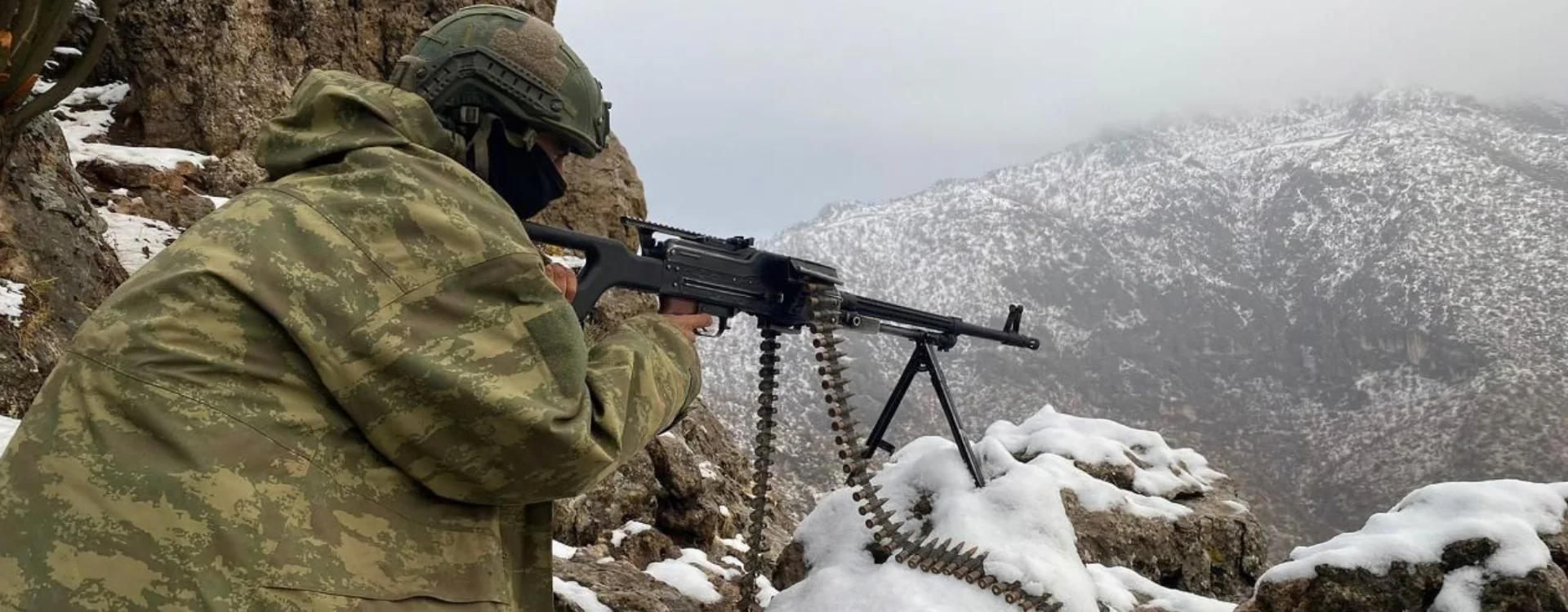
Military operations are coordinated activities planned and executed by armed forces to achieve specific strategic, operational or tactical objectives. In today's security environment, military operations extend far beyond conventional wartime combat. They also include national defense missions, peace support operations, border security, counterterrorism, humanitarian assistance, maritime security, cyber defense and electronic warfare. Rapid advances in technology—including artificial intelligence, autonomous systems, satellite capabilities and advanced intelligence platforms—have transformed how military operations are planned, coordinated and executed across multiple domains.
Military operations are generally classified into land, air, maritime, amphibious, special operations, cyber operations and multi-domain operations. Each category has unique objectives, operational requirements and planning processes. The selection of an appropriate operational approach depends on mission objectives, threat assessments, geographic conditions, available resources and political considerations.
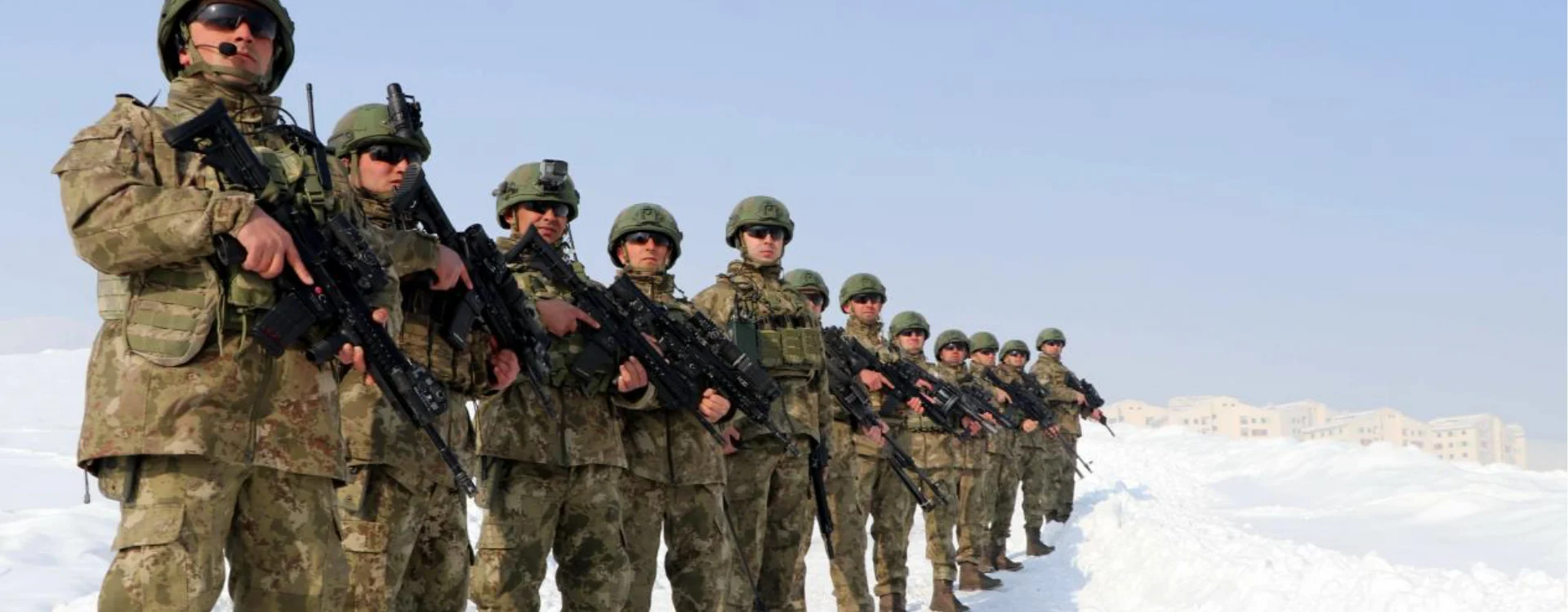
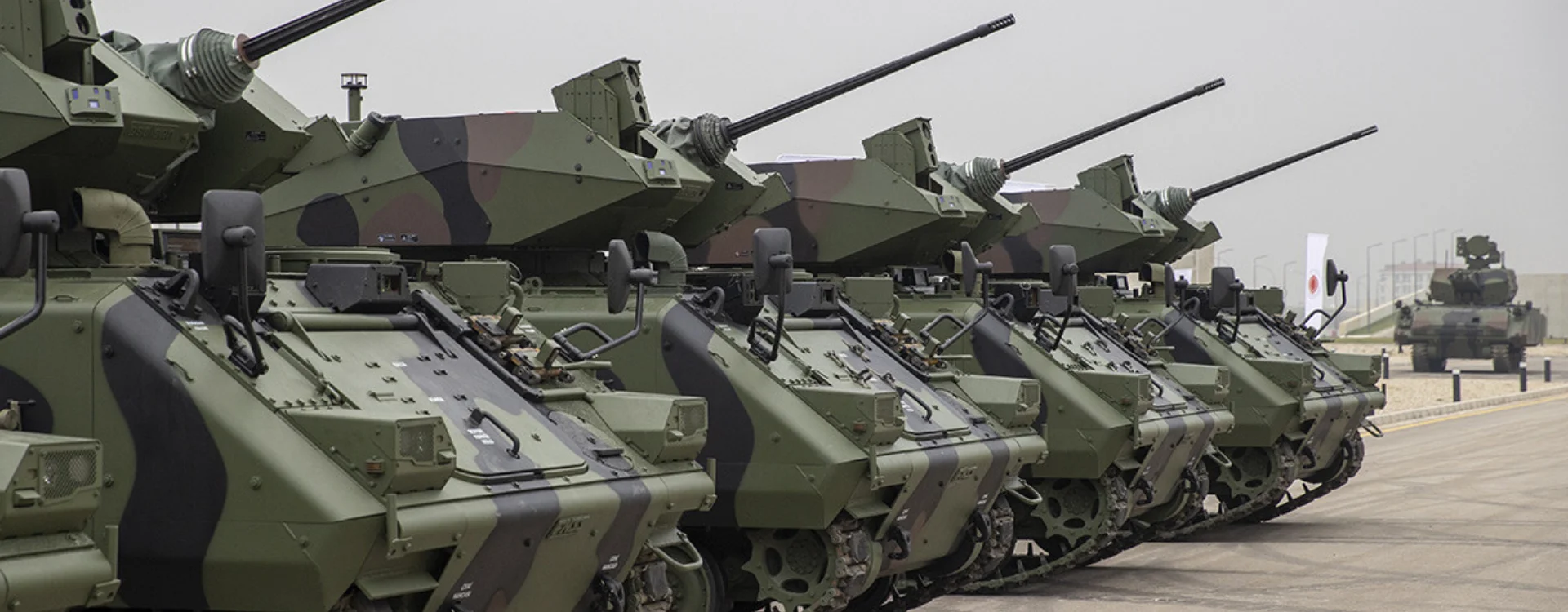
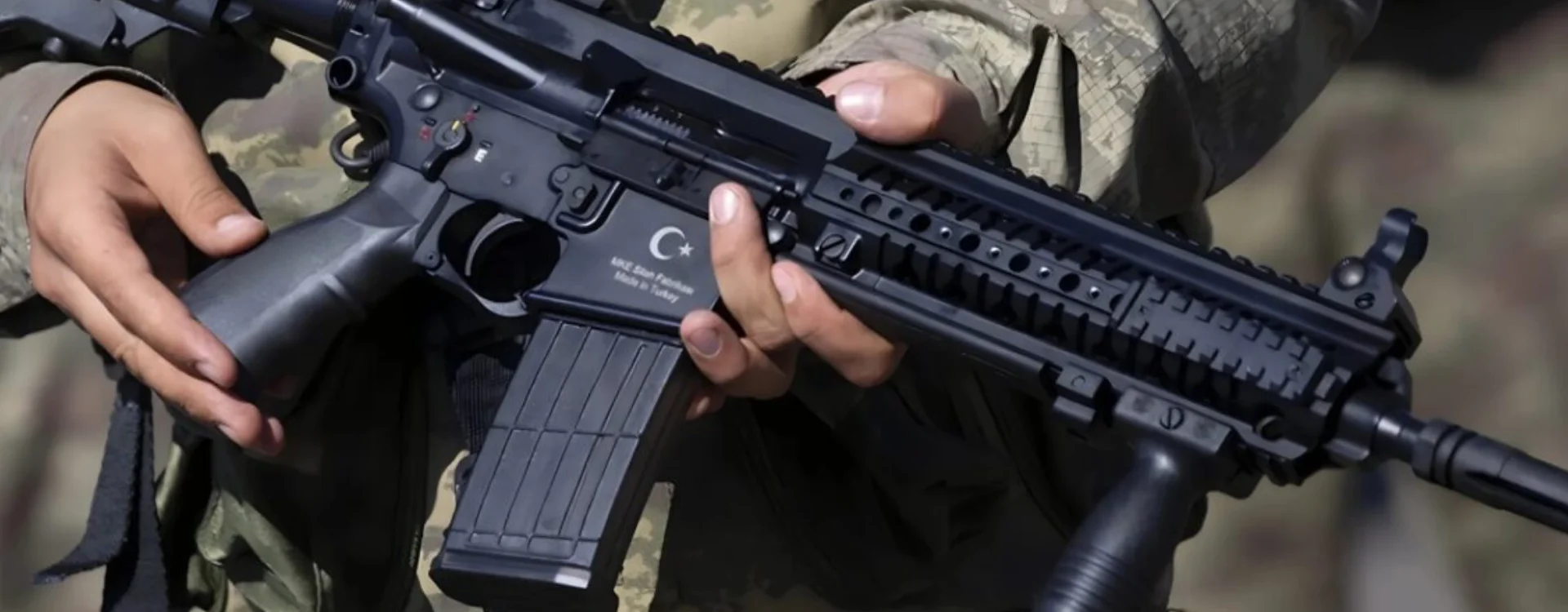
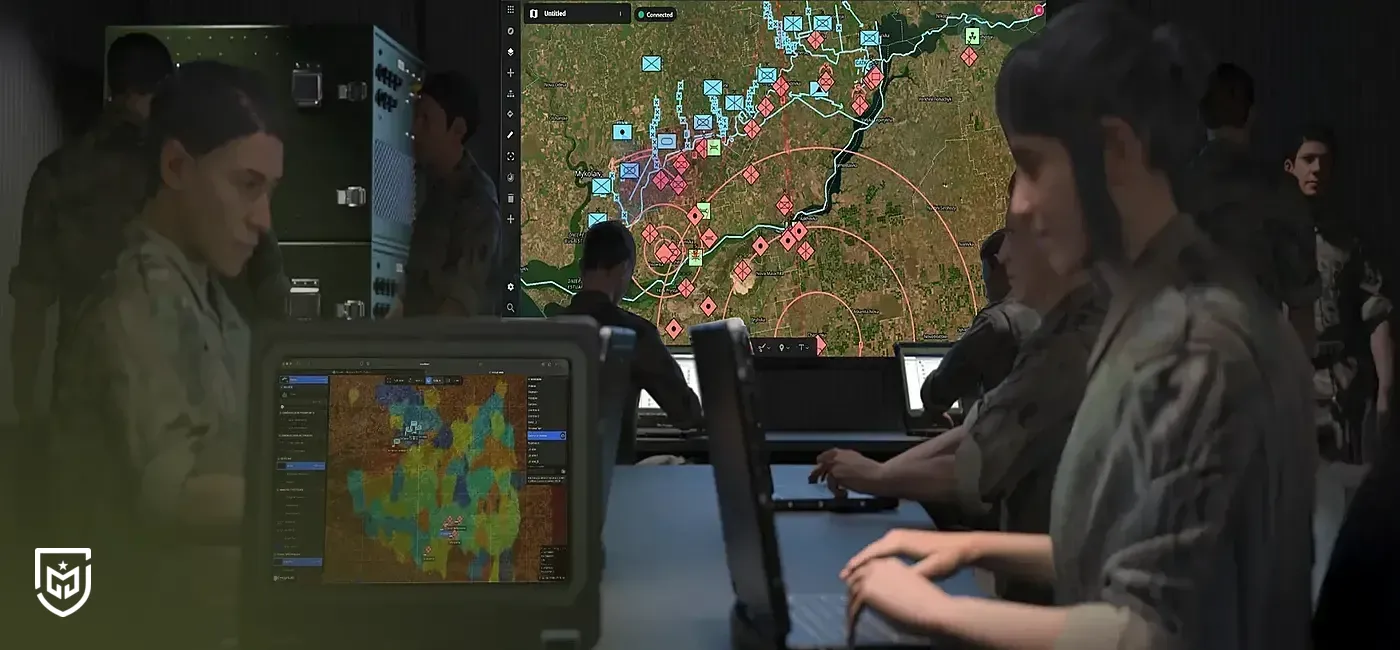
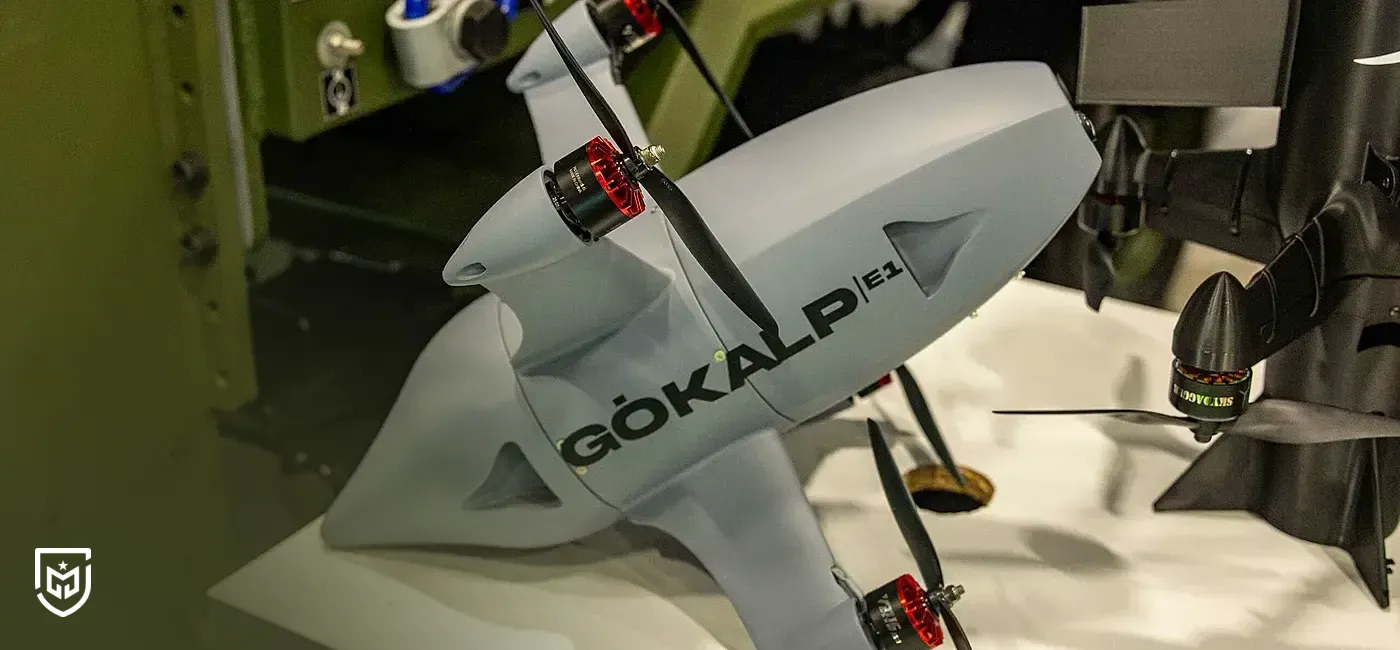
Land operations are conducted to secure territory, protect national borders, defend strategic infrastructure or neutralize hostile threats. These operations involve infantry, armored units, mechanized forces, artillery and special operations forces working together under integrated command structures. Modern land operations increasingly rely on unmanned ground vehicles, real-time intelligence, advanced surveillance systems and digital command-and-control networks to improve battlefield awareness and operational effectiveness.
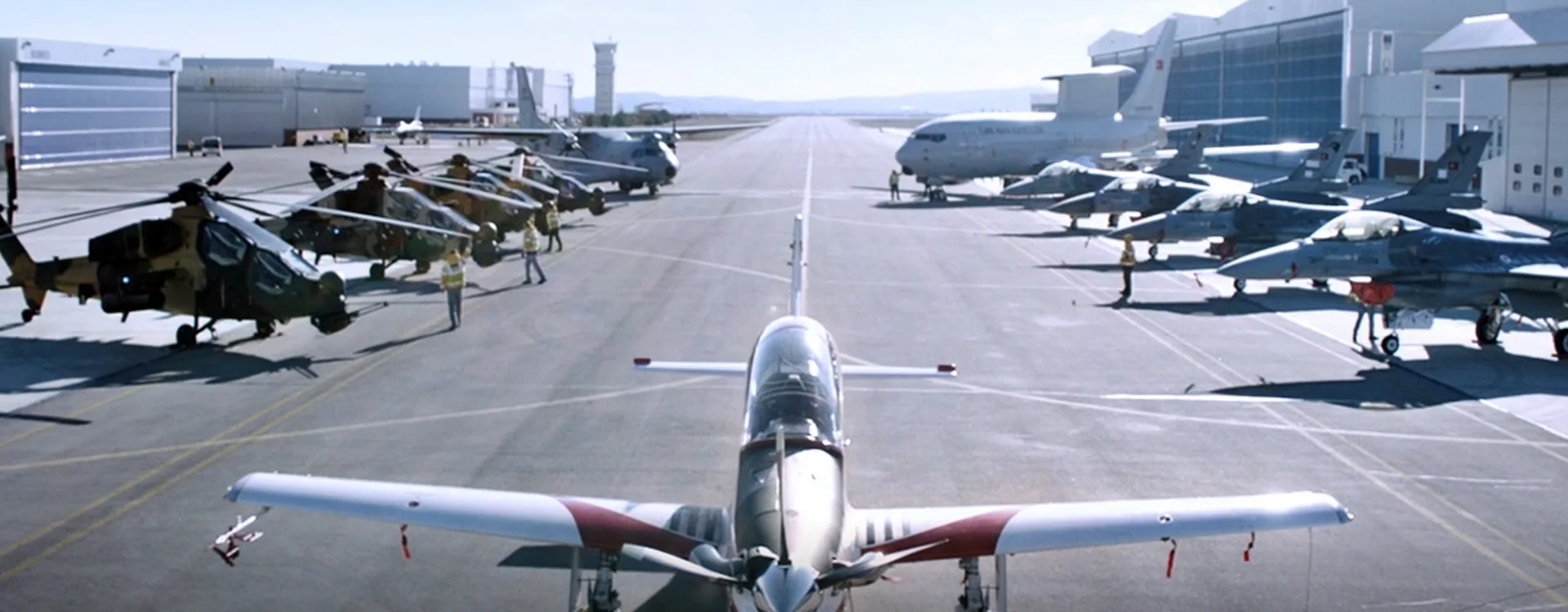
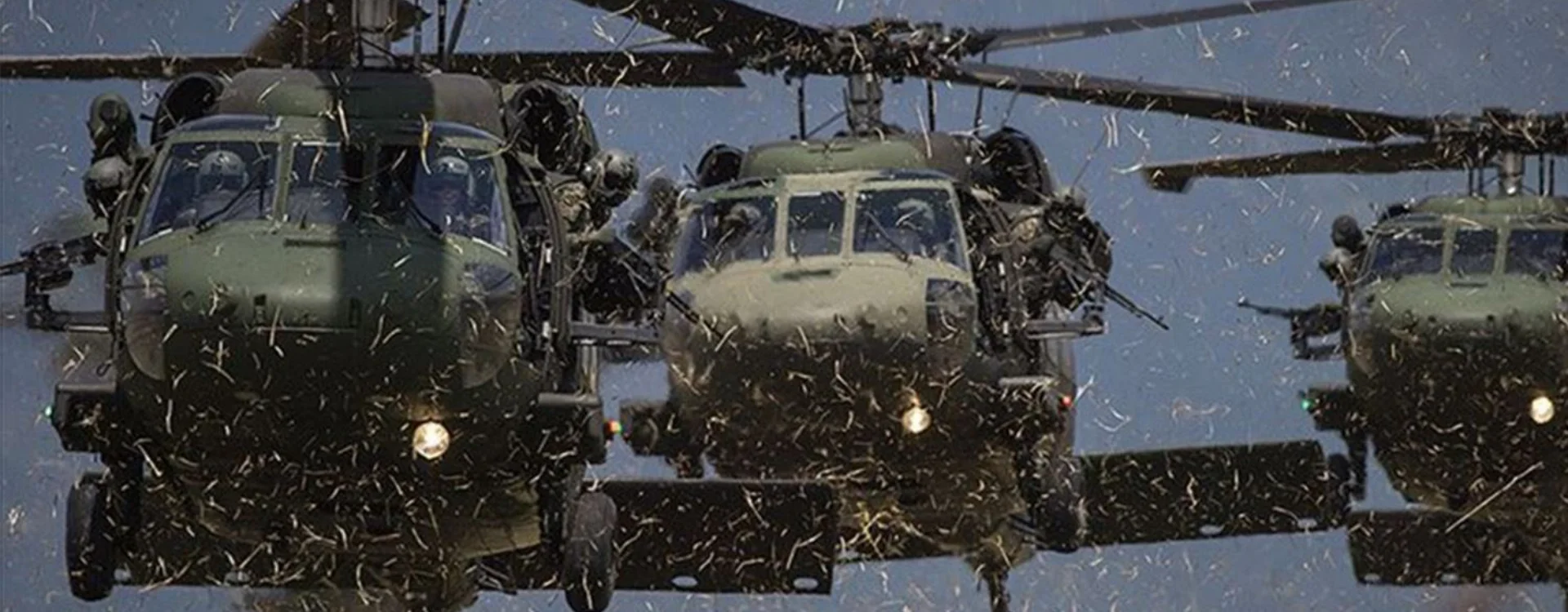
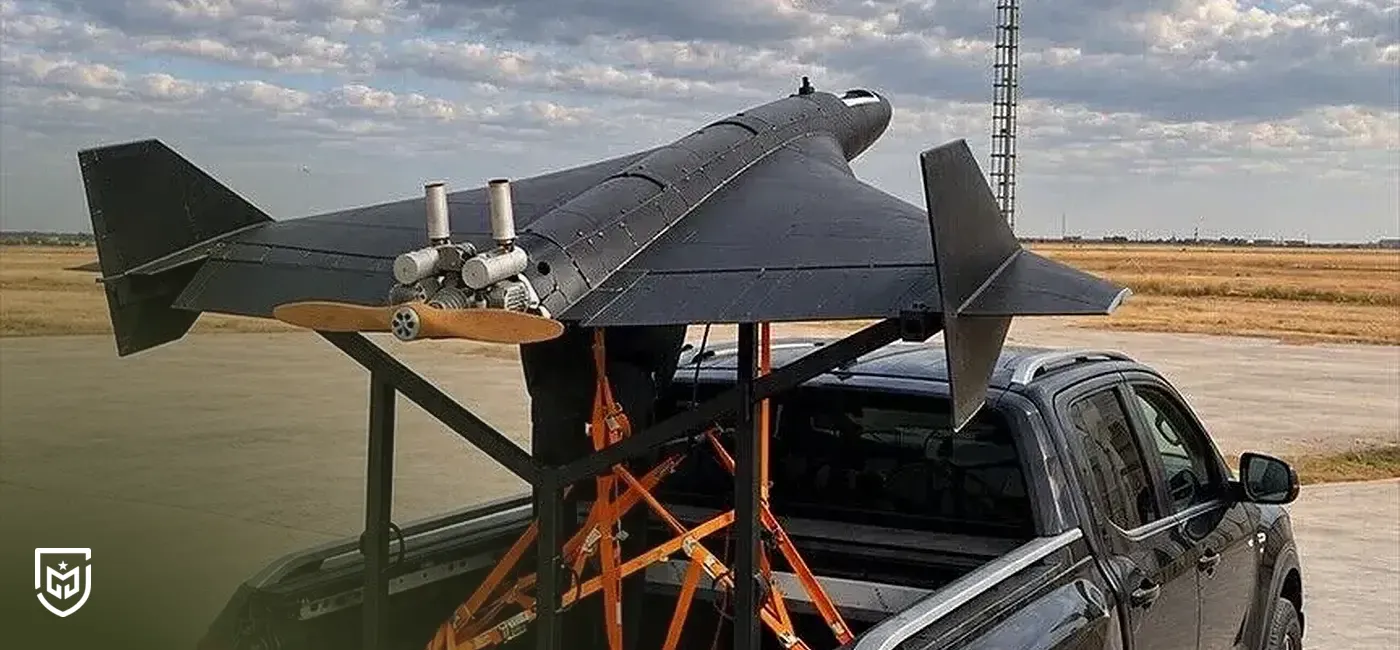
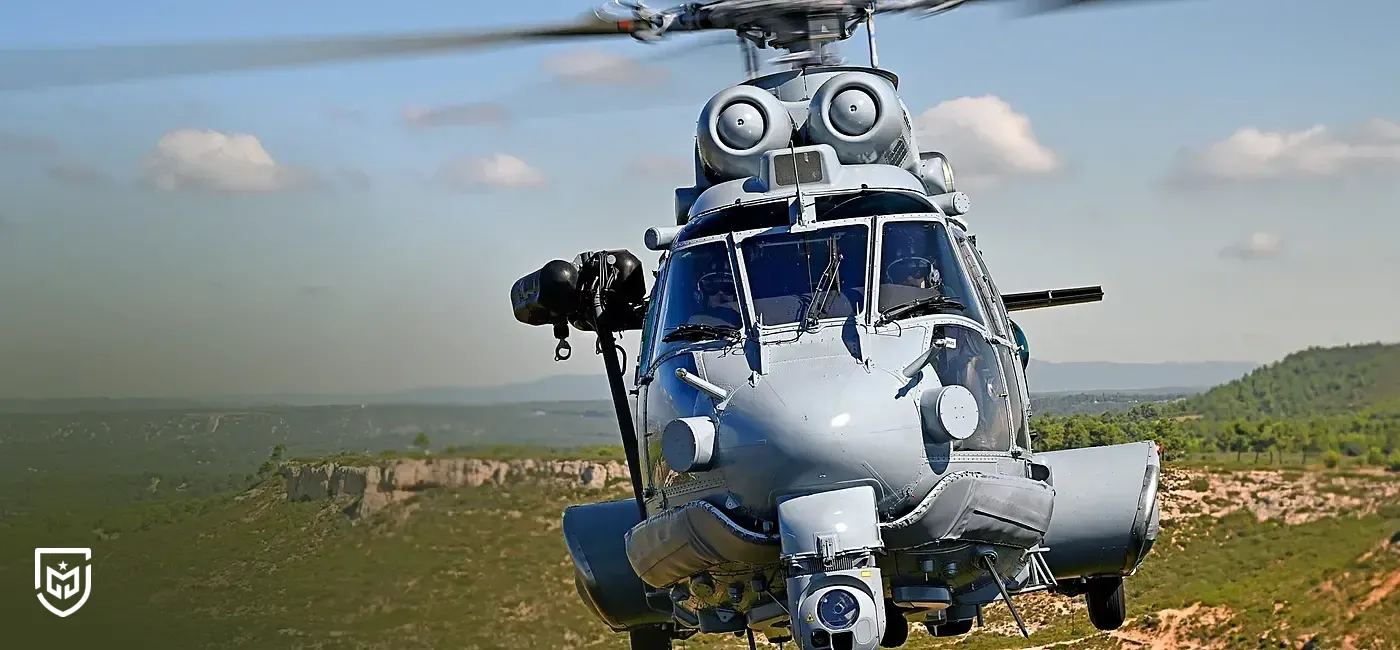
Air operations focus on achieving air superiority, supporting ground forces, conducting reconnaissance missions and protecting national airspace. Fighter aircraft, airborne early warning and control platforms, aerial refueling aircraft, helicopters and unmanned aerial vehicles play essential roles in these missions. Radar systems, integrated air defense networks, satellite communications and advanced targeting technologies enable commanders to coordinate complex air operations with precision and speed.
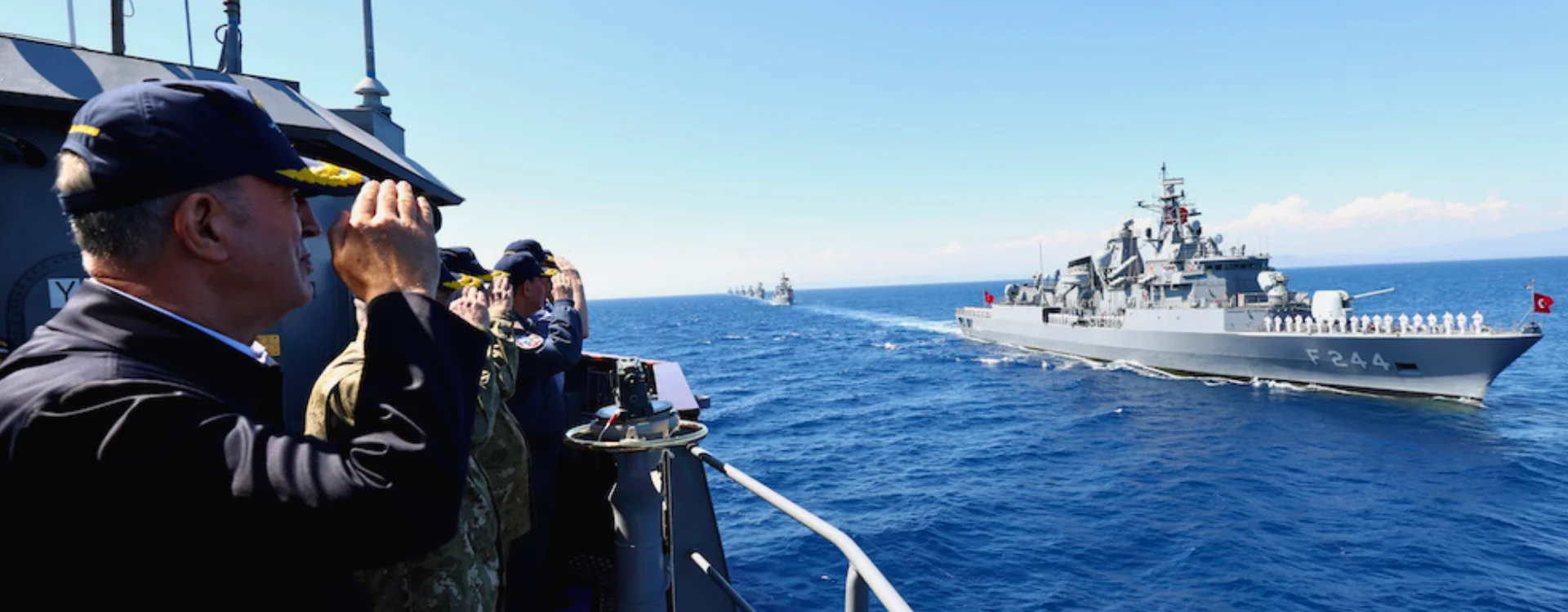
Maritime operations are designed to safeguard territorial waters, secure maritime trade routes, protect offshore infrastructure and maintain freedom of navigation. Frigates, destroyers, submarines, amphibious assault ships, mine countermeasure vessels and maritime patrol aircraft work together to achieve naval objectives. Modern maritime operations are further enhanced by unmanned surface vessels, autonomous underwater systems, satellite surveillance and long-range maritime radar networks.
Amphibious operations combine naval, land and air capabilities to project military forces from the sea onto coastal areas. These highly coordinated missions require detailed logistical planning, synchronized air support, naval firepower and specialized landing forces. Because of their complexity, amphibious operations are considered among the most challenging forms of modern military operations.
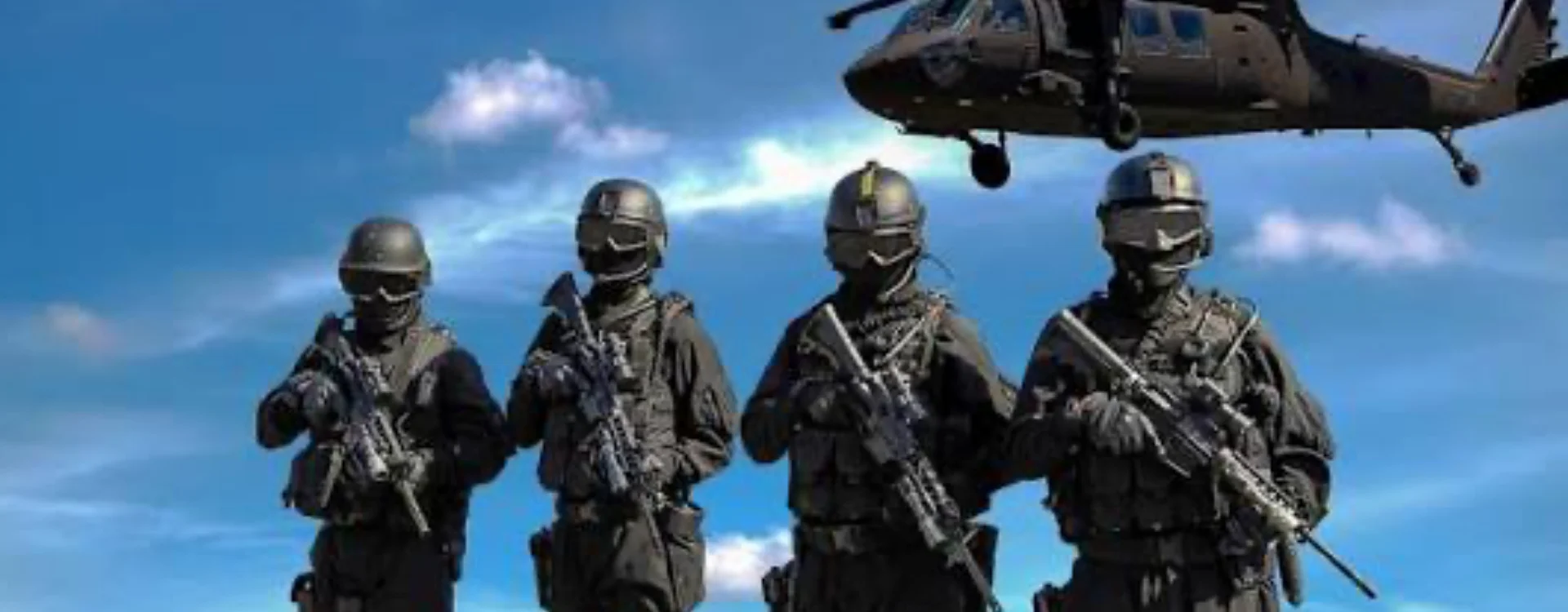
Special operations are conducted by highly trained specialized units assigned to high-risk and strategically important missions. These operations may include strategic reconnaissance, hostage rescue, direct action missions, counterterrorism, protection of critical infrastructure and sensitive intelligence activities. Success depends on speed, precision, secrecy, superior intelligence and close coordination between multiple operational elements.
In the digital era, cyber operations have become a critical component of national defense. These activities involve protecting military command systems, communication networks, government institutions and critical infrastructure from cyber threats while maintaining operational resilience. Cyber defense teams, threat intelligence centers, incident response units and artificial intelligence-driven cybersecurity platforms help detect, analyze and respond to sophisticated cyber threats in real time.
Electronic warfare operations focus on controlling and exploiting the electromagnetic spectrum. Electronic support, electronic attack and electronic protection capabilities are employed to disrupt hostile communications, degrade radar systems, protect friendly electronic assets and maintain information superiority. Today, electronic warfare is fully integrated into land, air and maritime operations and plays an increasingly important role in modern military strategy.
Peace support and humanitarian operations represent another significant category of military activities. Armed forces frequently assist in disaster response, humanitarian relief, civilian evacuations, infrastructure protection and stabilization missions. These operations contribute to regional security, support civilian populations during crises and demonstrate the broader role of modern armed forces beyond traditional combat operations.
The most advanced operational concept today is Multi-Domain Operations (MDO). This approach integrates activities across land, air, sea, cyberspace, outer space and the electromagnetic spectrum into a single coordinated campaign. Artificial intelligence, satellite systems, advanced sensor networks, cloud-based command-and-control platforms and real-time data sharing enable military forces to synchronize operations across every operational domain simultaneously, creating greater speed, flexibility and decision superiority.
Effective military operations also depend on intelligence, logistics and joint command structures. Accurate intelligence enables commanders to understand the operational environment, while resilient logistics ensure the continuous supply of personnel, equipment, fuel and ammunition. Joint command systems integrate information from multiple services, allowing land, naval, air and cyber forces to operate as a unified force capable of responding rapidly to complex security challenges.
In conclusion, military operations have evolved into highly integrated, technology-driven activities that combine conventional forces with cyber capabilities, electronic warfare, artificial intelligence and advanced intelligence systems. Land, air, maritime, amphibious, special operations, cyber missions and multi-domain operations each play a critical role in modern defense strategies. Success depends on comprehensive planning, reliable intelligence, resilient logistics, technological superiority and effective coordination across all domains of warfare.


The cookies used on our website are used to provide you with a better user experience and to improve our website. You can manage your cookie preferences from the options below.




 Süheyla Yıldız