BREAKING NEWS
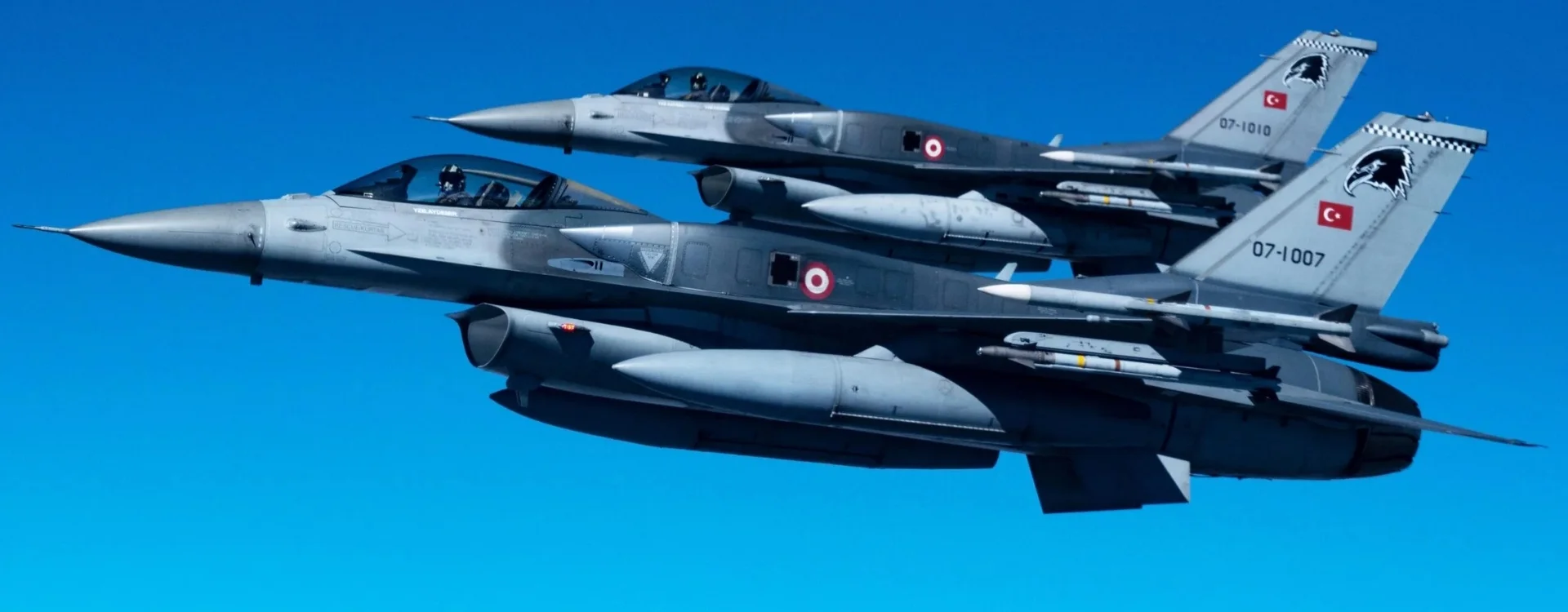
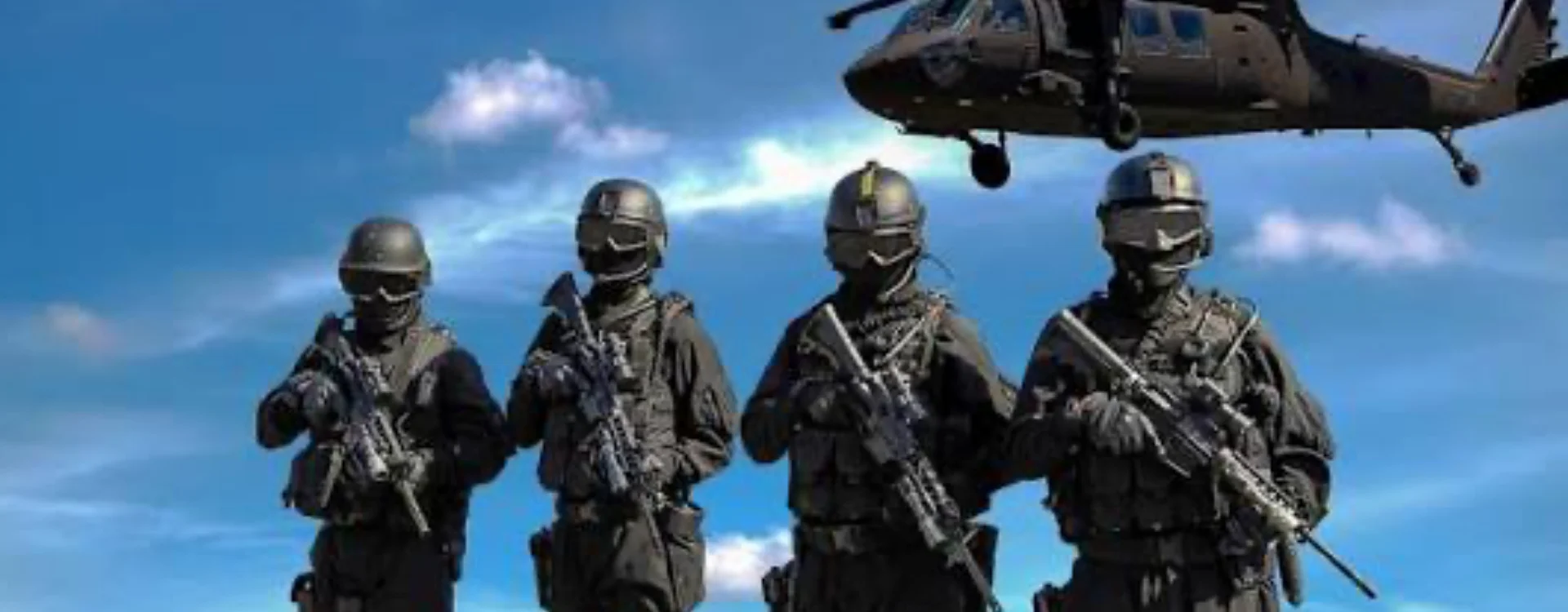
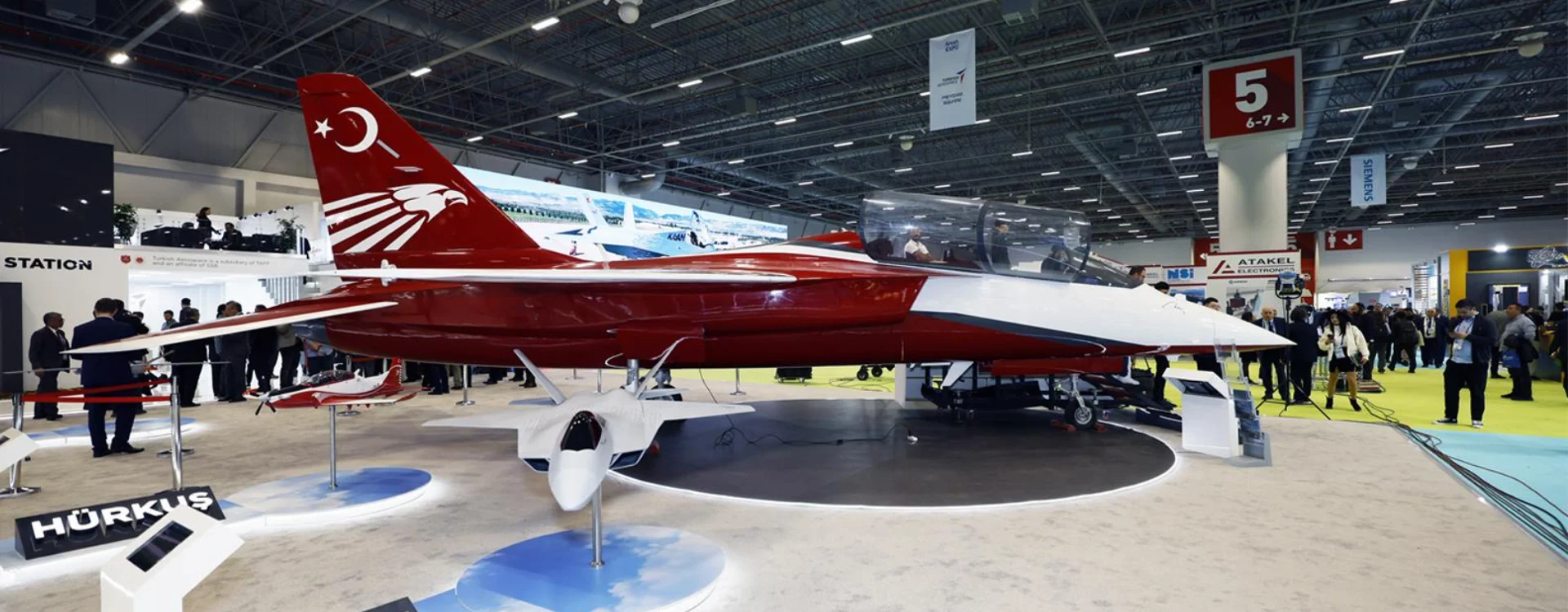
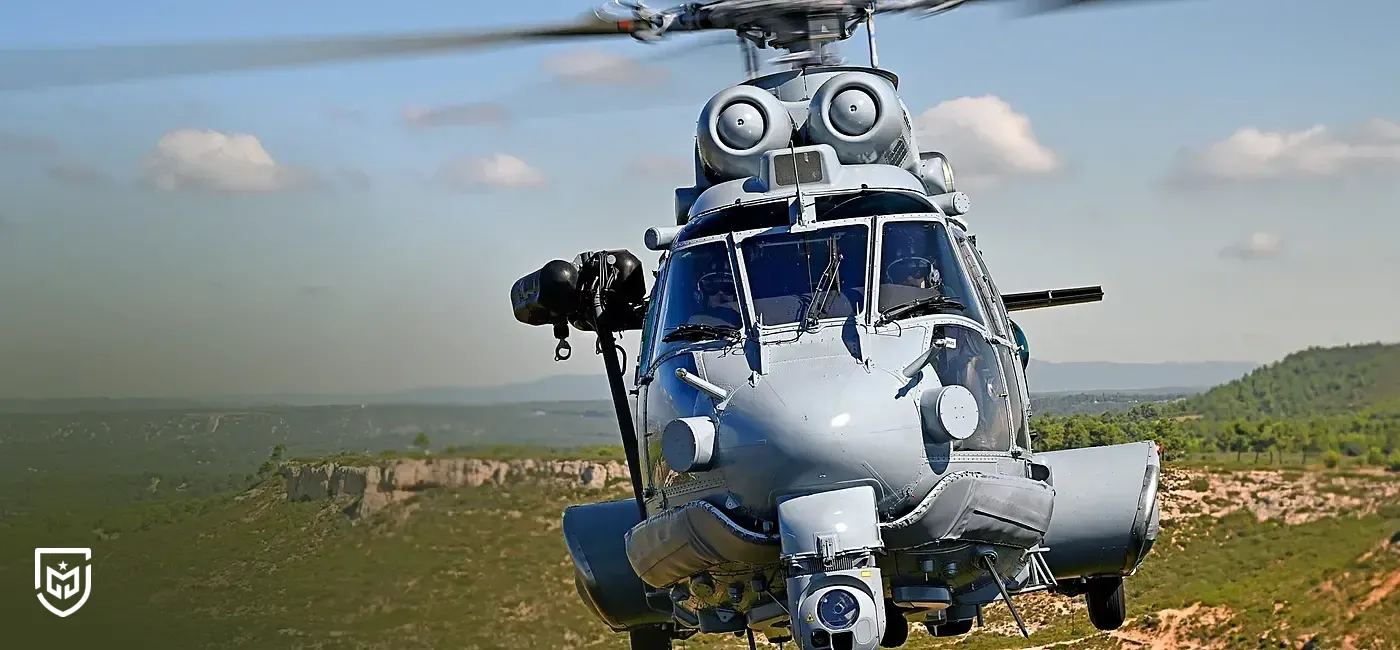
Air power doctrines refer to strategic approaches that aim to achieve military superiority and strategic advantage through control of the airspace. These doctrines are built on neutralizing enemy forces, conducting reconnaissance and surveillance, and enabling rapid response on the battlefield. In modern warfare, air superiority has become a critical factor that directly influences the success of land and naval operations. Therefore, air power is no longer just a supporting element, but one of the decisive forces determining the outcome of war.
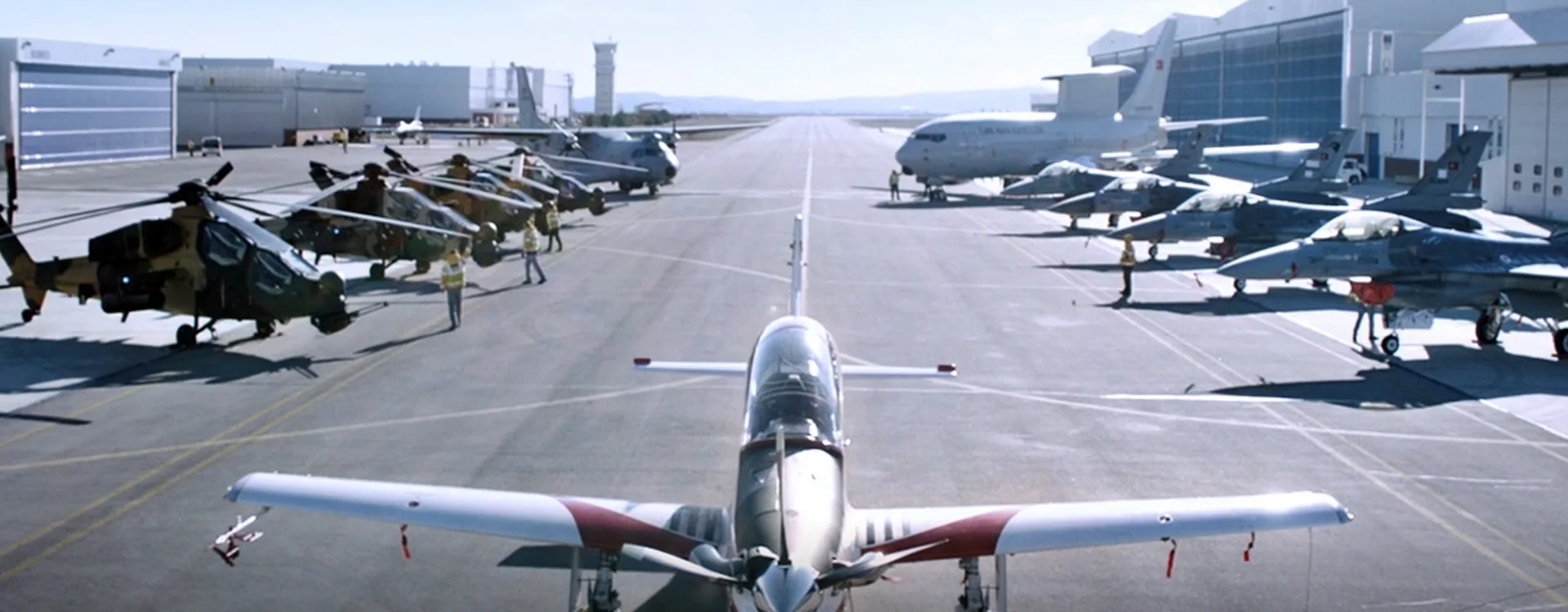
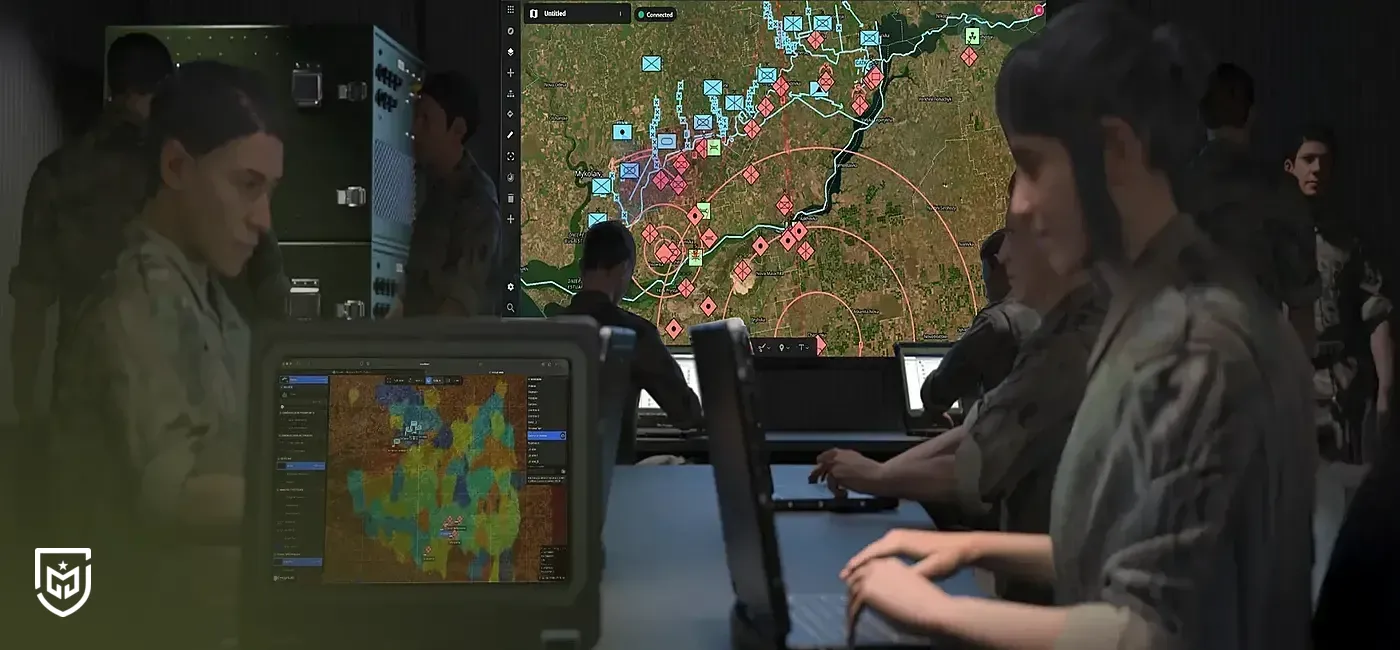
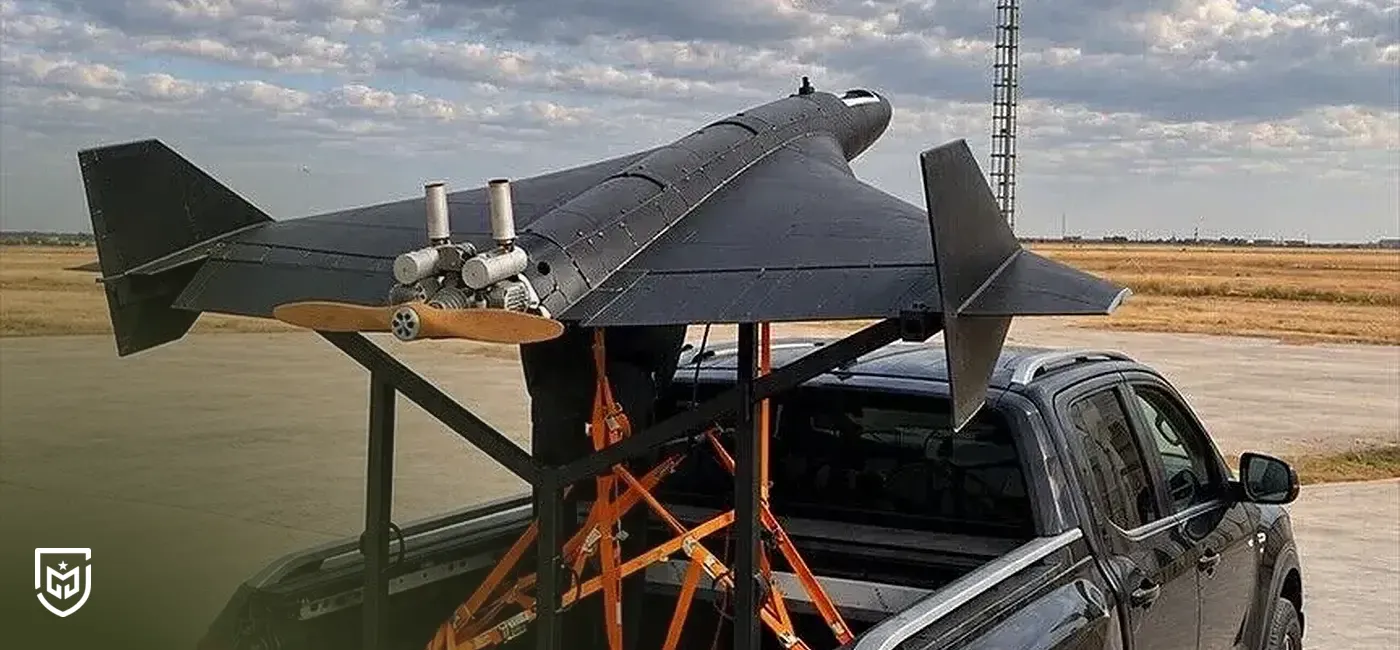
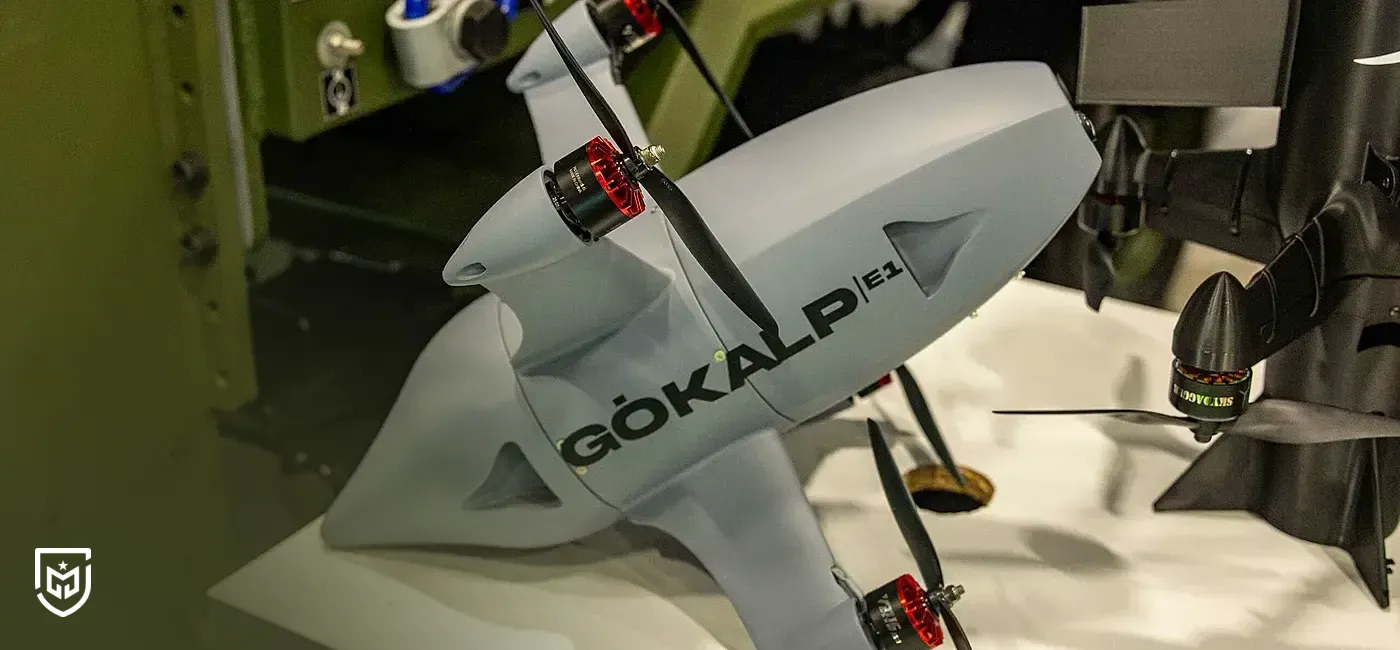
From a more technical perspective, air power doctrines consist of key components such as strategic bombing, air superiority, close air support, and electronic warfare. The theory developed by Giulio Douhet emphasized that air forces could directly target an enemy’s critical infrastructure to achieve rapid victory. Core elements of air power include fighter jets, unmanned aerial vehicles (UAVs), early warning systems, and integrated air defense networks. In today’s context, cyber technologies, AI-supported systems, and network-centric warfare have transformed air power doctrines into a more integrated and highly effective strategic framework.


The cookies used on our website are used to provide you with a better user experience and to improve our website. You can manage your cookie preferences from the options below.




 Süheyla Yıldız