BREAKING NEWS
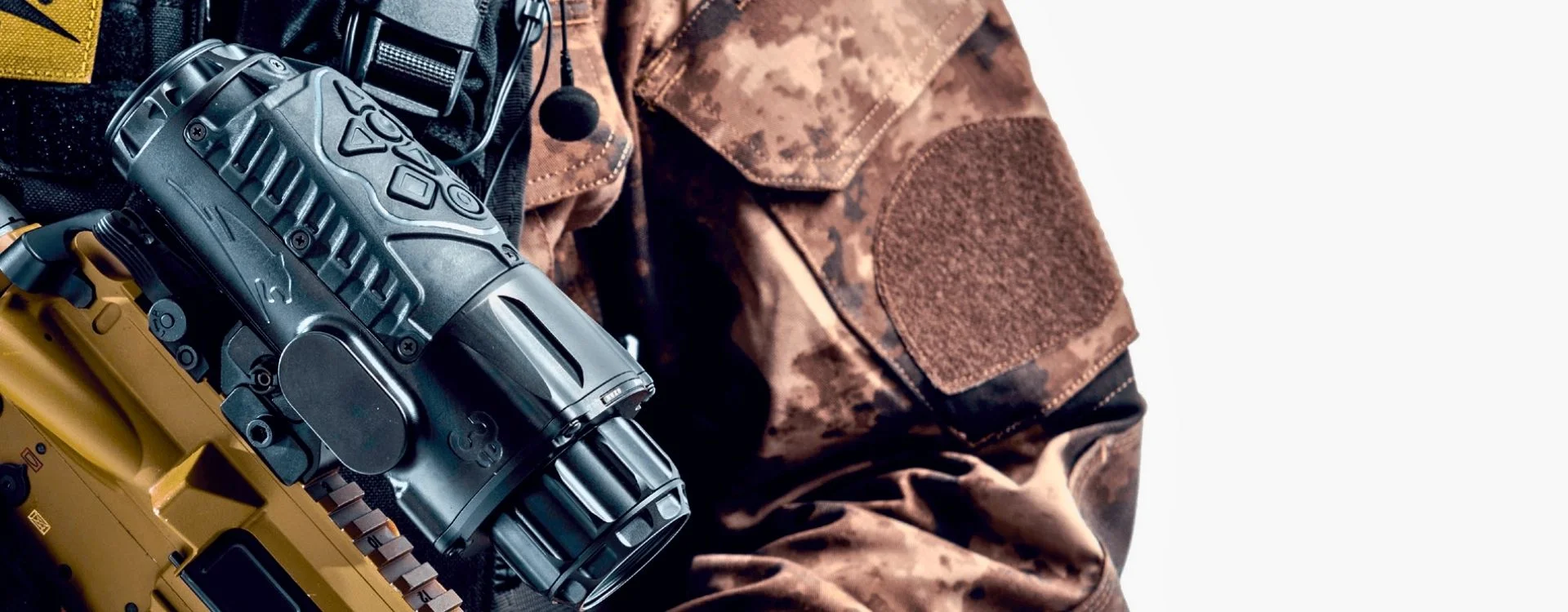
Thermal binocular technologies have become a core component of modern military and civilian security applications by enabling reliable target detection even in low-visibility conditions. Operating without the need for any external light source, these systems generate images by detecting heat differences emitted by objects. As a result, they provide high detection capability during nighttime, fog, smoke, or dense vegetation. Military operations, border security, hunting, and search-and-rescue missions are among the primary fields where thermal binoculars are widely used.
Today’s most notable advancements in thermal binoculars include high-resolution thermal sensors, more sensitive microbolometer technology, and advanced image processing software. Next-generation models stand out with extended detection ranges, low latency, and enhanced digital zoom capabilities. In addition, integrated recording systems, wireless data transfer, and multiple color palettes offer greater operational flexibility for users. Energy-efficient battery systems and lightweight yet durable housing designs have made thermal binoculars more accessible for both professional and individual users. These technological developments elevate thermal binoculars from simple observation tools to critical decision-support systems in demanding environments.


The cookies used on our website are used to provide you with a better user experience and to improve our website. You can manage your cookie preferences from the options below.





 Rabia Kılıç