BREAKING NEWS
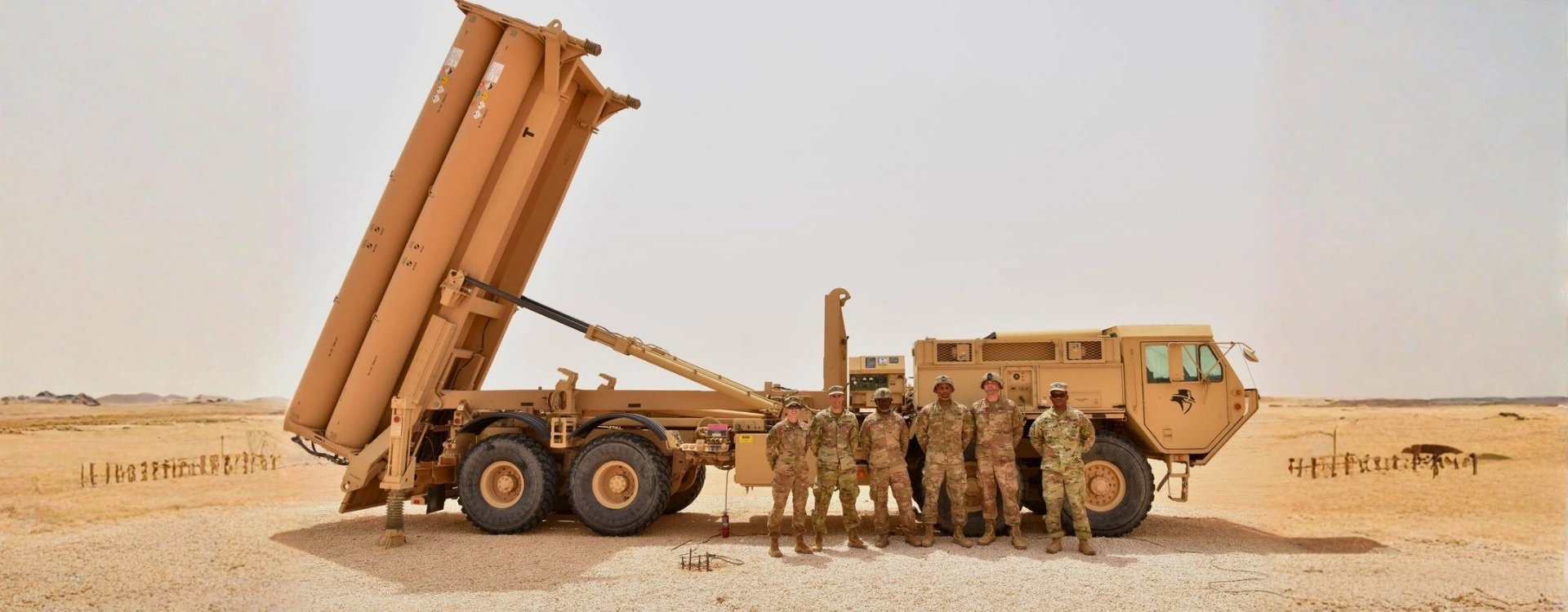
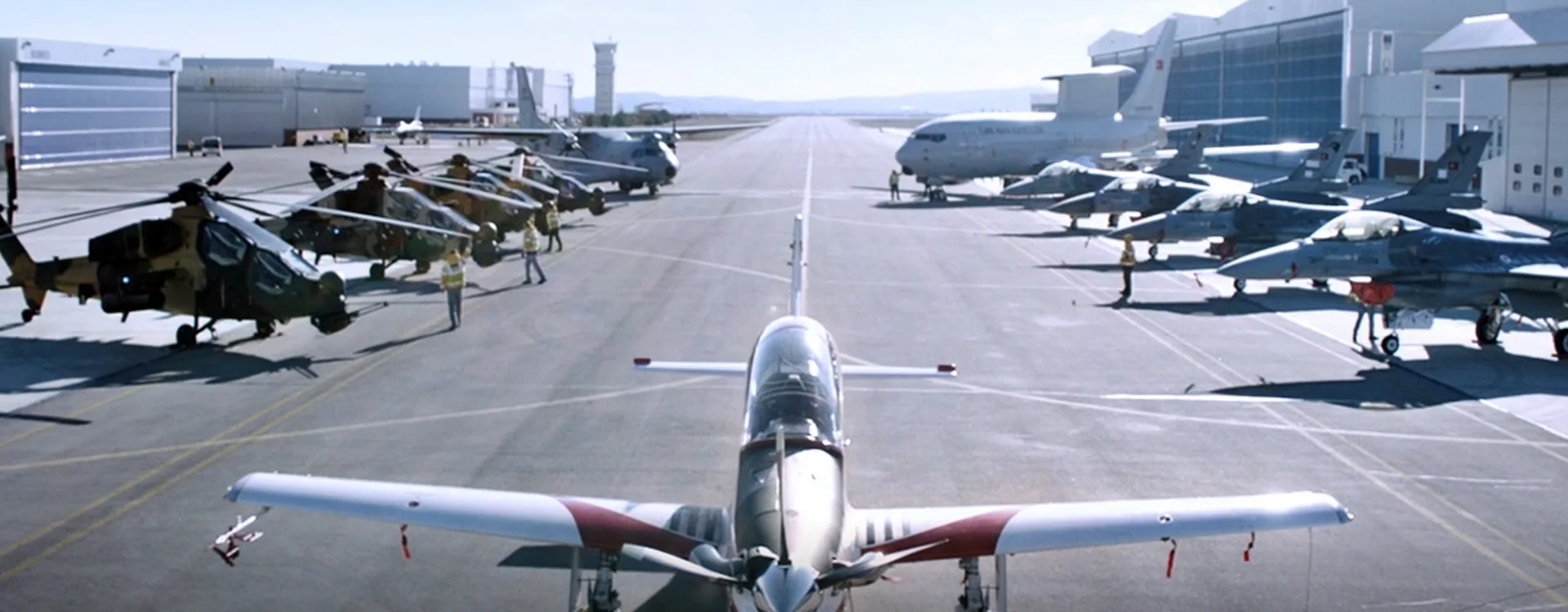
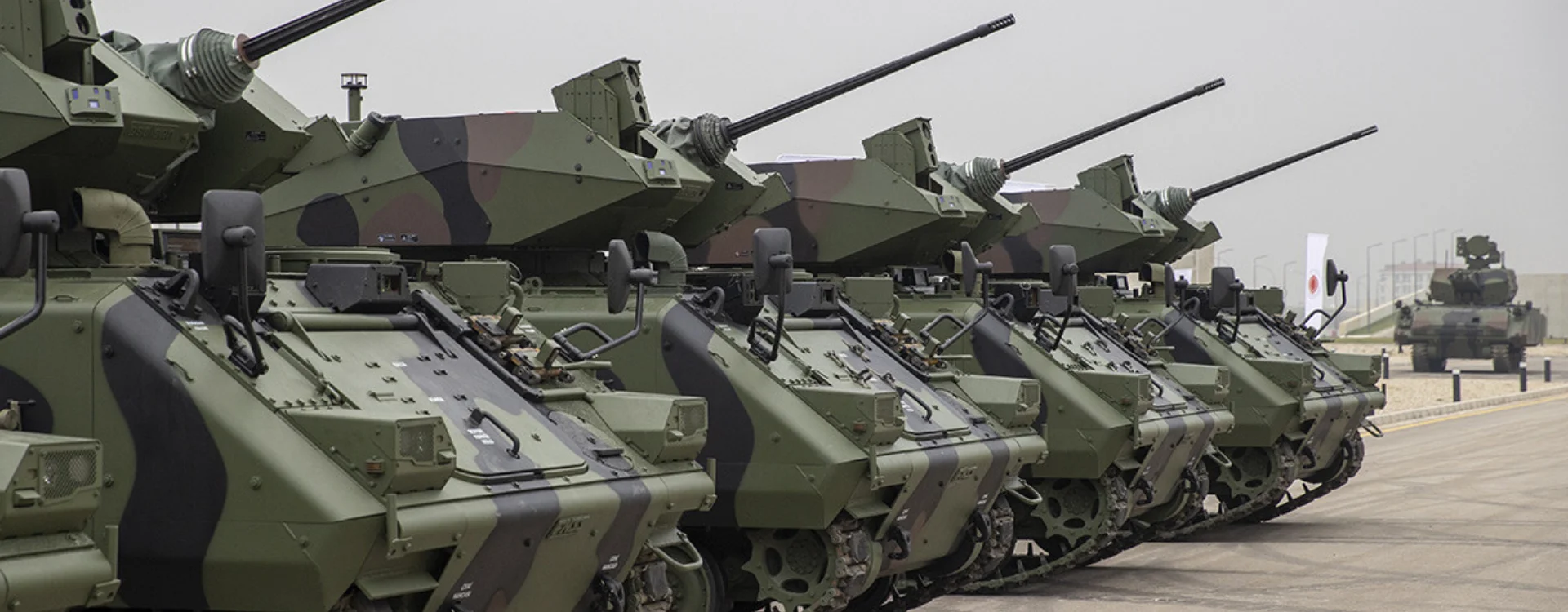
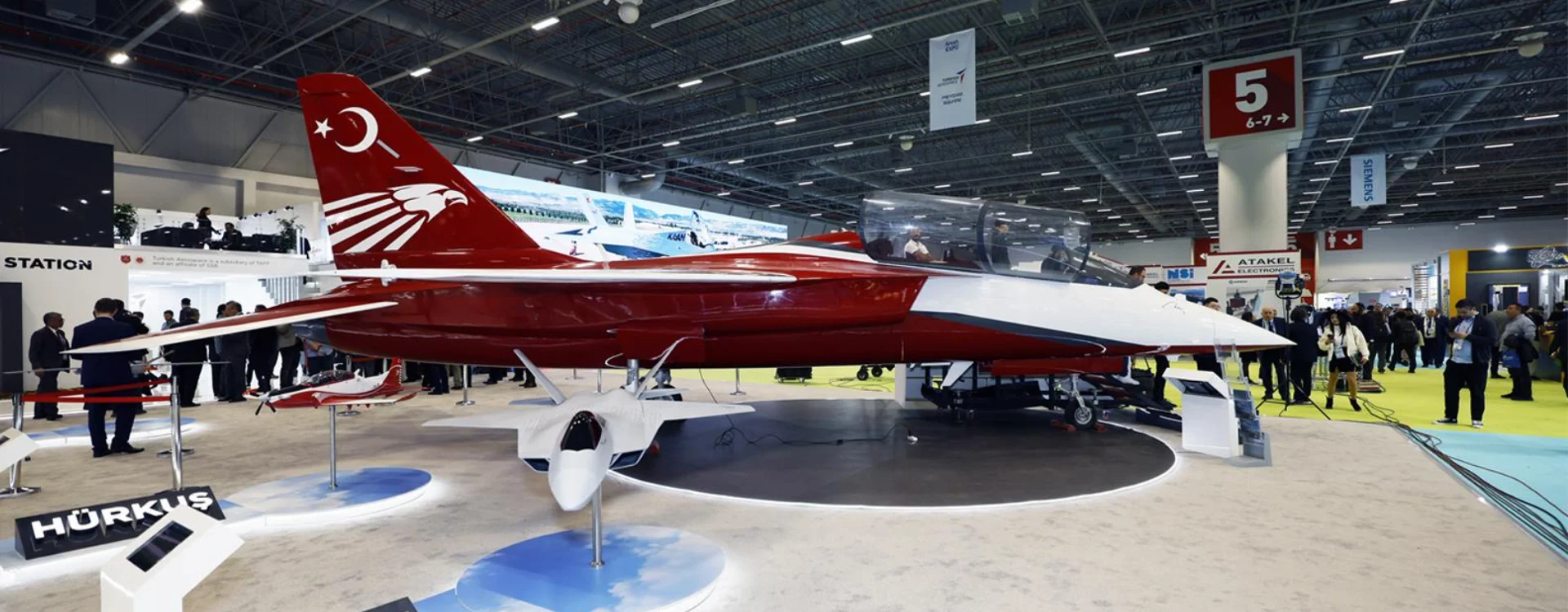
Multinational defense projects stand out as one of the most strategic components of today’s global security architecture. These projects, developed through the shared financing, technology, and military capabilities of multiple countries, aim to reduce defense costs while increasing deterrence. Rising regional threats, asymmetric warfare, and advanced technological requirements have pushed nations away from acting alone toward a collective defense approach. In this context, projects focused on air defense systems, fighter aircraft, missile technologies, and cyber security infrastructures not only enhance military strength but also reinforce geopolitical cooperation among participating states.
From a technical perspective, multinational defense projects are characterized by joint R&D centers, standardized production processes, and integrated command-and-control systems. Many initiatives developed under the umbrella of NATO aim to ensure operational interoperability among member countries, while global defense companies such as Airbus and Lockheed Martin play a critical role in their implementation. Historically, such collaborations gained momentum during the Cold War and have since become indispensable in terms of technology transfer, logistical integration, and long-term defense planning. Today, multinational defense projects are regarded not only as tools of military superiority but also as cornerstones of strategic autonomy and sustainable security.


The cookies used on our website are used to provide you with a better user experience and to improve our website. You can manage your cookie preferences from the options below.







 Süheyla Yıldız