BREAKING NEWS
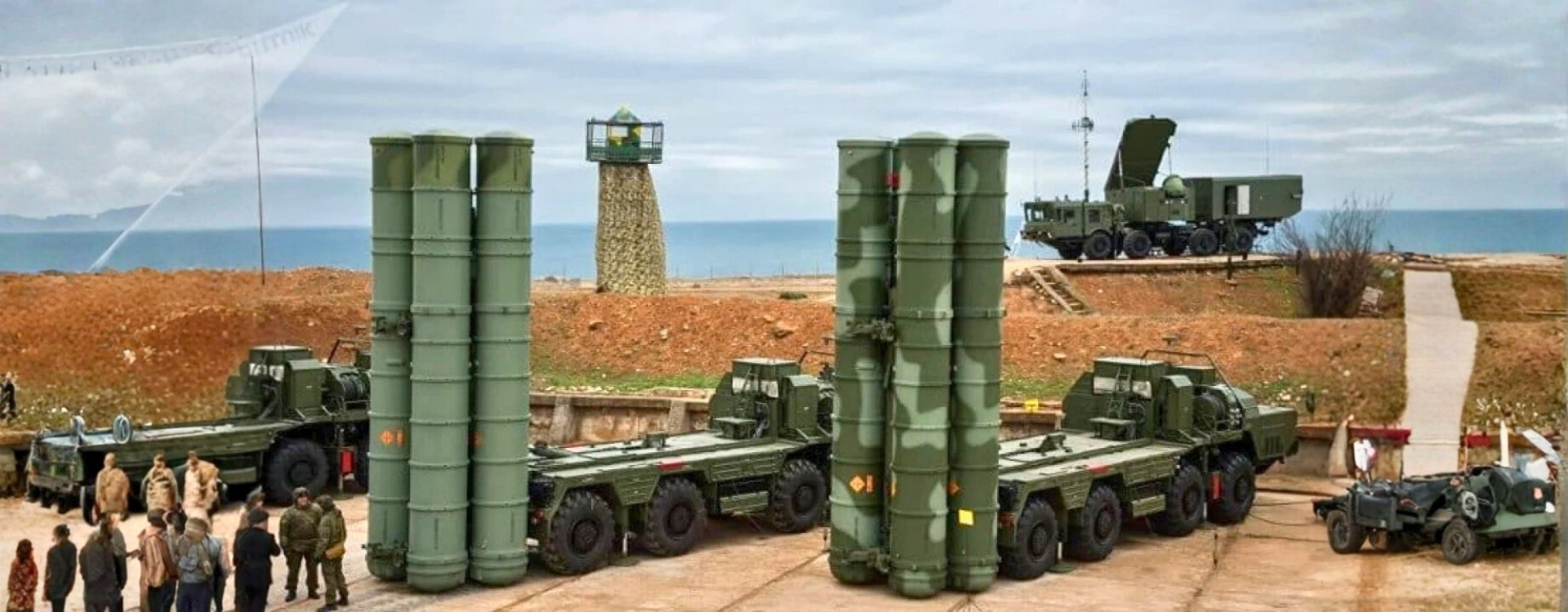
Multi-target engagement capability stands out as one of the most critical components of modern defense technologies. This capability refers to a defense system’s ability to detect, track, and neutralize multiple threats simultaneously. In today’s asymmetric and high-intensity conflict environments, threats no longer appear as single, isolated targets; instead, they emerge concurrently, at high speed, and from multiple directions. For this reason, multi-target engagement is regarded not only as a measure of military superiority but also as a vital requirement for sustainable national security. Although it may initially sound like a technical term, this concept essentially represents the “intelligent” and “simultaneous” decision-making capacity of defense systems.
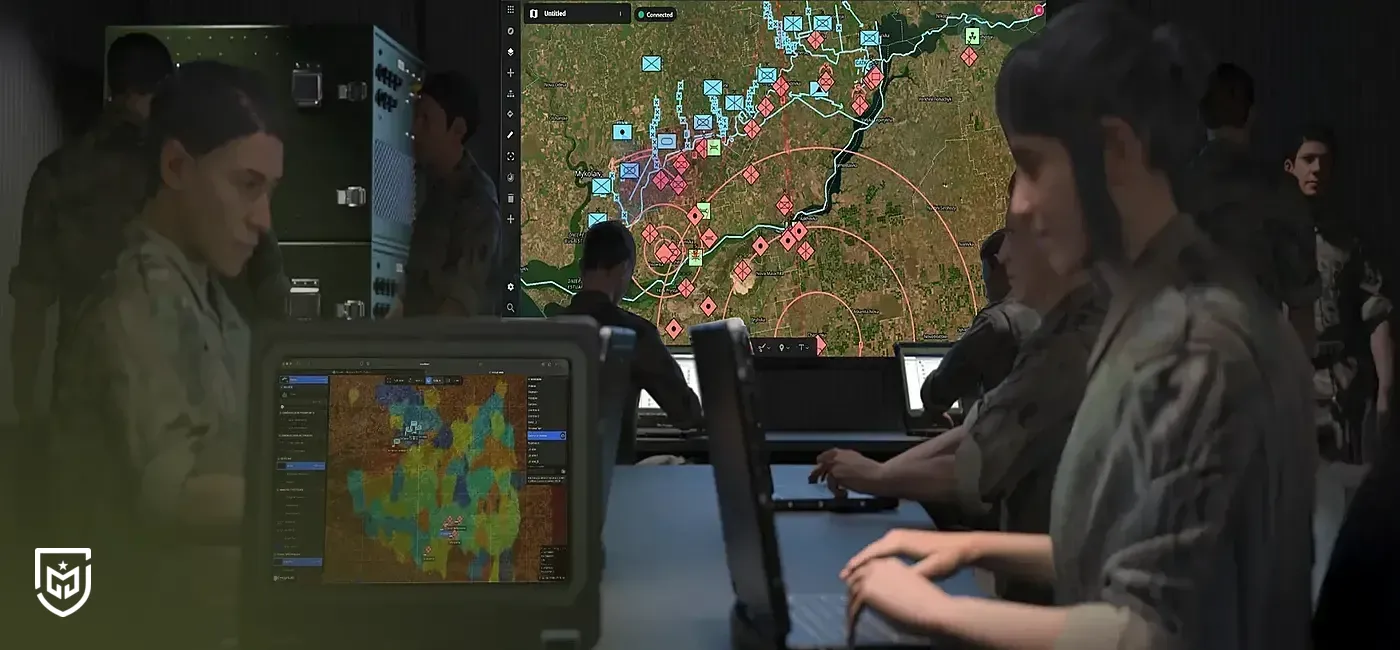
From a technical perspective, multi-target engagement capability relies on the seamless integration of advanced radar sensors, high-performance command-and-control software, and rapidly responding interceptor systems. The system prioritizes targets moving at different speeds and altitudes at the same time, engaging them based on threat level. This ensures that the defense layer remains effective even under saturation attacks. Real-time data processing, automatic target classification, and algorithm-driven decision-making without the need for constant human intervention have made this capability an indispensable element of modern warfare doctrines. As a result, multi-target engagement transforms defense systems from passive shields into active and dynamic security architectures.


The cookies used on our website are used to provide you with a better user experience and to improve our website. You can manage your cookie preferences from the options below.




 Süheyla Yıldız