BREAKING NEWS
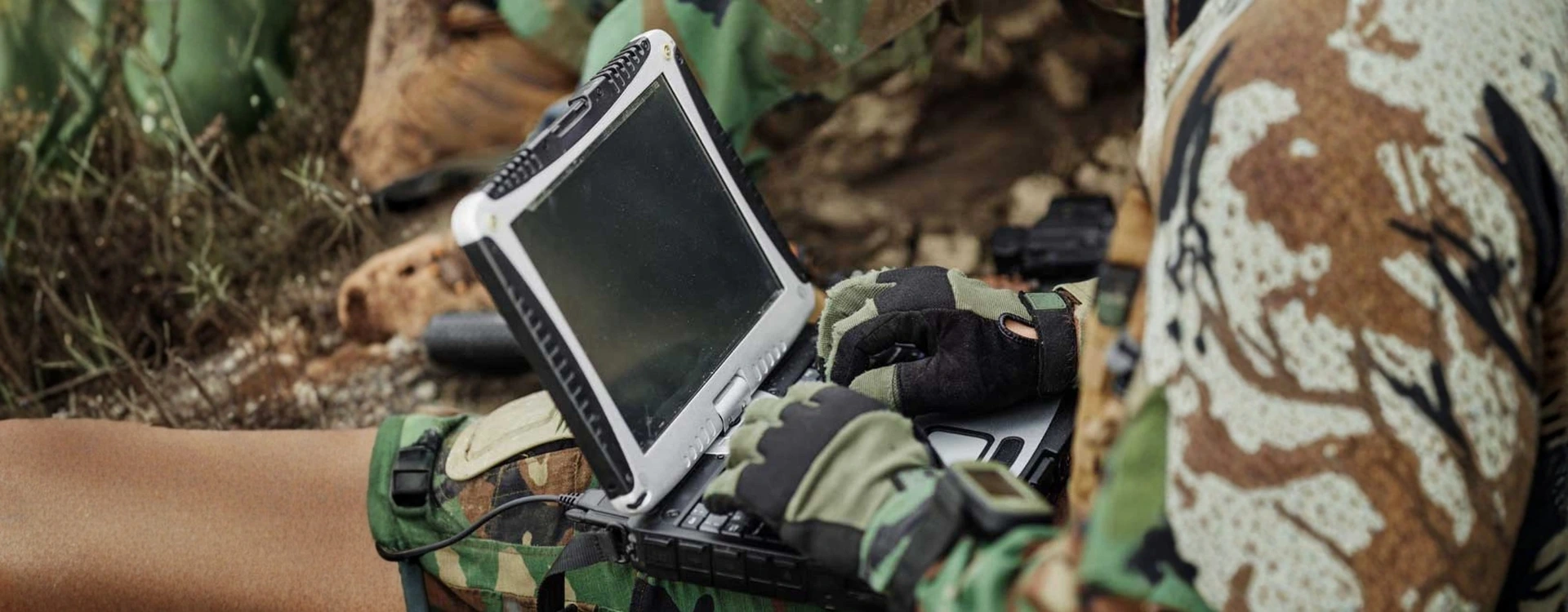
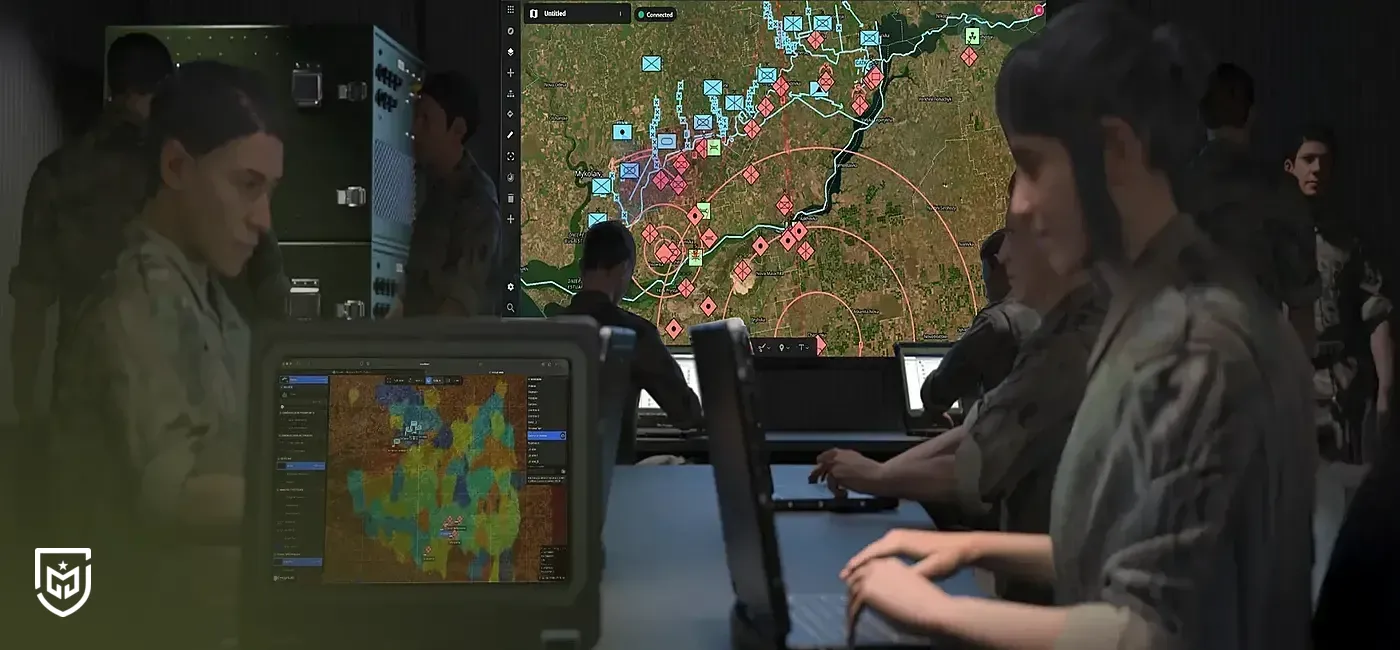
Military strategic planning software has become one of the most critical digital capabilities shaping modern armed forces by accelerating decision-making processes, reducing uncertainty on the battlefield, and consolidating multi-dimensional operational data into a single command structure. In today’s conflicts, victory is no longer determined solely by manpower or firepower, but by data-driven foresight, predictive analysis, and scenario management. These software systems integrate land, air, naval, cyber, and space domains under a unified command-and-control architecture, providing commanders with real-time situational awareness. In simple terms, military strategic planning software stands out as one of the most decisive yet invisible tools of contemporary warfare.
From a more technical perspective, these platforms operate through artificial intelligence–powered decision support modules, advanced simulation and war-gaming infrastructures, geographic information systems (GIS) integration, and big data analytics. Threat assessment, force deployment optimization, logistics planning, and pre-testing of potential operational scenarios become achievable through these systems. Their importance grows even further in multinational operations, where standardized data sharing and joint operational planning are essential. Solutions built on advanced analytics platforms, such as those developed by Palantir Technologies, alongside NATO-compatible command-and-control software, are among the most prominent examples in this field. Historically, large-scale digital planning systems began gaining momentum in the post–Cold War era, forming the backbone of network-centric warfare doctrines after the early 2000s. Today, military strategic planning software is no longer a support tool, but a force multiplier capable of directly determining the outcome of conflicts.


The cookies used on our website are used to provide you with a better user experience and to improve our website. You can manage your cookie preferences from the options below.





 Süheyla Yıldız