BREAKING NEWS
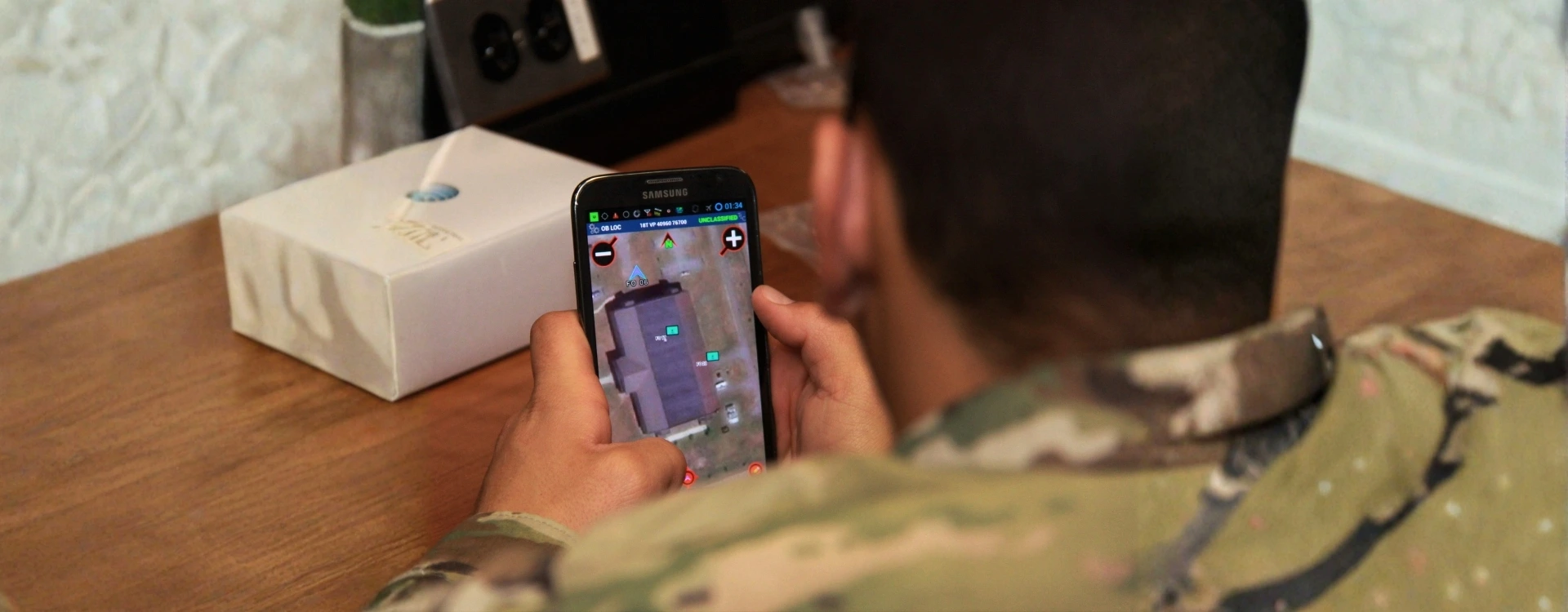
Military mobile applications stand out as digital solutions that accelerate reflexes and strengthen decision-making processes for modern armed forces. These smartphone- and tablet-based applications are widely used in critical areas such as inter-unit communication, real-time data sharing, mission tracking, and operational awareness. In particular, instant information flow enables military personnel to act in a more coordinated manner in the field, while providing command levels with faster and clearer situational assessments. Compared to traditional radio and desktop-based systems, their portability, flexibility, and user-friendly design have made military mobile applications an indispensable component of contemporary defense doctrines.
From a technical perspective, military mobile applications are equipped with advanced capabilities such as high-level encrypted security, offline operation, integrated maps and positioning services, and the transmission of sensor and radar data. These applications are not limited to active combat zones; they are also extensively used in training, exercises, logistics planning, and maintenance operations. Historically, the integration of mobile technologies into military structures has clearly demonstrated the impact of digitalization on defense strategies, enabling armed forces to adopt more agile and adaptive structures. Today, military mobile applications continue to evolve with robust cybersecurity measures, artificial intelligence, and data analytics, playing a key role in shaping the future concepts of warfare.


The cookies used on our website are used to provide you with a better user experience and to improve our website. You can manage your cookie preferences from the options below.


 Süheyla Yıldız