BREAKING NEWS
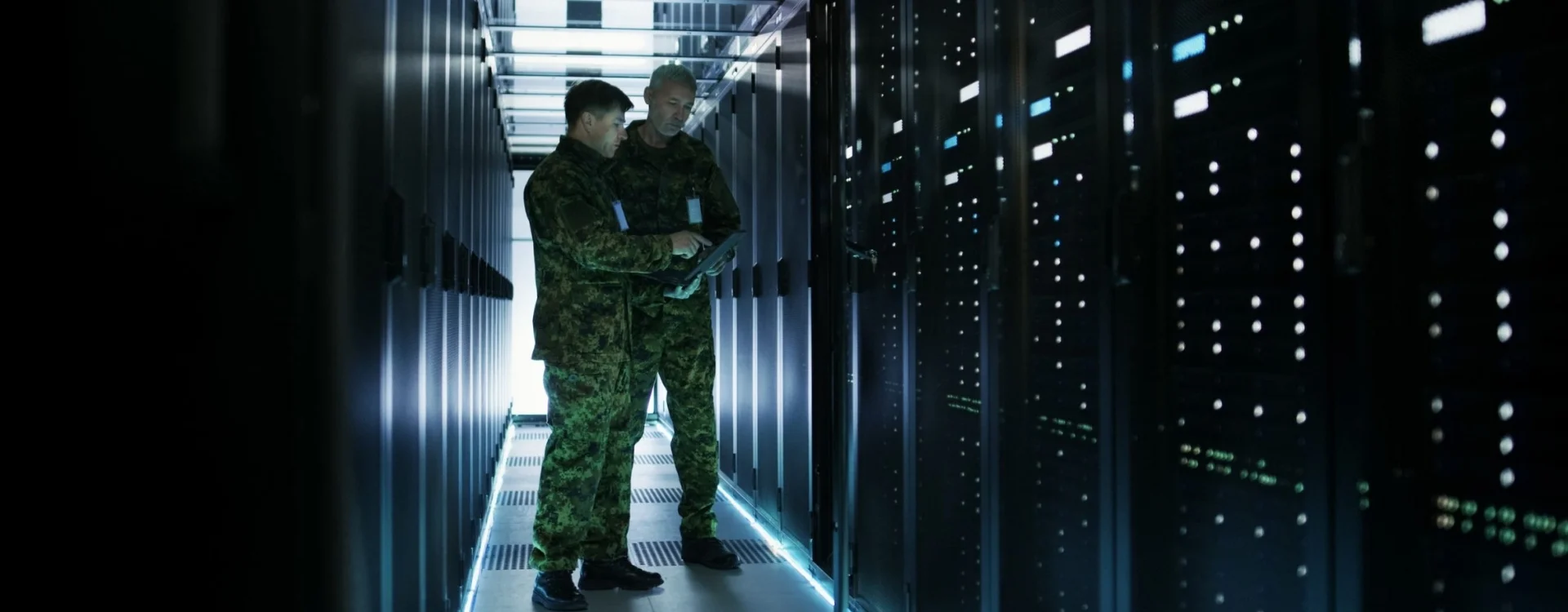
Military operations today are no longer limited to soldiers and weapons on the battlefield. Military data centers function as the digital brain of modern armed forces, where operational data is collected, processed, analyzed, and secured. From unmanned aerial vehicles and satellite systems to radar networks and cyber defense units, all critical military components rely on the data generated and managed within these centers. In contemporary warfare, data has become as strategic as ammunition, shaping decisions in real time.
From a technical perspective, military data centers are equipped with high-capacity servers, advanced encryption systems, artificial intelligence–driven analytics infrastructure, and multi-layered physical security measures. Cybersecurity is the most critical pillar of these facilities, as they must withstand sophisticated cyber threats while ensuring uninterrupted command operations. During the Cold War, underground command facilities symbolized strategic resilience; today, their role has evolved into highly advanced digital infrastructures. Modern defense doctrines emphasize integrated global data networks, enabling real-time threat detection, intelligence fusion, and seamless command-and-control continuity. High availability architecture, disaster recovery systems, and redundant power infrastructures guarantee operational stability even under extreme conditions. Ultimately, military data centers are not merely storage facilities; they are strategic digital command hubs where decisions that can alter the course of warfare are produced and executed.


The cookies used on our website are used to provide you with a better user experience and to improve our website. You can manage your cookie preferences from the options below.





 Süheyla Yıldız