BREAKING NEWS

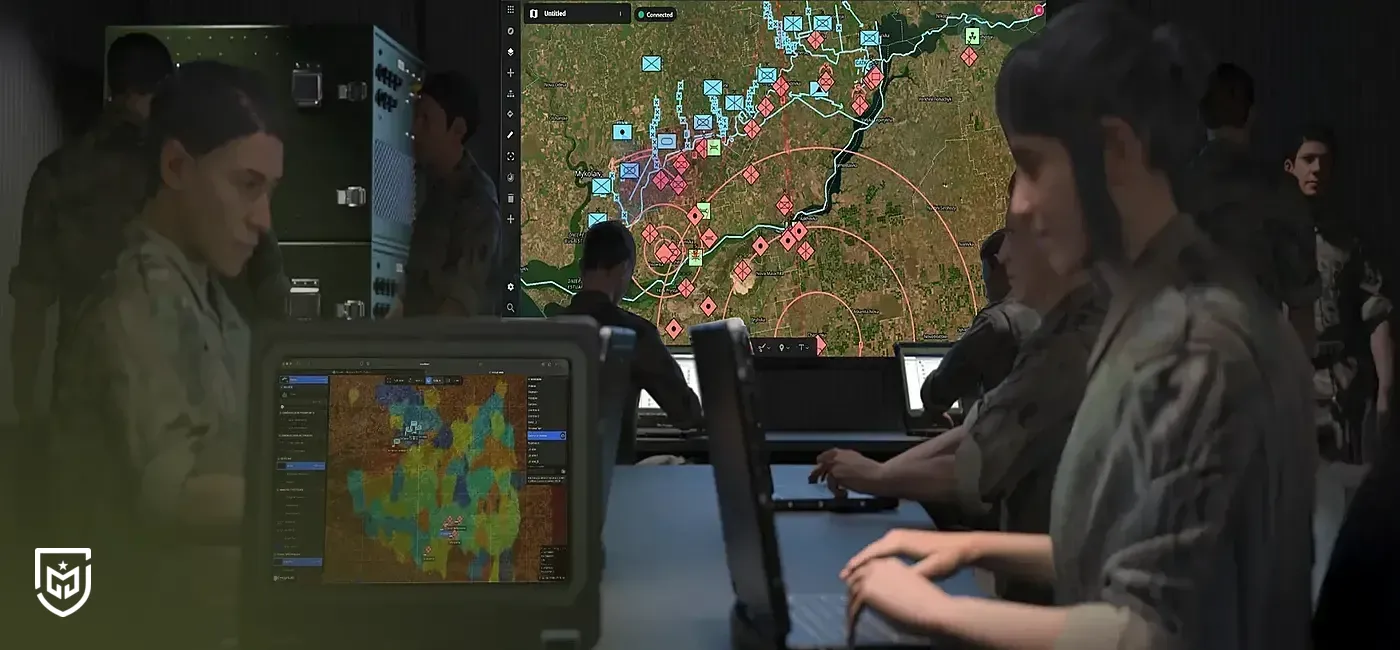
Military cloud technology has emerged as one of the most critical infrastructures enabling data security, speed, and operational flexibility in the digital transformation of modern armed forces. Today’s battlefield is shaped by massive data streams generated by sensors, unmanned systems, satellite networks, and command-and-control centers. Managing, processing, and distributing this data securely and in real time is no longer feasible with traditional information technology infrastructures. Military cloud systems allow operational data to be managed through centralized or distributed architectures, accelerating decision-making processes and providing real-time information superiority to forces in the field. Although they may appear similar to civilian cloud solutions at first glance, military cloud technologies are designed to meet far higher standards of security, resilience, and reliability.
From a technical perspective, military cloud technology is built upon high-security data centers, advanced encryption frameworks, and strict access control mechanisms. These systems ensure that sensitive military data is accessible only to authorized users while remaining resilient against cyberattacks and electronic warfare threats. Through hybrid and tactical cloud architectures, data processing is no longer confined to central headquarters but can also be carried out at forward operating bases and mobile command posts. When integrated with artificial intelligence and big data analytics, military cloud solutions deliver significant advantages in areas such as threat assessment, logistics planning, and mission optimization. In this context, military cloud technology should be viewed not merely as an IT solution, but as a strategic force multiplier that forms the digital backbone of modern warfare.


The cookies used on our website are used to provide you with a better user experience and to improve our website. You can manage your cookie preferences from the options below.




 Rabia Kılıç