BREAKING NEWS
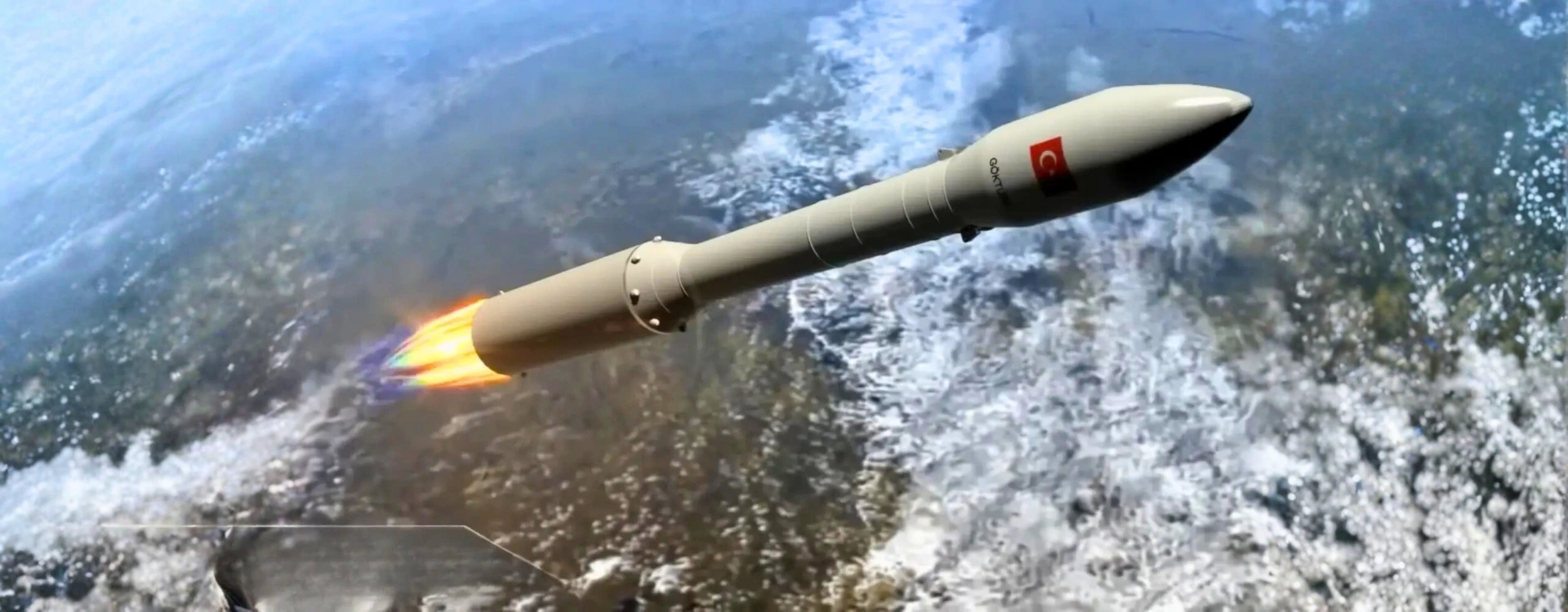
Micro satellite systems stand out as one of the clearest examples of the rapid transformation taking place in modern space technologies. Typically weighing between 10 and 100 kilograms, these satellites offer lower development costs, shorter production timelines, and high mission flexibility compared to traditional large-scale satellite projects. From communications and Earth observation to defense and scientific research, micro satellites are making space more accessible, especially for emerging space nations and private sector initiatives. Initially designed for limited and focused missions, these systems have evolved into platforms capable of producing high-value data, gaining significant strategic importance in today’s space ecosystem.
From a technical perspective, micro satellite systems are equipped with miniaturized electronic components, advanced sensors, high-precision attitude control systems, and efficient power management architectures. Operating primarily in low Earth orbit, they provide advantages such as improved imaging quality and low-latency communication. Moreover, by deploying micro satellites in constellations, it becomes possible to achieve broader coverage and continuous data flow compared to relying on a single large satellite. As their use expands across critical fields such as defense, agriculture, disaster management, and climate monitoring, micro satellite systems are becoming an indispensable element of modern space strategies worldwide.


The cookies used on our website are used to provide you with a better user experience and to improve our website. You can manage your cookie preferences from the options below.







 Süheyla Yıldız