BREAKING NEWS

Military alliances are political and defense partnerships formed by sovereign states to enhance collective security, strengthen military cooperation and respond to common threats. Throughout modern history, these alliances have played a decisive role in shaping international relations, strategic stability and the global balance of power. While military cooperation has existed for centuries, the concept of formal defense alliances became especially significant during the twentieth century, influencing military strategy, diplomacy and defense planning across the world.
The development of military alliances reflects the understanding that collective defense can provide greater security than individual action. Nations with shared strategic interests have established defense partnerships to improve military readiness, coordinate security policies and deter potential adversaries. These alliances have contributed not only to national defense but also to regional stability, crisis management and international cooperation.
One of the defining characteristics of military alliances is the principle of collective defense. Under this concept, member states agree to support one another in the event of external aggression or major security threats. Collective defense extends beyond wartime commitments and includes joint military exercises, intelligence sharing, defense planning, interoperability programs and long-term military cooperation. These activities strengthen operational coordination and improve the ability of allied forces to respond effectively during emergencies.
During the Cold War, military alliances became central elements of global strategic competition. Competing political and ideological blocs established large-scale defense organizations designed to deter conflict, maintain strategic balance and protect their respective security interests. The rapid advancement of nuclear deterrence, ballistic missile technology, integrated air defense systems and early warning networks significantly influenced alliance strategies throughout this period.
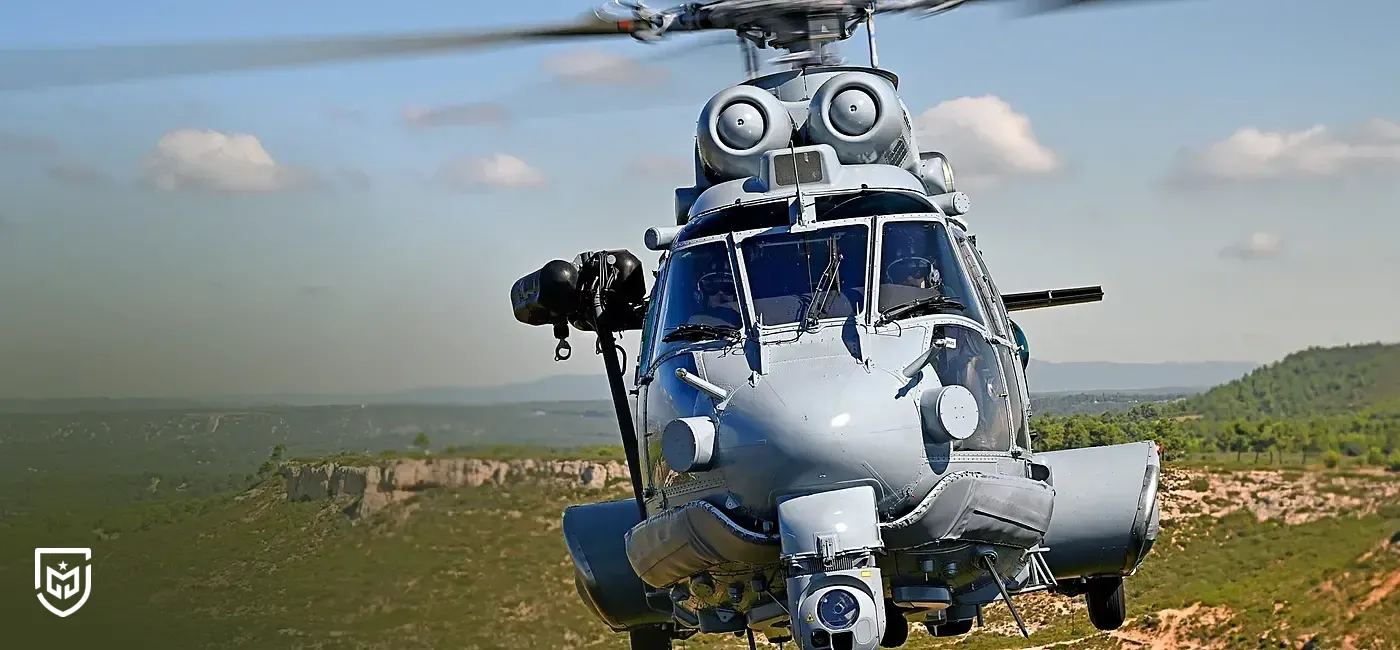
Military alliances today perform a wide range of missions beyond conventional defense. They coordinate joint military exercises, peace support operations, humanitarian assistance, maritime security, disaster response, counterterrorism efforts and crisis management. These activities enhance interoperability among member states while improving their ability to conduct multinational military operations under unified command structures.
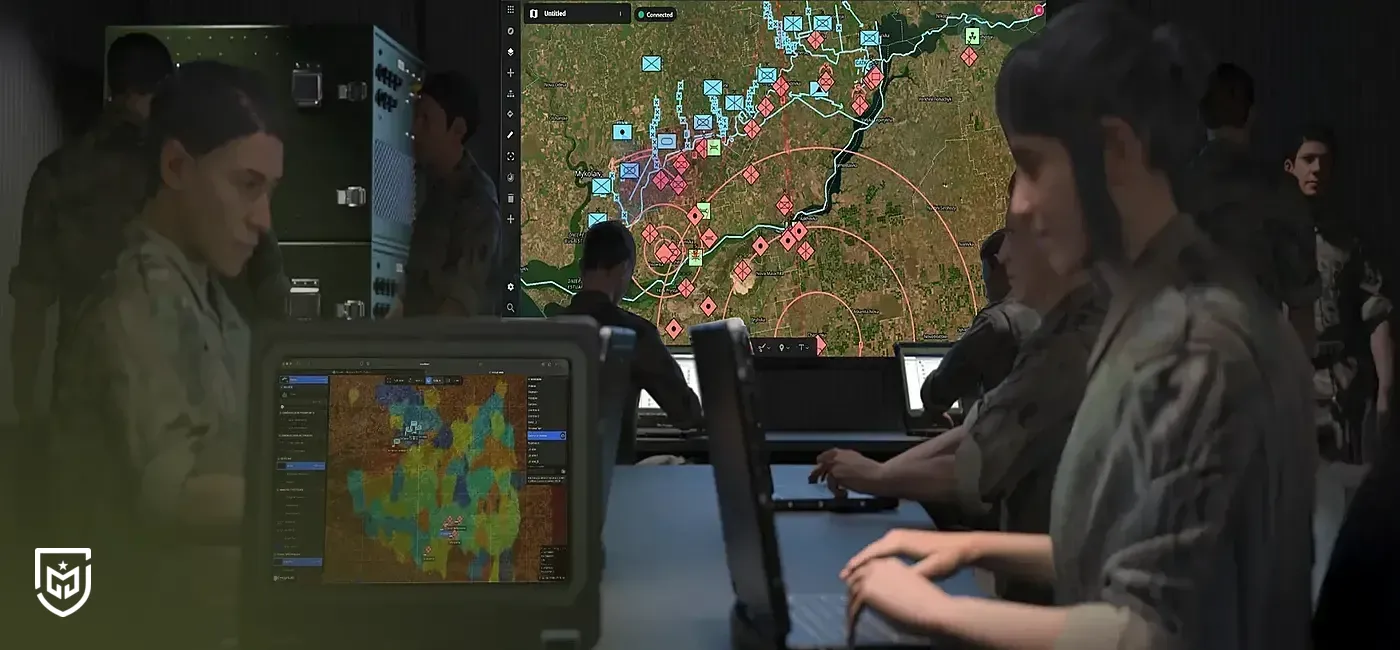
Modern military alliances place significant emphasis on intelligence cooperation and technological integration. Advanced satellite systems, radar networks, cyber defense capabilities, secure communications, surveillance platforms and integrated command-and-control systems enable member nations to exchange real-time information and respond more effectively to emerging threats. Information sharing has become one of the most valuable assets in contemporary collective defense.
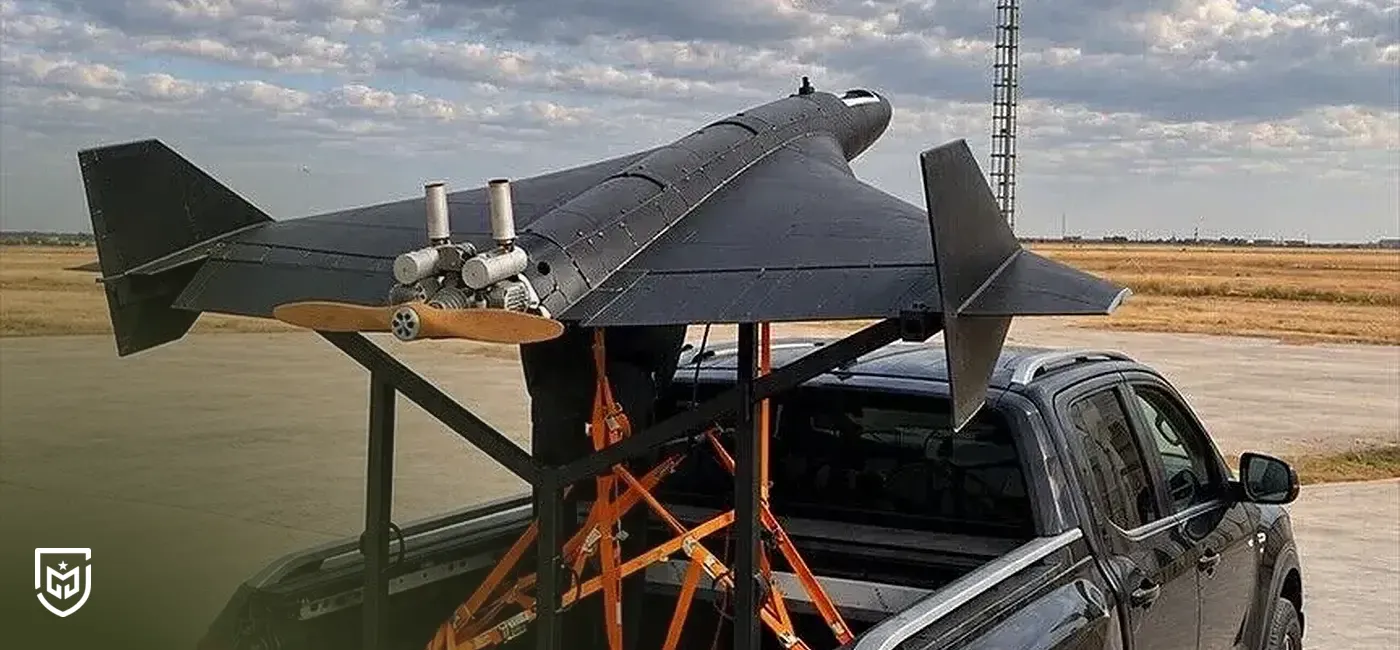
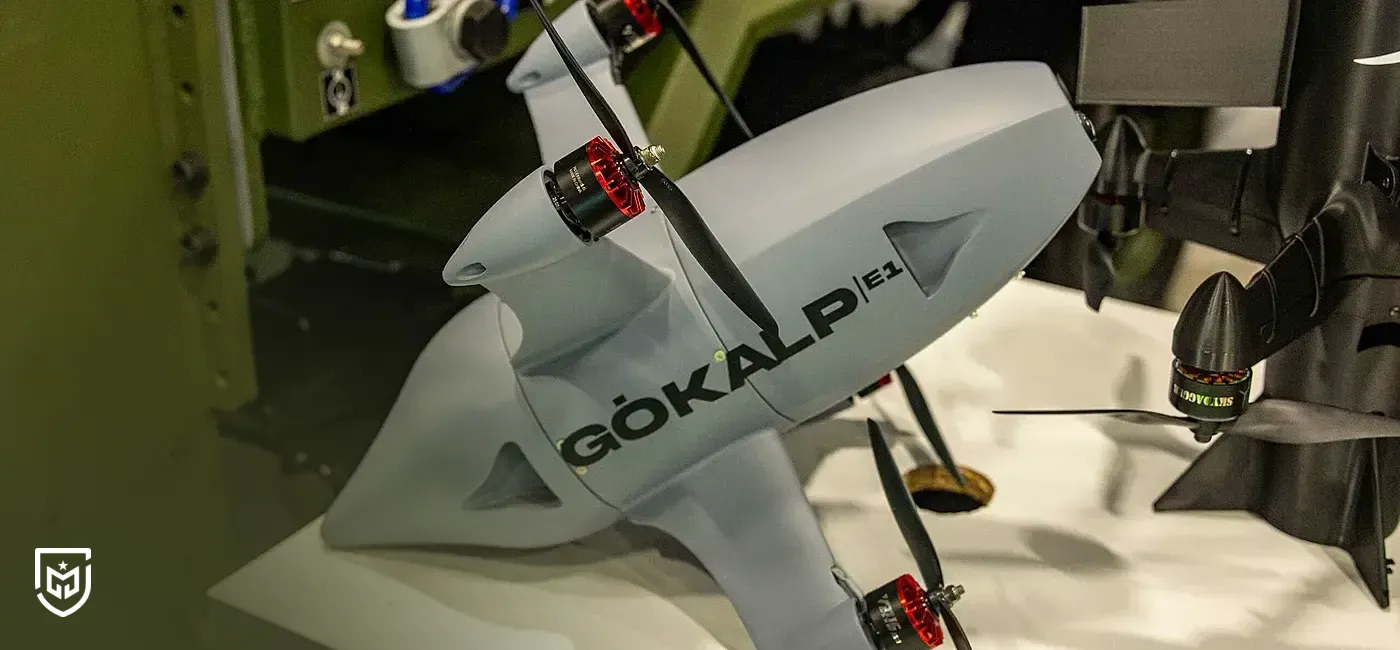
The role of military alliances has expanded considerably in recent years as new security challenges have emerged. Cybersecurity, space security, electronic warfare, autonomous systems, artificial intelligence and hybrid threatshave become major priorities for alliance planning. Modern defense organizations increasingly cooperate to protect digital infrastructure, secure critical communication networks and improve resilience against sophisticated cyber attacks.
Military alliances also contribute significantly to the development of the defense industry. Joint procurement programs, collaborative research projects, technology sharing and standardized military equipment improve operational compatibility while reducing development costs. These cooperative initiatives accelerate innovation and strengthen the long-term defense capabilities of participating nations.
Beyond military cooperation, alliances have substantial influence on international diplomacy and foreign policy. Member states frequently coordinate diplomatic initiatives, manage regional crises and develop common security policies to promote stability and reduce the risk of armed conflict. As a result, military alliances have evolved into strategic organizations that combine defense cooperation with political coordination and international engagement.
Advances in technology continue to transform alliance operations through the adoption of Multi-Domain Operations (MDO). Modern military planning increasingly integrates land, air, sea, cyberspace and space into a unified operational framework. Artificial intelligence, autonomous platforms, cloud-based command systems and real-time data analytics enhance decision-making and improve the effectiveness of multinational military operations across every operational domain.
In conclusion, the history of military alliances demonstrates how collective defense, strategic cooperation and technological innovation have shaped global security for decades. From traditional defense agreements to today's highly integrated multinational security partnerships, military alliances remain essential for strengthening deterrence, improving operational readiness and promoting international stability in an increasingly complex security environment.


The cookies used on our website are used to provide you with a better user experience and to improve our website. You can manage your cookie preferences from the options below.



 Süheyla Yıldız