BREAKING NEWS
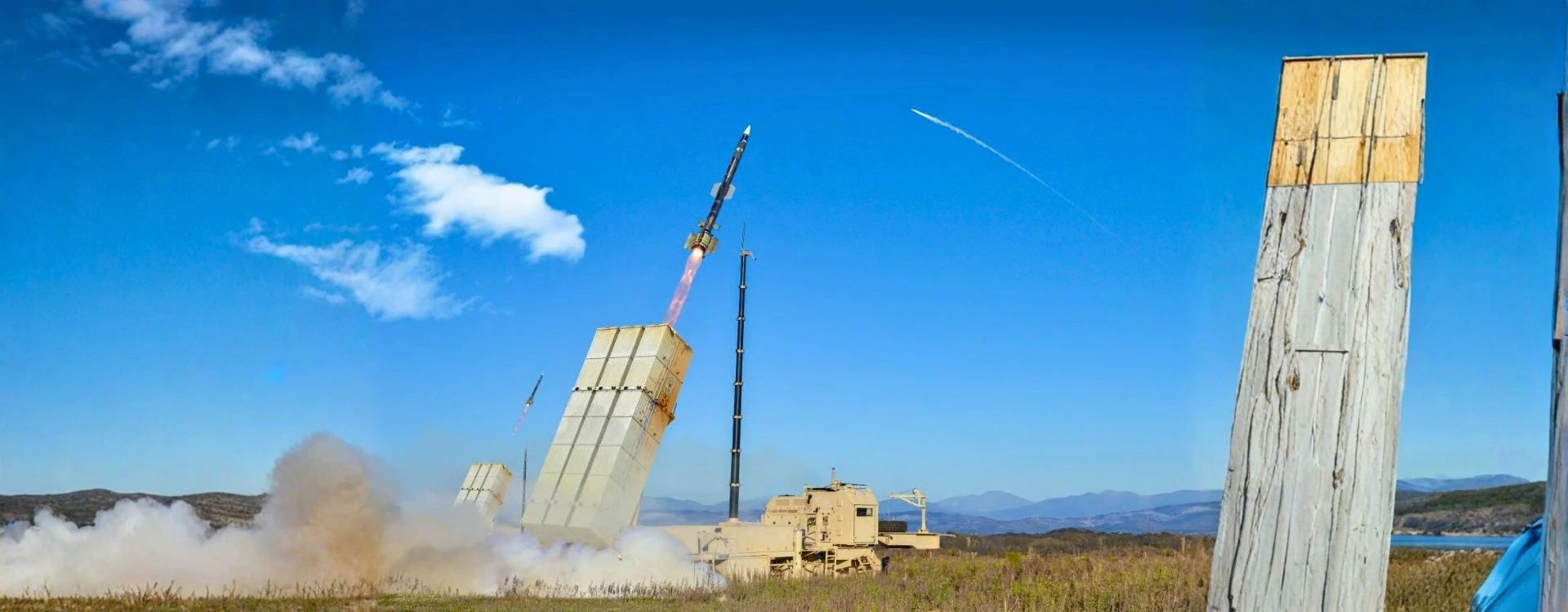
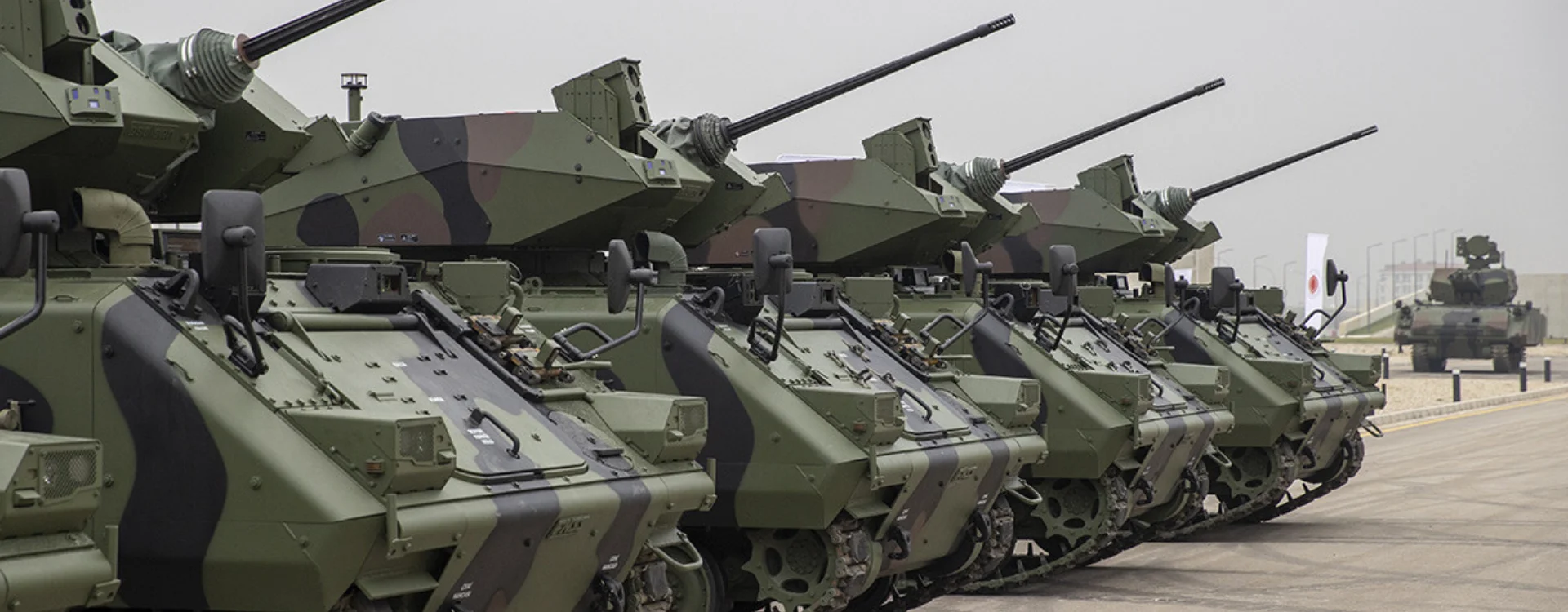
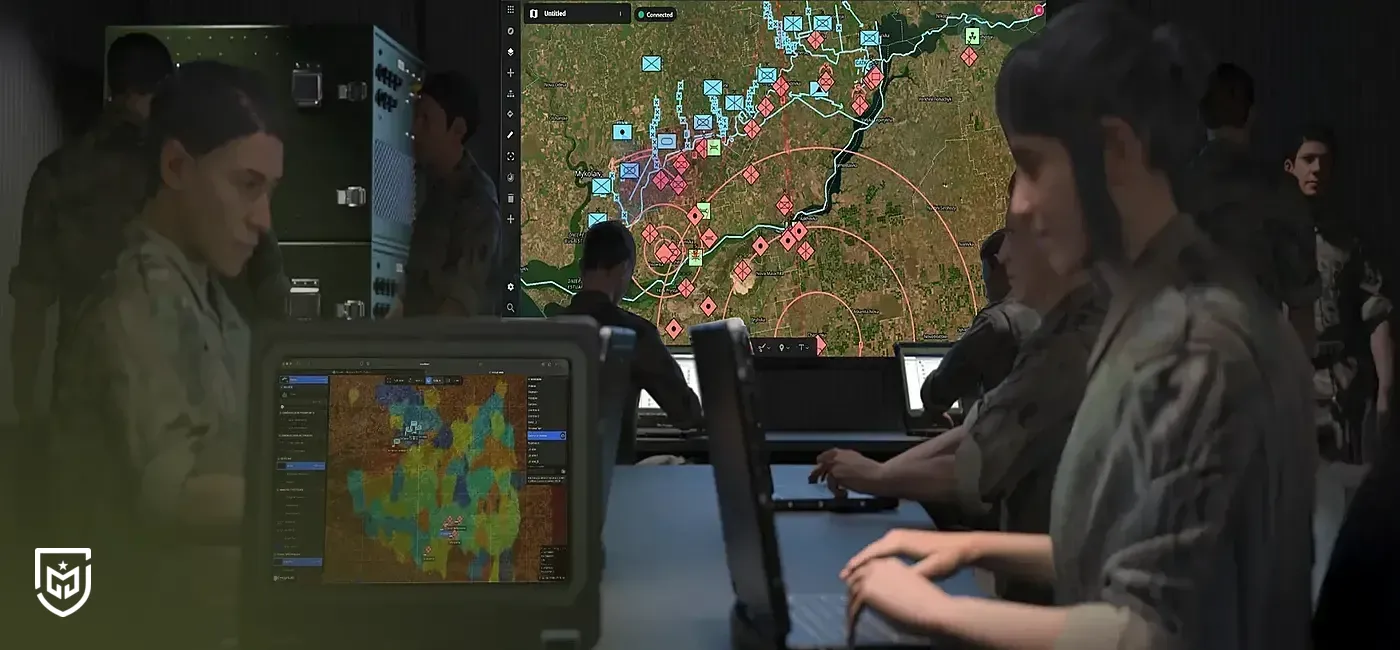
Energy management in defense systems is one of the most critical elements ensuring that modern military technologies operate in a continuous, reliable, and sustainable manner. High-tech infrastructures such as radars, command and control centers, missile defense systems, and electronic warfare platforms require meticulous planning due to their intensive energy consumption. At this point, energy management goes beyond electricity generation and also covers energy storage, distribution, and efficient utilization processes. In operational environments, any disruption in energy supply can lead to serious vulnerabilities in defense capabilities, making energy management a strategic priority. Today, effective energy management directly influences the stealth, mobility, and operational endurance of defense systems.
From a technical perspective, energy management in defense systems is supported by smart power distribution architectures, high-efficiency radar power solutions, and advanced battery and energy storage technologies. Thanks to renewable energy integration, mobile power units, and low-consumption electronic components, long-term mission execution in the field has become feasible. In addition, advanced software systems enable real-time monitoring of energy consumption, allowing prioritization so that critical systems remain operational under all conditions. Historically, energy management in military technologies gained significant importance especially during the Cold War era and has now become one of the key factors enhancing the deterrence capability of modern defense systems. In this sense, energy management stands out as a silent yet indispensable component of contemporary warfare doctrines.


The cookies used on our website are used to provide you with a better user experience and to improve our website. You can manage your cookie preferences from the options below.





 Süheyla Yıldız