BREAKING NEWS
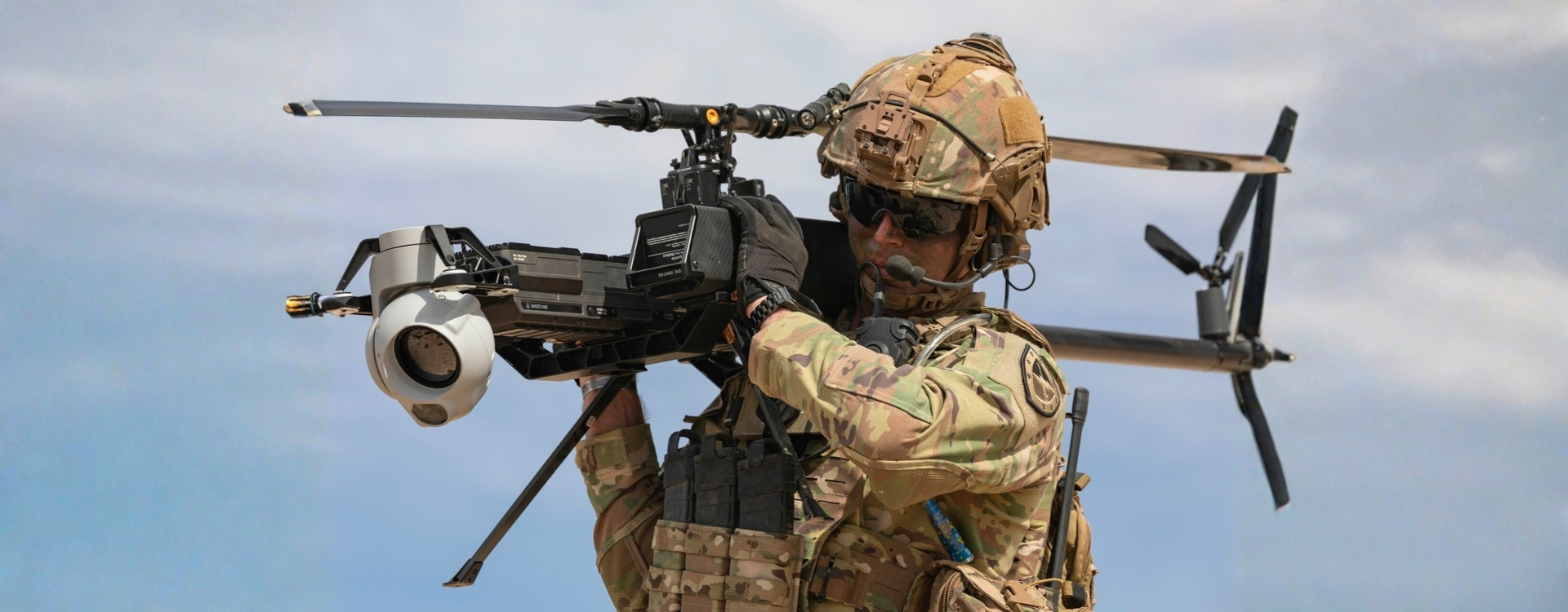
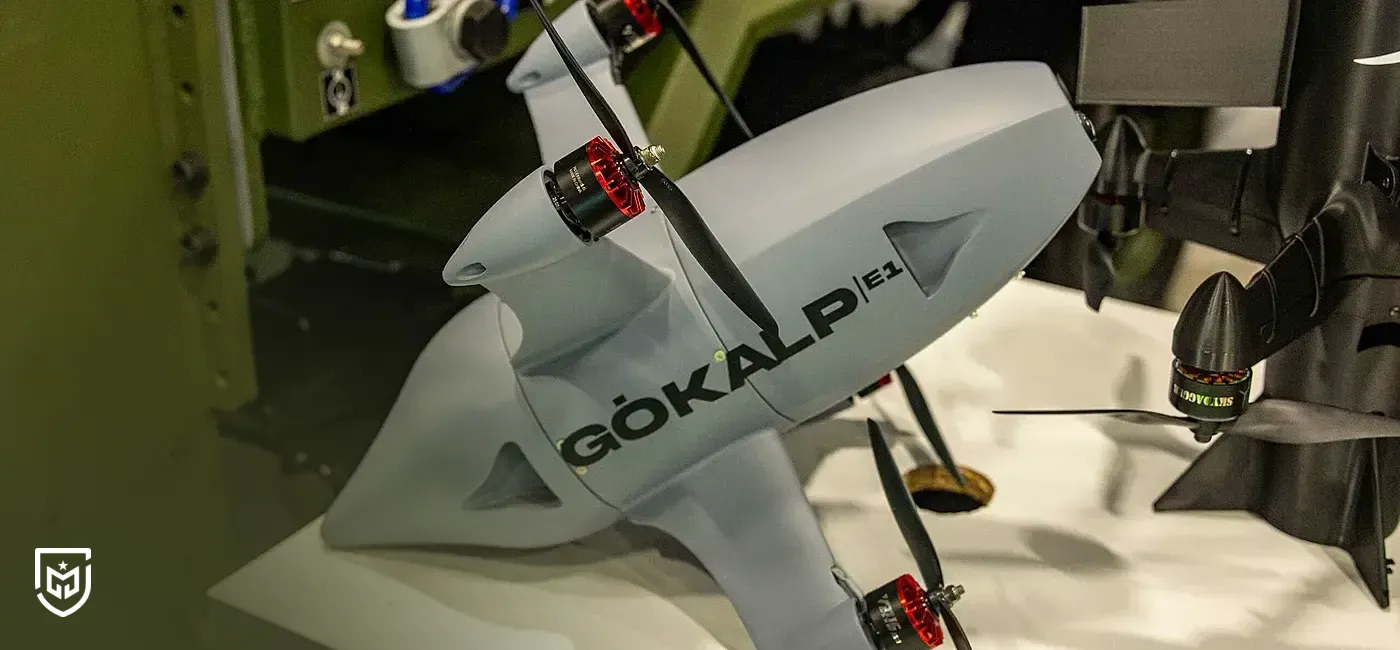
Tactical UAVs and Strategic UAVs are among the most critical components of modern military operations. Although both are categorized as unmanned aerial vehicles, they differ significantly in terms of mission objectives, operational depth, and capability scope. Tactical UAVs are typically short-range systems designed for rapid deployment and real-time intelligence gathering. Operated at brigade, battalion, or unit level, they support missions such as reconnaissance, surveillance, and target acquisition by providing instant data flow to field commanders. Flying at lower altitudes, they deliver detailed imagery but have limited endurance. In this respect, tactical UAVs serve as key enablers for immediate decision-making on the battlefield.
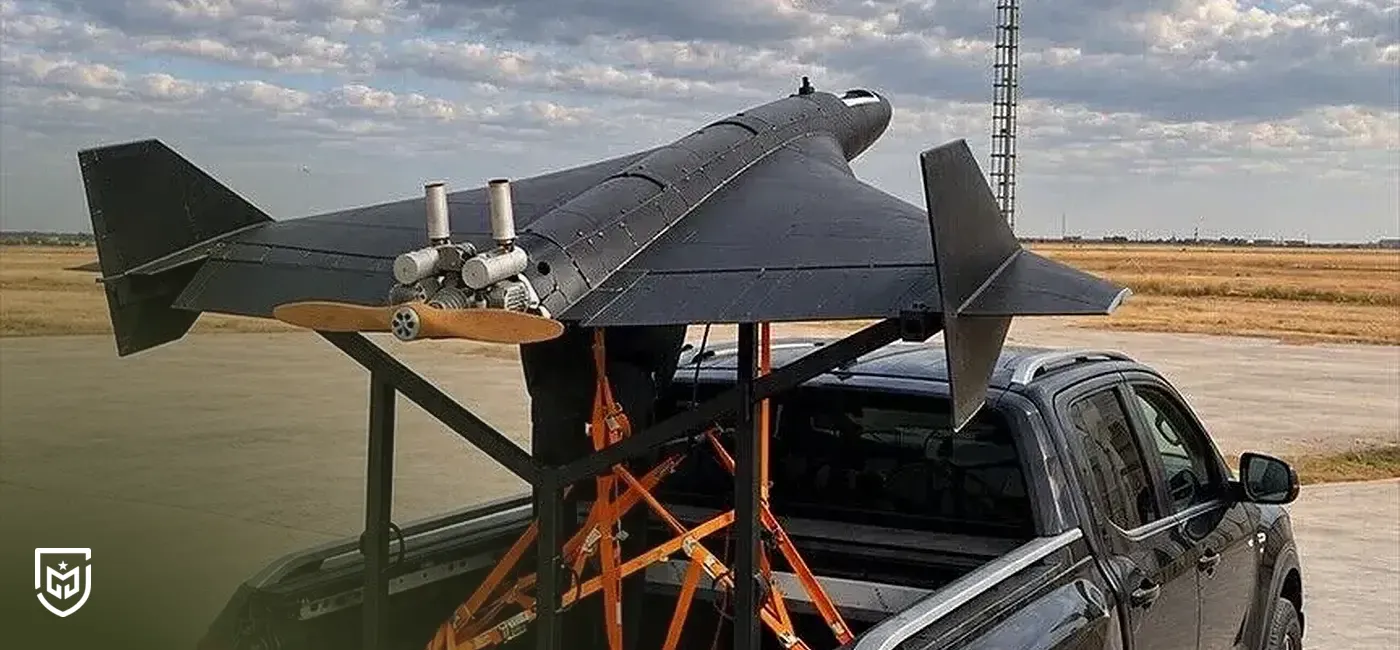
Strategic UAVs, on the other hand, operate with a far broader vision. They stand out with long-range capability, high-altitude flight, and mission endurance lasting many hours or even days. These systems are typically controlled at the state or force command level and are used for cross-border surveillance, deep intelligence collection, and strategic target analysis. Equipped with advanced radars, signal intelligence systems, and high-resolution sensors, strategic UAVs generate not only real-time intelligence but also critical data that shapes long-term military planning. Therefore, rather than influencing individual engagements, strategic UAVs act as a force multiplier that determines the overall course of warfare. In summary, while tactical UAVs represent the eyes of the battlefield, strategic UAVs represent the mind behind the war.


The cookies used on our website are used to provide you with a better user experience and to improve our website. You can manage your cookie preferences from the options below.


 Süheyla Yıldız