BREAKING NEWS
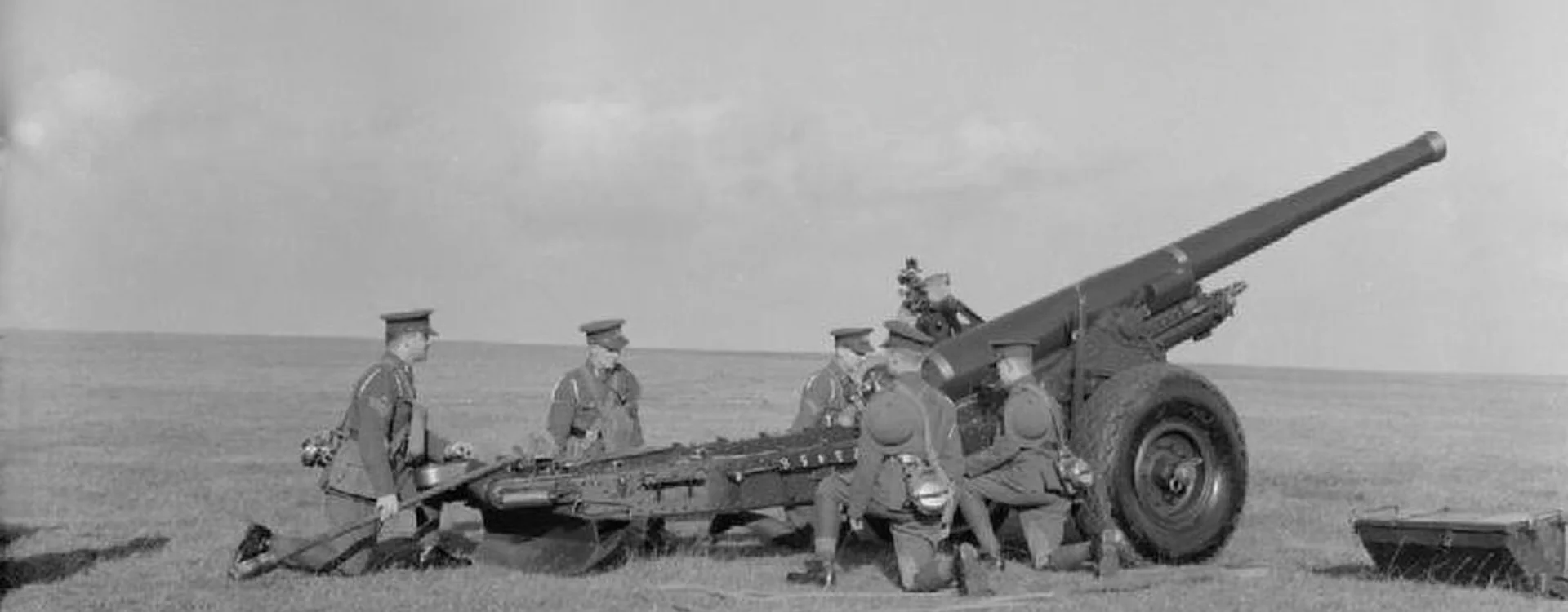
Cold War weapons refer to the military technologies and weapon systems developed during the global rivalry between 1947 and 1991. Although the Cold War did not result in direct large-scale conflict between the two superpowers, it sparked an unprecedented arms race that accelerated the development of nuclear weapons, ballistic missiles, fighter aircraft, tanks, submarines, air defense systems and electronic warfare technologies. Many of the military innovations introduced during this period continue to influence modern armed forces and serve as the foundation for today's advanced defense systems.
One of the defining characteristics of the Cold War was that military strength was measured not only by battlefield capability but also by strategic deterrence, technological superiority and global influence. Nations invested heavily in research, development and military modernization, creating revolutionary defense technologies that reshaped international security and military strategy for decades to come.
Among the most significant weapons of the Cold War were nuclear weapons, which became the cornerstone of strategic deterrence. These weapons were designed to deliver overwhelming destructive power through strategic bombers, land-based ballistic missiles and submarine-launched ballistic missiles. The existence of large nuclear arsenals fundamentally altered military planning, as the possibility of mutually devastating retaliation discouraged direct military confrontation between nuclear-armed powers.
Intercontinental Ballistic Missiles (ICBMs) represented one of the most important technological breakthroughs of the era. Capable of striking targets thousands of kilometers away within a relatively short time, ICBMs transformed global military strategy by providing rapid long-range strike capability. Alongside them, Submarine-Launched Ballistic Missiles (SLBMs) strengthened second-strike capability, ensuring that nuclear deterrence remained credible even after a surprise attack.
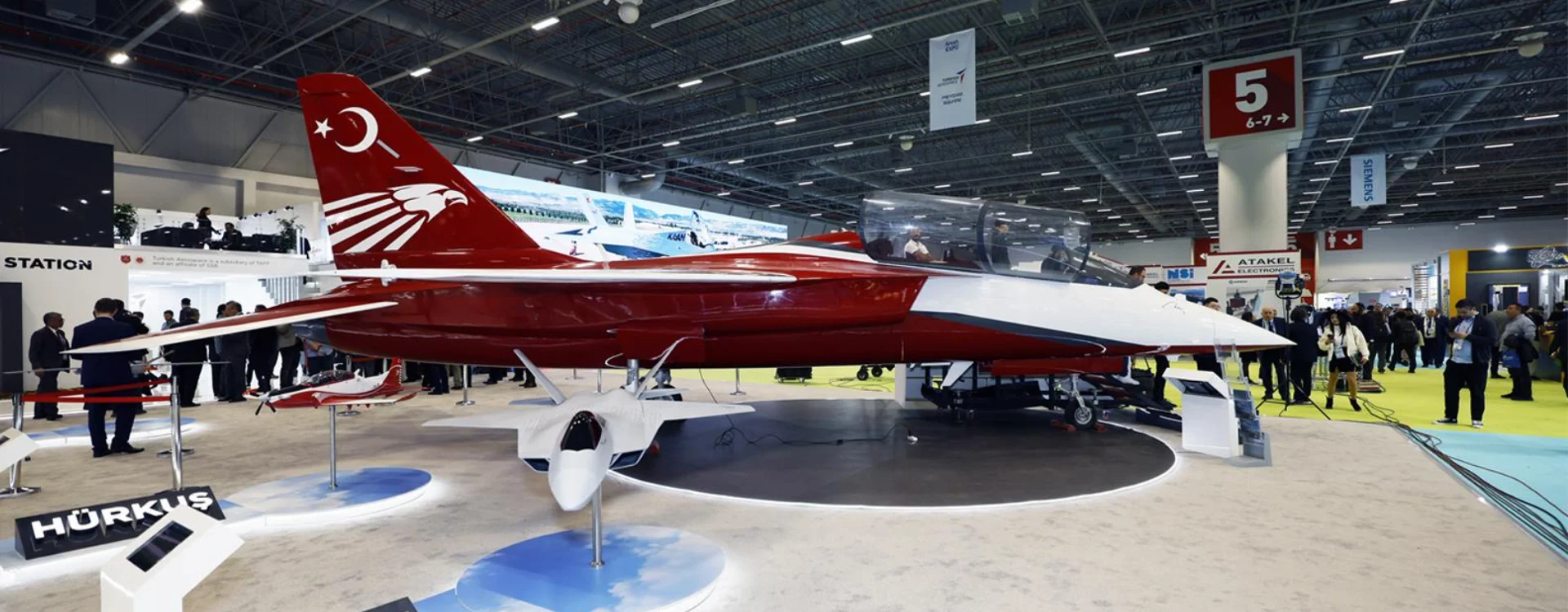
Military aviation advanced dramatically throughout the Cold War. Supersonic fighter aircraft, interceptor aircraft, strategic bombers and multirole combat aircraft became increasingly sophisticated. Improvements in radar systems, guided air-to-air missiles, precision-guided munitions and airborne early warning aircraft significantly enhanced air combat effectiveness and established air superiority as a key objective in modern warfare.
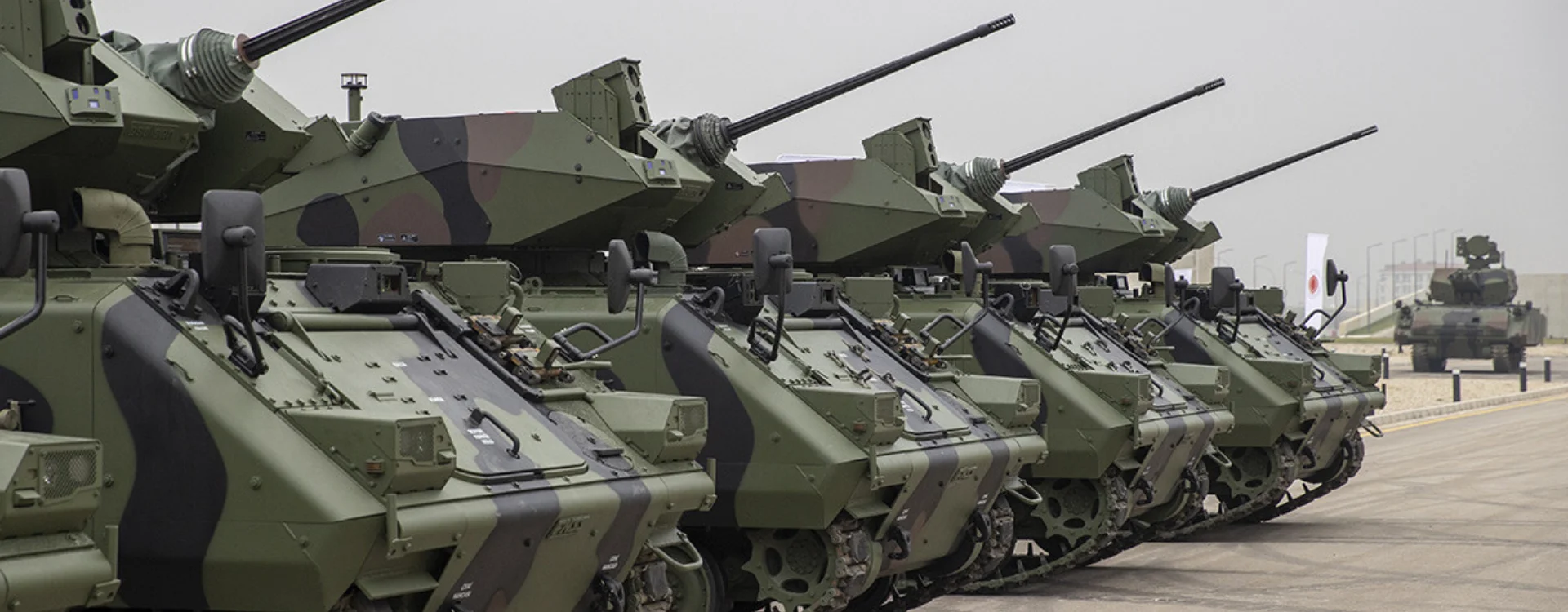
Main battle tanks and armored fighting vehicles also underwent major technological improvements. More powerful engines, enhanced armor protection, advanced fire-control systems, thermal imaging devices and stabilized main guns greatly increased battlefield effectiveness. These armored platforms became the backbone of conventional land operations and played a central role in military doctrines throughout the Cold War.
At sea, nuclear-powered submarines emerged as one of the most strategically valuable military assets. Their ability to remain submerged for extended periods while carrying ballistic missiles made them essential components of nuclear deterrence. Aircraft carriers, guided missile cruisers, destroyers and advanced naval aviation further expanded naval power projection and maritime security capabilities during this period.
Air defense systems evolved rapidly in response to increasingly capable military aircraft and missile technologies. Long-range radar networks, surface-to-air missile systems and integrated early warning systems were developed to detect, track and intercept hostile aircraft and ballistic missiles. These advances fundamentally changed the planning and execution of aerial operations.
The Cold War also witnessed significant progress in electronic warfare and military intelligence. Radar jamming systems, electronic surveillance equipment, signals intelligence platforms and reconnaissance satellites became indispensable elements of military operations. Information superiority increasingly became as important as firepower, enabling armed forces to detect threats, monitor adversaries and make faster operational decisions.
The rapid expansion of space technology introduced military satellites as a vital component of national defense. Satellites were used for communications, navigation, reconnaissance, missile warning and intelligence gathering, providing military leaders with unprecedented global situational awareness. Many of today's advanced space-based defense capabilities originated from technologies first developed during the Cold War.
The weapons created during the Cold War not only transformed military capabilities but also reshaped the global defense industry, international security policies and modern military doctrine. Contemporary technologies such as artificial intelligence, autonomous systems, precision-guided weapons and network-centric warfare continue to build upon concepts first established during this era. As a result, the Cold War remains one of the most influential periods in the history of military technological innovation.
In conclusion, Cold War weapons played a decisive role in shaping modern defense capabilities and strategic military thinking. Nuclear weapons, ballistic missiles, advanced combat aircraft, armored vehicles, submarines, air defense systems, electronic warfare technologies and military satellites continue to influence today's armed forces. Understanding these systems provides valuable insight into the evolution of military technology and the foundations of contemporary global security.


The cookies used on our website are used to provide you with a better user experience and to improve our website. You can manage your cookie preferences from the options below.



 Süheyla Yıldız