BREAKING NEWS

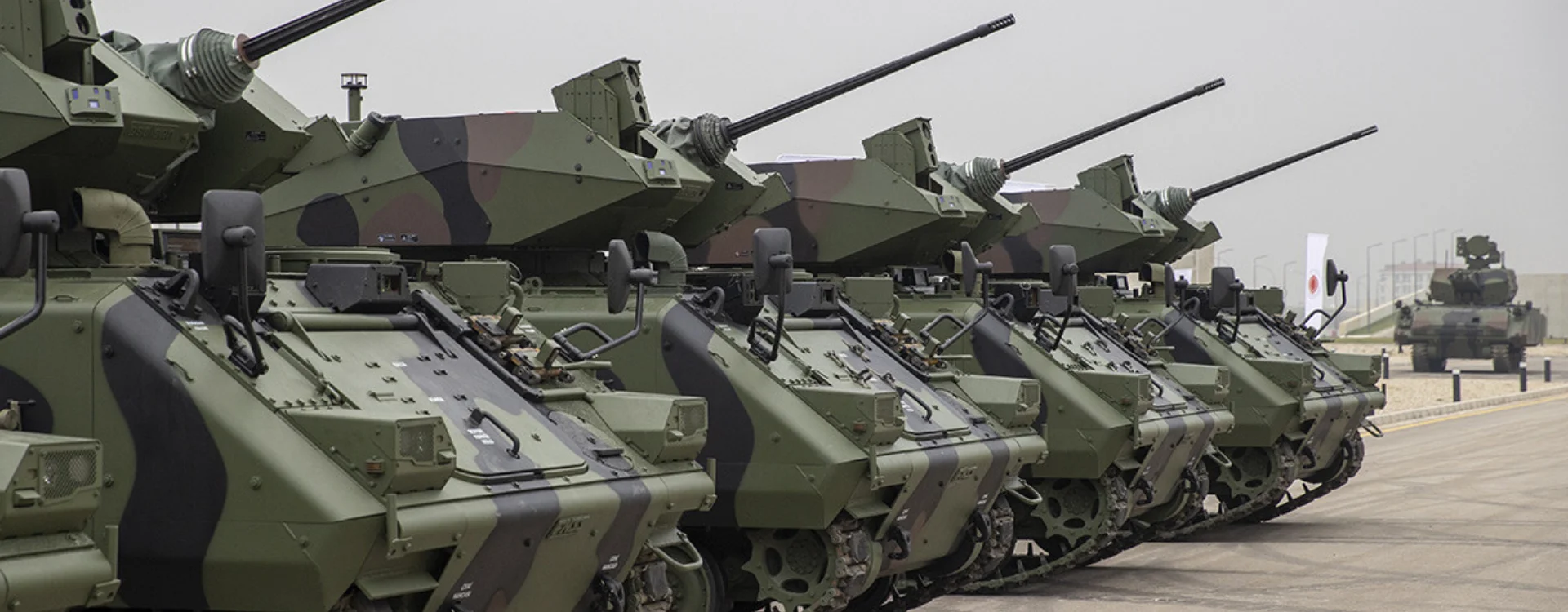
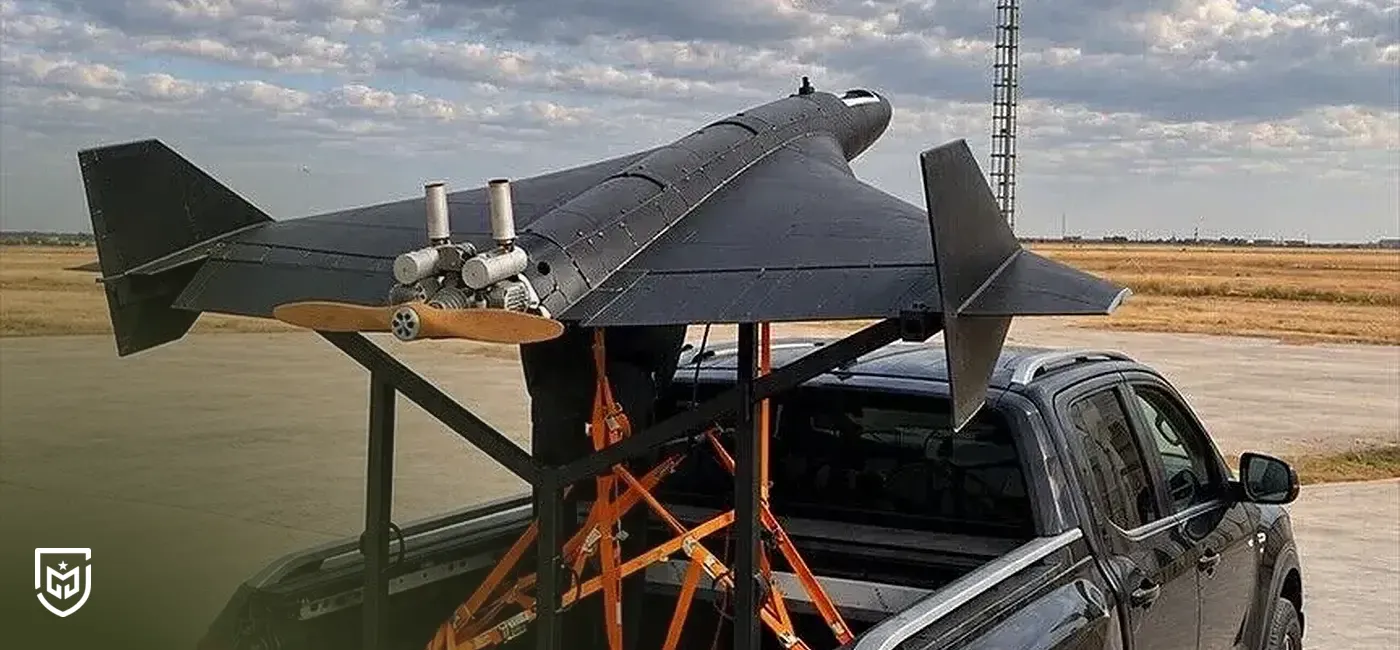
Artificial intelligence in land systems has become one of the most transformative technologies reshaping modern military doctrine. Today, armed forces are deploying unmanned ground vehicles, intelligent tank systems, and autonomous reconnaissance platforms to conduct operations faster, more accurately, and with reduced risk. The use of artificial intelligence in land systems aims to minimize personnel casualties while maximizing operational efficiency and battlefield dominance. This technological evolution represents not only innovation but also a significant strategic advantage in modern defense ecosystems.
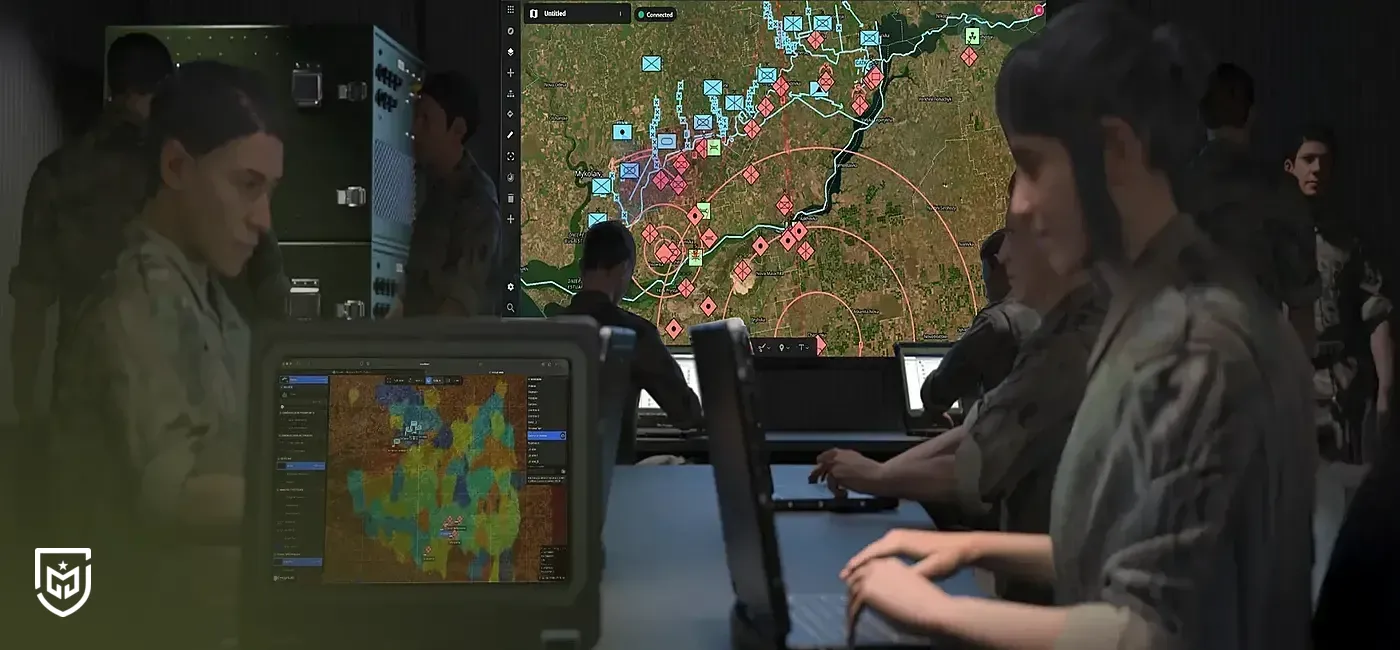
From a technical perspective, artificial intelligence in land systems is built upon sensor fusion, machine learning, deep learning algorithms, and real-time data analytics. For example, research initiatives supported by DARPA focus on enabling autonomous ground vehicles to operate independently in complex and unpredictable terrains. Similarly, digital warfare programs within NATO emphasize AI-powered command and control systems that enhance battlefield coordination. Advanced autonomous defense solutions developed and tested by the Israel Defense Forces demonstrate how AI-driven platforms can perform target recognition, threat assessment, route optimization, and automated fire control within milliseconds. AI-enabled land systems leverage big data analytics to predict enemy movements and strengthen real-time decision-support mechanisms.
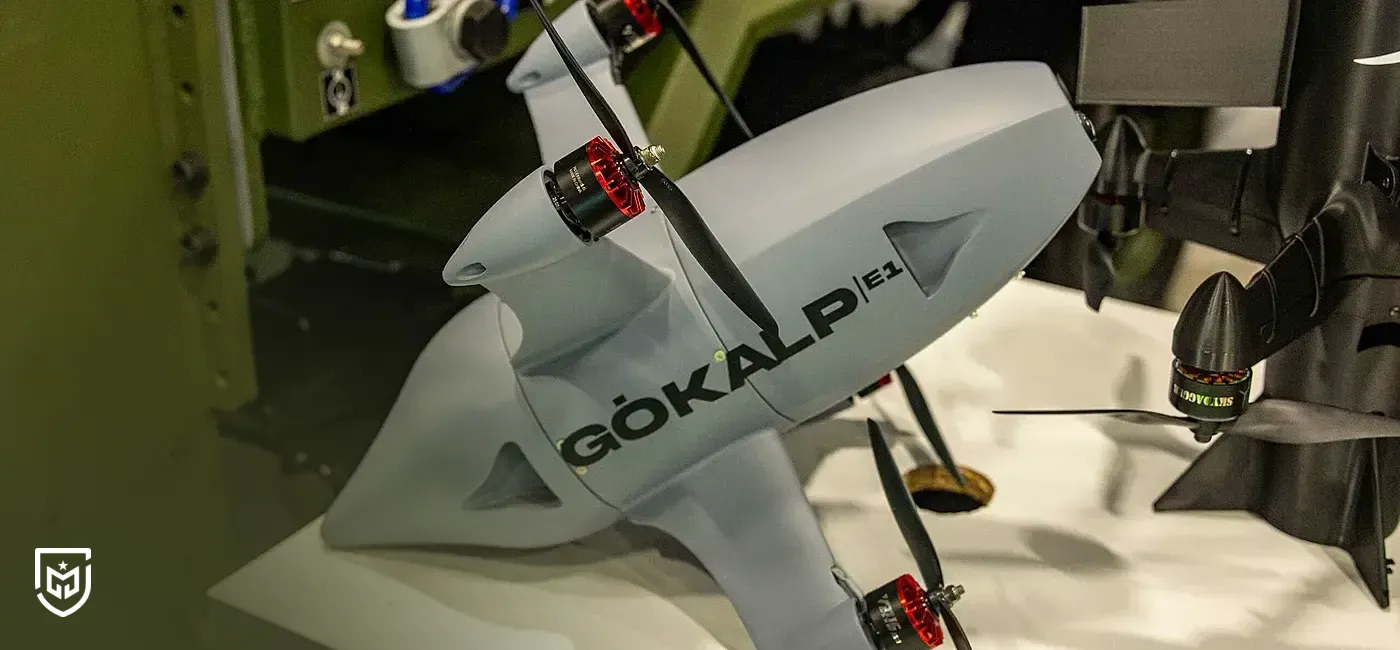
Looking ahead, artificial intelligence in land systems is expected to evolve further with swarm technologies, coordinated unmanned ground vehicles, and fully autonomous combat platforms. Defense analysts predict that AI will permanently institutionalize the “human-machine collaboration” model in warfare. This transformation not only reshapes military strategies but also directly influences global power dynamics. Artificial intelligence in land systems is no longer an option for modern armies — it has become a strategic necessity.


The cookies used on our website are used to provide you with a better user experience and to improve our website. You can manage your cookie preferences from the options below.



 Süheyla Yıldız