
Unmanned Maritime Vehicles


BREAKING NEWS
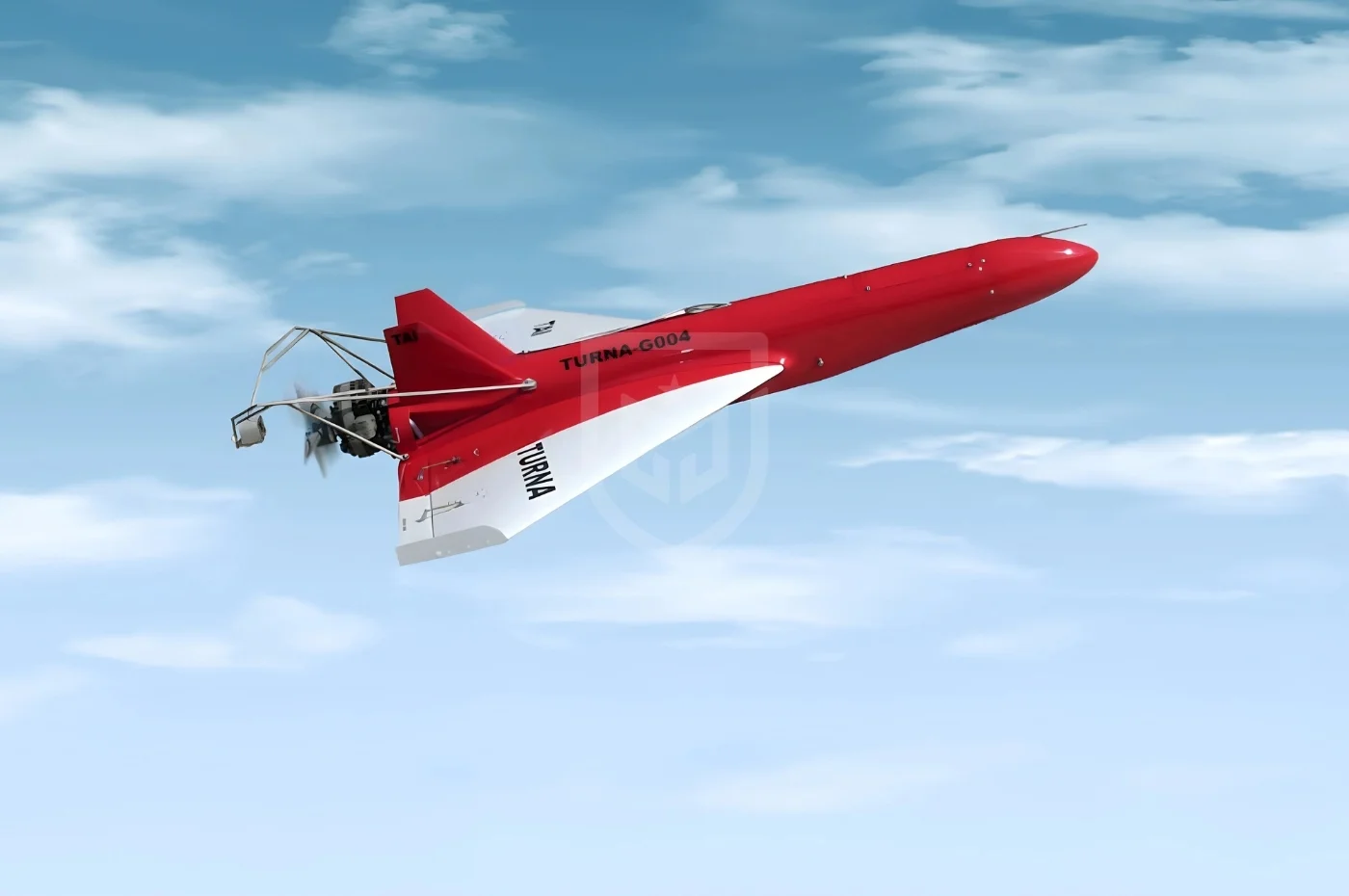
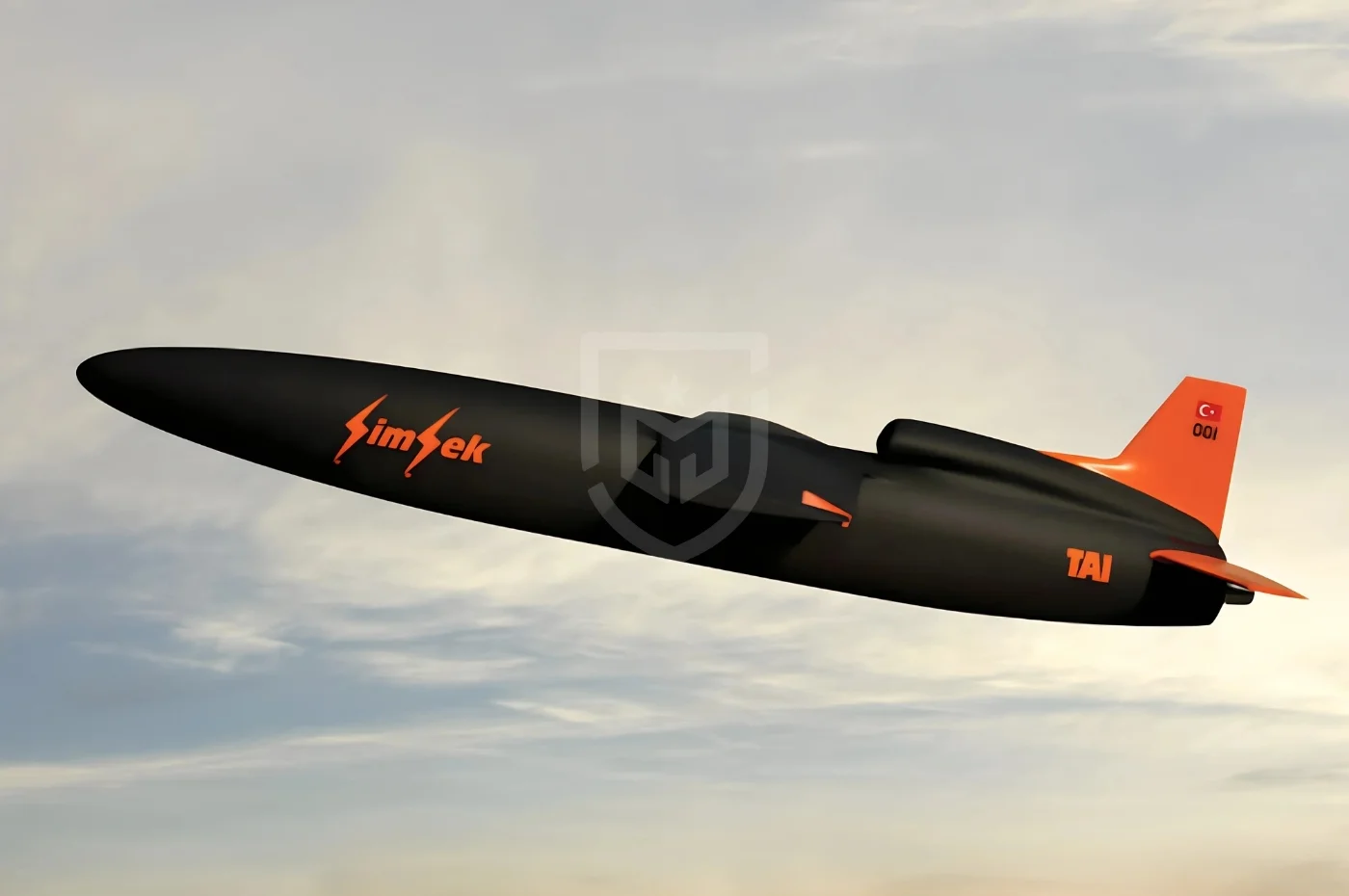
The TURNA Target Drone System was developed to address a critical requirement in modern air defense doctrine: realistic training against actual aerial targets. The system is primarily used by air defense artillery units, short- and medium-range surface-to-air missile units, and naval air defense elements during live-fire exercises. Its operational concept enables personnel to conduct radar detection, target tracking, engagement, and post-engagement assessment under realistic combat-like conditions.
One of TURNA’s key strengths is its ability to simulate enemy aircraft and cruise missile profiles. Thanks to its high speed and maneuverability, the system can fly at varying altitudes and execute complex flight geometries, allowing air defense systems to test reaction time, tracking accuracy, and engagement effectiveness against diverse threats.
The platform architecture consists of a composite airframe, an autonomous flight control computer, a secure data link, and modular payload interfaces. TURNA is capable of fully autonomous operation, including launch, mission execution, and recovery. Mission routes can be reprogrammed in real time via the ground control station. Launch via a ground-based launcher and recovery by parachute eliminate the need for runways, enabling flexible deployment from both land bases and naval vessels.
Survivability is approached from a controlled attrition and cost-effectiveness perspective rather than traditional combat UAV survivability. As a shootable target, TURNA is designed with a low unit cost, modular construction, and rapid reusability for non-live-fire missions. Parachute recovery allows repeated use when the platform is not destroyed during training.
Compliant with NATO standards, TURNA can operate seamlessly with various radar, command-and-control, and weapon systems. By employing radar reflectors, infrared sources, and towed targets, the system effectively represents the wide range of aerial threats faced by modern air defense systems. Its decades-long service history demonstrates a mature, reliable, and operationally validated design.
Detailed technical information
Dimensions and weight
Powerplant
Performance
Autonomy and navigation
Sensors
Payloads and target simulation
Command, control, and data links
Deployment and mobility
Standards
Frequently asked questions
What is the TURNA Target Drone System used for?
What types of threats can it simulate?
What are its range and endurance?
Is the system mobile or fixed?
How many waypoints can be programmed?
How does TURNA compare to its counterparts?
Sources




The cookies used on our website are used to provide you with a better user experience and to improve our website. You can manage your cookie preferences from the options below.