Unmanned Maritime Vehicles


BREAKING NEWS
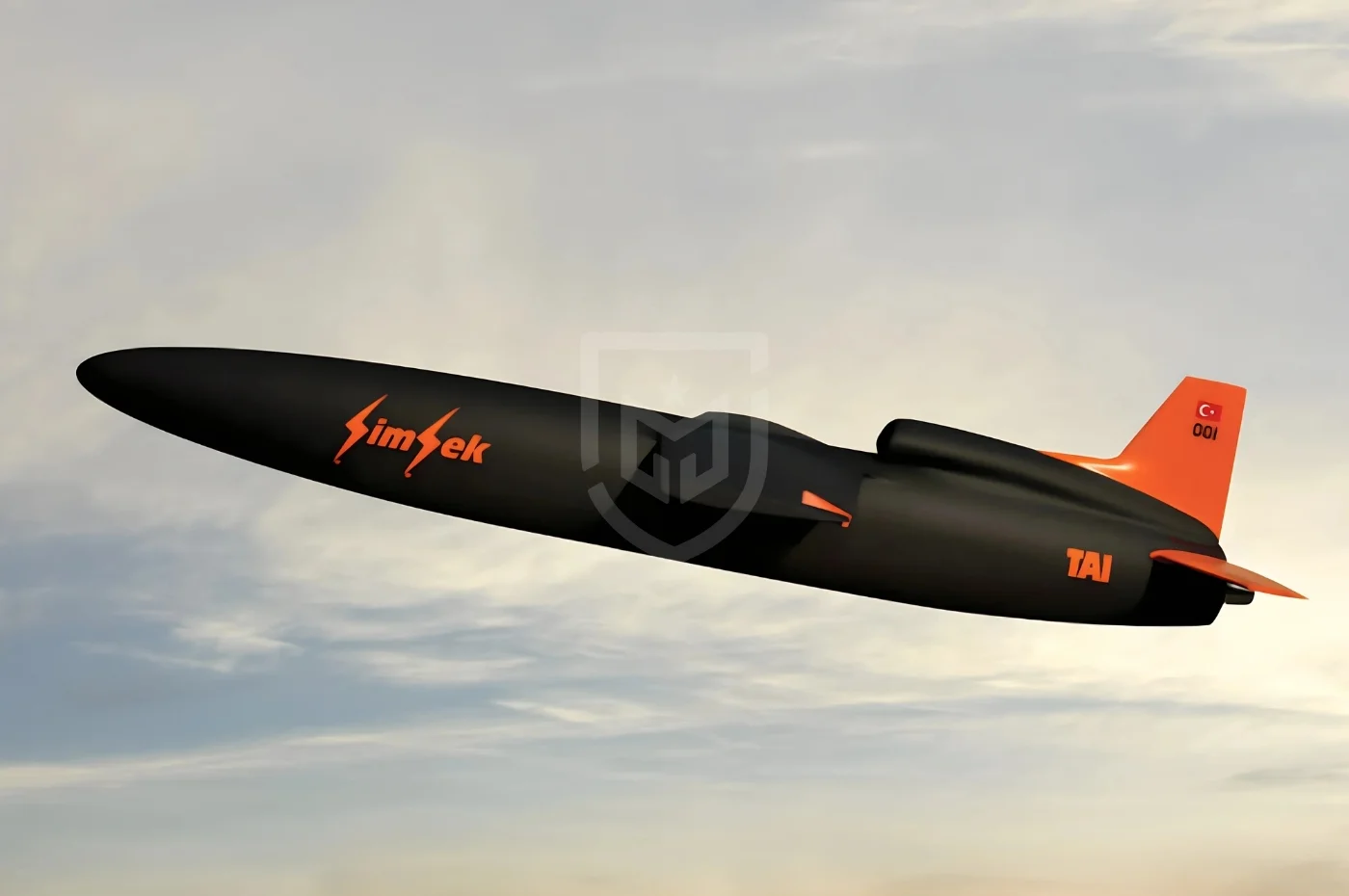
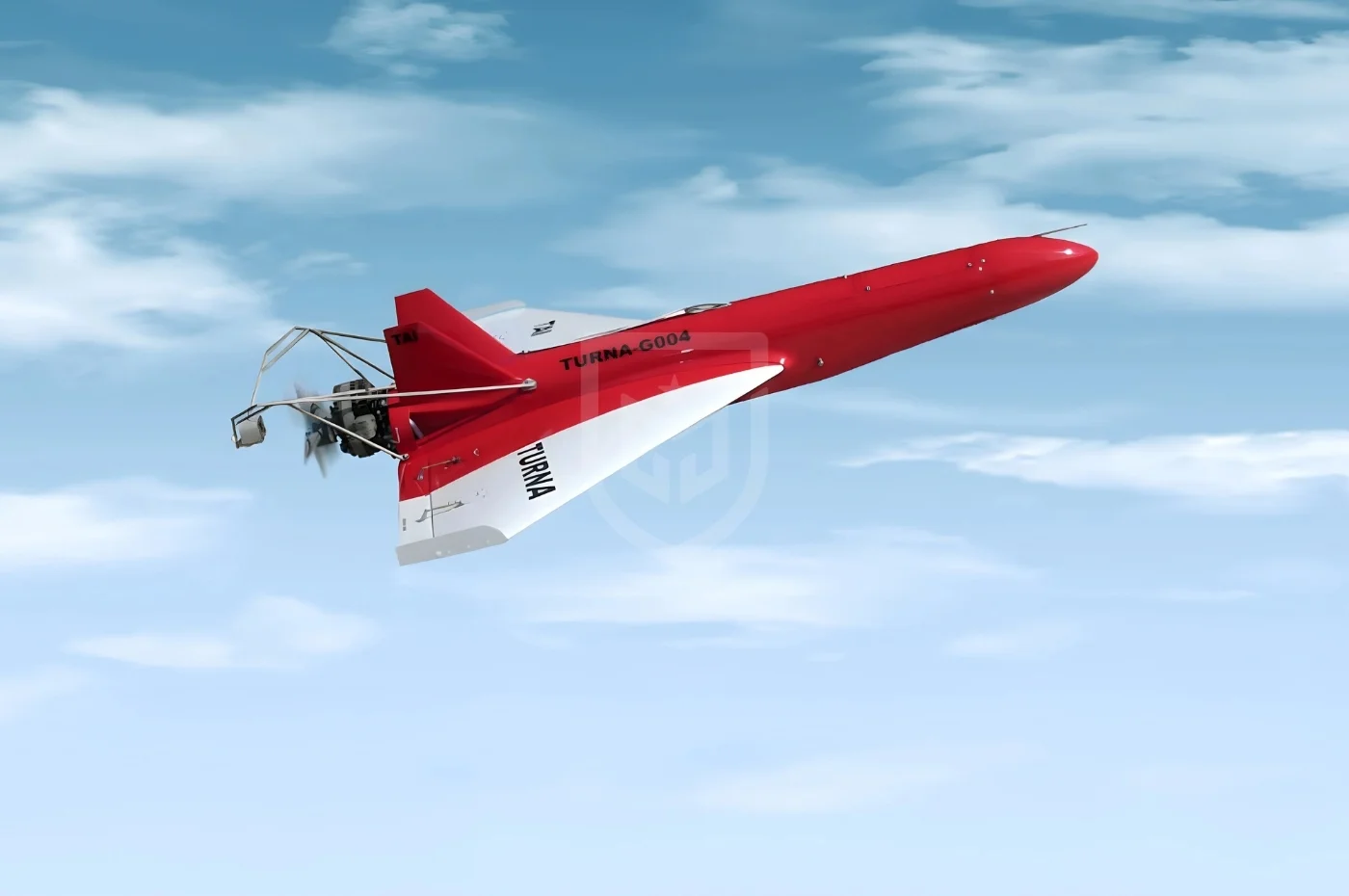
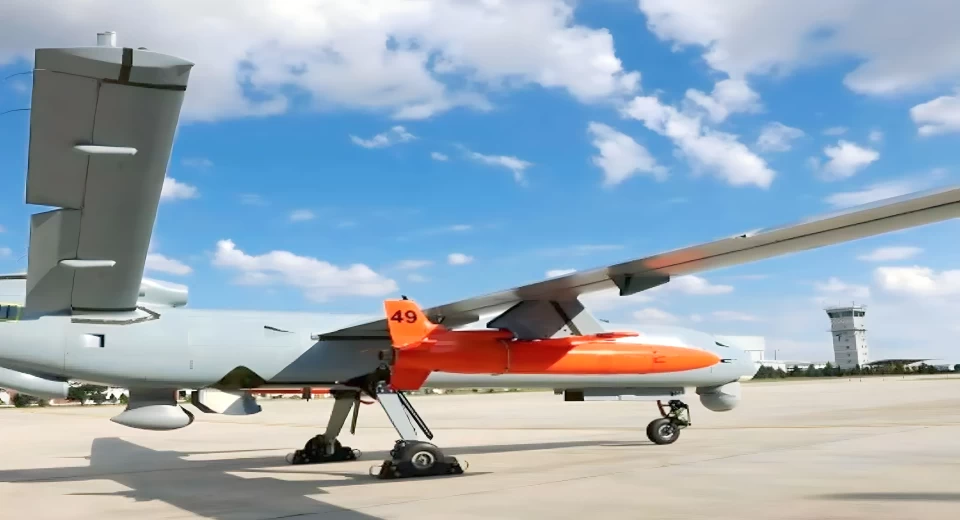
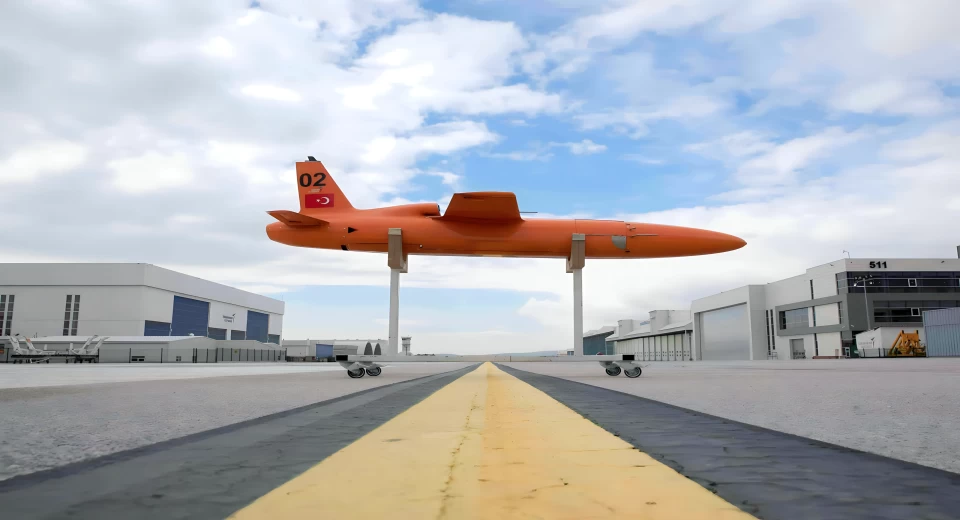
The Şimşek High-Speed Target Aircraft System is designed to simulate real airborne threats during air defense training, weapon testing, and system validation activities. Its primary role is to provide realistic target behavior for surface-to-air missile systems, gun-based air defense units, radar operators, and integrated air defense networks.
From a doctrinal perspective, Şimşek supports air defense readiness by enabling training against fast-moving aerial targets that replicate the flight profiles of combat aircraft, cruise missiles, or unmanned aerial threats within defined envelopes. The system significantly enhances the realism of firing exercises and sensor performance assessments.
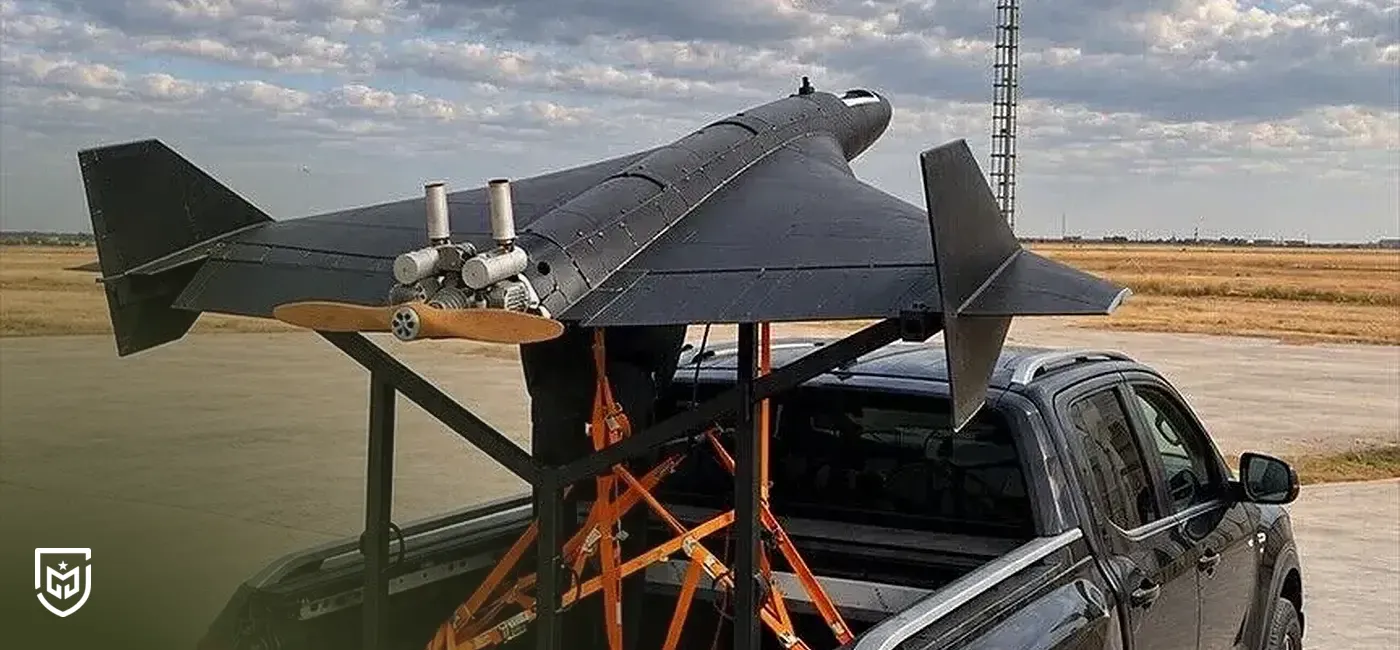
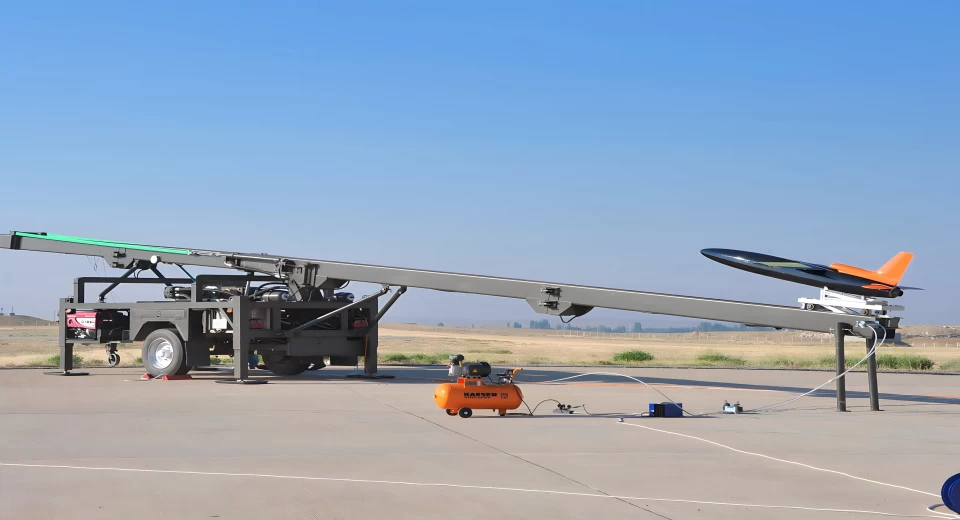
Architecturally, Şimşek consists of a composite air vehicle, onboard flight control and autonomy systems, a modular payload section, launch and recovery subsystems, and a ground control station. The platform is optimized for high-speed stability and multi-altitude operation while maintaining cost-effectiveness and reusability.
The system is capable of fully autonomous flight from launch to recovery, managed by the indigenous Flight Control System and Autopilot. Mission plans can be modified in real time during flight, allowing dynamic adaptation of training scenarios. Emergency return, safe recovery, and parachute descent modes enhance operational safety and survivability of the platform.
Şimşek is compatible with a wide range of payloads, including radar and infrared signature enhancement systems, enabling it to be detected and tracked by different generations of air defense sensors. Ongoing integration efforts, such as countermeasure dispensing systems, indicate a growth path toward more advanced threat simulation.
Detailed Technical Information
Flight Performance
Launch and Recovery
Airframe and Structure
Autonomy and Flight Control
Command, Control & Ground Segment
Payloads and Signature Simulation
Available and integrated payload options include:
Ongoing Integration Efforts
Frequently Asked Questions (FAQ)
What is the purpose of the Şimşek system?
What speed and altitude can it reach?
Is the system fully autonomous?
How is the system launched and recovered?
What types of targets can it simulate?
Can it be used in maritime environments?
Does it record training results?
Is Şimşek exported?




The cookies used on our website are used to provide you with a better user experience and to improve our website. You can manage your cookie preferences from the options below.