
Maritime Electronic Warfare


BREAKING NEWS
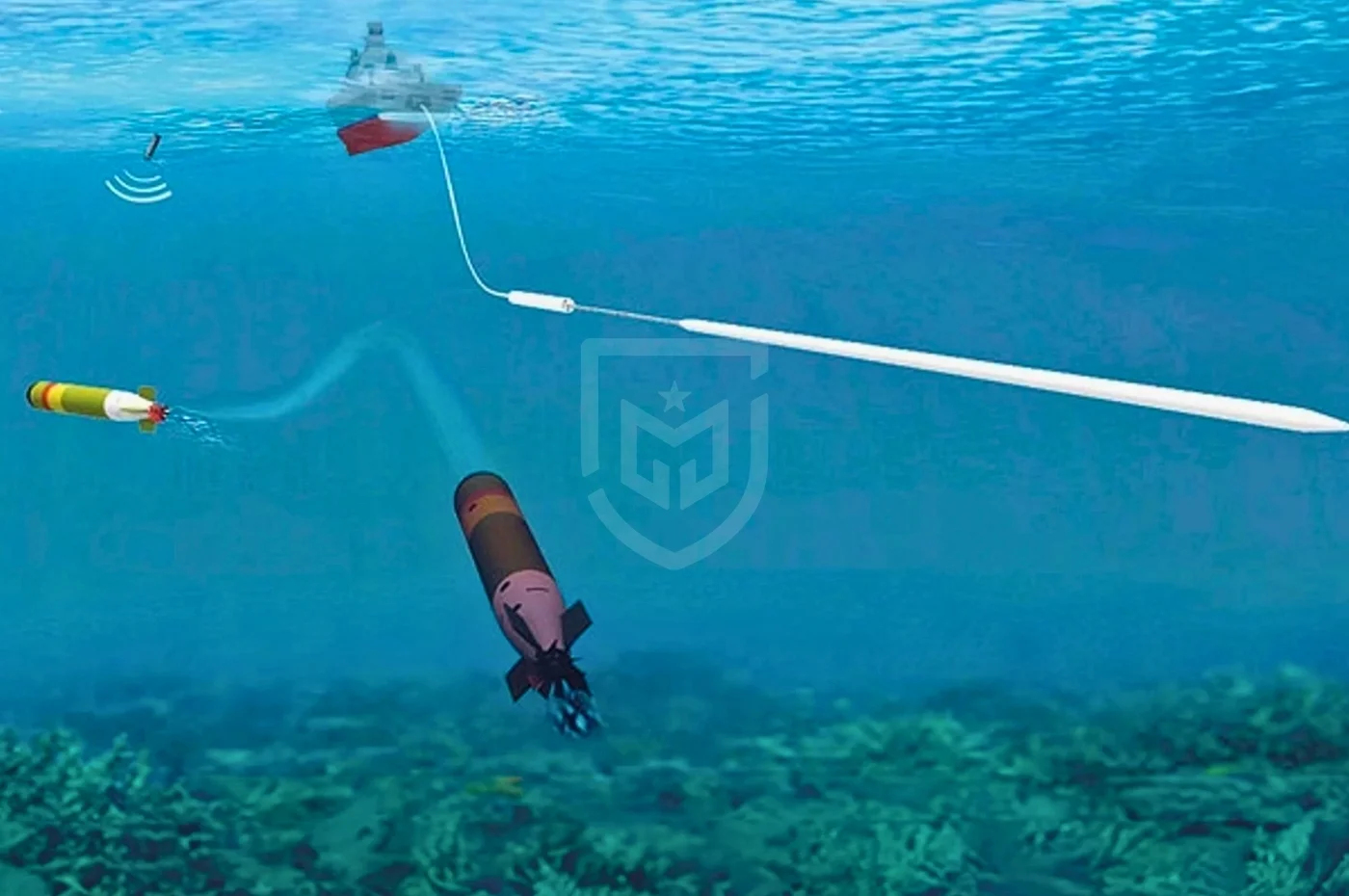
The HIZIR Torpedo Countermeasure System has been designed to enhance the survivability of high-value surface combatants in modern naval warfare, where advanced acoustic homing torpedoes pose a critical threat. Contemporary torpedoes incorporate active and passive sonar seekers, counter-countermeasure (ECCM) logic, adaptive targeting algorithms, and wake-homing capabilities. These evolving threats require intelligent, layered, and networked countermeasure systems rather than standalone decoys.
Operational Purpose and Role
HIZIR’s primary mission is to detect an incoming torpedo at the earliest possible stage, classify the threat, determine its engagement parameters, and deploy the most suitable countermeasure strategy to maximize ship survivability.
It is suitable for:
The system forms the underwater defensive layer of a ship’s overall layered defense concept.
Doctrine and Concept of Operations
Naval anti-torpedo doctrine typically includes three phases:
HIZIR integrates all three phases within a unified framework.
The towed acoustic detection array identifies torpedo signatures at extended distances. Advanced digital signal processing algorithms analyze incoming acoustic data and compare it against a threat library database. After classification, the system can:
The system can operate in manual, semi-automatic, or automated modes depending on operational doctrine.
System Architecture
HIZIR consists of the following major subsystems:
The towed array operates at a distance from the ship’s own acoustic noise source, enhancing detection sensitivity and improving signal clarity.
The system is designed for full integration with the ship’s Combat Management System, enabling sensor fusion and coordinated threat evaluation alongside other onboard sensors.
Survivability Approach
Modern torpedoes may employ:
HIZIR uses broadband and narrowband acoustic jamming techniques to degrade or saturate the torpedo seeker’s tracking logic. Programmable decoys mimic the acoustic signature of the host vessel, diverting the torpedo away from the ship.
Its ability to counter multiple torpedoes simultaneously provides a significant advantage in saturation attack scenarios.
Detection, Reaction, and Engagement Process
Specific detection ranges and reaction times are not publicly disclosed.
The general engagement sequence is as follows:
Integrated Systems and Ecosystem
HIZIR can integrate with:
This integration ensures a coordinated and optimized defensive response.
Advantages Against Modern Threats
Limitations
Detailed Technical Information
Dimensions and Weight
Exact system dimensions and total weight are not publicly disclosed. Configuration varies depending on ship class and installation layout.
Power System
Powered by the ship’s main electrical system. Detailed power consumption data is not publicly available.
Performance Parameters
Sensors
Target Detection and Tracking
Countermeasure and Engagement
Command and Control
Electronic Warfare and ECCM
Detailed electronic counter-countermeasure capabilities are not publicly disclosed. The system is designed to address modern torpedo ECCM logic.
Deployment and Mobility
Shipborne fixed installation. The towed array is deployed from the stern section during operations.
Personnel and Operation
Operated from the ship’s Combat Information Center by trained naval personnel. Additional dedicated crew requirements are not publicly disclosed.
Frequently Asked Questions
What does the HIZIR system do?
How many torpedoes can HIZIR counter simultaneously?
Is HIZIR a mobile system?
Which types of torpedoes can it counter?
What are its international equivalents?
Comparable systems internationally include:
HIZIR differs by being domestically developed and optimized for Turkish naval requirements.
Sources




The cookies used on our website are used to provide you with a better user experience and to improve our website. You can manage your cookie preferences from the options below.