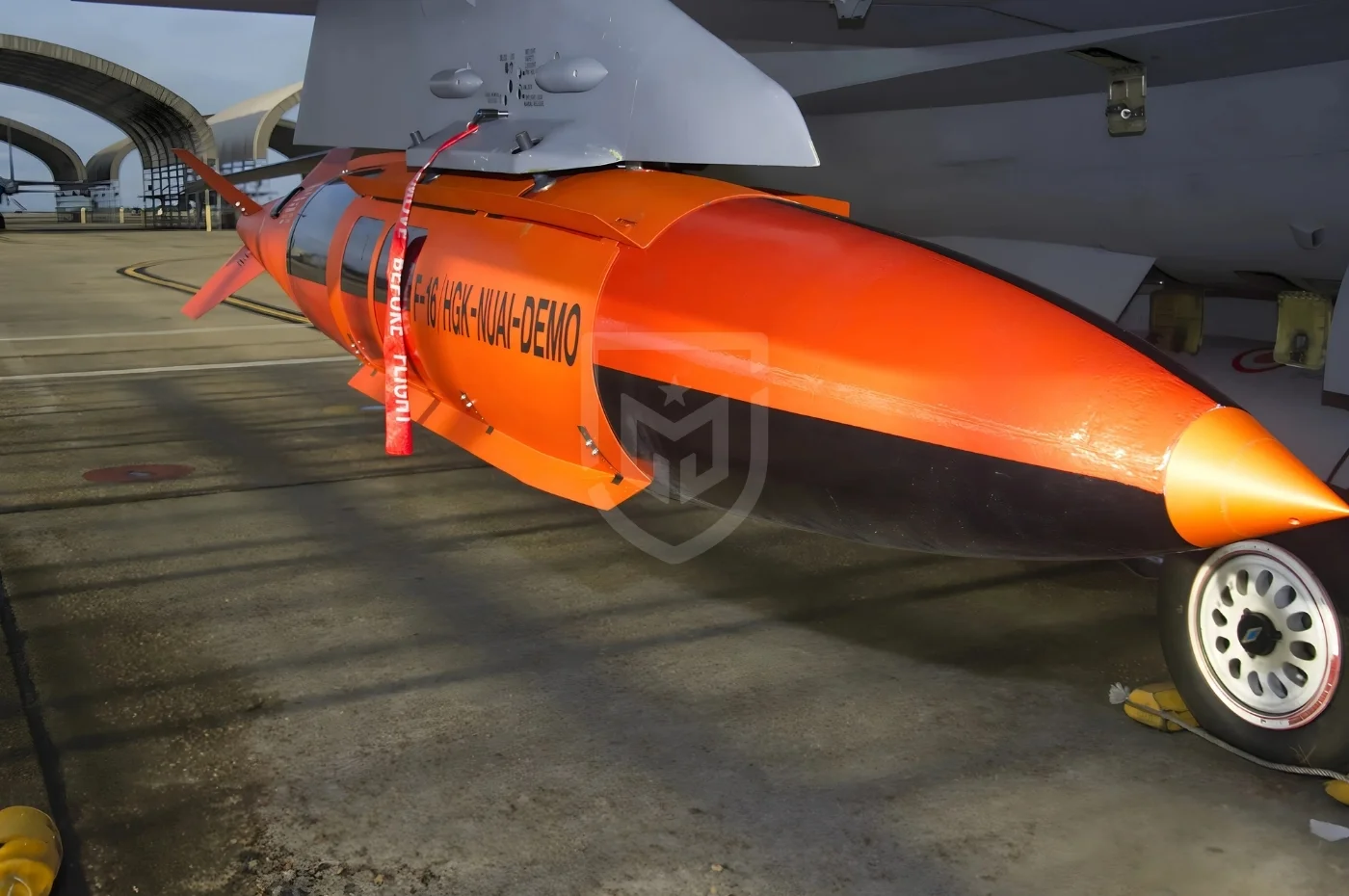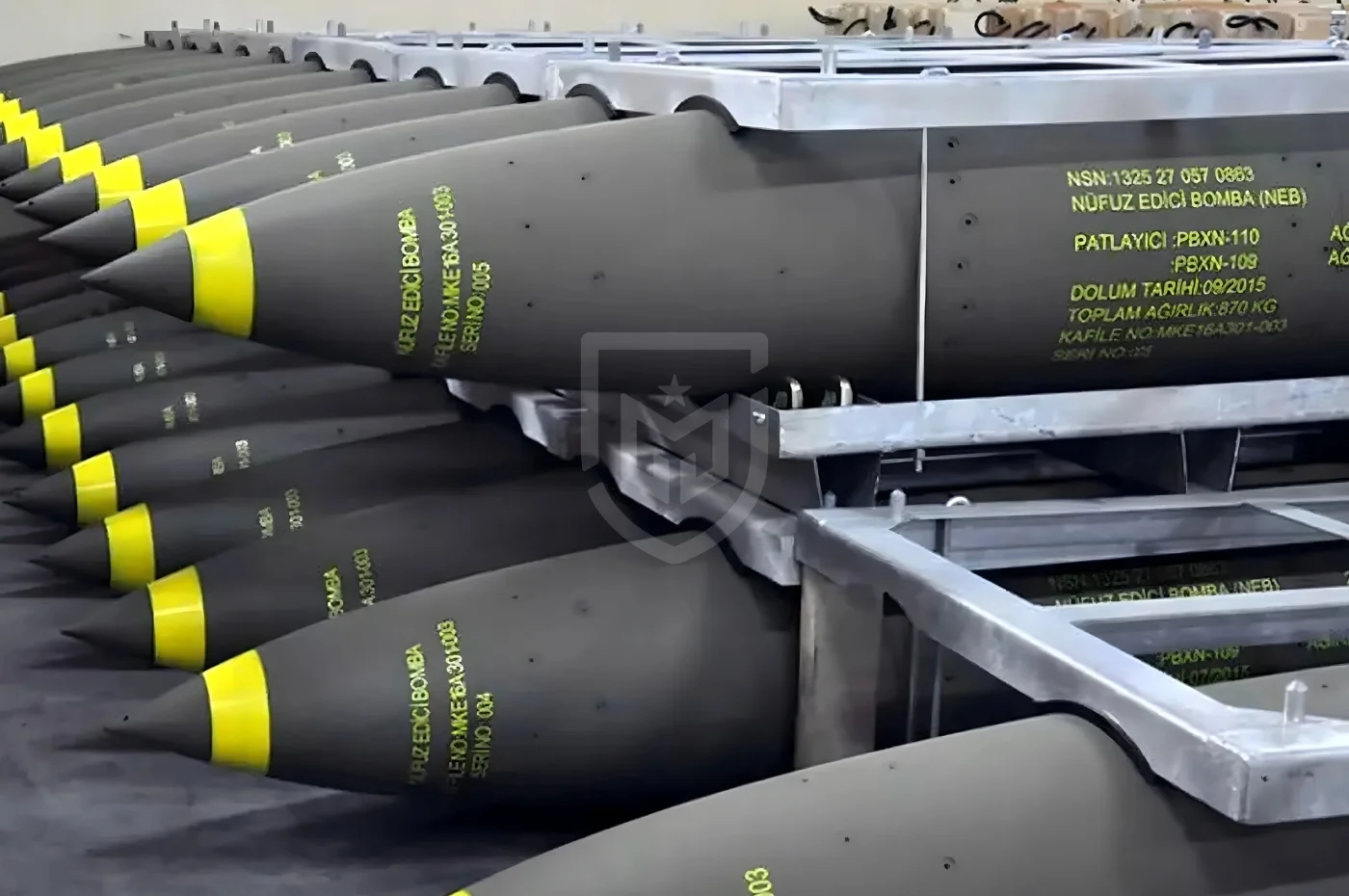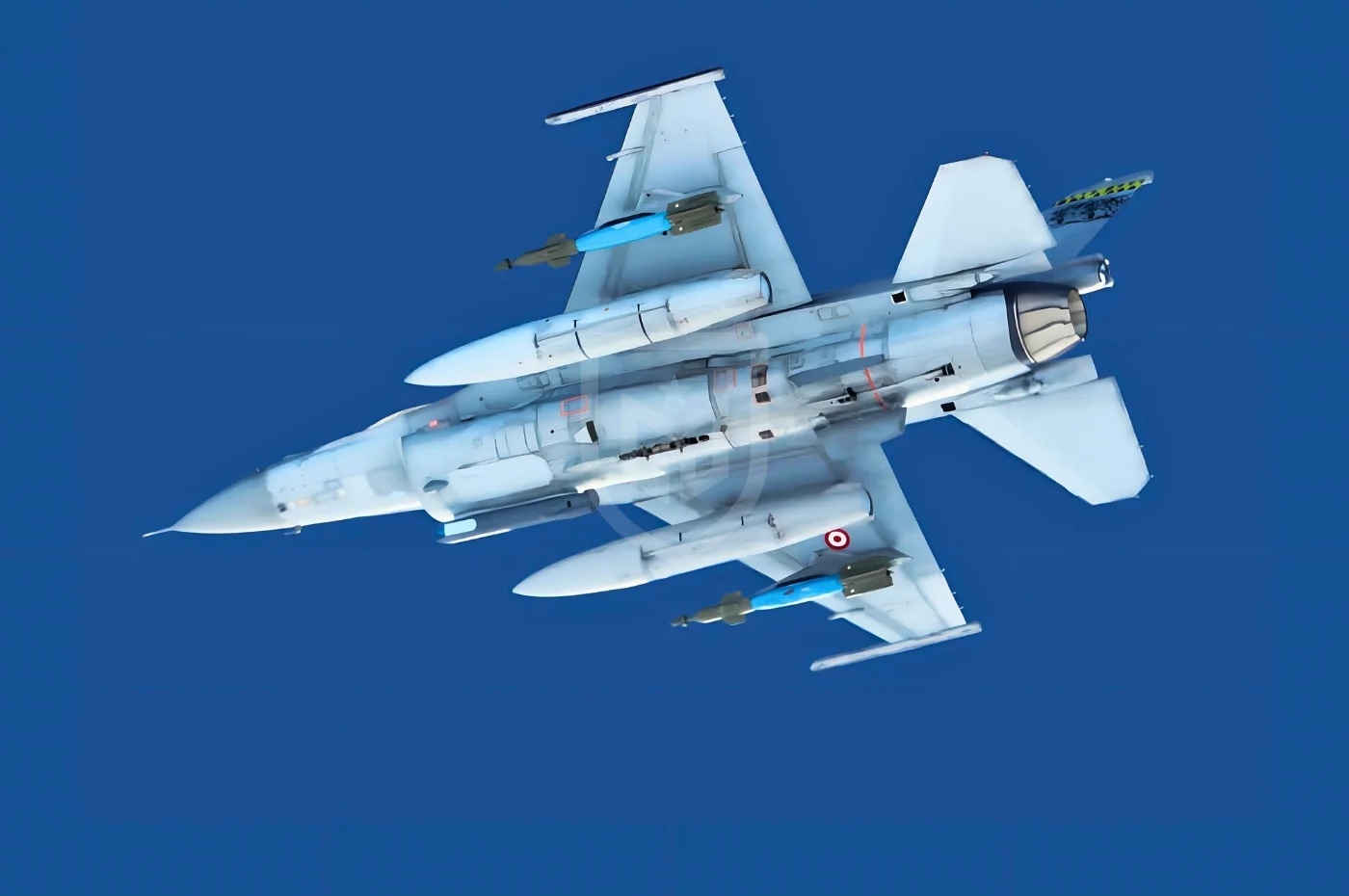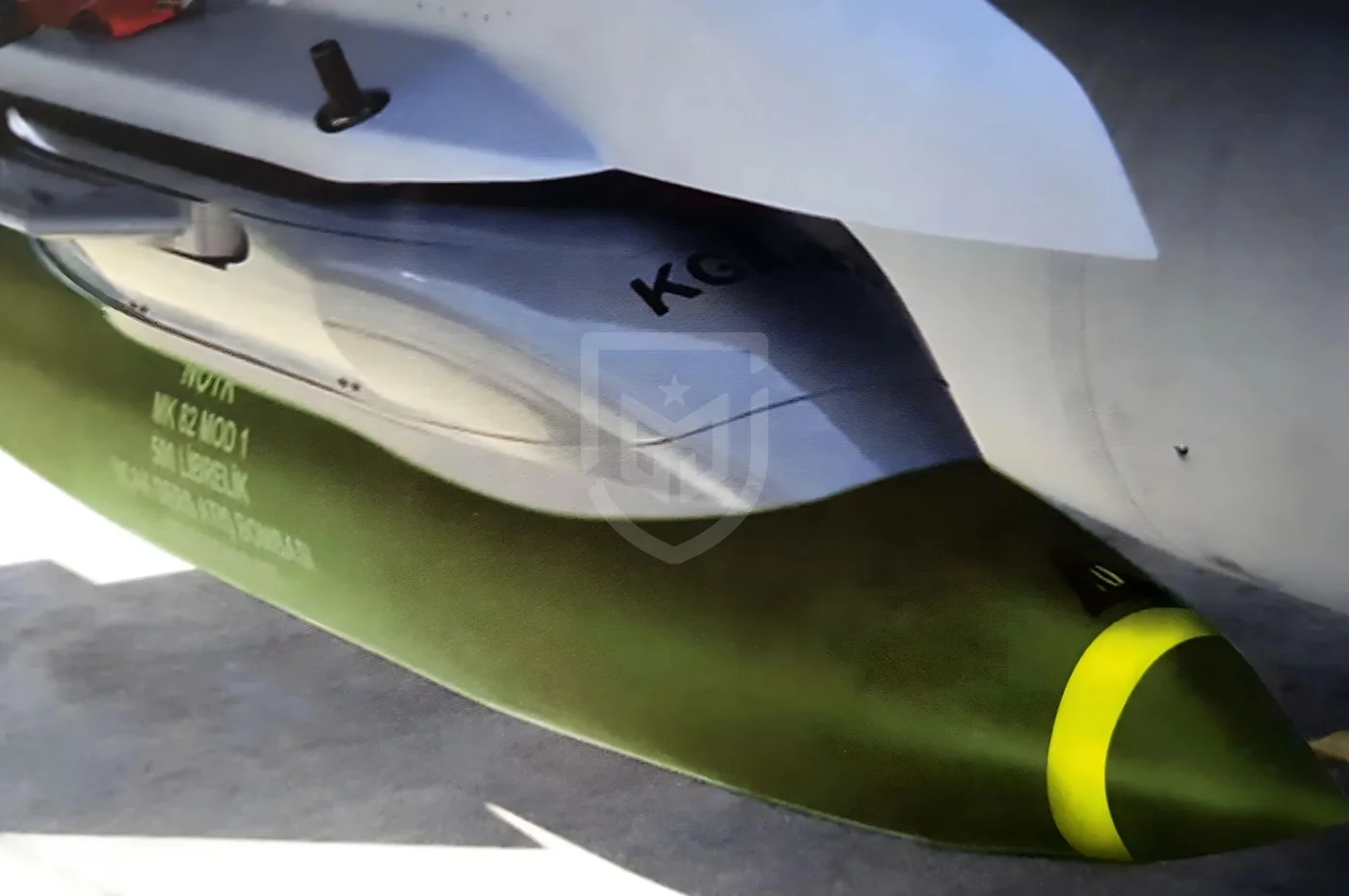




The Precision Guidance Kit (HGK) is designed to transform unguided free-fall bombs into precision-guided, medium-range glide munitions. By integrating an advanced navigation unit and aerodynamic control surfaces, the kit allows the bomb to glide toward its designated coordinates after release, increasing both survivability of the launching aircraft and strike accuracy.
Operational Purpose and Role
HGK’s primary role is to provide cost-effective precision strike capability against fixed ground targets. It is optimized for:
- Strategic infrastructure targets
- Military facilities and depots
- Hardened and semi-hardened targets (with penetrator bombs)
- Air defense sites and command centers
By leveraging existing bomb inventories, the system offers a scalable and economically sustainable precision-strike solution.
Doctrine and Concept of Employment
HGK supports stand-off strike doctrine. When released from altitudes up to 40,000 ft, the munition can glide approximately 15 nautical miles (~28 km), allowing aircraft to remain outside the engagement envelope of short- and medium-range air defense systems.
Its hybrid guidance architecture ensures operational continuity:
- GPS/INS mode: ~6 m CEP
- INS-only mode (GPS denied environment): ~10 m CEP
This redundancy increases mission reliability under electronic warfare conditions.
System Architecture
HGK consists of three primary subsystems:
Guidance Section (Nose Unit)
- Inertial Navigation System (INS)
- GPS receiver
- Mission computer
Wing and Tail Control Assembly
- Aerodynamic glide wings
- Actuated control surfaces
- Stabilization and trajectory correction mechanisms
Aircraft Interface Module
- Integration with aircraft stores management system
- Pre-release target coordinate upload
- In-flight retargeting capability (depending on aircraft integration level)
Engagement Process
- Target coordinates are uploaded during mission planning.
- Upon release, glide wings deploy.
- INS establishes initial trajectory reference.
- GPS updates position continuously (if available).
- Flight computer commands control surfaces for optimal glide path.
The system supports impact angles between 10° and 90°, with ±15° offset angle capability for flexible attack geometry.
Advantages Against Modern Threats
- Resistance to GPS jamming via INS backup
- High-altitude release increases aircraft survivability
- Reduced collateral damage due to precision guidance
- Cost-effective use of legacy bomb stockpiles
Limitations
- Primarily designed for fixed targets
- Performance dependent on release altitude and speed
- Complete technical details of anti-jam capabilities are not publicly disclosed
Variants and Development
Publicly available information indicates multiple HGK variants tailored to different bomb classes and extended-range configurations. Detailed block configurations and internal component specifications remain restricted.
Detailed Technical Information
Dimensions and Weight
- Compatible with 2,000 lb-class Mk-84 and penetrator bombs
- Exact kit weight not fully disclosed in public sources
Performance
- Maximum range: ~15 nm (~28 km)
- Release altitude: Up to 40,000 ft
- CEP accuracy:
- ~6 m (GPS/INS mode)
- ~10 m (INS-only mode)
Guidance System
- Hybrid INS + GPS navigation
- Onboard mission computer
- Autonomous flight control system
Target Capability
- Fixed coordinate-based targets
- Hardened structures (with penetrator bomb configuration)
Electronic Warfare Resilience
- INS redundancy in GPS-denied environments
- Detailed anti-jam specifications are not publicly available
Platform Integration
- F-16 Block 40 and derivatives
- F-4E 2020
- Additional integrations not fully disclosed publicly
Operational Requirements
- Compatible with standard airbase munition handling procedures
- No special ground deployment system required
- Operated through standard aircraft stores management systems
Frequently Asked Questions
What does the HGK system do?
- HGK converts conventional unguided bombs into precision-guided munitions using INS and GPS navigation, significantly improving strike accuracy and operational flexibility.
What is the maximum range of HGK?
- It can reach approximately 25–28 km depending on release altitude and aircraft speed.
What types of targets can it engage?
- Primarily fixed, coordinate-defined ground targets, including hardened military facilities.
Does it work in GPS-jammed environments?
- Yes. The INS-only mode allows continued operation, although with slightly reduced accuracy.
Is HGK mobile or fixed?
- It is an air-launched munition kit; mobility depends on the carrying aircraft.
What are its international equivalents?
- Its conceptual equivalent is the JDAM family developed in the United States. HGK represents Turkey’s domestically developed alternative.
Sources
- Official publications and product brochures from TÜBİTAK SAGE
- ASELSAN official releases and technical documents
- Public Turkish Air Force integration disclosures
- Defense industry exhibition briefings