


Early Warning and Air Search Radars


BREAKING NEWS
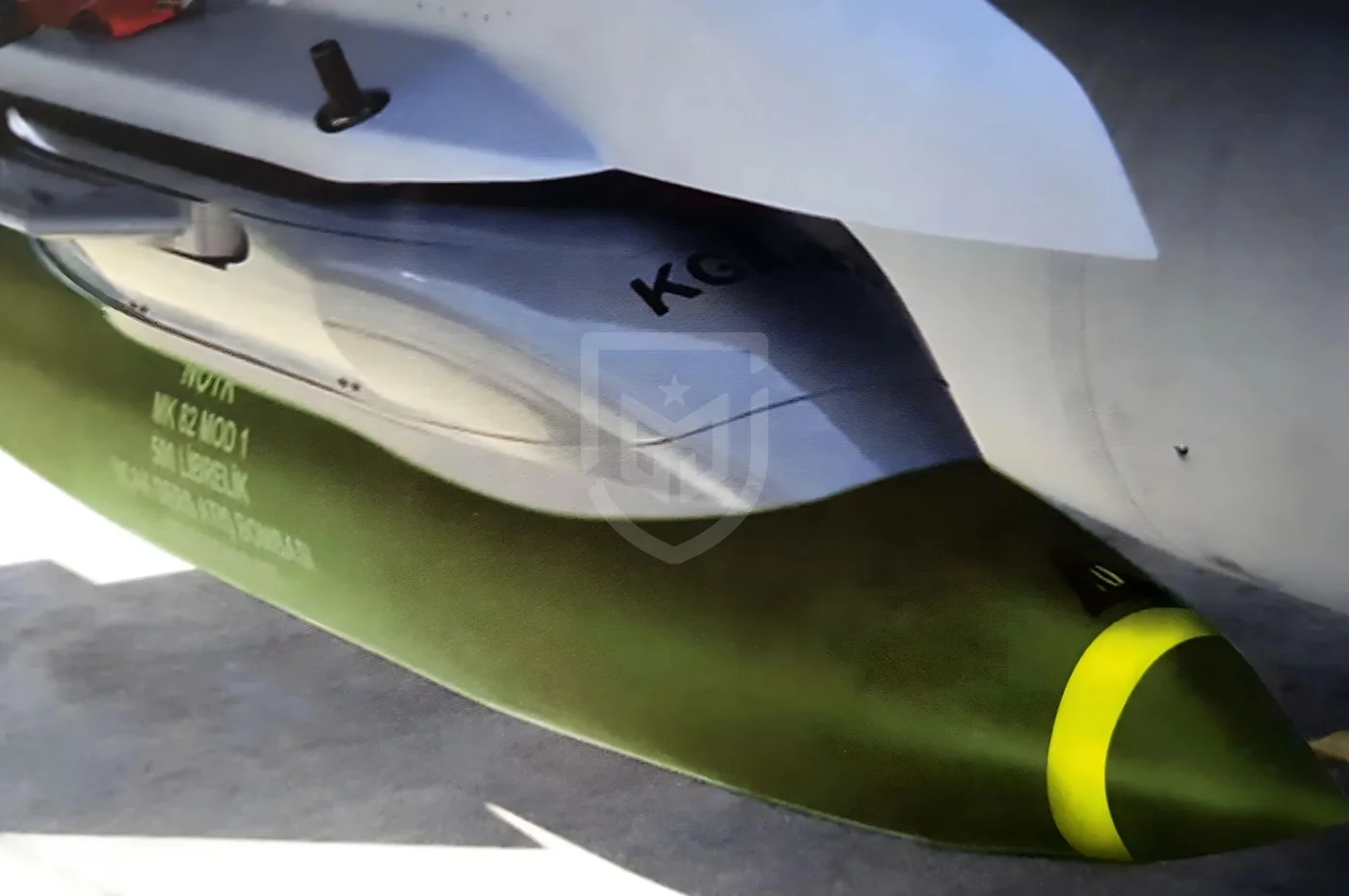
The Winged Guidance Kit (KGK) was developed to meet the modern operational requirement of conducting precision strikes while maintaining stand-off distance from enemy air defense systems. Traditional free-fall bombs require aircraft to approach close to the target area, exposing them to threats such as surface-to-air missiles and anti-aircraft artillery. KGK transforms these conventional bombs into long-range glide munitions, enabling aircraft to release weapons far outside the threat envelope.
In contemporary air warfare doctrine, survivability of high-value assets such as fighter aircraft is a key priority. Stand-off weapons provide this advantage by allowing the munition, rather than the aircraft, to approach the defended target area. KGK addresses this need by combining a deployable wing structure, aerodynamic control surfaces, and a navigation-based guidance system.
The kit is designed to engage stationary or semi-fixed high-value ground targets. Typical targets include logistics depots, radar installations, command-and-control facilities, aircraft shelters, ammunition depots, and airbase infrastructure such as runways. These types of targets are critical elements of enemy military infrastructure, and their destruction can significantly degrade operational capability.
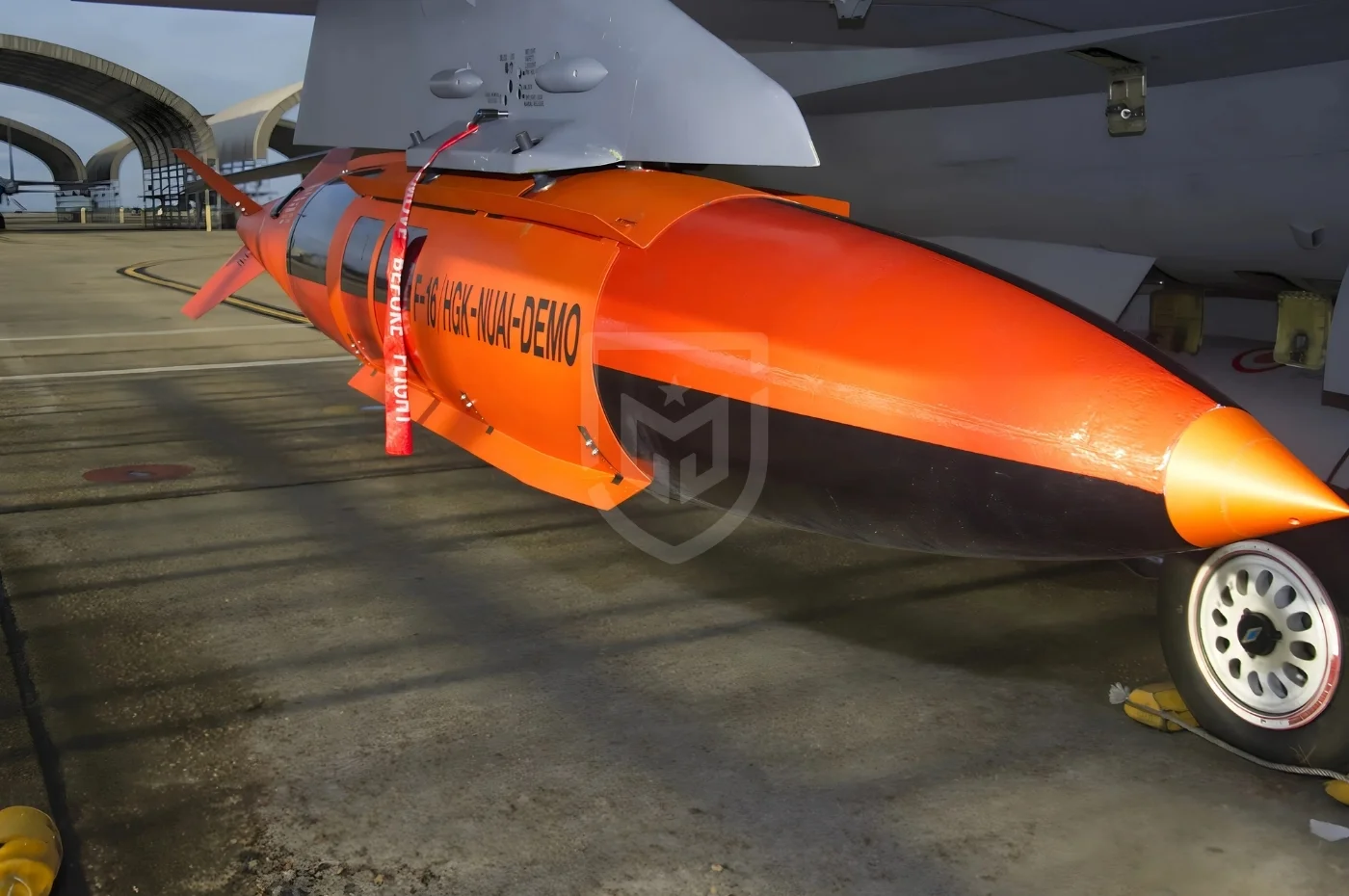
KGK consists of three main modules forming the system architecture. The first is the winged mid-body module, which contains deployable aerodynamic wings. Once the munition is released, these wings unfold and significantly increase the glide ratio, enabling the weapon to travel long distances while maintaining altitude.
The second component is the tail control section, which contains aerodynamic control surfaces responsible for stabilizing the weapon and adjusting its trajectory during flight. These control surfaces allow the guidance system to continuously correct the flight path toward the target coordinates.
The third component is the guidance unit, which integrates an Inertial Navigation System (INS) with the Global Positioning System (GPS). This dual navigation architecture enables the weapon to operate in all weather conditions and at any time of day without requiring visual or laser designation. Target coordinates are loaded into the munition via the aircraft mission computer before release.
KGK is designed to comply with the MIL-STD-1760 digital weapon interface standard, which allows integration with modern combat aircraft equipped with NATO-compatible weapon systems. This standard facilitates interoperability across different platforms and simplifies integration into existing aircraft weapon systems.
From a survivability perspective, KGK operates using passive navigation guidance, meaning it does not emit radar or other detectable signals during flight. This reduces the likelihood of detection or interception by enemy sensors. In environments where GPS signals are degraded or jammed, the INS system provides a backup navigation capability, although accuracy may gradually decrease during prolonged INS-only operation.
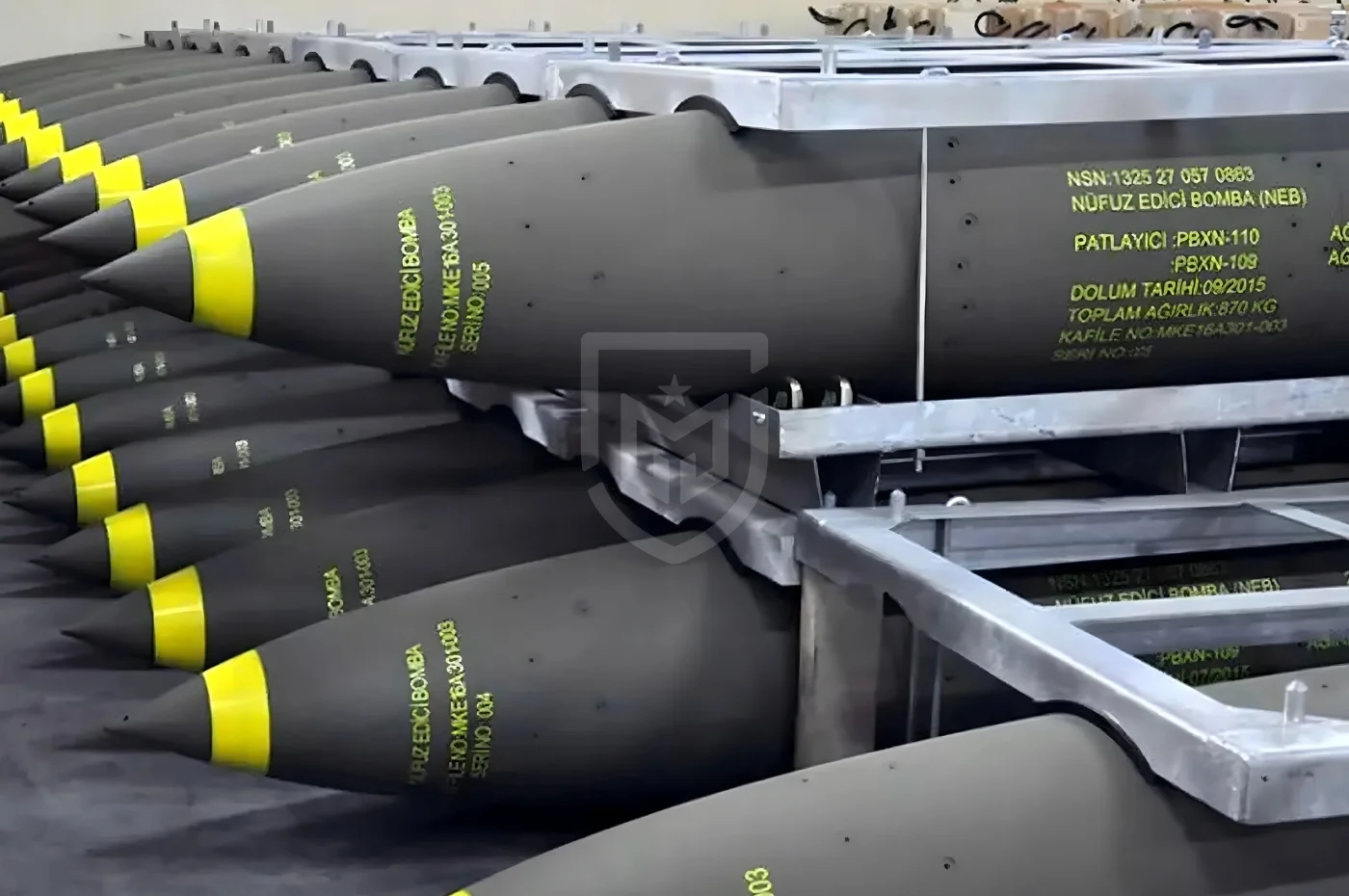
One of the most important advantages of KGK is its combination of long range, high accuracy, and relatively low cost compared to cruise missiles or other advanced stand-off weapons. By upgrading existing bomb inventories, air forces can significantly enhance strike capability without investing in entirely new munitions.
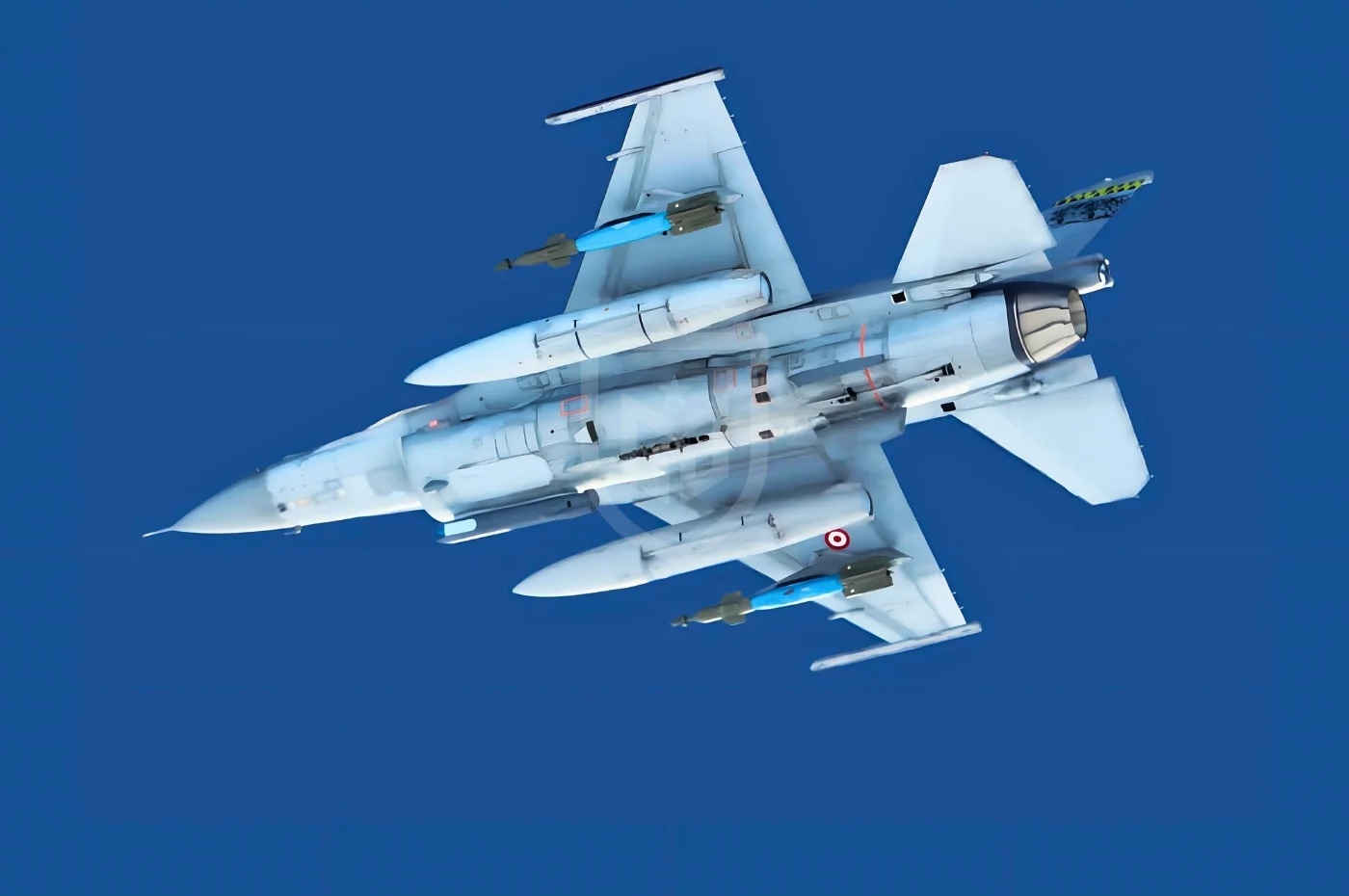
KGK has been integrated with several aircraft operated by the Turkish Air Force, including the F-16 Fighting Falcon and the modernized F-4E/2020 Terminator. Future integration efforts are expected to focus on compatibility with NATO’s Universal Armament Interface (UAI) standard and newer aircraft mission systems.
Detailed Technical Information
Dimensions and Weight
KGK is a modular kit compatible with different general-purpose bomb classes.
Supported bomb types:
Exact dimensions, wing span, and total system weight are not publicly disclosed.
Performance
Maximum Range
More than 100 km when released from high altitude.
High-Altitude Release Range
Approximately 60 nautical miles (~110 km).
Low-Altitude Release Range
Approximately 20 nautical miles (~37 km).
Accuracy (CEP)
Less than 10 meters.
Operational Profiles
Actual range depends on release altitude, aircraft speed, and atmospheric conditions.
Sensors and Detection
KGK does not employ an active target seeker.
Guidance relies on:
This allows operation in:
Targeting and Tracking
The system does not perform target detection autonomously.
Target coordinates are generated by:
These coordinates are uploaded to the munition before release.
Guidance and Engagement
No terminal seeker is publicly known to be integrated.
Warhead / Effect
KGK does not include a separate warhead.
The destructive effect is determined by the bomb it is attached to:
Command and Control / Data Links
In-flight retargeting capability or data link support is not publicly disclosed.
Electronic Warfare Resistance
Deployment and Logistics
Detailed maintenance cycles and deployment timelines are not publicly available.
Frequently Asked Questions
What is the purpose of the KGK system?
What is the range of the Winged Guidance Kit?
What targets is KGK designed to strike?
KGK is optimized for fixed or semi-fixed ground targets, including:
It is not optimized for engaging moving targets.
Can KGK operate without GPS?
Which aircraft can use KGK?
The system has been integrated on:
Because it complies with MIL-STD-1760, other NATO-compatible aircraft could potentially integrate the system.
What are the international equivalents of KGK?
Comparable systems include:
All belong to the class of extended-range precision guidance kits for conventional bombs.
Sources




The cookies used on our website are used to provide you with a better user experience and to improve our website. You can manage your cookie preferences from the options below.