
Operational Purpose and Role
KAAN is primarily designed as an air superiority fighter with multirole capabilities. Its core mission set includes:
- Air-to-air dominance
- Deep precision strike
- Suppression and destruction of enemy air defenses SEAD/DEAD
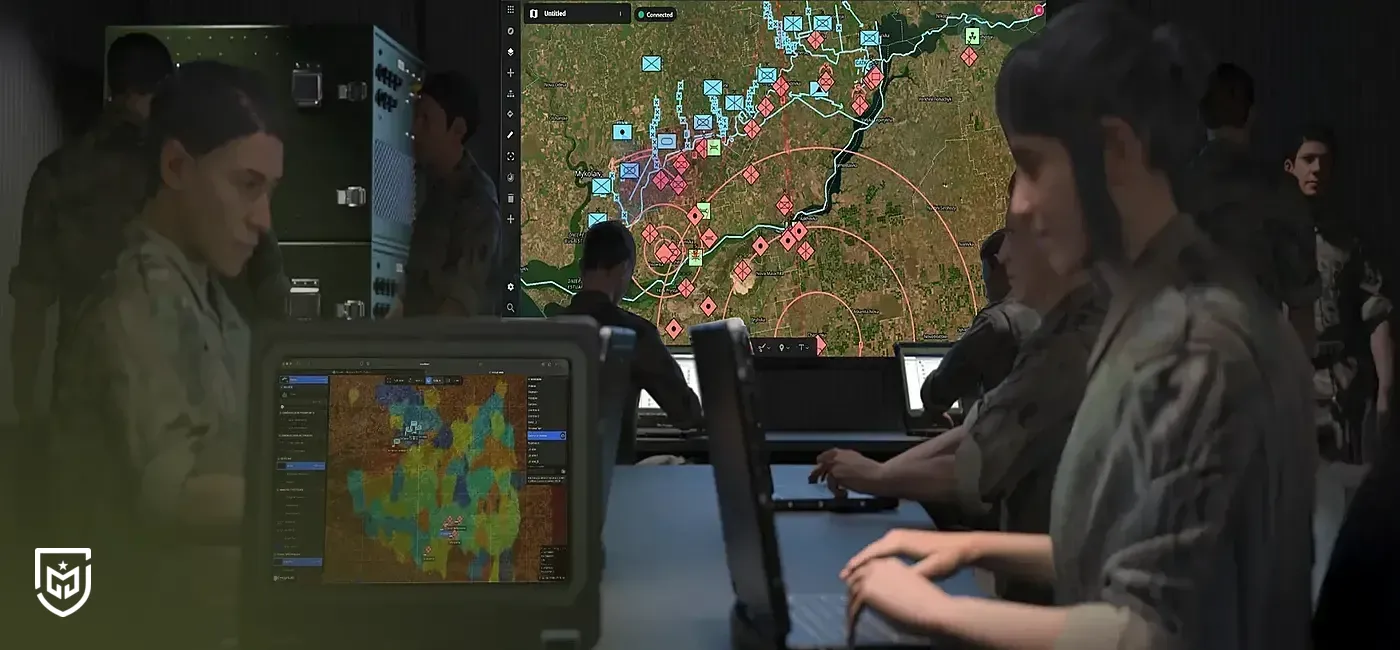
- Network-enabled operations
- Advanced situational awareness in contested environments
The aircraft is optimized for operations in high-threat environments protected by modern integrated air defense systems.
Doctrine and Concept of Operations
KAAN is being developed around a network-centric warfare doctrine. The platform is expected to operate as part of an integrated battlespace including:
- Airborne early warning assets
- Ground-based radar networks
- Air defense command and control systems
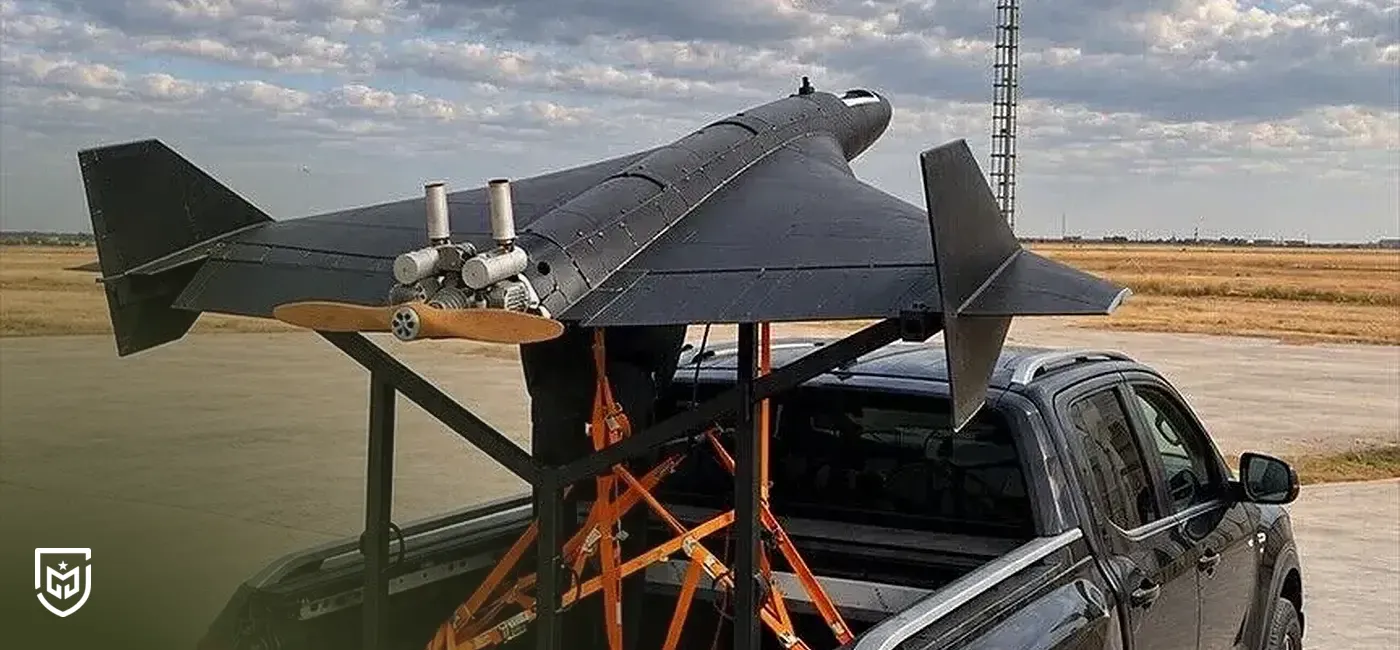
- Unmanned aerial systems
Future operational concepts include manned-unmanned teaming where KAAN may control or coordinate with unmanned combat aerial vehicles.
Platform Architecture
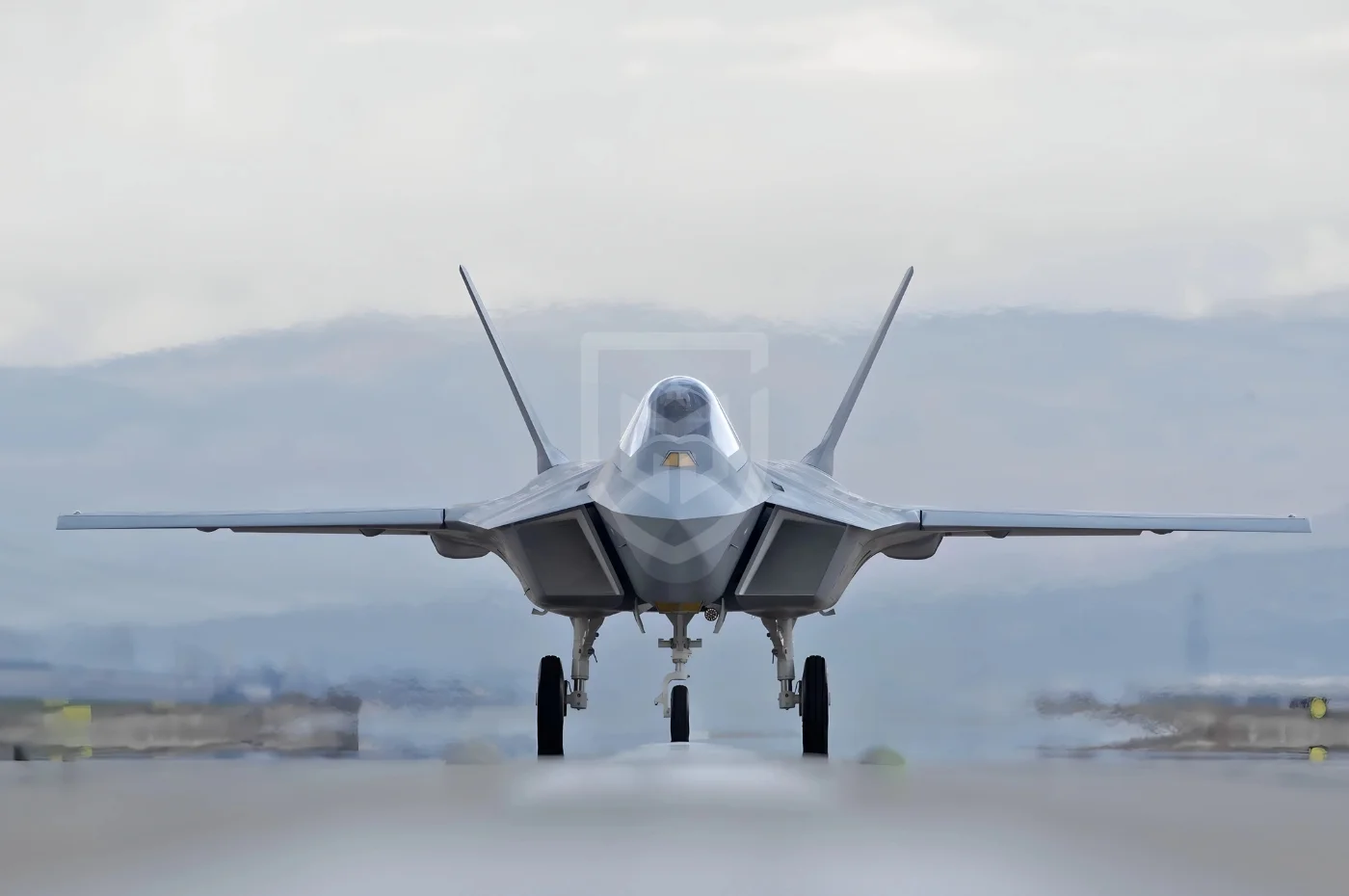
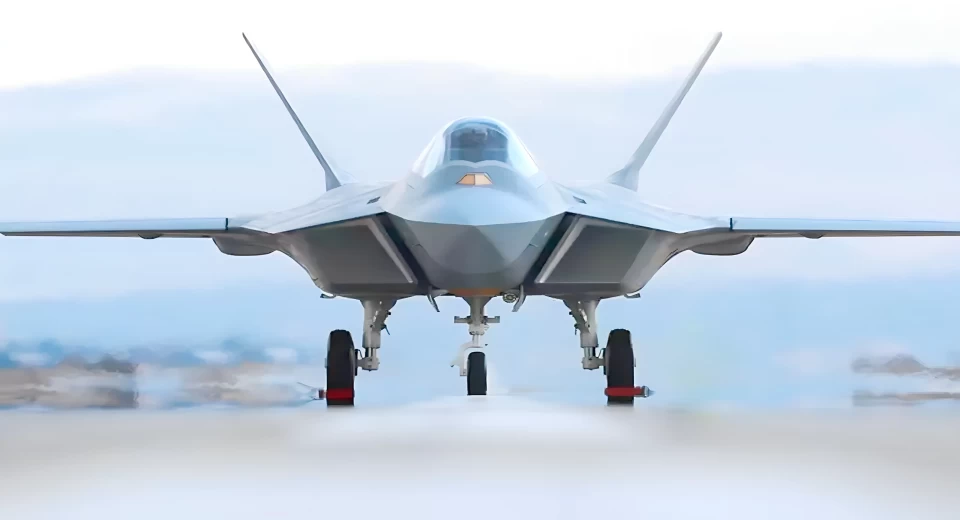
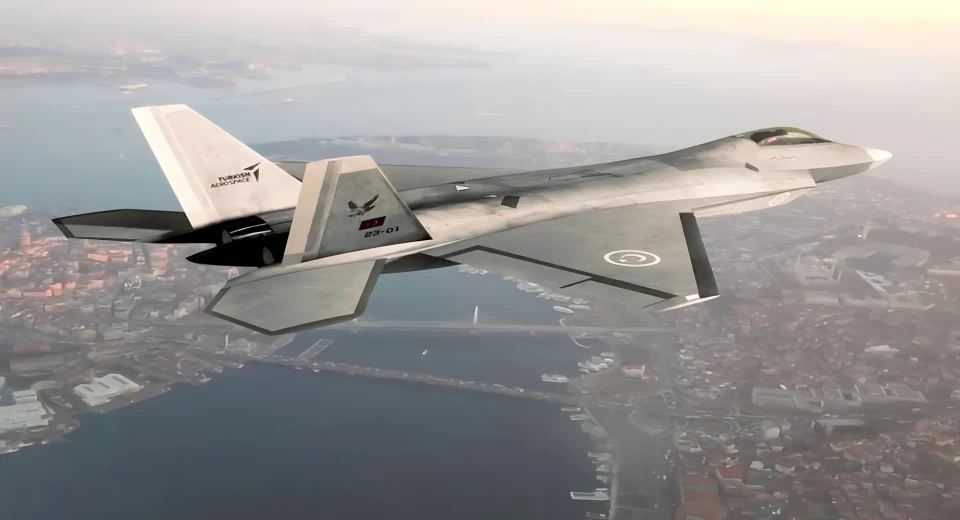
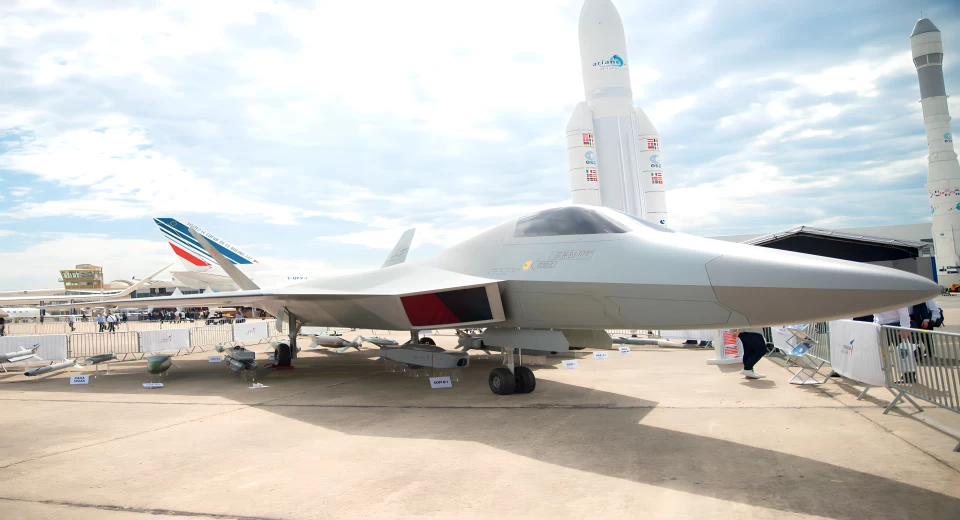
KAAN is a twin-engine, twin-tail, low-observable fighter aircraft featuring:
- Internal weapon bays
- Diverterless supersonic inlets optimized for low radar signature
- Advanced composite materials
- Open architecture avionics
Core system components include:
- AESA radar
- Integrated electro-optical and infrared sensor systems
- Sensor fusion software
- High-speed data links
- Digital fly-by-wire flight control system
The open mission systems architecture is designed to allow future upgrades without major structural redesign.
Survivability and Low Observability
Survivability is built upon three pillars:
- Reduced radar cross section through shaping and internal weapons carriage
- Integrated electronic warfare and self-protection systems
- Enhanced situational awareness through sensor fusion
Exact radar cross section values are not publicly disclosed.
Engagement Process and Combat Effectiveness
Sensor fusion allows radar, electro-optical systems, and passive detection systems to present a unified tactical picture to the pilot.
The aircraft is expected to deploy:
- Beyond-visual-range air-to-air missiles
- Within-visual-range high agility missiles
- Precision-guided air-to-ground munitions
Final certified weapon loadouts will be confirmed in later development stages.
Ecosystem Integration
KAAN is designed to integrate with Türkiye’s national defense ecosystem, including:
- Indigenous AESA radar development programs
- National missile families
- Secure tactical data links
- Air defense command networks
The aircraft represents a cornerstone of Türkiye’s long-term airpower modernization strategy.
Advantages and Limitations
Advantages
- 5th generation stealth design
- Twin-engine safety and thrust margin
- Open architecture for modernization
- Indigenous system integration potential
Limitations
- Indigenous engine development is ongoing
- Full operational capability will be phased
- Certification and testing timeline extends into the 2030s
Variants and Block Structure
KAAN is expected to follow a block development strategy:
- Early blocks powered by GE F110 engines
- Future blocks planned to incorporate a domestically developed engine
Detailed block specifications are not fully public.
Operational Status
- Rollout: 2023
- First Flight: 21 February 2024
- Serial production timeline: phased introduction in the 2030s
Technical Specifications
Dimensions
- Length: approximately 21 meters
- Wingspan: approximately 14 meters
- Maximum takeoff weight: not fully disclosed publicly
Propulsion
- 2 × General Electric F110 turbofan engines in initial blocks
- Indigenous engine under development
Performance
- Supersonic capability
- Supercruise targeted
- Service ceiling and combat radius not publicly detailed
Sensors
- Active Electronically Scanned Array AESA radar
- Electro-optical targeting system
- Infrared search and track type capability expected
- Radar warning and electronic support systems
Weapons
- Internal weapon bays
- Air-to-air and air-to-ground guided munitions
- Exact payload configuration publicly limited
Command and Control
- Secure tactical data links
- Network-centric warfare integration
- Advanced mission computer architecture
Electronic Warfare
- Integrated electronic support measures
- Self-protection jamming systems
- Detailed electronic warfare performance not publicly available
Crew
- Single pilot configuration
Frequently Asked Questions
What is KAAN designed for?
- KAAN is designed to ensure air superiority and conduct precision strike missions in high-threat environments. It is intended to replace aging 4th generation fighters.
Is KAAN a 5th generation fighter?
- Yes. It incorporates stealth shaping, internal weapons bays, sensor fusion, and network-centric warfare capabilities.
When did KAAN first fly?
- The aircraft conducted its maiden flight on 21 February 2024.
What engines does KAAN use?
- Initial blocks use GE F110 engines. A domestic engine is under development for future integration.
Does KAAN have stealth capability?
- Yes. The airframe geometry, internal weapon bays, and materials are designed to reduce radar cross section. Exact values are classified.
How does KAAN compare to other 5th generation fighters?
- While conceptually comparable to other 5th generation aircraft, full performance comparisons require final operational configuration data and certified performance metrics.
Sources
- Official TUSAŞ public statements
- Presidency of Defense Industries press releases
- Publicly released program announcements
- First flight confirmation statements February 2024