Fast Boats


BREAKING NEWS
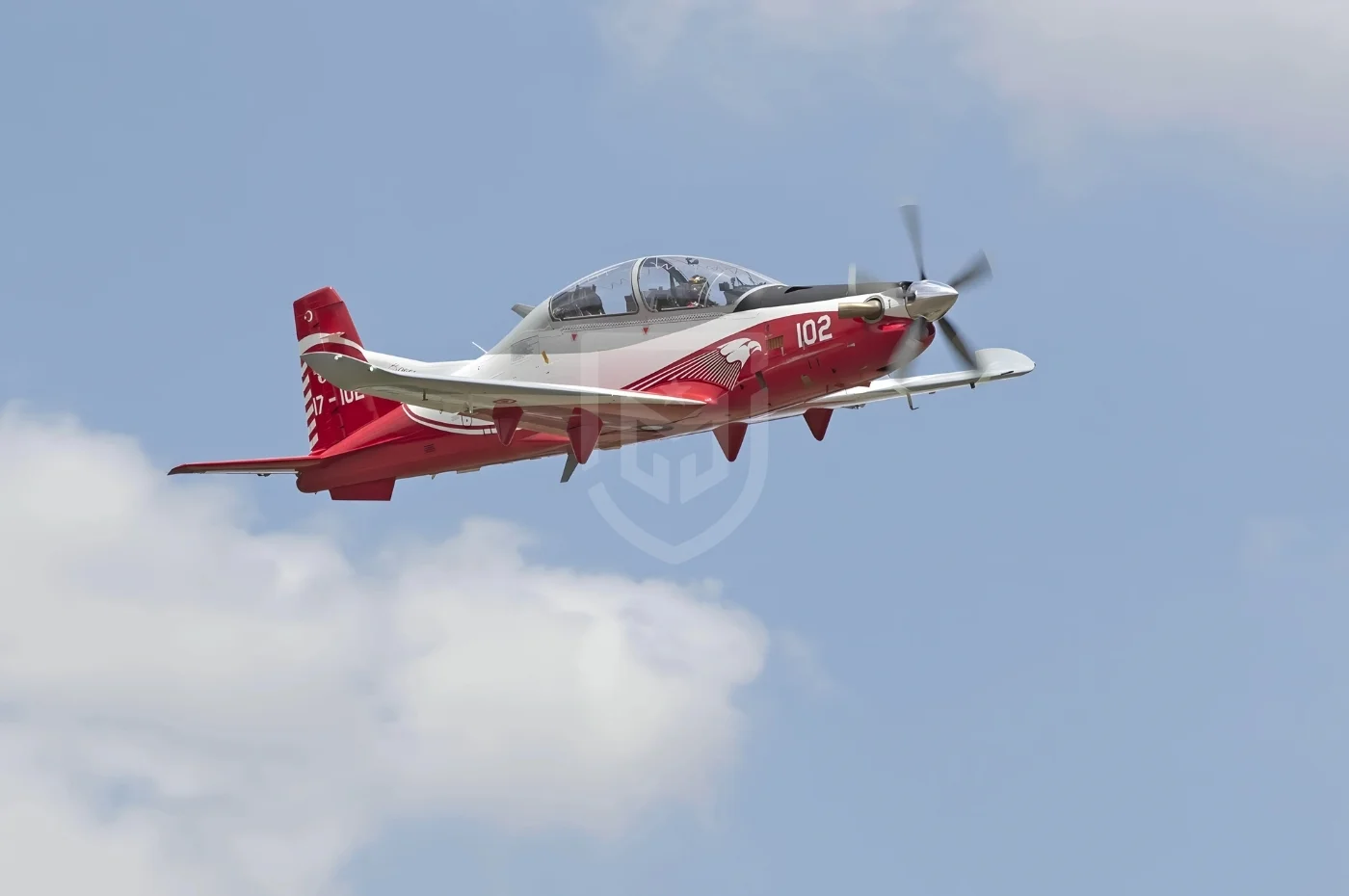
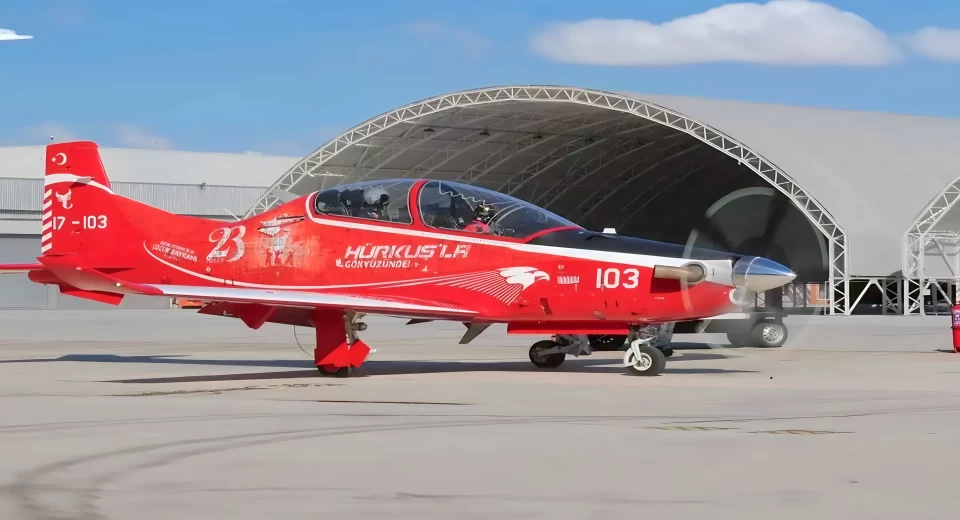
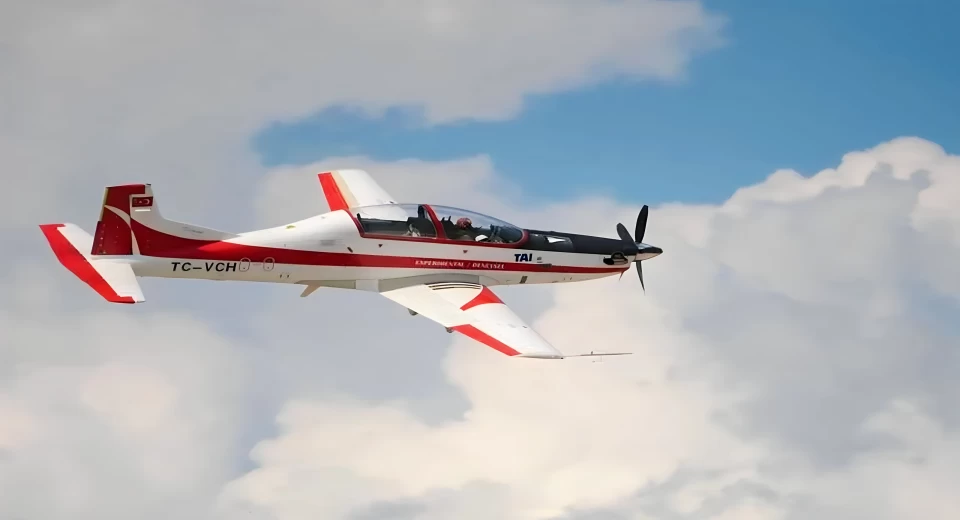
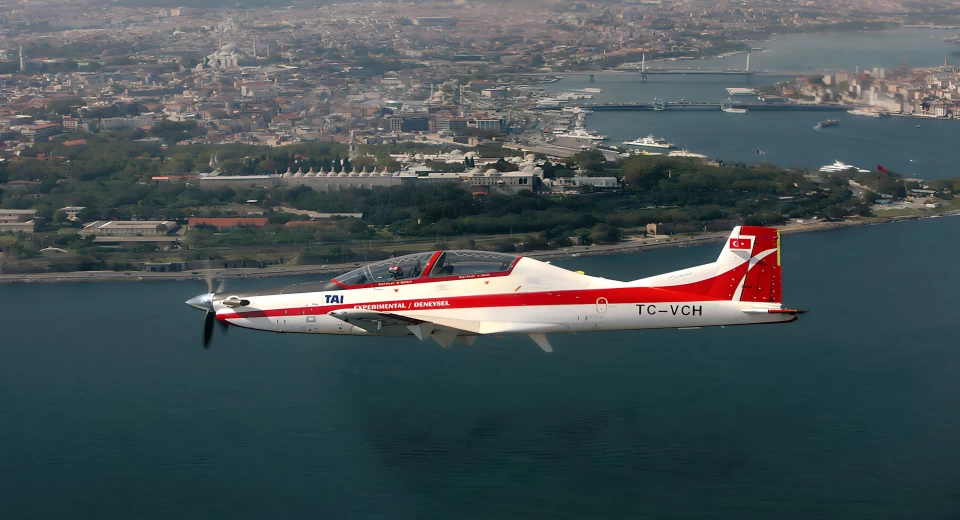
HÜRKUŞ was initiated to reduce foreign dependency in Turkey’s military pilot training pipeline and to establish a domestically developed basic and advanced trainer aircraft. The platform bridges the gap between primary flight training and advanced jet training, offering a controlled yet high-performance flight envelope.
Operational Purpose and Role
HÜRKUŞ is designed for:
The aircraft provides a scalable training environment, enabling student pilots to transition smoothly to high-performance jet aircraft.
Doctrine and Concept of Use
Within a standard pilot training doctrine:
HÜRKUŞ represents the advanced turboprop phase, where pilots are exposed to higher speeds, increased g-limits, and modern avionics.
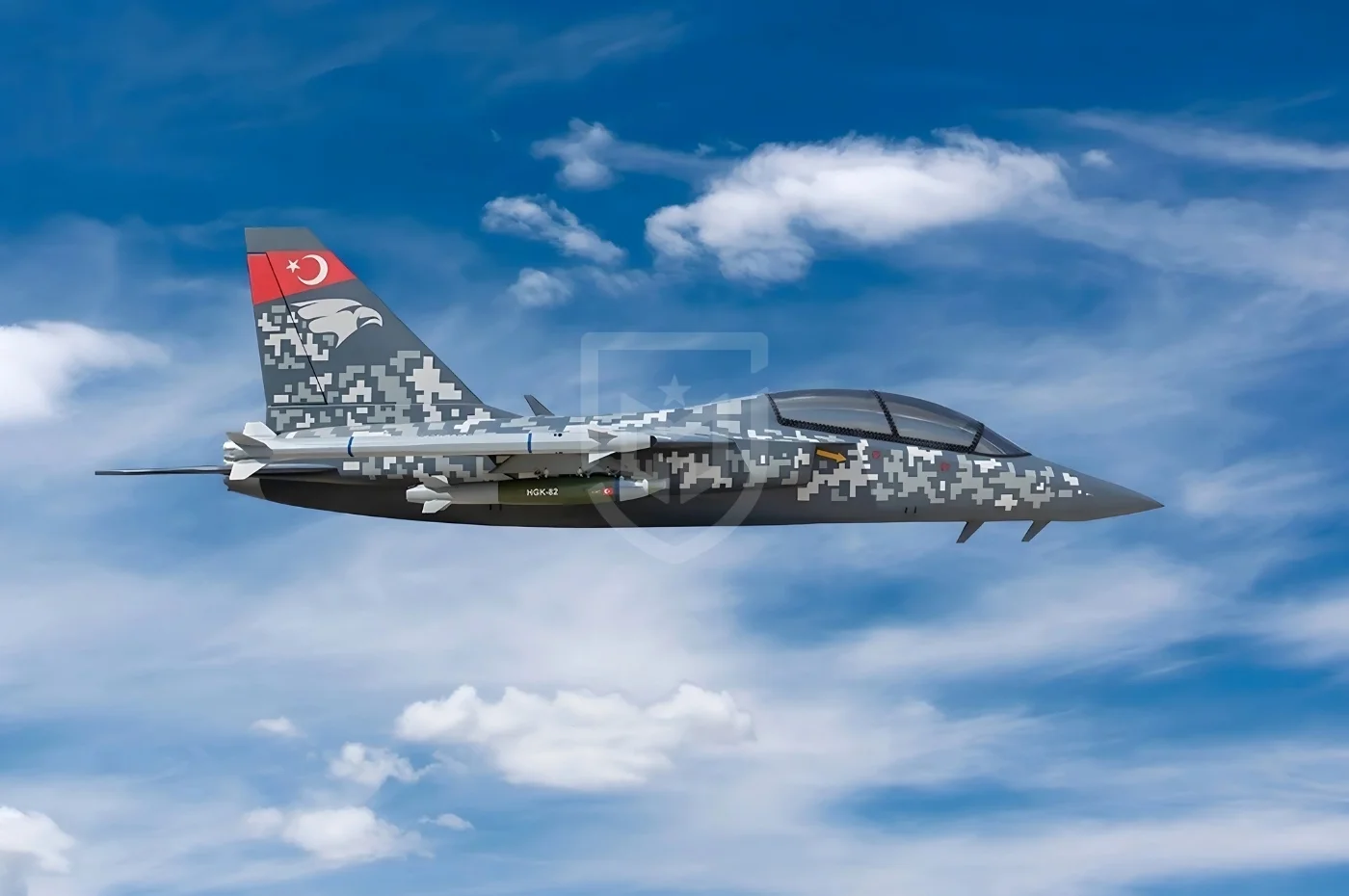
The HÜRKUŞ-C light attack configuration is suitable for:
Its relatively low operating cost makes it effective in low- to medium-threat environments.
Platform Architecture
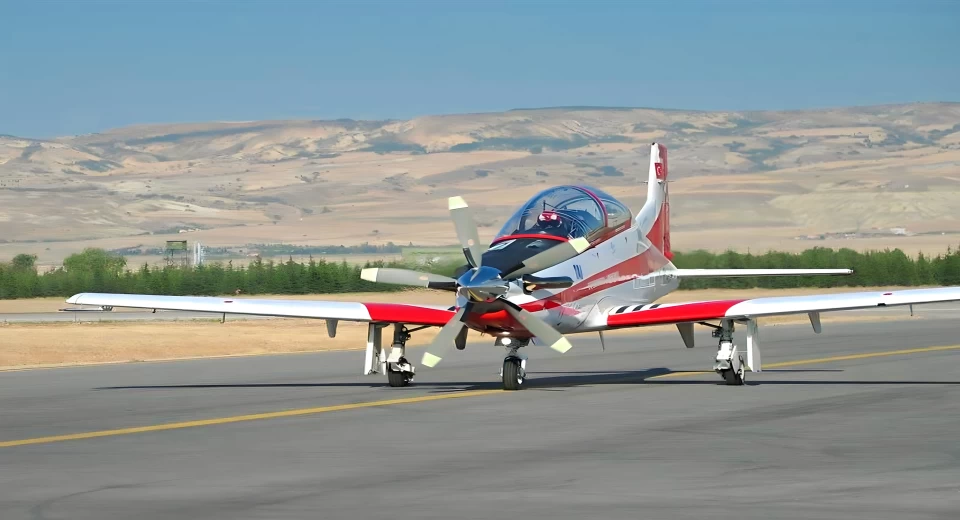
The aircraft architecture consists of:
The cockpit design resembles modern fighter aircraft interfaces, facilitating smoother pilot transition.
Survivability and Structural Strength
In the training configuration:
In the light attack version, survivability depends largely on mission profile and operating altitude. It is not designed for high-threat air defense environments but is optimized for permissive or semi-permissive airspace.
Flight Testing and Certification
During certification and testing:
The aircraft received type certification from the Turkish DGCA and validation from EASA.
Variants
The C variant includes external hardpoints for weapon integration. Specific weapon configurations depend on customer requirements and publicly available data is limited.
Detailed Technical Specifications
Dimensions
Powerplant
Performance
Avionics and Sensors
The standard trainer version does not include onboard radar. The light attack version may integrate targeting pods depending on configuration.
Weapons and Hardpoints (HÜRKUŞ-C)
Exact payload capacity figures are not fully disclosed in open sources.
Command, Control, and Communications
Network-centric warfare capabilities are limited in public documentation.
Deployment and Logistics
Frequently Asked Questions
What is HÜRKUŞ used for?
Is HÜRKUŞ a jet aircraft?
What is the maximum range?
How high can HÜRKUŞ fly?
How does it compare to its competitors?
Comparable aircraft include:
HÜRKUŞ competes in the advanced turboprop trainer and light attack segment, offering a balance between training performance and operational flexibility.
Can HÜRKUŞ operate from short runways?
Sources




The cookies used on our website are used to provide you with a better user experience and to improve our website. You can manage your cookie preferences from the options below.