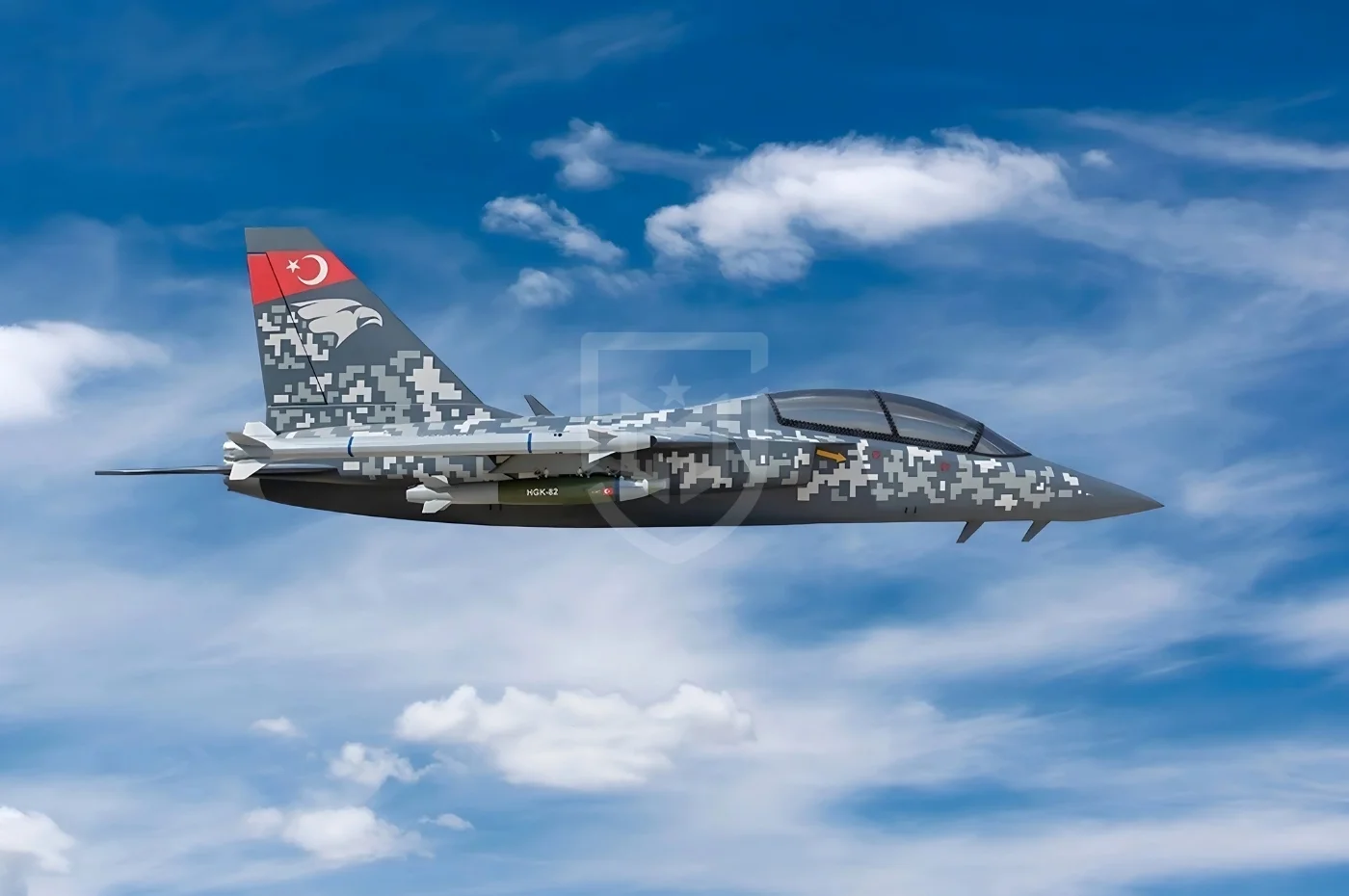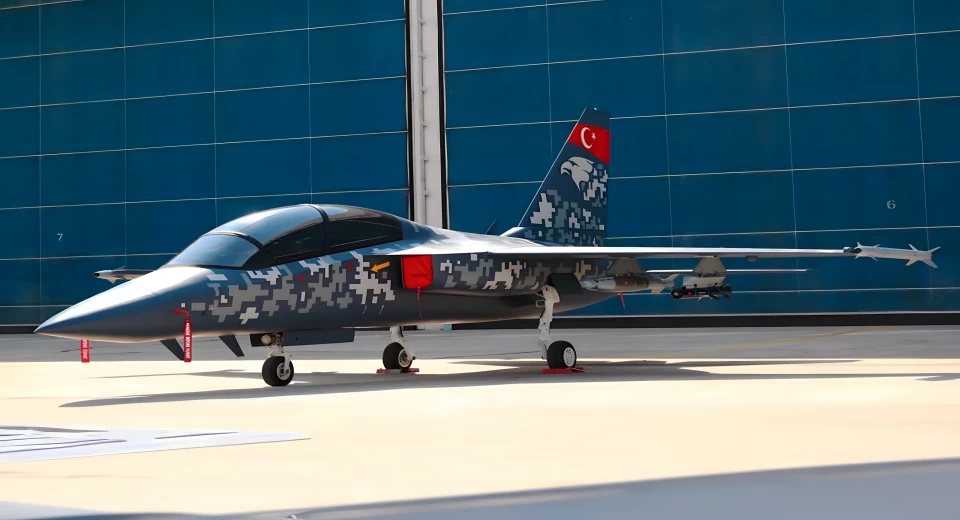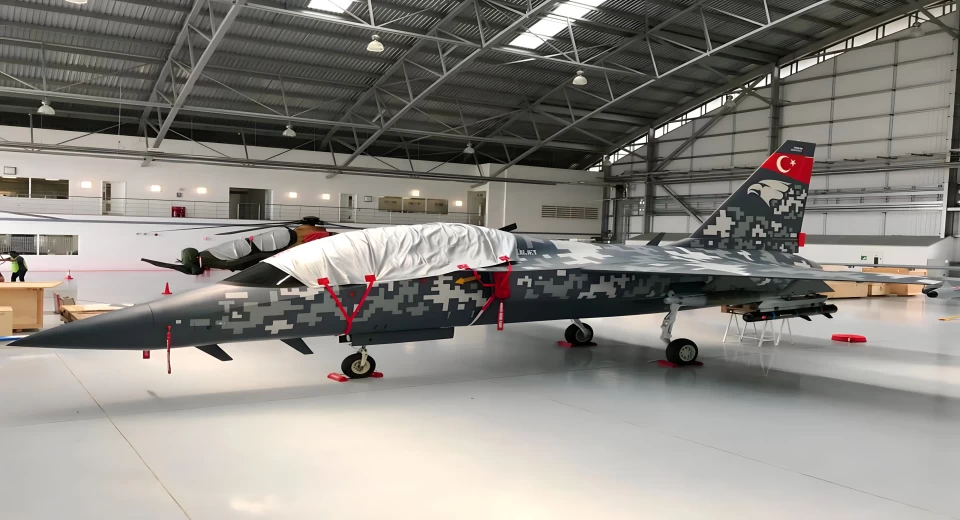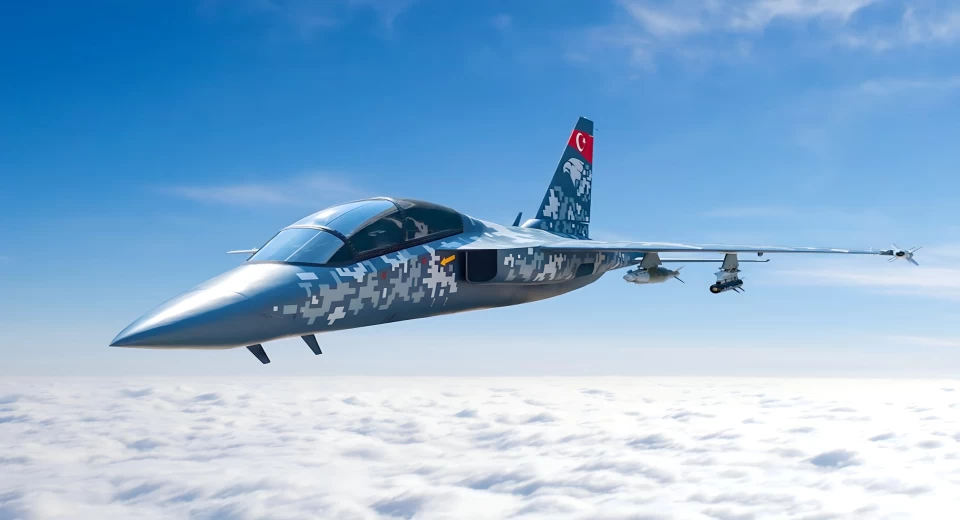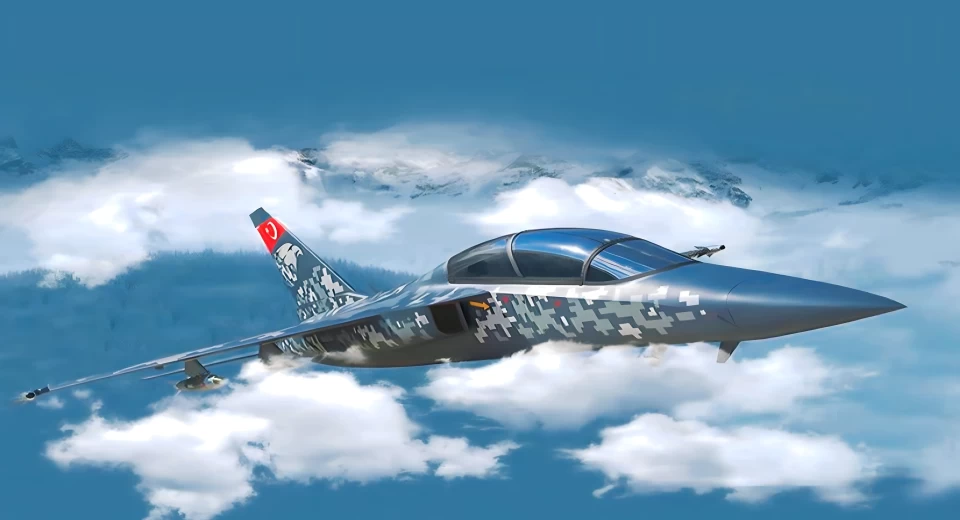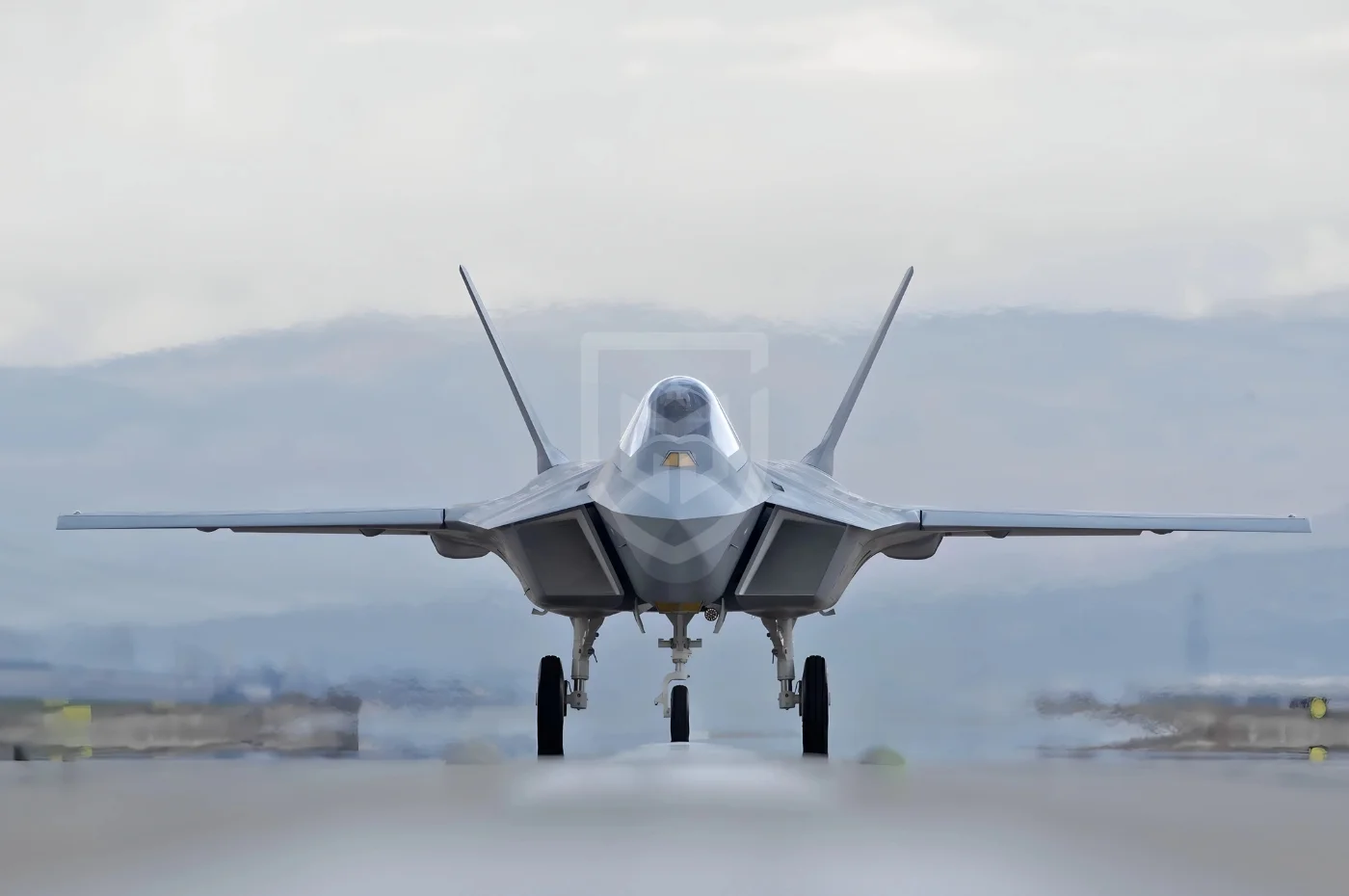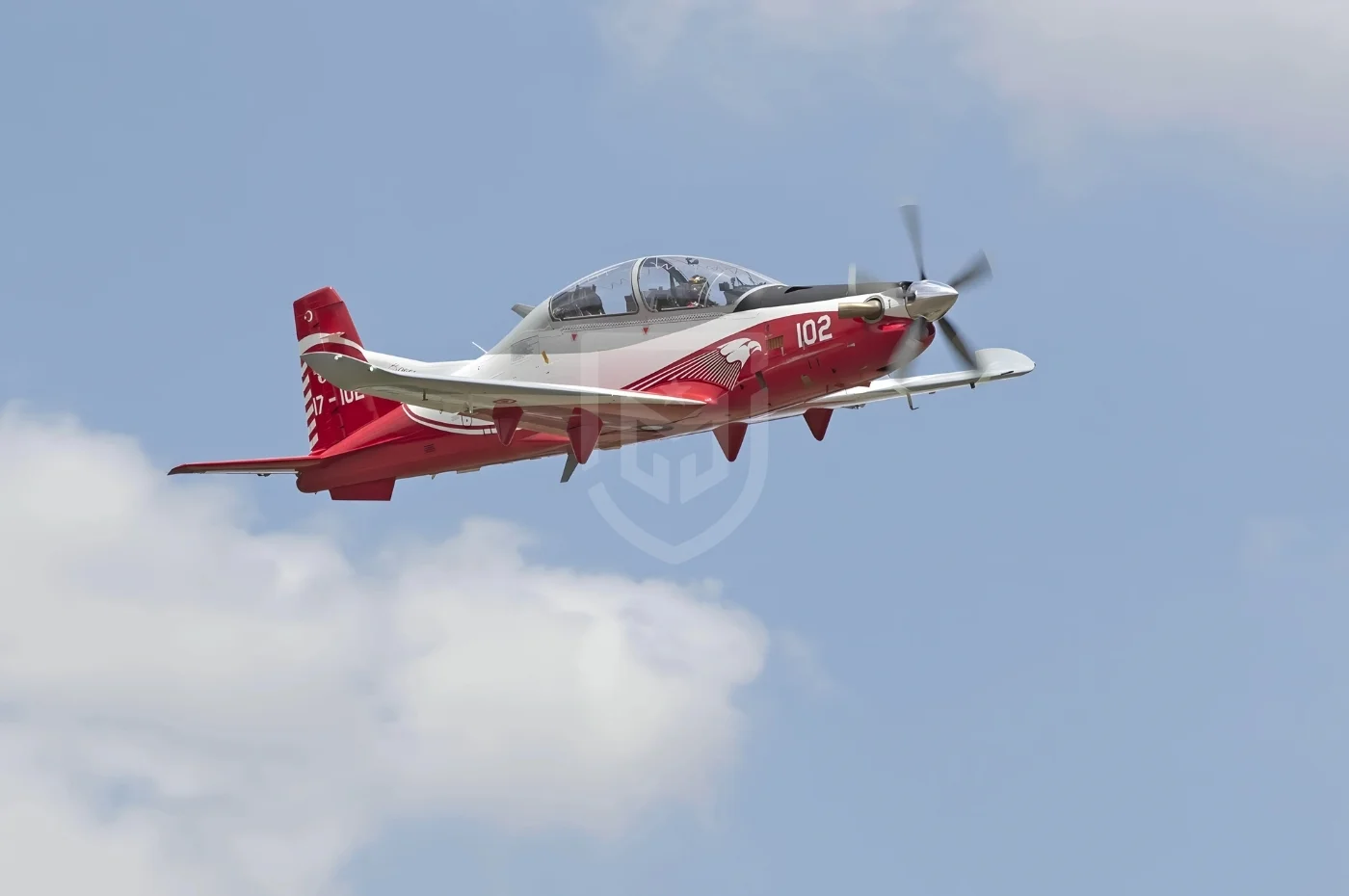
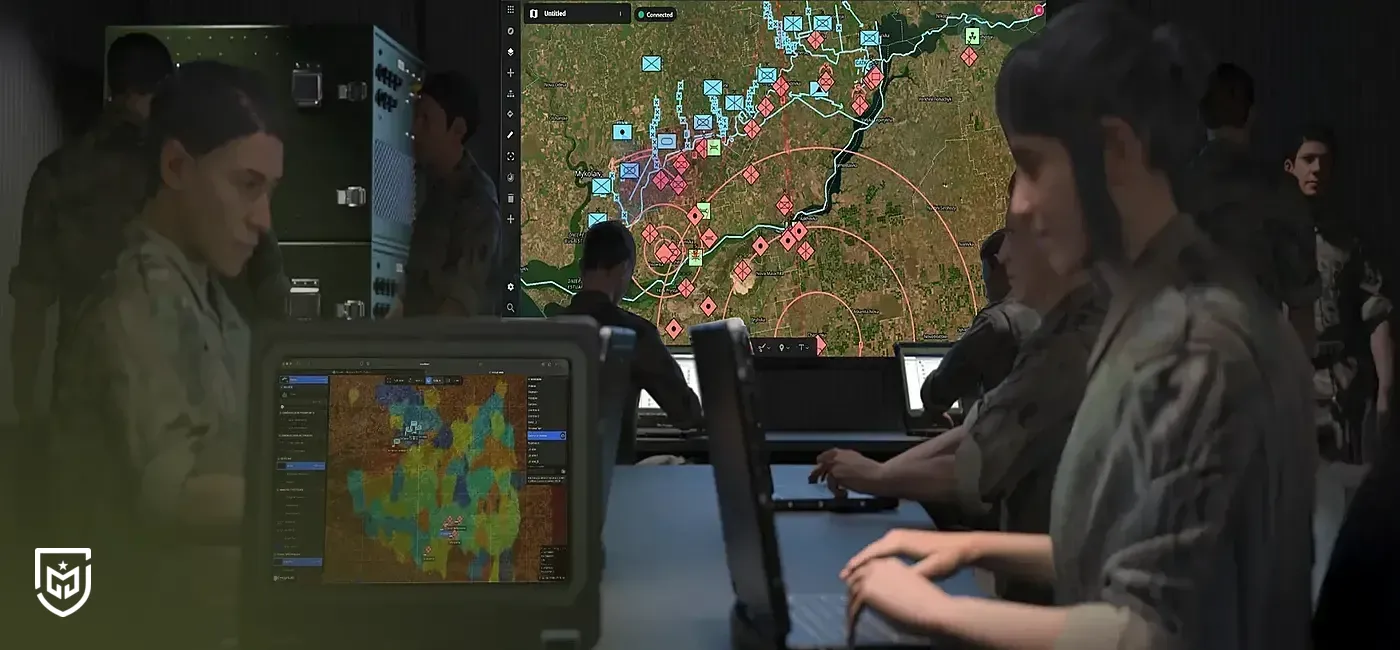
HÜRJET was launched to strengthen Türkiye’s sovereign jet training capability and reduce foreign dependency in advanced pilot training. It also acts as an industrial and technological bridge between the HÜRKUŞ program and next-generation fighter development projects.
The platform is designed with dual capability:
- Lead-In Fighter Training (LIFT)
- Light Attack / Armed Variant
Operational Role and Purpose
HÜRJET’s primary mission is to prepare fighter pilots for 4th and 5th generation combat aircraft. The aircraft provides:
- High-G maneuver capability (+8g / -3g)
- Supersonic flight (Mach 1.4)
- Digital fly-by-wire flight control system
- Glass cockpit with multifunction displays
- Embedded simulation and tactical training architecture
In its armed configuration, it performs:
- Close Air Support (CAS)
- Counter-terrorism operations
- Border security missions
- Low-to-medium threat environment strike roles
Doctrine and Employment Concept
As a LIFT aircraft, HÜRJET bridges the gap between basic turboprop trainers and high-performance fighters. It enables pilots to experience radar operations, data link usage, advanced mission planning, and tactical engagement procedures in a cost-efficient environment.
In the light attack role, HÜRJET offers:
- Lower operational cost compared to frontline fighters
- Rapid deployment capability
- Precision-guided munition integration potential
It is not designed for high-intensity air superiority missions but for cost-effective tactical operations.
Platform Architecture
- Tandem-seat configuration
- Digital fly-by-wire control system
- Open architecture avionics suite
- Mission computer integration
- Potential AESA radar integration (specific model publicly undisclosed)
The aircraft is powered by the General Electric F404-GE-102 turbofan engine, a proven and widely used combat aircraft powerplant.
Survivability Approach
Detailed electronic warfare configuration is not fully disclosed publicly. However, the armed variant is expected to integrate:
- Radar Warning Receiver (RWR)
- Countermeasure dispensing systems (chaff/flare)
- Electronic countermeasure provisions
Exact specifications remain limited in open sources.
Development Timeline
- Late 2022: Entered final assembly line
- 23 December 2022: Roll-out ceremony
- 18 March 2023: First taxi test
- 25 April 2023: First flight
Detailed Technical Specifications
Dimensions
- Length: 13.6 m
- Wingspan: 9.5 m
- Height: 5.1 m
- Wing area: 35 m²
- Payload capacity: 3,000 kg (6,000 lb)
Powerplant
- Engine: General Electric F404-GE-102 turbofan
- Thrust: 17,600 lbf
- Single-engine configuration
Performance
- Maximum speed: Mach 1.4
- Service ceiling: 45,000 ft
- Rate of climb: 39,000 ft/min
- Range: 1,200 nautical miles
- G-limits: +8g / -3g
Avionics and Sensors
- Glass cockpit architecture
- Multifunction displays (MFDs)
- Mission computer
- Data link infrastructure (details partially undisclosed)
- Radar configuration not fully disclosed publicly
Weapons and Stores (Light Attack Variant)
- Precision-guided munitions integration potential
- Air-to-ground weapons
- External stores up to 3,000 kg
- Multiple hardpoints (exact configuration publicly limited)
Logistics and Operational Concept
- Operates from conventional runways
- Designed for reduced maintenance footprint
- Integrated mission planning and training systems
Personnel requirements and full logistics footprint are not fully disclosed in open sources.
Frequently Asked Questions
What is HÜRJET used for?
- HÜRJET is primarily designed for advanced jet training (LIFT). It also has a light attack configuration capable of performing CAS and counter-terror missions.
Is HÜRJET supersonic?
- Yes. It has a maximum speed of Mach 1.4.
What aircraft will HÜRJET replace?
- It is intended to replace aging T-38 and F-5 aircraft in Turkish service.
What is the range of HÜRJET?
- The aircraft has a range of approximately 1,200 nautical miles (around 2,200 km).
Is HÜRJET a full-scale fighter jet?
- No. It is primarily an advanced trainer with secondary light attack capability. It is not classified as a heavy multirole fighter.
What are HÜRJET’s main competitors?
- Leonardo M-346
- KAI T-50 Golden Eagle
- Boeing-Saab T-7A Red Hawk
HÜRJET’s competitive edge lies in its supersonic capability and dual-role flexibility.
Sources

- Turkish Aerospace Industries official HÜRJET page
- TAI press releases (2022–2023)
- First flight announcement – 25 April 2023
- Public statements from Turkish defense authorities