Electronic Warfare Test Infrastructure


BREAKING NEWS
Operational Purpose and Role
EHTES is designed to prepare air force assets for operations in electromagnetically contested environments. Modern air operations involve multi-layered threats such as radar-guided surface-to-air missile systems, fire control radars, tracking radars, and integrated air defense networks. Conducting full-scale live training against real systems is costly, risky, and operationally restrictive.
EHTES addresses this gap by providing a controlled, measurable, and high-fidelity electronic warfare environment for training and system validation.
Doctrine and Concept of Use
EHTES supports multiple operational concepts:
Pilots can practice radar lock response, jamming timing, evasive maneuvers, deception techniques, and threat prioritization under realistic scenarios.
System Architecture
EHTES features a multi-layered architecture:
Radar Threat Instrumentation
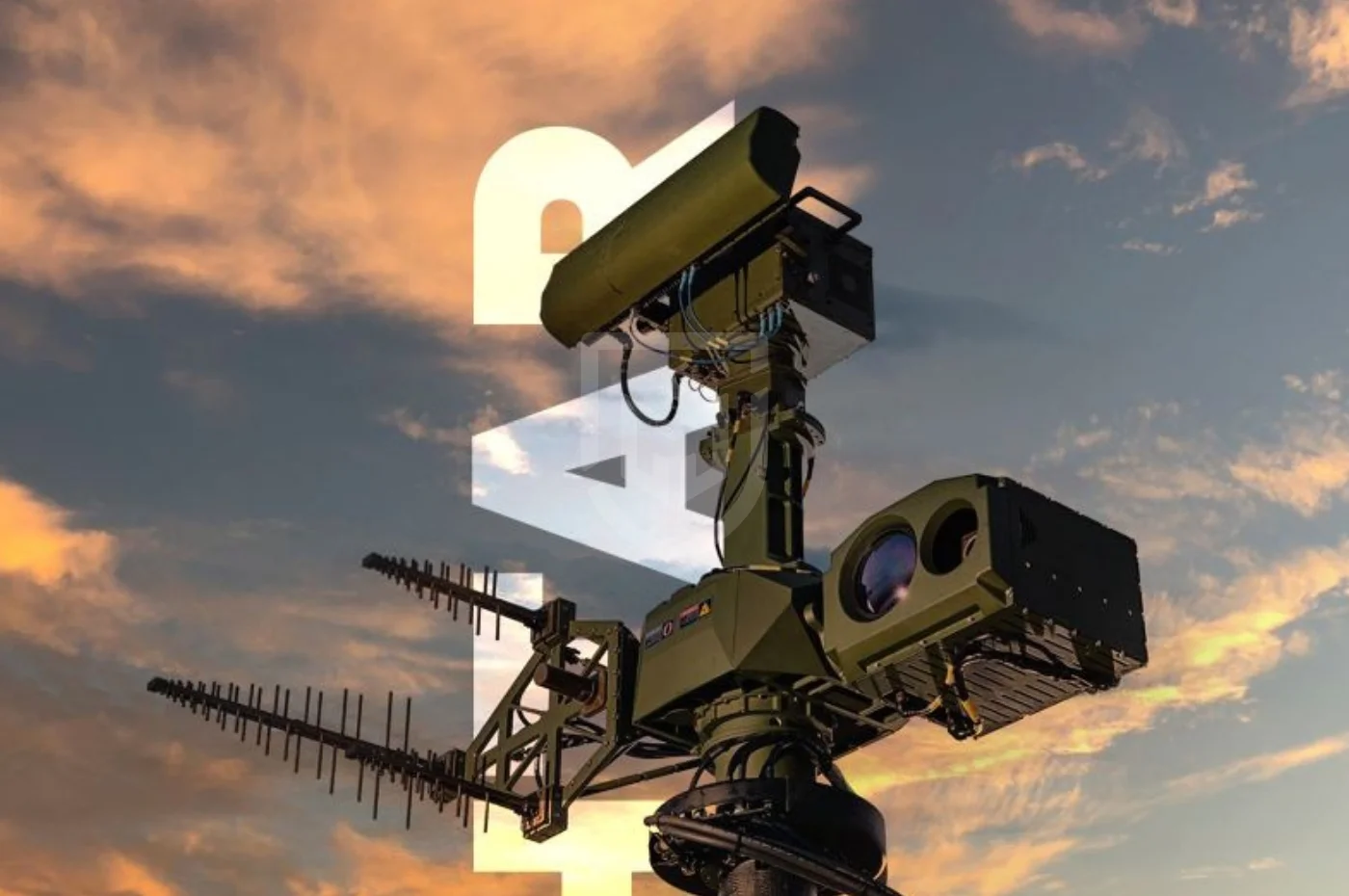
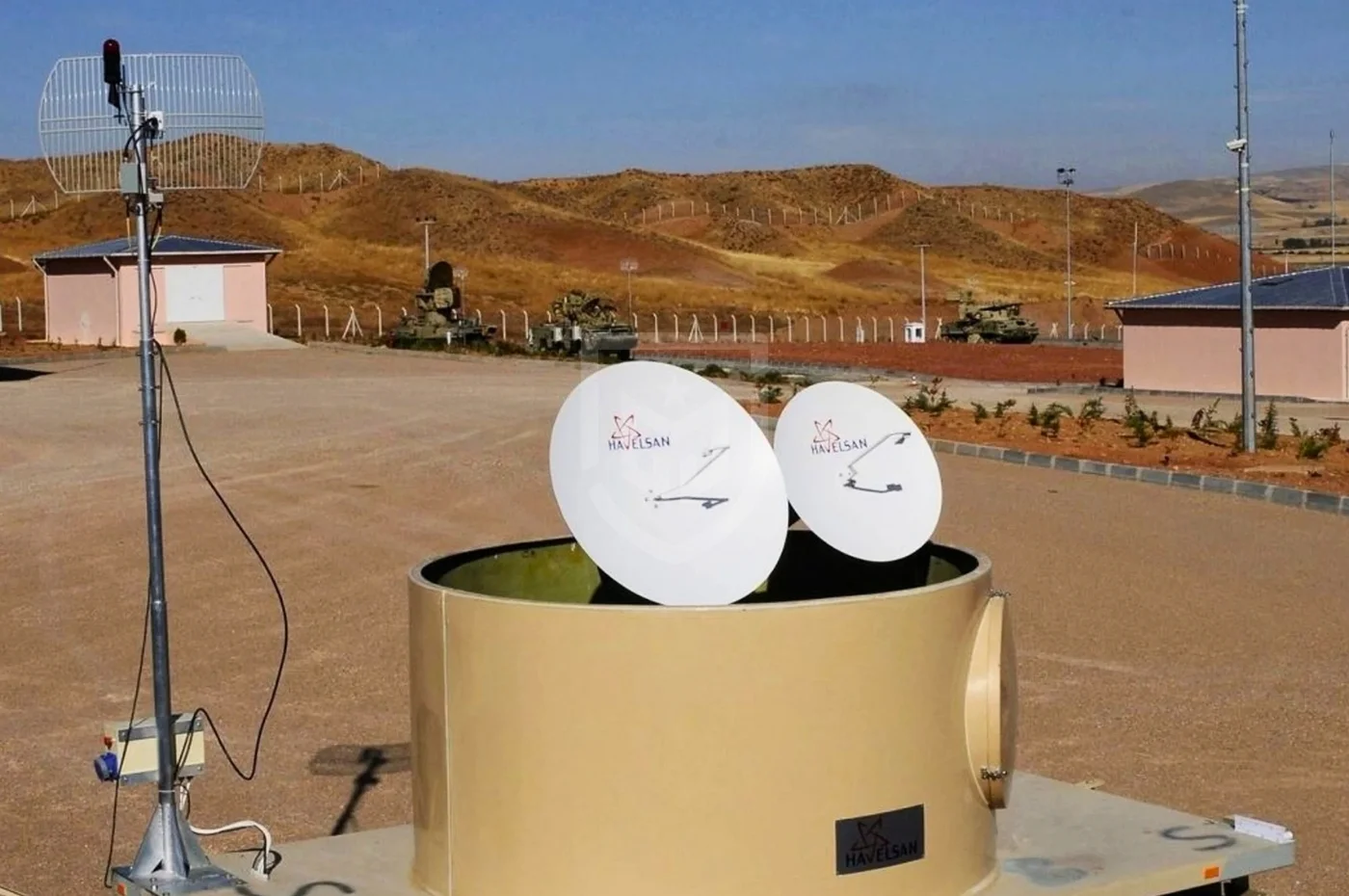
Ground-based radar systems or radar threat simulators are instrumented and configured to generate threat emissions representative of operational systems. Public sources do not disclose detailed radar band specifications; however, threat parameters are scenario-configurable.
Data Collection & Synchronization
The system collects and synchronizes:
All data streams are time-synchronized for high-precision analysis.
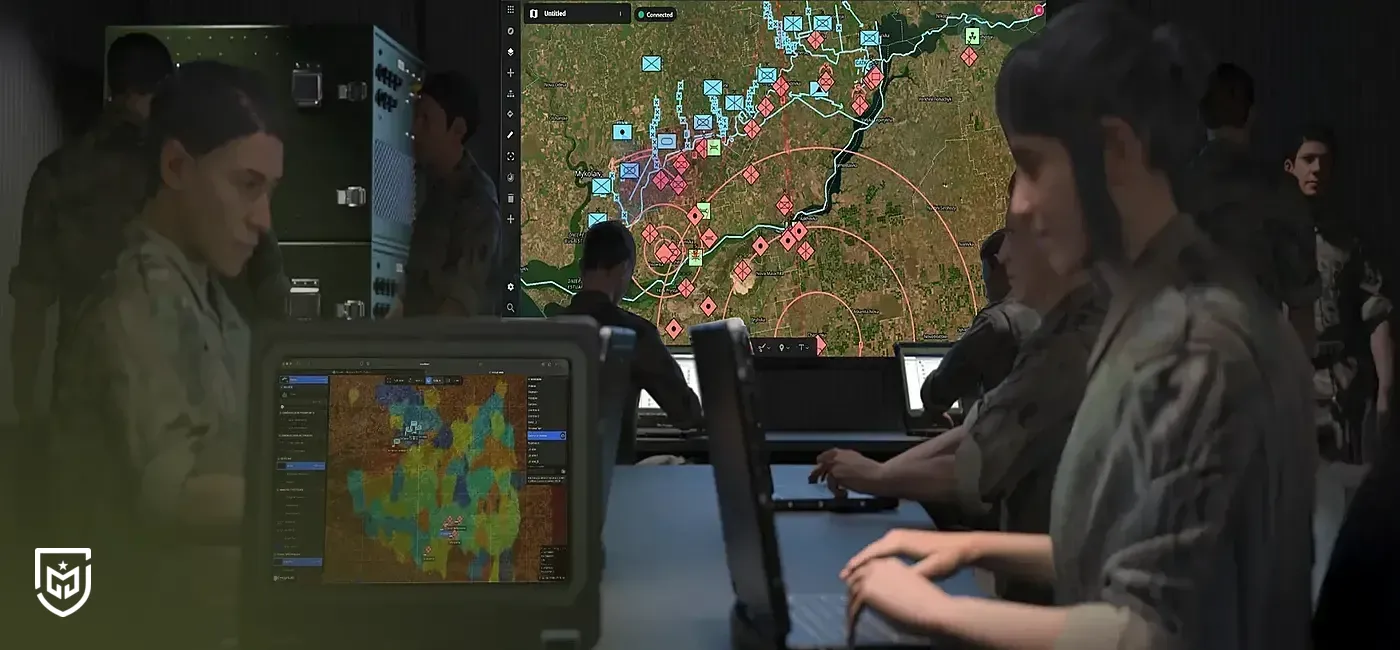
Real-Time 3D Visualization & Replay
During and after missions:
are visualized in a 3D environment for comprehensive analysis.
Mission Planning & Debrief Software
The software suite includes:
This architecture allows EHTES to function not only as a training range but also as a test and validation environment for electronic warfare systems.
Survivability & System Resilience
EHTES is not a weapon system but an infrastructure. Survivability measures focus on:
Engagement & Performance Analysis
A key strength of EHTES is its kill/escape probability modeling. The system evaluates:
Specific algorithmic parameters are not publicly disclosed.
Integrated Ecosystem
EHTES can interface with:
It supports integration with real ATC systems for operational realism.
Advantages Against Modern Threats
Limitations:
Cannot replicate the full electromagnetic complexity of actual combat
Does not involve live missile firing
Variants and Configurations
Publicly available information does not detail specific block upgrades or export variants. The system is available in both mobile and fixed command-and-control configurations.
Detailed Technical Information
Radar & Threat Simulation
Missile & Ballistic Modeling
Visualization & Analysis
Command & Control
Electronic Warfare Assessment
Frequently Asked Questions
What is EHTES used for?
Does EHTES involve live missile firing?
How many threats can it simulate simultaneously?
Is EHTES mobile?
Can it measure ECM effectiveness?
Which platforms can integrate with EHTES?
What are its international equivalents?
Sources




The cookies used on our website are used to provide you with a better user experience and to improve our website. You can manage your cookie preferences from the options below.