Simulators and Training


BREAKING NEWS
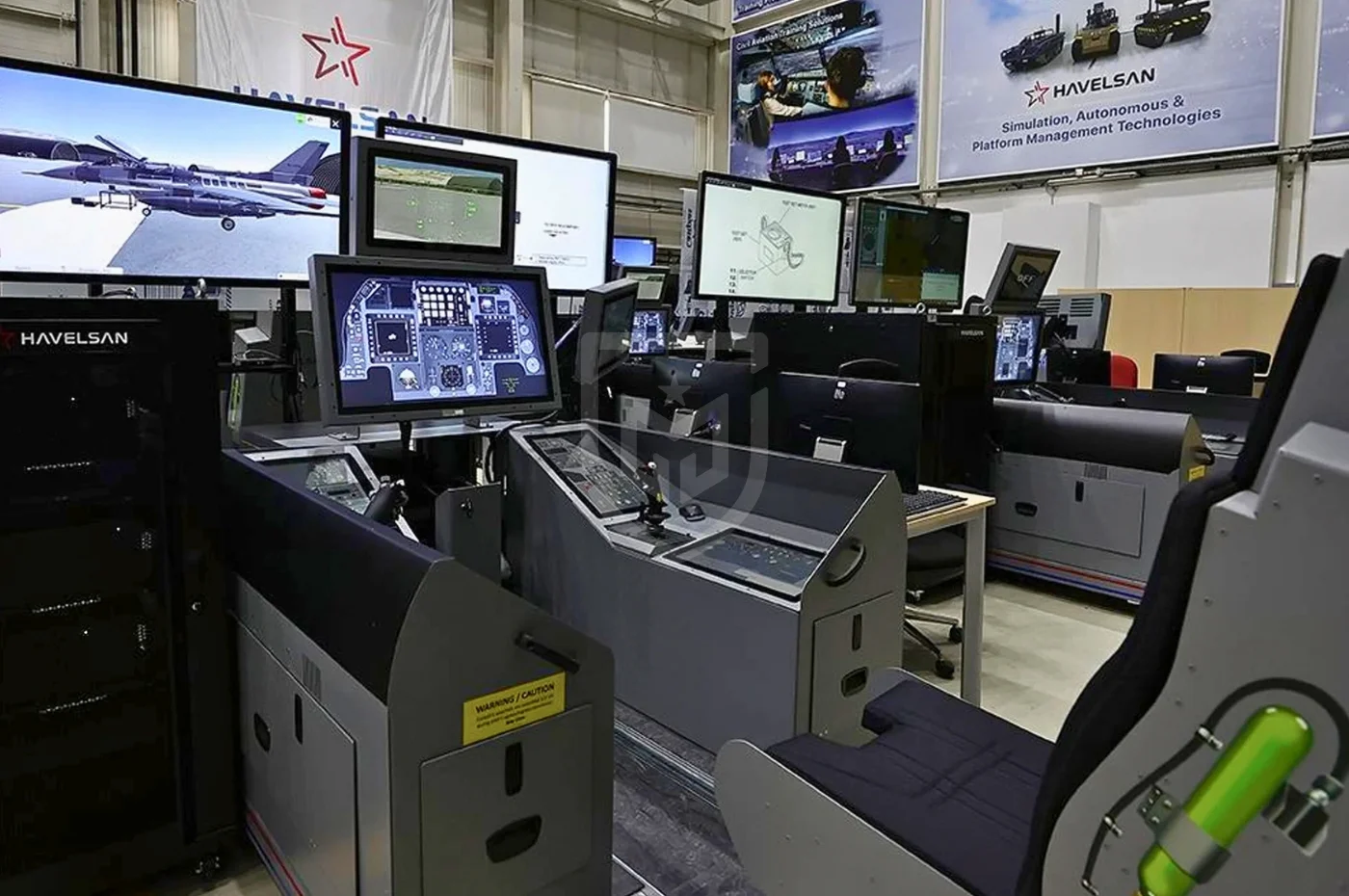
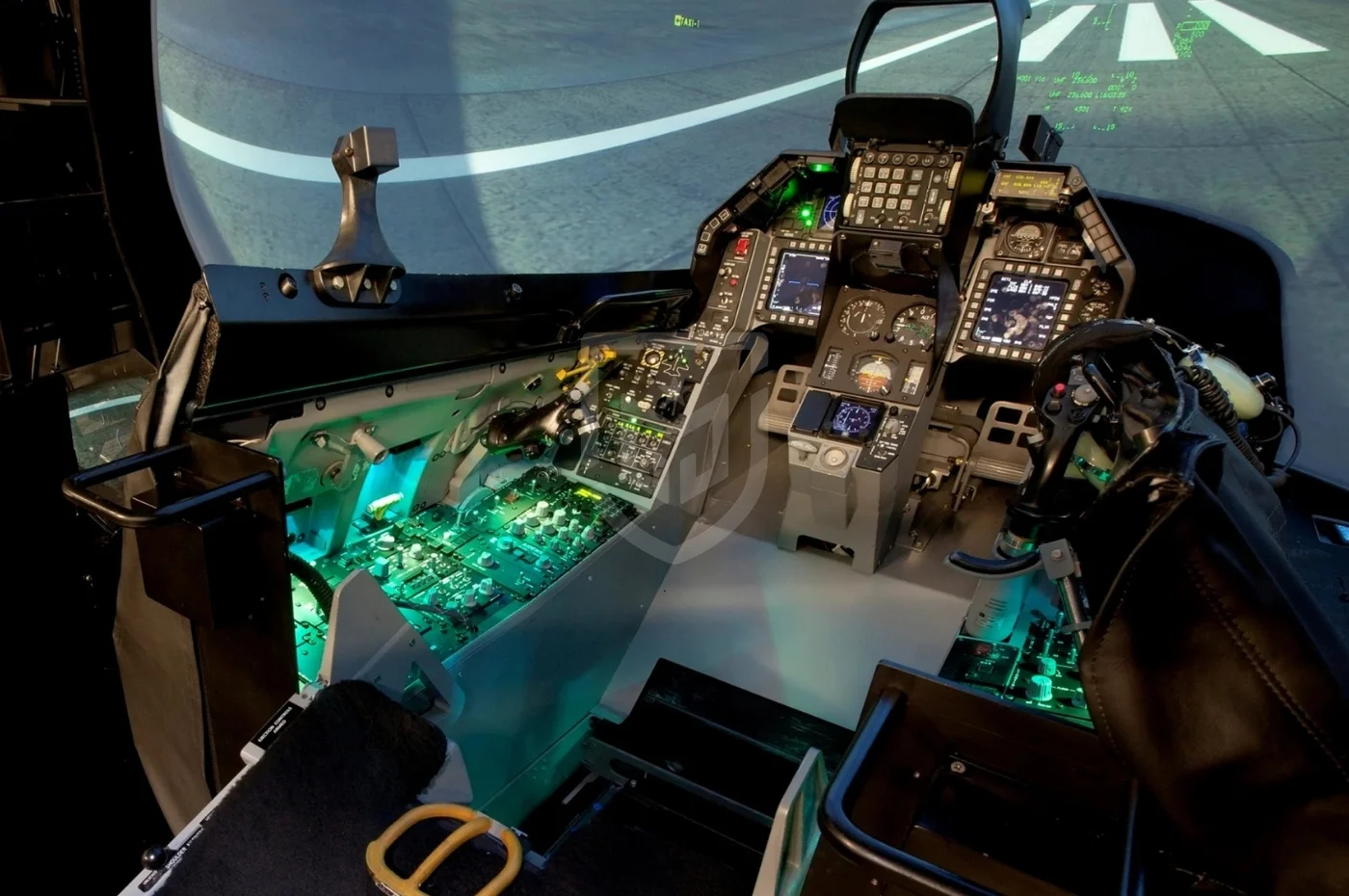
The F-16C Full Mission Simulator (FMS) is a comprehensive, high-accuracy simulation solution developed to support advanced combat training requirements of modern fourth-generation multirole fighter operations. Designed specifically for the operational configuration of the F-16C fleet in Turkish service, the simulator replicates real aircraft systems, avionics, tactical environments, and mission workflows with a high degree of fidelity.
Operational Purpose and Role
The simulator is designed to prepare pilots for real-world combat missions without the operational cost, risk, and logistical burden of live flight operations. It enables:
The system allows pilots to rehearse full mission cycles including briefing, mission execution, and debriefing analysis.
Doctrine and Concept of Use
The simulator is built around a network-centric warfare concept. Through integration with the Turkish Armed Forces Communication Network (TAFICS), geographically distributed simulators can operate within the same virtual operational environment.
This allows:
Up to 23 pilots can participate simultaneously in a single integrated synthetic battlespace, significantly enhancing interoperability and coordinated mission execution skills.
System Architecture
The F-16C FMS consists of the following core components:
The aerodynamic model accounts for different altitude conditions, temperature variations, and weapon load configurations. This ensures that aircraft performance behavior reflects realistic flight dynamics rather than procedural approximation.
Tactical Realism and Reaction Modeling
The simulation engine generates dynamic threat environments in real time, including:
Radar lock processes, engagement timelines, missile kinematics, and reaction chains are modeled to reflect real-world operational logic. Exact classified performance tolerances are not publicly disclosed.
Survivability and Electronic Warfare Training
The simulator includes realistic modeling of:
This enables pilots to train under high-threat electromagnetic environments while maintaining complete safety.
Ecosystem Integration
The simulator integrates with mission planning systems, briefing/debriefing tools, and performance analysis software. Post-mission evaluation includes detailed flight parameter tracking, weapon employment effectiveness, and tactical decision analysis, enabling measurable training progression.
Advantages in Modern Threat Environments
Certain system-level details such as processing latency thresholds, simulation engine architecture, and exact modeling tolerances are not publicly disclosed.
Detailed Technical Information
Visual System
Flight Model
Sensors and Avionics Simulation
Networking and Data Infrastructure
Training Capabilities
Personnel and Operation
Some hardware architecture details and software infrastructure specifications are not publicly available.
Frequently Asked Questions
What is the F-16C Full Mission Simulator used for?
How realistic is the simulator compared to real flight?
How many pilots can train simultaneously?
Does it support Link-16 operations?
Can air-to-air refueling be trained?
Are live weapons simulated?
How does it compare to international alternatives?
Sources




The cookies used on our website are used to provide you with a better user experience and to improve our website. You can manage your cookie preferences from the options below.